

Choosing wood pellets for cooking is mostly about matching flavor, grill compatibility, and bag size to how you actually cook. A cherry blend for pork, a hickory blend for deeper smoke, or a compact bag for a small pellet setup each solves a different job. The right choice keeps your sessions steady instead of making every cook feel like a guess.
That matters whether you grill on weekends, run a pizza oven, or keep a woodfire unit ready for weeknight meals. The picks below lean on blend type, container size, and compatibility so you can sort the practical options fast.
The Shortlist At A Glance

Pit Boss Cherry Blend BBQ Hardwood Pellets 15 lbs.

Kona Pizza Oven Wood Pellets Apple & Oak Blend 2 lb
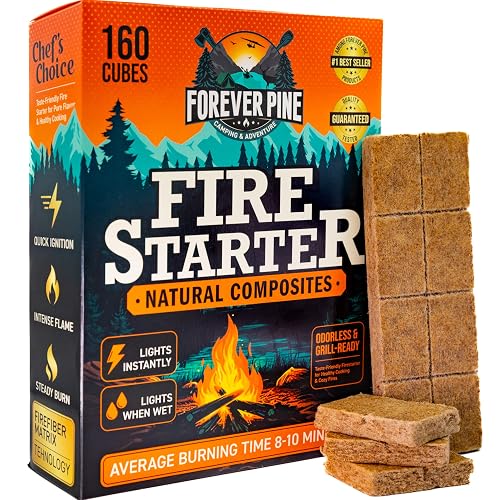
Fire Starter Cubes 160 pcs Value Pack

Kingsford Craftsmoke Hickory BBQ Pellets 20 pounds

Weber Grillmaster Blend Hardwood Pellets 20 lb Bag

Kingsford Craftsmoke Grillmasters Choice Cherry, Hickory, and Oak BBQ Pellets 20 pounds

Ninja Woodfire Robust Blend 5-lb Bag

Kingsford Craftsmoke Applewood BBQ Pellets 20 pounds
More Details On Our Top Picks
Cherry pellet blends tend to sit in a friendly middle ground, and this 15-pound bag fits that lane well. For weeknight chicken, pork, or mixed backyard cooks, that size is easier to store than a bulk sack and still practical for repeat use.
Compared with the stronger hickory profile in the Kingsford Craftsmoke Hickory bag, this Pit Boss option should feel a touch gentler and a little more fruit-forward. That softer profile helps you keep smoke present without pushing it into the heavy end.
Strong Points
- Cherry blend gives you a milder smoke note than straight hickory.
- 15-pound bag size is easier to stash in a garage shelf or utility bin.
- Works across grilling and smoking, so you can keep one bag in rotation for mixed meals.
- Fruitwood style usually suits poultry and pork especially well.
Things To Consider
- The bag is smaller than the 20-pound options in this roundup, so frequent cooks may restock sooner.
- Cherry blends can feel lighter than you want for brisket-style smoke depth.
- Bag storage still matters, since pellet fuel performs best when kept dry and sealed.
Feature Snapshot
Who It Suits Best
Weekend grillers who want a gentler smoke profile and a bag size that stays manageable will get the most out of it.
A Better Fit Elsewhere
Kingsford Craftsmoke Applewood Pellets suit cooks who want an even lighter fruitwood note, especially for chicken and vegetables.
This small-bag blend is aimed at focused cooking setups, especially Ninja Woodfire users and compact pizza ovens. Apple and oak together usually land in a clean, balanced zone, so the smoke profile stays useful without taking over the food.
Compared with the larger Kingsford and Weber bags, this one makes more sense for lower-volume use or a dedicated secondary grill. The honest trade-off is obvious, you get less bulk, but you also avoid storing more fuel than you need.
What We Like
- Apple and oak create a balanced flavor path that works across several foods.
- 2-pound bag keeps storage light and tidy.
- Built around Ninja Woodfire compatibility, which narrows the guesswork.
- Useful for pizza ovens as well as pellet grills and smokers.
Softer Spots
- Small bag size suits short runs, not heavy weekly cooking.
- The flavor profile is tailored, so it’s less of a universal pantry staple than the Weber Grillmaster Blend.
- Compact packaging means you’ll want to keep an eye on supply between cooks.
Core Details
Made For
Compact-cooker owners, especially anyone using a Ninja Woodfire unit or a small pizza oven, will appreciate the narrow fit and tidy bag size.
Where A Sibling Pick Shines
Pit Boss Cherry Blend suits you better for broader backyard cooking, since its 15-pound bag gives more room for repeat sessions.
This is not pellet fuel, but it belongs in the same shopping cart because ignition matters every time you cook with pellets. A 160-piece cube pack makes sense for fireplaces, fire pits, wood stoves, charcoal, and grill starts, so you can keep one starter on hand for several fuel setups.
Compared with the pellet-only items in this roundup, this one is about getting the fire going cleanly and consistently. For busy households that move between backyard cooking and indoor hearth use, that convenience is the real draw.
Highlights
- 160-piece count gives you a long running supply for repeated starts.
- Works with pellets, logs, charcoal, and several common fire setups.
- Natural, odorless profile keeps ignition from adding extra scent.
- Waterproof construction is useful for storage in sheds or outdoor bins.
- Simple cube form is easy to place under kindling or fuel.
Points To Note
- It’s an ignition helper, not a smoke flavor product, so it fills a different role than the other picks here.
- Bulk cube packs need dry storage to stay convenient.
- Some cooks will still prefer a separate fire-starting tool for rapid lighting on the go.
Details At A Glance
Built With In Mind
You get the most from it in homes that split time between pellet cooking and other fire-based gear.
Another Choice May Suit
Kona Pizza Oven Wood Pellets fit better for compact cooks who need dedicated flavor fuel rather than an ignition accessory.
Hickory is the heavier smoke lane in this roundup, and this 20-pound bag fits cooks who want a stronger barbecue profile. For brisket, ribs, and longer sessions, the larger sack helps you keep fuel on hand without thinking about every cook as a separate supply run.
Compared with Pit Boss Cherry Blend, this Kingsford bag should read bolder and drier in flavor. That stronger character works well in a backyard setup, though it can feel assertive for lighter foods.
Upsides
- Hickory brings a deeper smoke tone than fruitwoods in this list.
- 20-pound bag supports repeated use for regular pellet grill sessions.
- Natural hardwood labeling points to a straightforward fuel style.
- Better suited to meats that can stand up to a stronger smoke profile.
Area To Watch
- The stronger profile may overpower delicate foods like fish or mild vegetables.
- Twenty pounds takes more storage space than the smaller bags here.
- Heavy use still calls for dry, sealed storage between cooks.
Feature Rundown
Whose Shelf It Belongs On
Frequent grillers who like a more pronounced smoke note and keep a pellet cooker active through the season will fit this bag well.
Swap It Out When
Weber Grillmaster Blend is the easier choice for milder, more flexible cooks that move between different foods.
Grillmaster Blend sits in the middle of the flavor range, which is exactly where many home cooks want a pellet bag to live. The 20-pound size suits steady backyard use, and the blend approach makes it easier to keep one fuel bag on hand for different proteins and vegetables.
Compared with Kingsford Craftsmoke Hickory, this Weber bag should be less forceful and more adaptable. That makes it useful for family cooking, especially when one grill handles a chicken dinner one night and ribs the next.
Best Bits
- Blend format offers a middle-ground smoke profile.
- 20-pound bag gives you a practical supply for repeated sessions.
- Adaptable flavor works across many everyday grilling situations.
- Simple, no-fuss profile fits cooks who want a steady all-around bag.
Small Caveats
- It does not lean as boldly smoky as hickory-only pellets.
- Like other large bags, it needs a dry storage spot.
- Broad flavor can be less distinct than the more specialized blends in this roundup.
Technical Sheet
Right Fit For
Home cooks who want one dependable bag for mixed weeknight and weekend grilling will find the broad profile appealing.
Look Elsewhere When
Kingsford Craftsmoke Grillmasters Choice fits better for you if you want more layered fruitwood and oak character in the same 20-pound format.
This blend has more moving parts than the single-wood bags, which gives it a wider flavor target. Cherry, hickory, and oak together usually point to a more layered smoke profile, useful when you want one bag that can handle a lot of different grill foods.
Compared with the Weber Grillmaster Blend, this Kingsford option sounds more specific and a little more expressive. That extra character helps in a busy kitchen or backyard setup where you want the fuel to do more of the flavor work.
Reasons To Buy
- Three-wood blend broadens the flavor range beyond a single note.
- 20-pound bag suits regular pellet grilling routines.
- Cherry, hickory, and oak together create flexibility across proteins.
- Natural hardwood construction keeps the focus on the fuel itself.
Worth Noting
- More blend complexity can make it harder to predict the exact smoke tone from cook to cook.
- Large bag size still requires dry storage and a bit of shelf space.
- Strong mixed-wood flavor may be more than you want for very mild dishes.
Core Details
The Right Fit
Grillers who like a fuller smoke character and want a broad-use 20-pound bag will get the most from this one.
Where Shoppers Go Wrong
Pit Boss Cherry Blend suits you better if you want a softer, more restrained fruitwood profile instead of a fuller three-wood mix.
Owners of Ninja Woodfire units get the clearest fit here, because this bag is built around that ecosystem. The blend combines hickory, cherry, maple, and oak, so the flavor profile is aimed at classic barbecue smoke rather than a single-note finish.
What sets it apart from Kona’s 2-pound bag is the larger 5-pound supply and the specific compatibility claim for Ninja gear. The note about using only half a cup per cook suggests careful portioning, which can help keep things tidy in smaller setups.
Bright Spots
- Designed for Ninja Woodfire use, which removes a lot of guesswork.
- Four-wood blend offers a fuller barbecue profile.
- 5-pound bag gives more runway than the compact 2-pound option in this list.
- Small measured usage per cook can make portioning feel controlled.
Areas To Watch
- Compatibility focus makes it less universal than the broader Weber or Kingsford bags.
- Five pounds is still modest compared with the larger 20-pound options.
- Dedicated blend means you’re paying for specificity, not general-purpose flexibility.
Feature Card
Perfect Match For
People cooking on Ninja Woodfire equipment will get the most direct fit from this blend and its measured-use format.
Reach For A Different Pick When
Weber Grillmaster Blend suits you better for a broader, less appliance-specific pantry bag.
Applewood is the gentlest flavor profile in this group, which makes this bag easy to place in a weeknight routine. For chicken, pork chops, vegetables, or lighter barbecue plates, that softer smoke can feel like the right amount instead of an afterthought.
Compared with the hickory version from the same family, this one gives you less punch and more flexibility. The 20-pound bag also means you can keep a steady supply around without juggling smaller packages every few sessions.
Best Bits
- Applewood offers a softer smoke note than hickory or mixed bold blends.
- 20-pound bag works well for cooks who use pellets often.
- Mild profile suits poultry and vegetables especially well.
- Easy to slot into a general backyard fuel stash.
Honest Caveats
- The gentle profile may feel too light for users who want deeper smoke presence.
- Large bag size takes up storage space.
- Like any bulk fuel, it’s best kept dry and sealed after opening.
Quick Facts
Who Will Love This
Home cooks who prefer a softer smoke profile and use a pellet grill for chicken, vegetables, and everyday meals will fit it well.
Not Your Match When
Kingsford Craftsmoke Hickory Pellets make more sense for a stronger smoke profile and heavier barbecue flavor.
How To Choose The Right wood pellets for cooking
Match The Wood To The Food
Smoke flavor is the first filter. Fruitwoods such as cherry and apple usually stay softer, so they work well for chicken, pork, and vegetables, while hickory brings a deeper barbecue note that suits ribs and brisket-style cooks. Blends like Weber Grillmaster or Kingsford Grillmasters Choice sit between those poles, which helps when your menu changes from one night to the next.
Bag size matters just as much. A 2-pound bag makes sense for compact units and occasional use, while 15- and 20-pound bags fit regular pellet grilling and reduce how often you have to restock.
Check Appliance Fit Before Flavor
Ninja Woodfire owners should pay attention to compatibility first, then flavor. A dedicated bag like Ninja Woodfire Robust Blend is built for that setup, while broader pellets from Pit Boss, Kingsford, or Weber suit standard pellet grills and smokers.
That difference saves time and frustration. A well-matched fuel bag tends to feed more smoothly, store more cleanly, and feel less like a compromise every time you cook.
Think About Storage And Routine
Pellet fuel performs best when kept dry, so your storage space matters. A large bag is convenient for frequent use, but a smaller bag can be smarter in a cramped garage, condo patio, or appliance cabinet.
Starter cubes belong in the same decision process because ignition is part of the workflow. A simple starter pack can make setup easier for pellet grills, charcoal, and fire pits, especially in households that cook outdoors often.
Things Worth Knowing First
Common Shopping Slip Ups
Shoppers often focus on flavor and ignore the appliance. That creates trouble with niche gear like Ninja Woodfire units, where the right fuel format matters as much as the wood blend.
Another common miss is bag size. A small bag can be tidy, but regular cooks usually outgrow it fast, while a large bag can feel awkward in a tight storage space.
What The Higher Tier Buys
More specialized pellets usually cost more because the blend is narrower, the packaging is often larger, or the product is tuned for a specific cooker family. That extra focus can be worth it when you want predictable smoke character and easier pairing with your setup.
It also buys convenience. A bag designed around your grill or pizza oven removes guesswork, and that matters most for cooks who use the same equipment week after week.
Frequently Asked Questions
What wood pellets work best for beginner pellet grill use?
A balanced blend like Weber Grillmaster is the easiest starting point. It stays flexible across chicken, pork, and vegetables.
Are fruitwood pellets milder than hickory?
Yes, cherry and applewood usually sit on the gentler side. Hickory brings a stronger barbecue note.
Do small pellet bags make sense?
They make sense for compact cookers and occasional use. Heavy grillers usually prefer a larger bag.
Why use fire starter cubes with pellet fuel?
They simplify ignition for fireplaces, fire pits, charcoal, and some grilling setups. They’re a useful helper, not a flavor fuel.
Should you choose a dedicated blend for Ninja Woodfire?
Yes, a matched blend keeps the setup straightforward. Dedicated fuel also helps when you want a more predictable result from the same unit.
Closing Thoughts
The best wood pellets for cooking are the ones that match your grill, your storage space, and your flavor preference. Cherry and applewood keep things softer, hickory pushes harder, and mixed blends give you more middle ground. Dedicated options like Ninja Woodfire pellets make sense for appliance-specific setups, while larger general-purpose bags suit steady backyard use. Choose the fuel that fits your routine, and your cooks will feel easier from the first fire to the last plate.
