


Maintaining kitchen appliances in top shape is crucial for their longevity. Regular cleaning and maintenance can save you from costly repairs and replacements. Plus, there’s nothing quite like the satisfaction of using well-functioning appliances in a clean kitchen. Here are some benefits you can enjoy:
Lower utility bills from reduced energy consumption.
Avoiding breakdowns that lead to expensive repairs.
Enhanced performance translating to long-term savings.
Neglecting to maintain kitchen appliances can lead to health risks too, such as bacterial contamination and pest infestations.
Key Takeaways
Regular cleaning of kitchen appliances prevents odors and ensures food safety. Aim for weekly wipe-downs and deep cleans every 1 to 3 months.
Routine maintenance, like cleaning condenser coils and checking door seals, can significantly extend the lifespan of your refrigerator and oven.
Following a consistent cleaning schedule for your dishwasher helps avoid clogs and ensures sparkling dishes. Clean the filter and run vinegar cycles monthly.
Maintain Kitchen Appliances: Refrigerators
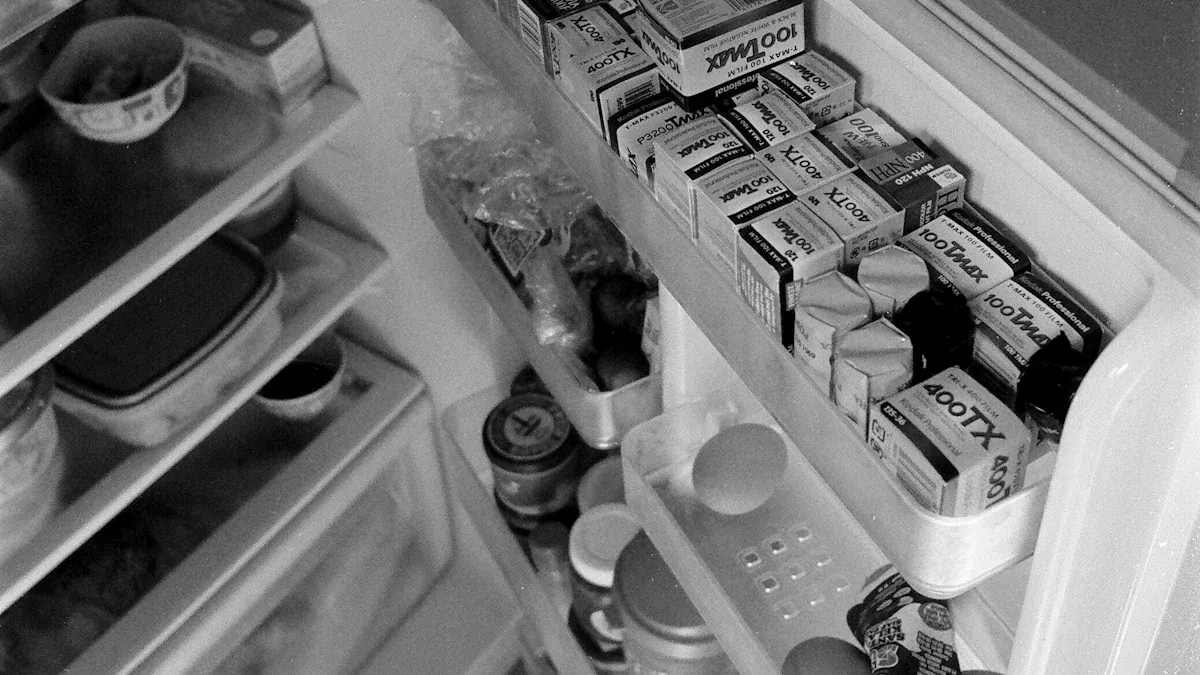
Cleaning
Keeping your refrigerator clean is essential for both hygiene and efficiency. Regular cleaning helps prevent unpleasant odors and keeps your food safe. Here’s how you can effectively clean your refrigerator:
Remove all food: Start by taking everything out. Check expiration dates and discard any expired items.
Clean shelves and bins: Use warm water mixed with mild dish soap to wipe down shelves, bins, and drawers. This method is gentle yet effective.
Wipe interior surfaces: After cleaning the removable parts, use a solution of diluted white vinegar (1:1 with water) to wipe down the interior surfaces. This not only cleans but also deodorizes.
Clean door gaskets: Don’t forget to check the door seals. Wipe them down with a soft cloth to ensure they are free from debris and moisture.
For routine maintenance, aim for a quick wipe-down weekly and a deep clean every 1 to 3 months. This schedule keeps your refrigerator in top shape and helps maintain a clean kitchen environment.
Maintenance
Regular maintenance is key to extending the lifespan of your refrigerator. Here are some proven tips to keep it running smoothly:
Clean the condenser coils: Dust and debris can accumulate on the coils, affecting efficiency. Clean them at least twice a year. If you have pets or live in a dusty area, consider cleaning them every three to four months.
Replace the water filter: If your refrigerator has a water dispenser or ice maker, change the water filter every six months. This prevents clogs and ensures clean water.
Inspect door seals: Use the ‘Dollar Bill Test’ to check if the seals are airtight. If you can pull the bill out easily, it’s time to replace the gasket.
Adjust the refrigerator: Ensure your fridge tilts slightly backward. This helps the doors close properly and maintains a good seal.
Monitor temperature settings: Keep your refrigerator temperature between 37°F to 40°F and the freezer at 0°F. This range helps prevent spoilage and bacterial growth.
By following these maintenance tips, you can avoid common issues like clogged drain lines, which can lead to water accumulation, and ensure your refrigerator operates efficiently.
Increase the Longevity of Ovens
Cleaning
Keeping your oven clean is essential for both safety and performance. A clean oven not only cooks food evenly but also prevents unpleasant odors and smoke. Here are some effective cleaning methods you can use:
Weiman Stove & Oven Cleaner: This foaming cleaner works wonders on tough, baked-on food and grease. It’s safe for various surfaces, including gas ranges and oven interiors.
Dish Soap Method: Mix grease-cutting dish soap with warm water. This method is great for light to moderately greasy ovens.
Baking Soda and Vinegar Method: Combine baking soda with vinegar to tackle moderate to high grease buildup. Just avoid using this on aluminum interiors.
Easy Off Fume Free Oven Cleaner: Perfect for heavily soiled ovens, this cleaner gets the job done without harsh fumes.
Bar Keepers Friend Oven Cleaner: Another option for tough grease, but consider natural methods for routine cleaning.
To keep your oven in top shape, aim for a deep clean based on how often you use it. Check out this table for guidance:
Usage Type | Cleaning Frequency |
|---|---|
Moderate use (3-4 times a week) | Every 2-3 months |
Heavy use (daily cooking or baking) | At least once a month |
Spills or grease splatters | Immediately after cooling |
Cleaning your oven regularly helps prevent buildup and ensures safety. Remember, neglecting to clean can lead to more significant issues down the line.
Maintenance
Routine maintenance is just as important as cleaning when it comes to increasing the longevity of ovens. Here are some tips to keep your oven functioning efficiently:
Clean spills and food debris immediately after each use. This prevents buildup and makes your next cleaning easier.
Use mild, non-abrasive cleaners. Harsh chemicals can damage your oven’s interior over time.
Inspect and replace worn-out seals and gaskets. This helps maintain proper heat retention and efficiency.
Check and calibrate the oven thermostat periodically. Accurate temperature control is crucial for cooking success.
Schedule professional maintenance at least once a year. This can help catch potential issues early and prevent costly repairs.
Watch for signs that indicate your oven may need professional maintenance or repair. These include:
Uneven cooking, where food burns in some areas and remains undercooked in others.
Slow preheating, where the oven takes longer than usual to reach the desired temperature.
Incorrect oven temperature, where the actual temperature doesn’t match what you set.
By following these maintenance tips, you can ensure your oven operates efficiently and safely. Regular maintenance not only enhances cooking performance but also contributes to the overall longevity of your appliance.
Dishwashers: Care and Maintenance
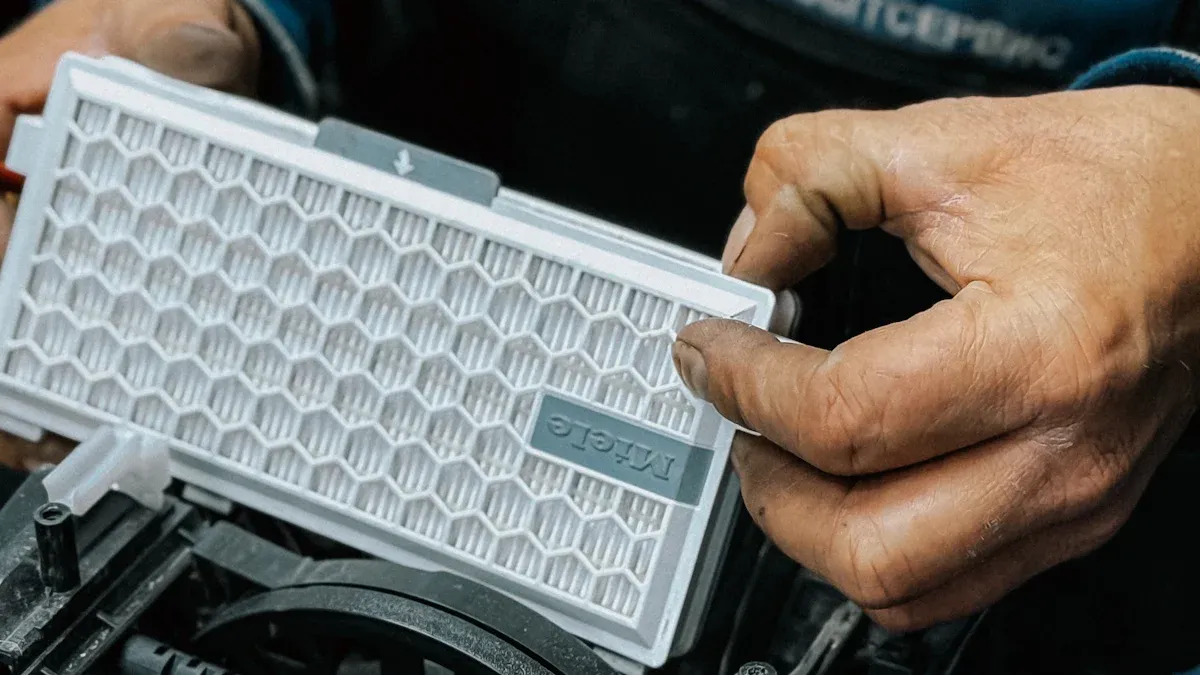
Cleaning
Keeping your dishwasher clean is essential for its performance and longevity. Regular cleaning prevents the buildup of food particles and ensures your dishes come out sparkling. Here are some effective cleaning methods:
Clean the filter: Remove the filter and rinse it under warm water. Use a sponge and soap to scrub away any stubborn debris. For tough particles, a small brush like an old toothbrush works wonders.
Flush with vinegar: Monthly, run an empty cycle with a mix of baking soda and vinegar. This helps dissolve clogs and freshens the interior.
Inspect the spray arms: Periodically lift off the spray arms and rinse them. Use a toothpick to clear any clogs that might affect water flow.
To maintain hygiene and performance, follow this cleaning schedule:
Frequency | Cleaning Task |
|---|---|
Weekly | Wipe down the interior and check the spray arms for clogs. |
Bi-Weekly | Clean the filter and run an empty cycle with vinegar. |
Monthly | Inspect the drain and check the seal and hinges. |
Every 3-6 Months | Deep clean the interior and clean the exterior. |
Yearly | Inspect the water inlet valve and examine the hoses for issues. |
Maintenance
Proper care is crucial for preventing common dishwasher problems. Here are some maintenance tips to keep your appliance running smoothly:
Scrape large food particles from dishes before loading them. This prevents clogs and ensures effective cleaning.
Inspect and clean the interior regularly to remove food debris. A clean filter helps maintain efficiency and prevents cloudy glassware.
Check the door seal for wear and replace it if necessary. A good seal prevents leaks and maintains the appliance’s integrity.
Ensure the dishwasher is level to facilitate proper drainage. An unlevel dishwasher can lead to drainage problems.
By following these simple maintenance practices, you can avoid issues like leaks and poor drainage, ensuring your dishwasher remains in top condition for years to come.
Maintaining your kitchen appliances is vital for their durability and efficiency. Regular cleaning and upkeep can lead to significant benefits:
Cost savings from reduced energy bills.
Extended lifespan of your appliances.
Improved performance, helping you restore optimal performance when needed.
By following the manufacturer’s guidelines and adopting these practices, you can enjoy a more efficient kitchen and avoid costly repairs. Start today for a cleaner, more reliable cooking space!
