

Stove-area heat control is less about glamour and more about keeping walls, counters, grills, and nearby surfaces in better shape. The right heat shield for stove use depends on whether the setup needs a rigid board, a reflective mat, a welding blanket, or a portable windscreen. This roundup focuses on those distinct use cases, from apartment kitchens to backyard cooking spots and workshop tasks. Each pick suits a different kind of heat exposure, so the fit matters as much as the material.
The Shortlist At A Glance

Matace Carbon Felt Welding Blanket 12×14 Inch 2 Pack

Imperial Group USA Stove Board

Sibosen 24 x 16 Inch Stainless Steel Backsplash

SEADESKY Camp Stove Windscreen 10 Plates

FLASLD Aluminum Heat Shield Mat 20 x 30 Inch
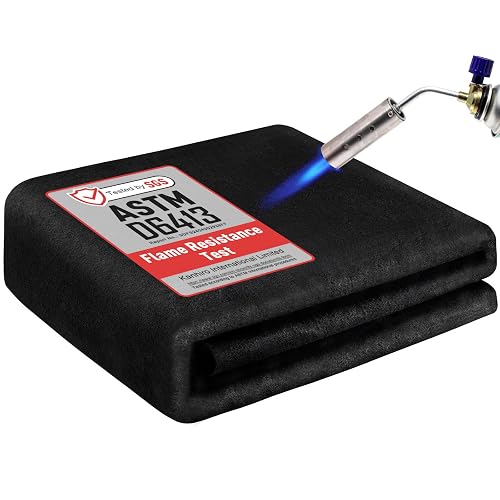
kanhiro 4×6 Feet Welding Blanket 5mm
More Details On Our Top Picks
Matace goes after tight, hot work zones rather than broad kitchen coverage. The 5 mm carbon felt build gives the pad a denser feel than a thin throwaway sheet, and the 12 by 14 inch size suits brazing tables, soldering benches, stove wick work, or quick auto tasks where sparks stay local.
The trade-off is obvious: a compact mat is easy to move and store, yet it leaves less margin around the work area than the larger blanket from kanhiro. For HVAC and plumbing repairs, that smaller footprint can still be a smart fit, especially in a garage or crowded bench setup where a bulky shield would get in the way.
Strong Points
- Two-piece pack gives some flexibility across different stations.
- Carbon felt construction suits spark-prone repair tasks.
- Small size makes storage and repositioning easier.
- Works well for stove wick service and bench work.
Points To Note
- Coverage is limited compared with a larger blanket.
- Best as a local shield, not a room-wide barrier.
- Black surface may show wear from heavy workshop use over time.
Feature Snapshot
Who It Suits Best
Workshop users handling brazing, soldering, or HVAC repair in confined spaces fit this mat well.
Another Choice May Suit
FLASLD Aluminum Heat Shield Mat 20 x 30 Inch suits homeowners who need broader wall coverage near a stove or grill.
Imperial’s stove board takes the most traditional path in this lineup, with a rigid form that suits fixed appliance zones. That matters in a back kitchen, cabin, or utility area where a stable surface behind or beside the stove helps manage heat exposure without frequent repositioning.
Compared with the soft blankets from Matace and kanhiro, this board is less about flexible drape and more about standing its ground. The honest read is that rigid panels make sense for cleaner installs, though they usually ask for more careful placement and planning around the stove footprint.
What We Like
- Rigid format fits permanent or semi-permanent setups.
- Works well in utility rooms and cabin kitchens.
- Less fuss than a draped fabric shield.
- Pairs naturally with freestanding stove layouts.
Small Caveats
- Less flexible than fabric-based heat shields.
- Placement needs a steadier setup than a mat.
- Bulkier to store than a foldable shield.
Core Details
Whose Shelf It Belongs On
Homeowners setting up a steady stove zone, especially in secondary kitchens or utility spaces, get the most from this board.
Where A Sibling Pick Shines
Matace Carbon Felt Welding Blanket 12×14 Inch 2 Pack fits users who need a softer, more movable shield for repair work.
Sibosen aims at the wall behind a stove, not the broader heat zone, and that narrow focus makes sense for many kitchens. The stainless steel panel is built for regular contact with oil and water splatter, so the main draw is a cleaner-looking backsplash area rather than a portable workshop shield.
Compared with the board-like Imperial option, this one feels more tailored to a finished kitchen surface. The adhesive-backed format should appeal to apartment kitchens and tidy remodels, though the stronger the bond requirement, the more careful the surface prep needs to be.
Upsides
- Stainless steel resists rust better than plain coated panels.
- Flat profile suits modern kitchens with tight clearances.
- Covers wall space that often gets stained by cooking residue.
- Simple metal surface is easy to wipe clean.
Areas To Watch
- Adhesive install calls for a clean, smooth surface.
- Best for backsplash duty, not movable protection.
- Shiny finish can show smudges more readily.
Technical Sheet
Best Suited To
Kitchens that need a neat, wall-mounted splatter guard rather than a portable mat fit this panel well.
A Better Fit Elsewhere
FLASLD Aluminum Heat Shield Mat 20 x 30 Inch suits broader surface-protection jobs near grills, ovens, or painted walls.
SEADESKY shifts the category outdoors, where wind matters almost as much as heat. Ten folding plates make this a practical pick for backpacking stoves, butane burners, and alcohol stoves, especially on picnic tables or uneven camp setups where a small shield can make a noticeable difference in flame stability.
Unlike the fixed Sibosen backsplash, this one folds away for transport, which is the main appeal for campers. The trade-off is simple, portability comes with a narrower job description, so it’s not the right answer for wall protection or workshop sparks.
Reasons To Buy
- Folding layout packs down neatly.
- Ten plates give useful wraparound coverage around a burner.
- Fits several common camping stove styles.
- Light enough for gear bags and cook kits.
Room For Improvement
- Outdoor use is its main lane.
- Not a substitute for kitchen wall shielding.
- Folding panels can take a little setup time.
Feature Rundown
Right Fit For
Campers and backpackers who want a portable wind barrier for small burners will get the most out of this one.
Look Elsewhere When
Matace Carbon Felt Welding Blanket 12×14 Inch 2 Pack suits bench work and repair tasks far better than this outdoor windscreen.
FLASLD is the broad-coverage option in this group, and that size matters for grills, ovens, deck railings, and nearby walls. The reflective aluminum surface is meant to redirect radiant heat, so the use case is less about direct flame contact and more about reducing long exposure on surfaces that sit too close to a hot zone.
Compared with the smaller Matace pads, this one is better suited to big stationary setups where a hanging or mounted barrier makes sense. The six grommets help with placement, though the trade-off is that installation takes a little more planning than simply laying down a mat.
Highlights
- Large 20 by 30 inch format covers more area.
- Reflective surface helps redirect radiant heat.
- Six grommets support hanging or securing it in place.
- Useful near grills, ovens, railings, and walls.
Softer Spots
- Works best with proper spacing from the heat source.
- Mounting setup takes more thought than a simple mat.
- Less portable than the folding camping windscreen.
Details At A Glance
Made For
Backyards, patios, and utility spaces with grills or wall-adjacent heat sources suit this format well.
Swap It Out When
Sibosen 24 x 16 Inch Stainless Steel Backsplash fits a permanent kitchen backsplash job more cleanly than this hanging shield.
kanhiro is the broadest fabric shield in the list, and that extra span matters around grills, smokers, firepits, or larger soldering spaces. The 4 by 6 foot format gives far more coverage than the Matace 12 by 14 inch pads, so it suits people who need a larger catch zone for sparks or radiant heat.
That size brings real convenience in bigger setups, though it also means more material to handle and store. In a garage, patio, or outdoor cooking area, the scale feels right, but smaller workbenches may find it more blanket than necessary.
Best Bits
- Large 4 by 6 foot span covers broad surfaces.
- 5 mm thickness gives it a substantial feel.
- Carbon felt construction suits spark-heavy tasks.
- Useful for grills, smokers, and firepit work.
- Better coverage than compact mat-style options.
Minor Gripes
- Large size takes more storage space.
- Overkill for small bench jobs.
- Handling a big blanket is less convenient than a pad.
Core Details
Built With In Mind
Grill owners, outdoor cooks, and workshop users with larger heat zones fit this blanket best.
Reach For A Different Pick When
Matace Carbon Felt Welding Blanket 12×14 Inch 2 Pack suits compact repair stations and tighter storage areas better.
How To Choose The Right heat shields for stove
Match The Material To The Heat Pattern
Fabric blankets, rigid boards, stainless panels, and reflective aluminum sheets solve different problems. Carbon felt suits sparks and direct work-zone exposure, while aluminum and steel are better for deflecting radiant heat or catching splatter near a wall.
That difference matters in real use. A welding blanket near a bench behaves very differently from a backsplash behind a range, and a camping windscreen has a separate job again. Matching the material to the heat pattern avoids both overspending and weak coverage.
Size Should Follow The Space, Not The Listing
Small mats work well around tool benches, stove wick repairs, and narrow corners. Larger formats make more sense for grills, broad wall sections, or outdoor cooking setups where sparks and heat spread wider than expected.
Measure the actual area first. A compact pad can be convenient, but a shield that is too small leaves exposed edges, while an oversized one can become awkward to place or store.
Mounting Style Changes The Whole Experience
Some options hang, some stick, and some simply lay in place. Adhesive-backed panels suit finished kitchens with smooth surfaces, while grommets help with fences, railings, or patio mounting, and foldable plates suit travel gear.
The practical upside is easier ownership. The trade-off is that each attachment method asks for a different setup, so the right shield often depends less on heat level than on where it has to live.
Think Beyond Heat Resistance Alone
Cleaning, storage, and surface compatibility matter just as much as the material itself. Stainless and aluminum wipe down quickly, while fabric shields are easier to fold away but may take more attention after use.
For a busy kitchen, a low-profile backsplash usually feels more natural. For a garage, patio, or camp kit, portability can matter more than finish, and that balance should drive the final choice.
Things Worth Knowing First
Hidden Buying Traps
One common mistake is treating all heat shields as interchangeable. A backsplash, a stove board, and a welding blanket serve different spaces, so the category name alone does not tell the full story.
Another trap is overlooking the installation surface. Smooth walls, railings, and stove surrounds each need a different approach, and the wrong format can turn a simple project into a fiddly one.
The Upgrade Payoff
Higher-tier options usually cost more because they use larger dimensions, heavier materials, or more refined mounting systems. That extra expense often shows up in easier placement, broader coverage, and a longer useful life in busy kitchens or outdoor cooking areas.
The upgrade makes sense for fixed installations and larger surfaces. For short-term repair work or compact camp gear, a simpler shield is often enough and easier to handle.
Closing Thoughts
The strongest choice depends on where the heat lives. A stove board or backsplash suits a kitchen wall, a reflective mat works near grills and rails, and a welding blanket fits sparks, tools, and bigger coverage needs. Smaller spaces reward compact pieces, while patios and workshops often need more span. Match the shield to the surface, the mounting method, and the size of the hot zone, and the decision gets much easier.
