

Unglazed clay cookware brings a slower, steadier style to the stove or oven. The right pot can handle weeknight soups, rice, roasts, and baked dishes without feeling fussy, and that matters in kitchens where one vessel has to earn its place.
This roundup focuses on shape, capacity, finish, and everyday handling. Some picks lean compact, some suit larger family portions, and one set broadens the use case beyond a single pot.
Quick Look At The Shortlist
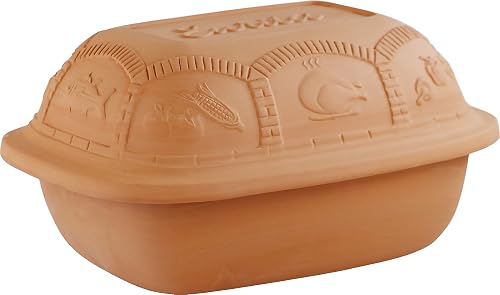
Eurita Clay Roaster 4 Quart

Swadeshi Blessings Handmade Unglazed Clay Pot 2.8L (Red)

Swadeshi Blessings Handmade Unglazed Clay Cooking Pot 2.8L (Black)

Swadeshi Blessings Handmade Unglazed Clay Pot 3 Liters
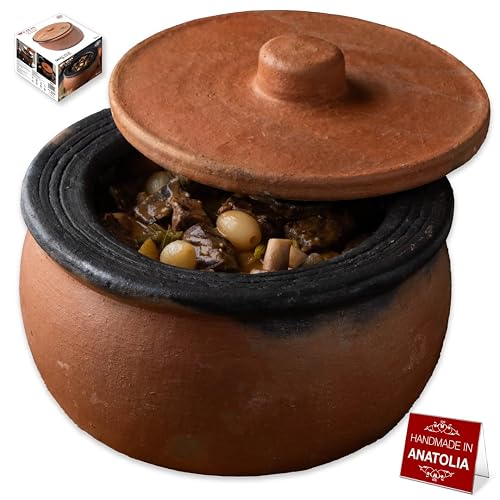
Hakan Efes Clay Cooking Pots with Lids Small 1.9 Quarts

Areste Mexican Clay Cookware Set, Set of 6
More Details On Our Top Picks
The Eurita format stands apart because it mixes an unglazed clay lid with a glazed base. That split matters in real kitchens: the lid can hold moisture management, while the base is easier to clean after stews, roasts, or bread baking.
Four quarts gives this roaster enough room for family dinners without feeling oversized on a crowded rack. The lid is not tightly fitted, so steam release is part of the cooking style, and that suits slow braises more than sealed-pressure methods.
Strong Points
- Natural clay construction keeps the material profile straightforward.
- Glazed bottom section simplifies post-meal cleanup.
- Four-quart capacity suits roast chicken, vegetables, or soup for a household meal.
- Lid design encourages gentle steam circulation during long cooking sessions.
- Microwave and oven compatibility up to 500 degrees F broadens use in a busy kitchen.
Points To Note
- The lid is intended to sit with some venting, so fully sealed cooking is not the goal.
- Unglazed clay usually asks for careful drying and storage, especially after washing.
- The mixed finish may feel less traditional to shoppers who want clay on every surface.
Feature Snapshot
Who It Suits Best
Households that want a roomy clay roaster for braises, bread, and vegetables will get the most from this shape.
A Better Fit Elsewhere
Swadeshi Blessings Handmade Unglazed Clay Pot 3 Liters fits smaller everyday portions more naturally, especially for kitchens that do not need Eurita Clay Roaster 4 Quart capacity.
This red 2.8-liter pot lands in a useful middle zone for daily cooking. It is large enough for curry, lentils, or a modest rice batch, yet not so large that it dominates a compact stovetop.
The included lid and serving-friendly shape make it a practical fit for homes that shift from cooking straight to table service. Compared with the Eurita roaster, the appeal here is simpler and more traditional, with less emphasis on mixed finishes and more on clay-first presentation.
What We Like
- Unglazed build delivers the classic clay-cookware look and feel.
- 2.8-liter size fits everyday portions without excess bulk.
- Lid and pot can move from stove to serving table with little fuss.
- Red exterior gives the piece a warm, familiar kitchen presence.
Small Caveats
- Unglazed surfaces often need more care during washing and drying than coated cookware.
- The listed material style suits gentle cooking, not rushed high-heat shortcuts.
- Accessories such as the palm-leaf stand add convenience, but storage space still matters.
Core Details
Who Should Grab It
Home cooks who want a daily-use clay pot for moderate portions and serving at the table are the clearest match.
Where A Sibling Pick Shines
Hakan Efes Clay Cooking Pots with Lids Small 1.9 Quarts suits tighter portions better, especially in kitchens where a 2.8-liter vessel feels a touch large.
The black version follows the same 2.8-liter shape as the red Swadeshi Blessings pot, but the darker finish changes the visual tone at the table. It feels a bit more understated, which helps in kitchens that lean toward simple serving pieces rather than decorative color.
That same size makes it useful for simmered vegetables, rice, or a modest stew, especially in homes that value a compact clay vessel with a more restrained look. The honest read is that the finish is doing part of the work here, so the pick makes sense for presentation as much as for cooking.
Bright Spots
- Black finish gives the pot a more subdued, modern table presence.
- 2.8-liter capacity keeps it manageable for everyday use.
- Unglazed clay construction matches the traditional cookware style many kitchens still want.
- Included lid helps the vessel move from cooking to serving with fewer extra steps.
Areas To Watch
- The darker color does not change the care routine, so clay handling still needs attention.
- Those who want a brighter earthen look may prefer the red Swadeshi Blessings pot.
- Medium capacity is useful, though larger batch cooking will call for a roomier vessel.
Details At A Glance
Best Suited To
Small households that want a modest clay pot with a darker serving look will find this shape especially practical.
Swap It Out When
Areste Mexican Clay Cookware Set, Set of 6 makes more sense for homes that want multiple clay pieces for serving, baking, and plating rather than a single 2.8-liter vessel.
The 3-liter Swadeshi Blessings pot opens up a bit more room than the 2.8-liter pair without moving into a bulky footprint. That extra headroom matters for rice, curries, or layered vegetable dishes in kitchens where portion size changes from one night to the next.
Its white firing shade and stone-rubbed mirror finish make it the most visually distinct of the Swadeshi picks. Compared with the black and red versions, this one leans harder into display value, so it suits cooks who want servingware that looks intentional at the table.
Upsides
- 3-liter capacity gives a little more space for family portions.
- Mirror-style finish adds a polished look without shifting away from clay construction.
- Natural white firing shade sets it apart from the red and black options.
- Lid and included palm-leaf stand broaden presentation use.
Softer Spots
- The polished look may ask for more careful handling during storage.
- Unglazed clay still benefits from patient washing and full drying.
- People who prefer a rougher, more rustic surface may want the simpler Swadeshi 2.8-liter pieces.
Quick Facts
Whose Shelf It Belongs On
Home cooks who want a slightly roomier clay pot with a cleaner, more polished table presence will see the most use from this one.
Another Choice May Suit
Reston Lloyd Eurita Clay Roaster 4 Quart suits larger roasting jobs better, especially for kitchens that need more volume than the 3-liter Swadeshi Blessings pot provides.
Hakan Efes keeps things small on purpose, and that’s the point. At 1.9 quarts, this pot suits side dishes, rice for one or two, or a modest casserole where a larger clay vessel would feel wasteful.
Twice-baked terracotta, sometimes called bisque-fired clay, usually means the piece has been fired more than once during production, which can improve structural consistency in practical use. The trade-off is a smaller serving window, so this model belongs in kitchens that value compactness over batch size.
Reasons To Buy
- Small footprint works well on tighter stovetops and in cabinets with limited space.
- 1.9-quart capacity suits solo meals, sides, and smaller casseroles.
- Twice-baked terracotta build gives the pot a traditional clay-cookware profile.
- Lid adds usefulness for serving, simmering, and transport to the table.
Room For Improvement
- The compact size can feel restrictive for family portions.
- Unglazed clay needs the usual attentive drying and storage routine.
- Those planning roasts or layered dishes will likely want a larger pot.
Feature Rundown
Built With In Mind
Small households and cooks who need a tight-footprint clay pot for sides or single-dish meals are the strongest match here.
Look Elsewhere When
Reston Lloyd Eurita Clay Roaster 4 Quart fits larger roasts and family trays more comfortably than the Hakan Efes pot.
The Areste set changes the category entirely, because it is not just a single clay pot. Six pieces give a table-service angle that works for mezze-style spreads, desserts, side dishes, and plated meals in homes that cook for more than one purpose at a time.
That breadth is useful in busy kitchens where presentation matters as much as simmering. Compared with the single-vessel picks above, this set makes more sense for cooks who want coordinated terracotta pieces rather than one general-purpose pot.
Best Bits
- Six-piece format covers a wide range of serving and plating uses.
- Terracotta construction gives the set a cohesive earthen look.
- Works across baking, serving, and plated food presentation.
- Useful for cooks who want matching pieces instead of a lone pot.
Honest Caveats
- The set format takes more storage space than a single clay vessel.
- Multi-piece cookware usually means more pieces to wash and dry after use.
- Households that only need one everyday pot may not use the full set often enough.
Core Details
Who Will Love This
Homes that serve several dishes at once and want matching clay pieces for both cooking and presentation are the clearest fit.
Reach For A Different Pick When
Swadeshi Blessings Handmade Unglazed Clay Pot 2.8L suits simpler daily cooking far better than a six-piece set.
How To Choose The Right unglazed clay pots for cooking
Capacity And Portion Style
Capacity sets the whole rhythm of use. A 1.9-quart pot like Hakan Efes works for sides or small meals, while a 4-quart roaster like Eurita suits family trays, braises, and bread. The middle range, around 2.8 to 3 liters, fits kitchens that cook for two to four and still want a serving vessel that does not crowd the counter.
Finish, Firing, And Cleanup
Unglazed clay usually asks for more careful drying, while partially glazed designs tend to clean faster and feel easier in daily rotation. Eurita’s glazed base is a useful example of a hybrid approach, especially for homes that want clay performance without giving up every cleaning advantage. Pure earthen surfaces feel more traditional, though they also demand a steadier care routine after washing.
Lid Fit And Cooking Behavior
Lids in this category are not all doing the same job. Eurita’s vented lid releases some steam, which suits slow braises and moist dishes, while smaller pots may rely on a simpler cover for simmering and serving. The trade-off is plain: more venting helps control moisture, but a less tight seal will not mimic a fully closed casserole dish.
Matching The Pot To The Kitchen
The right choice depends on how the kitchen works day to day. A large family will feel the limits of a 1.9-quart pot quickly, while a solo cook may never need the headroom of a 4-quart roaster. Sets like Areste make sense only when multiple clay pieces will actually move from stove to table.
A Quick Reality Check
Common Shopping Slip Ups
Many shoppers focus on the clay look and forget the size. That leads to pots that are either too small for regular meals or too large for quick weekday cooking.
Another common miss is assuming every clay vessel behaves the same. Vented lids, glazed bottoms, and fully unglazed surfaces all change how the pot cooks and how much care it asks for.
Where The Extra Money Goes
Higher-tier clay cookware usually costs more because of finish work, multi-piece design, or more controlled shaping and firing. Eurita’s mixed surface, for example, adds convenience through a glazed base, while the Swadeshi mirror-finish model puts more effort into presentation.
The upgrade makes sense for households that use clay cookware often and want better table presence, easier cleanup, or a broader set of pieces. For occasional use, a simpler single pot can be the more sensible move.
Final Thoughts
Clay cookware rewards patience and the right size choice. Eurita suits bigger roasts, the Swadeshi 2.8-liter and 3-liter pots fit daily meals, Hakan Efes stays compact, and Areste serves a broader table role. The best match comes down to how often clay will be used and how much food needs to fit at once. A steady, well-sized pot usually matters more than a long feature list.
