

Storage islands for kitchen use solve a familiar problem, too little prep space and not enough closed storage. A mobile cart can add a work surface, tuck away small appliances, and move out of the way once the meal is done. That matters in apartments, compact homes, and kitchens that work double duty as dining space.
Quick Look At Our Shortlist

Shintenchi Kitchen Island Cart with Storage

Shintenchi Kitchen Island with Folding Drop Leaf
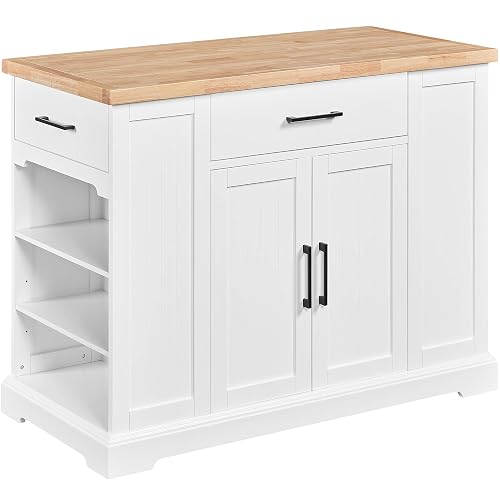
Yaheetech Rolling Kitchen Island Cart with 3 Drawers

VEVOR Kitchen Island Cart with Solid Wood Top

VASAGLE Mobile Kitchen Island with Drop Leaf UKKI012W01

Rolling Kitchen Island Cart with Storage & Drawer 26″
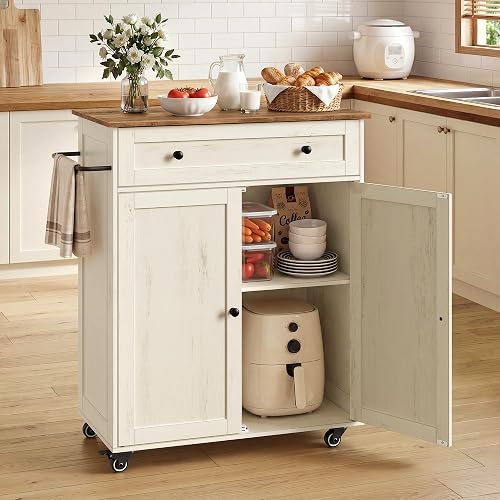
VASAGLE Mobile Kitchen Island with Storage Cabinet UKKI009WJ01S

60″ Kitchen Island with Trash Can Storage
More Details On Our Top Picks
That rolling frame suits kitchens that need extra landing space without giving up floor area. For a microwave, a coffee station, or a small bar setup, the mobile layout makes sense because it can move with the day’s routine.
The trade-off is straightforward, this kind of cart usually serves best as flexible support rather than a permanent island replacement. Compared with the larger VEVOR and ONBRILL picks, it feels more compact and easier to tuck beside a wall.
Strong Points
- Wheels make repositioning simple in tight kitchens.
- The storage format supports small appliances and servingware.
- Works well as a side table or cart zone.
- Cleaner white finish suits calm, light interiors.
Things To Consider
- Best used as a supplemental work surface, not a full built-in substitute.
- Open mobility can be less stable than fixed cabinetry on uneven floors.
Feature Snapshot
Who It Suits Best
Apartment cooks and light entertainers will get the most from this cart-style setup.
A Better Fit Elsewhere
Shintenchi Kitchen Island with Folding Drop Leaf suits you better when serving space matters more than a simple rolling side station.
The folding leaf is the key move here, because it adds surface only when you need it. In a breakfast nook or a dining corner, that makes the piece feel more adaptable than the simpler Shintenchi cart above.
It also works well for serving, since the extra panel can help with plating or casual seating. The honest read is that fold-out parts add usefulness, but they also ask you to think a bit more about clearance and daily handling.
Highlights
- Drop leaf expands usable surface without locking you into a larger footprint.
- Rolling design helps the cart shift between prep and serving roles.
- Cabinet storage keeps accessories out of sight.
- Seating-area wording points to more flexible dining use.
Small Caveats
- Fold-down hardware adds a little more daily handling.
- You’ll want enough space around it for the leaf to feel useful.
- White finishes usually need more regular wipe-downs in active kitchens.
Core Details
Made For
Small households that need one piece to handle prep, serving, and the occasional extra seat fit this design well.
Swap It Out When
VEVOR Kitchen Island Cart with Solid Wood Top suits you better for a wider work surface and a heavier-duty feel.
Drawer storage changes the rhythm of daily kitchen use, because utensils and linens can stay separated instead of piling up in one cabinet. That makes this Yaheetech cart feel more organized than the first two Shintenchi picks, especially for cooks who keep many small items close at hand.
The thick rubberwood top adds a warmer prep surface than plain painted panels, and the open shelving keeps frequently used items within reach. Depending on your cleaning habits, that open layout can feel either convenient or a little exposed, so it suits orderly kitchens best.
Bright Spots
- Three drawers help sort tools, napkins, and small kitchen gear.
- Open shelves give quick access to everyday items.
- Rubberwood top adds a sturdier prep feel than thinner surfaces.
- Rolling base works well in kitchens that change layout often.
Points To Note
- Open shelving asks for tidier storage habits.
- More compartments can mean a little more cleaning around edges and tracks.
Technical Sheet
Best Suited To
Home cooks who value visible organization and a defined prep zone will appreciate this layout most.
Another Choice May Suit
VASAGLE Mobile Kitchen Island with Drop Leaf UKKI012W01 fits you better when fold-out serving space matters more than drawers.
Among the rolling options here, the VEVOR stands out for a larger working surface and a more utility-focused layout. The solid wood top gives it a sturdier feel on paper than the lighter cart-style picks, which matters in a busy kitchen where the island becomes a daily landing spot.
Spice rack, towel rack, drawer, and adjustable shelves make this one better suited to cooks who want storage organized by task. The trade-off is size, since a wider cart can crowd narrow paths, so it suits kitchens that can comfortably give it room to breathe.
Reasons To Buy
- Solid wood top offers a more substantial prep area.
- Built-in spice and towel racks keep essentials within reach.
- Drawer and cabinet storage support layered organization.
- Adjustable shelves help tailor the cabinet to different item heights.
Areas To Watch
- The wider footprint asks for more floor space.
- Extra hardware means a bit more assembly and upkeep.
Details At A Glance
The Right Fit
Cooks who want a busier, more organized island for daily prep and serving will get strong use from this layout.
Where A Sibling Pick Shines
Shintenchi Kitchen Island Cart with Storage suits you better if your kitchen is tighter and you need a lighter, simpler footprint.
This VASAGLE model leans into flexibility, and the drop leaf makes that obvious from the start. Compared with the VEVOR cart, it feels more tuned to dining overflow and casual service than to a broad fixed prep zone.
The rustic white and honey brown finish gives it more visual contrast than the all-white carts in this list, which helps in rooms that sit between kitchen and dining area. The honest caveat is that a two-tone piece can ask for a bit more thought about matching cabinets and flooring.
Upsides
- Drop leaf expands usable surface for serving or prep.
- Spice rack adds a dedicated place for seasonings.
- Cabinet storage keeps serving pieces out of sight.
- Two-tone finish gives the cart a warmer, furniture-like feel.
Worth Noting
- Fold-out parts need a little space to work comfortably.
- Styling will feel more specific than a plain white cart.
Core Details
Who Will Love This
Households that want a flexible serving cart with a more finished look will get the most out of this piece.
Look Elsewhere When
Yaheetech Rolling Kitchen Island Cart with 3 Drawers fits you better if compartmentalized storage matters more than a fold-out side.
This SUNLEI cart keeps the formula simple, storage, drawer, open shelves, and lockable wheels in a compact 26-inch format. In smaller kitchens, that kind of no-nonsense layout can be easier to live with than the more feature-heavy VEVOR or ONBRILL picks.
The lockable wheels matter because they help the cart stay put once you settle it near a prep wall or dining edge. One thing worth considering is that a simpler cart like this usually asks you to be selective about what you store on it, since every shelf tends to become visible clutter fast.
Best Bits
- Lockable wheels help stabilize the cart after moving it.
- Open shelves make daily tools easy to reach.
- Drawer adds a hidden spot for smaller items.
- The 26-inch format suits tighter rooms well.
Minor Gripes
- Open shelves may need more frequent tidying.
- Compact sizing means less total storage than larger islands.
Feature Rundown
Built With In Mind
Practical kitchens that need a modest rolling station without much visual fuss are the right match here.
Reach For A Different Pick When
ONBRILL 60″ Kitchen Island with Trash Can Storage suits you better if you want a larger, more feature-forward centerpiece.
Compact proportions make this VASAGLE easier to place in a narrow kitchen or along a dining wall. Compared with the 26-inch SUNLEI cart, it feels more like a slim furniture piece than a utility cart, especially in rustic white and honey brown.
The storage cabinet gives it a cleaner look than open-shelf designs, which helps when you want the island to blend in. Depending on your storage habits, that enclosed layout may feel calmer, though it also asks you to manage internal space more carefully.
Positives
- Narrower footprint fits tighter layouts more comfortably.
- Cabinet storage keeps the visual look tidy.
- Rolling base supports easy repositioning.
- Two-tone styling brings a warmer furniture feel.
Room For Improvement
- Smaller footprint means less storage volume than larger islands.
- Cabinet space can fill quickly if you store bulky items.
Quick Facts
The Right Fit
Small kitchens and apartment dining corners suit this model particularly well.
Another Choice May Suit
VEVOR Kitchen Island Cart with Solid Wood Top fits you better if you need more working width and a more task-heavy setup.
This ONBRILL island brings the most feature-packed layout in the group, starting with trash can storage and a power outlet. For busy kitchens that run appliances on the counter and want cleanup hidden from view, that combination makes the island feel more like a central station than a simple cart.
The drop leaf and adjustable shelf add flexibility, but the bigger footprint means it belongs in kitchens that can support a 60-inch piece without crowding traffic. Compared with the compact VASAGLE options, this one is for a kitchen that wants the island to work hard every day.
What We Like
- Trash can storage keeps waste management out of sight.
- Power outlet supports countertop appliances and charging.
- Drop leaf adds serving or prep space on demand.
- Adjustable shelf helps organize different container heights.
Softer Spots
- The larger size asks for more clearance around the island.
- More built-in functions can mean more planning during assembly.
Core Details
Whose Shelf It Belongs On
Large households and serious home cooks who want a central utility station will get the most from this island.
Where Shoppers Go Wrong
Shintenchi Kitchen Island Cart with Storage suits you better if the room is smaller and a lighter cart will feel easier to place.
How To Choose The Right storage islands for kitchen
Size, Traffic, And Daily Movement
Start with floor space, then think about how you move through the room. A kitchen island that looks fine in a product photo can still feel cramped once chair pull-out space, drawer clearance, and walking lanes enter the picture.
Rolling carts help in tight rooms, but wheel mobility does not fix a poor footprint. Measure the open path you need around the island, especially near the fridge, sink, and stove.
Storage Style And Work Habits
Drawer-heavy layouts suit utensils, linens, and small tools. Open shelves work better for mixers, baskets, and items you reach for constantly, while cabinet doors hide visual clutter more cleanly.
Match the storage style to your habits, not to a long feature list. An organized cook may prefer open access, while a crowded household often benefits from closed storage and a simpler front.
Surface Material And Added Functions
Top material shapes how the island feels in daily use. Wood and wood-look tops bring a warmer prep surface, while larger engineered panels can be easier to place in a casual dining area.
Extra features matter only when you’ll use them. Drop leaves, spice racks, towel bars, trash compartments, and built-in outlets all raise usefulness, but each one adds bulk, hardware, or assembly steps.
Fit For The Room, Not Just The Catalog
Small apartments benefit from compact carts with locking wheels and cabinet storage. Bigger family kitchens can support wider islands with more distinct work zones, especially when the island doubles as a serving spot.
That’s the real filter: choose the layout that matches how your kitchen behaves on a weekday, not just how it looks on delivery day. A good island should feel like it belongs in the room, not like it was squeezed in at the last minute.
What To Weigh Before You Commit
Mistakes Worth Dodging
Shoppers often chase features before checking clearance. A drop leaf, a wide cabinet door, or a deep drawer can become awkward in a narrow galley kitchen.
Another common miss is storage mismatch. Open shelving looks convenient, but it also puts every container on display, so tidy habits matter more than the listing might suggest.
Why Top Tier Costs More
Higher-priced islands usually add sturdier tops, more hardware, larger surfaces, and better-organized storage zones. You also tend to get extras like adjustable shelving, integrated outlets, or trash storage, which increase both parts count and usefulness.
Pay up when the island becomes a daily work hub. For occasional serving or a coffee station, a simpler cart usually makes more sense and keeps the room easier to live in.
Frequently Asked Questions
What size kitchen works best for a rolling island?
A rolling island fits best in a kitchen with a clear path around it and room for the doors and drawers to open. Compact models suit tighter spaces, while wider islands need more breathing room.
Do drop leaves really help in daily use?
They do, especially in kitchens that need extra prep room only part of the time. The trade-off is that you need enough clearance to unfold and use the added section comfortably.
Are open shelves a good idea for busy homes?
They work well for tools and items you reach for often. The downside is visual clutter, so they suit organized storage habits better than catch-all use.
What features matter most in a kitchen cart?
The most useful features are usually the ones you’ll touch every day, such as wheels, cabinet space, drawers, and a stable top. Extras like spice racks, towel bars, or an outlet matter most when they match your routine.
Is a larger island always better?
No, because size only helps when the room can support it. A smaller cart that moves easily can be a smarter fit than a bulky island that slows down traffic.
Closing Thoughts
Storage islands for kitchen spaces work best when they solve a specific routine, not when they try to do everything. A compact cart can calm a tight room, while a larger island can anchor a busy one with more storage and surface area. The right choice comes down to floor space, how you prep, and how much visual order you want. Pick the shape that fits your kitchen’s daily rhythm, and it’ll feel useful long after the novelty wears off.
