

Spoon holders for cooking do a small job with outsized payoff, especially on stove tops that collect drips and countertops that stain easily. Ceramic, porcelain, wood, and silicone each bring a different balance of cleanup, heat tolerance, and style, so the right choice depends on the way a kitchen actually gets used. A compact rest suits tight prep zones, while a wider surface makes more sense beside a simmering pot or an everyday coffee station.
The Shortlist At A Glance
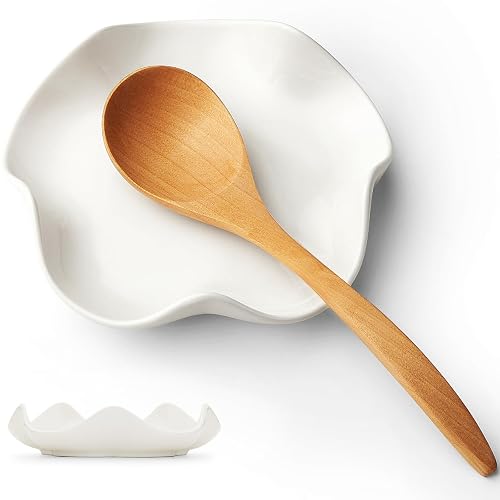
Mfacoy Spoon Rest 5.3 Inch Ceramic

JINIHFW Spoon Rest Ceramic Blue

Spoon Rest 4.5 Inch Porcelain White

ABRUTY Spoon Rest Ceramic Counter
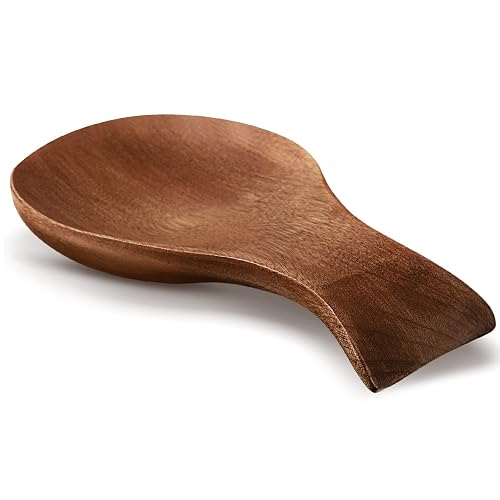
Patelai Acacia Wood Spoon Rest Brown

Spoon Rest 3 Pack Silicone Small
More Details On Our Top Picks
A 5.3-inch ceramic rest makes sense beside a stove that sees constant stirring, because the broader footprint gives ladles and longer spoons room to settle without sliding around. The hard glaze also wipes clean quickly, which matters in a kitchen where tomato sauce or coffee drips show up daily.
The trade-off is simple, ceramic brings more weight and a bit less forgiveness than silicone or wood. For most homes, that feels like a fair exchange, especially on counters where a sturdier, more finished look matters.
What We Like
- 5.3-inch surface handles larger utensils with less fuss.
- Ceramic construction cleans up easily after messy simmering.
- Feels substantial on the counter, so it stays put well.
- Works nicely for both stove-side and coffee-bar use.
Areas To Watch
- Ceramic needs a little more care than softer materials during storage.
- The fixed shape offers less give for awkward handles than silicone.
Feature Snapshot
Who It Suits Best
Households that cook on the stove often and want a tidy, sink-friendly rest will get the most from this shape and size.
A Better Fit Elsewhere
TROUSKAIG Spoon Rest 3 Pack Silicone Small suits cooks who want several resting spots for prep stations, coffee service, and stove use at once.
Blue ceramic changes the mood a little, adding color without turning the counter loud. Because this one is dishwasher safe, it suits busy kitchens where cleanup gets pushed to the end of the night and nobody wants another hand-wash item.
Compared with the Mfacoy rest, this pick leans more toward convenience than size. The honest read is that it fits neatly into small cooking zones, though the more compact stance may feel modest beside a wide saucepan setup.
Highlights
- Dishwasher-safe design keeps cleanup straightforward.
- Blue finish adds a little visual contrast on plain counters.
- Ceramic body suits daily stove-side use.
- Works well for kitchens that prefer a simple, tidy look.
Small Caveats
- Compact size may feel tight for long-handled utensils.
- Ceramic deserves careful handling during storage and sink work.
Core Details
Who Will Love This
Busy home cooks who want a tidy rest with low-maintenance cleanup will find this shape especially sensible.
Where A Sibling Pick Shines
Mfacoy Spoon Rest 5.3 Inch Ceramic suits cooks who prefer a wider landing area for ladles and bigger utensils.
At 4.5 inches, this porcelain rest is the smallest choice in the group, and that size makes it a smart fit for narrow counters or a coffee corner. White porcelain also blends in easily, which keeps the setup looking calm rather than cluttered.
Compared with JINIHFW’s blue ceramic piece, this one feels even more pared back. The trade-off is limited surface area, so longer spoons and wider spatulas may overhang more than some kitchens will like.
Positives
- Compact footprint fits tight prep spaces well.
- Porcelain offers a smooth, clean-lined finish.
- White color pairs easily with most kitchen styles.
Room For Improvement
- Smaller surface gives less room for oversized utensils.
- Light color can show sauce marks more readily.
Details At A Glance
Built With In Mind
Small kitchens, apartment counters, and coffee stations benefit most from this compact shape.
Another Choice May Suit
Patelai Acacia Wood Spoon Rest Brown suits home cooks who want a warmer look and a more decorative finish beside the stove.
This is the one that leans into decor as much as function, thanks to the modern farmhouse styling and ceramic body. In a kitchen with open shelving or warm wood tones, that kind of visual coordination matters more than many product pages admit.
Still, the appeal stays practical because the shape is meant for spatulas, spoons, and tongs at the stove. Unlike the smaller porcelain option, this one makes more sense as a visible counter piece, though it does ask a bit more attention than silicone on busy cleanup days.
Bright Spots
- Farmhouse styling suits warm, lived-in kitchen decor.
- Handles common cooking tools such as spoons and tongs.
- Ceramic build supports a cleaner, more polished counter look.
- Works well as both a tool rest and accent piece.
Points To Note
- Decor-forward look may matter less in a purely utilitarian kitchen.
- Ceramic benefits from careful handling and storage.
Feature Rundown
Whose Shelf It Belongs On
Home cooks who care about visible kitchen styling and still want a dependable stove-side rest will appreciate this balance.
Swap It Out When
JINIHFW Spoon Rest Ceramic Blue suits cooks who want a lower-key cleanup focus and a stronger color accent.
Acacia wood gives this rest a more natural presence than the ceramic picks above, and that suits kitchens built around butcher block, open wood shelves, or earthy tones. The brown finish also helps it read like part of the decor rather than a purely utilitarian utensil stand.
The trade-off shows up in care and moisture sensitivity, which is the usual story with wood kitchen accessories. For a stove corner that stays dry and gets light daily use, it brings a polished, cozy feel that ceramic does not quite match.
Reasons To Buy
- Acacia wood adds warmth and visual texture.
- Brown tone blends well with farmhouse interiors.
- Works nicely on dry, well-kept counters.
- Feels more decorative than a plain utilitarian rest.
Softer Spots
- Wood typically asks for more careful cleaning than ceramic or silicone.
- Less suited to very wet prep zones.
Technical Sheet
Right Fit For
Home cooks who prefer natural materials and a more decorative stove-side setup will get the most out of this piece.
Look Elsewhere When
ABRUTY Spoon Rest Ceramic Counter is the better match for kitchens that want a lower-maintenance surface and a ceramic finish.
Three small silicone rests change the equation for kitchens that need more than one landing spot at once. That setup works neatly for coffee service, side dishes, and stove cooking in separate zones, and silicone usually brings easier handling than ceramic or wood.
The package format is the draw here, although each piece stays modest in size. For a compact apartment kitchen or a household that runs several prep stations, that flexibility can matter more than a single larger rest.
Best Bits
- Three-piece set gives more placement options.
- Silicone is practical for quick handling and easy repositioning.
- Small size fits coffee nooks and auxiliary prep areas.
- Useful for households that cook and serve in more than one spot.
Worth Noting
- Small size may not suit oversized utensils well.
- Set format can be more than some kitchens need.
- Soft silicone look feels less decorative than wood or ceramic.
Quick Facts
The Right Fit
Households that juggle several prep areas, coffee setups, or small kitchen stations will find this set especially handy.
Consider Something Else When
Mfacoy Spoon Rest 5.3 Inch Ceramic suits cooks who want a single, broader rest with a more finished look beside the stove.
How To Choose The Right spoon holders for cooking
Material Sets The Tone
Ceramic and porcelain bring a cleaner, more finished appearance, which suits stove tops that double as visible decor. Wood adds warmth and works well in farmhouse or rustic kitchens, though it usually asks for gentler care. Silicone brings a softer touch and easier repositioning, which helps in busy prep zones where a rest gets moved around.
Size Should Match The Utensils
A 4.5-inch rest fits tight counters, coffee bars, and minimalist setups. A wider shape gives more room for ladles, spatulas, and tongs, which matters in kitchens that simmer soups or keep several tools moving at once.
The wrong size turns a small convenience into a daily nuisance. Short handles are easier to manage on compact rests, while longer utensils benefit from a broader landing zone.
Care And Cleanup Matter More Than Most Shoppers Expect
Dishwasher-safe ceramic appeals to busy kitchens because it reduces one more hand-wash task. Wood usually needs more attention, especially near sink splashes or oily cooking areas. Silicone tends to be the easiest to live with in multi-use setups, since it handles frequent moving and quick rinsing well.
Match The Rest To The Kitchen Layout
Single-stove homes usually do fine with one sturdy ceramic or porcelain piece. Larger households, coffee stations, and prep-heavy kitchens often benefit from a set, because multiple resting spots keep counters calmer and reduce clutter around the range.
A Quick Reality Check
Traps First Timers Fall Into
One common mistake is choosing a rest for its look alone and then finding it too small for ladles or tongs. Another is overlooking cleanup, especially in kitchens where sauces, coffee, and butter all land on the same surface. Material and size should stay ahead of decoration.
Shape matters too. A shallow or narrow design can look neat but force utensils to slide, which defeats the point. A little extra width usually pays off more than a fancier finish.
The Upgrade Payoff
Higher-tier options often spend more on finish, material quality, and styling consistency. Ceramic pieces feel more substantial, acacia wood brings warmer visual character, and multi-piece silicone sets add flexibility for several stations at once. That extra cost makes sense for kitchens that stay active every day.
Spending up is easiest to justify in homes where the rest sits in plain view or gets used constantly. For occasional cooking, a simpler piece usually covers the need without much compromise.
Final Thoughts
The strongest spoon holders for cooking solve a small mess before it spreads across the counter, and the right version depends on how the kitchen runs day to day. Ceramic feels clean and steady, wood brings warmth, and silicone adds flexibility for busier setups. A compact rest suits tight spaces, while a wider or multi-piece choice fits active cooks better. The quiet win is choosing the one that makes cleanup feel almost automatic.
