

Small pots pull their weight in a way larger cookware rarely does. They heat quickly, fit tight stovetops, and make sense for sauces, oatmeal, reheating, and single portions without taking over the burner. This roundup focuses on compact options with practical materials, lid styles, and size ranges that match real kitchen routines. The mix includes ceramic nonstick, layered nonstick sets, and a traditional cast-aluminum caldero, so the fit varies by cooking style and stove type.
Quick Look At The Shortlist
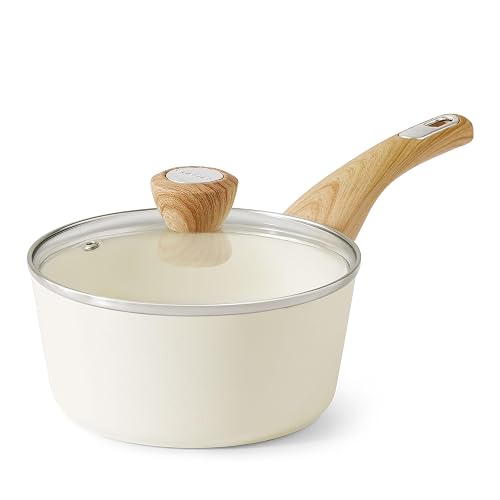
SENSARTE Ceramic Nonstick Sauce Pan 1.5 Quart

SENSARTE Ceramic Nonstick Sauce Pan 1.5 Quart

SENSARTE Nonstick Sauce Pan 1.5 Quart
HooJay Nonstick Saucepan Set 1Qt and 2Qt
RATWIA Nonstick Saucepan Set 1 Quart and 2 Quart
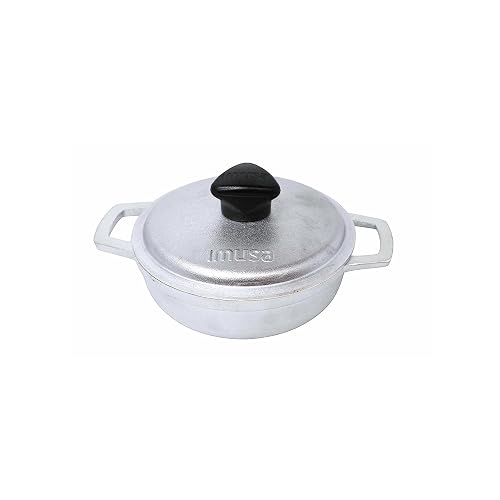
IMUSA 0.5Qt Mini Cast Aluminum Caldero Set
More Details On Our Top Picks
A 1.5-quart saucepan like this fits the kind of cooking that happens in a hurry, small batches of sauce, reheated soup, or a quick pan of grains. The ceramic nonstick surface keeps cleanup straightforward, while the stay-cool handle matters on a crowded stovetop where space and comfort both count.
The trade-off is simple, ceramic nonstick usually asks for gentler utensils and a little more care than bare metal. For compact apartments, dorm kitchens, or anyone who reaches for a small pot several times a day, that balance makes sense. Compared with the HooJay set, this is the more focused single-pot option.
Strong Points
- Ceramic nonstick helps reduce stuck-on residue after everyday sauces.
- 1.5-quart capacity suits solo meals and side dishes.
- Stay-cool handle improves comfort during short stovetop tasks.
- Induction compatibility widens stovetop use.
Small Caveats
- Single-pot format gives less flexibility than a full set.
- Ceramic surfaces usually reward lighter utensils and careful cleaning.
- White cookware can show discoloration more easily over time.
Feature Snapshot
Who It Suits Best
Home cooks who want a compact, easy-to-manage saucepan for sauces and reheating stand to get the most from this pick.
A Better Fit Elsewhere
RATWIA Nonstick Saucepan Set 1 Quart and 2 Quart suits households that want both a smaller and a slightly roomier pan in one purchase.
This version keeps the same compact 1.5-quart footprint, but the source data points to multiple capacity pairings, which makes it more flexible for kitchens that want choices rather than a single size. That matters in a busy home where oatmeal in the morning and sauce at dinner often call for different volumes.
The ceramic nonstick build brings the same easy-release appeal as the first SENSARTE pick, though the real advantage here is range. Compared with Item 1, this one leans toward households that want a more adaptable purchase path, while still keeping the footprint small enough for tight storage.
What We Like
- Multiple capacity pairings create more size flexibility.
- Small-pot format still suits compact kitchens.
- Ceramic nonstick keeps routine cleanup manageable.
- Stay-cool handle supports quick grab-and-go use.
Areas To Watch
- Capacity options can make the listing feel less straightforward at first glance.
- Exact size choice matters, since small saucepans vary a lot in daily usefulness.
- Like most ceramic surfaces, it benefits from careful utensil selection.
Details At A Glance
Built With In Mind
Small households that want one product family with more than one size path are the strongest fit here.
Swap It Out When
SENSARTE Ceramic Nonstick Sauce Pan 1.5 Quart in Item 1 suits anyone who wants a simpler single-pot choice instead of a size range.
Compared with the ceramic pair above, this version uses a straightforward nonstick finish and keeps the same 1.5-quart size. That gives it a more conventional feel for cooks who want simple sauce work, quick reheats, and less fuss at cleanup time.
The induction-compatible build broadens where it can live, and the multipurpose label fits the way small pots get used in real kitchens, not just for sauce. The honest read is that this one is less about standout styling and more about being an easy, dependable task pan.
Upsides
- Plain nonstick surface supports quick cleanup.
- 1.5-quart size handles compact portions well.
- Multipurpose shape suits sauces, soups, and reheats.
- Induction compatibility adds stovetop flexibility.
Points To Note
- Less specialized than some ceramic-coated alternatives.
- Single-pan format may feel narrow for larger households.
- Like most nonstick cookware, hard utensils are a poor match for long-term care.
Core Details
Who Will Love This
Busy kitchens that need a compact task pan for repeat use are the strongest match.
Where A Sibling Pick Shines
SENSARTE Ceramic Nonstick Sauce Pan 1.5 Quart in Item 1 suits cooks who prefer the softer feel of a ceramic cooking surface.
The HooJay set shifts the conversation from a single saucepan to two useful sizes, 1 quart and 2 quarts. That split works well in homes where one pan handles butter or a quick reheat and the other steps in for soup, vegetables, or a modest noodle batch.
Glass lids add visibility without lifting, which helps in a shared kitchen where timing matters. The trade-off is that the 1-quart pan is not suited to induction, so stove compatibility deserves a close look before it lands in the cart.
Best Bits
- Two-pot set covers both tight and slightly larger portions.
- Glass lids let food stay covered while remaining visible.
- Aluminum alloy body supports everyday stovetop use.
- Multi-layer nonstick interior aims to simplify release and cleanup.
Worth Noting
- The 1-quart pan is not induction-safe.
- Set format takes more cabinet space than a single saucepan.
- Nonstick care still favors soft sponges and careful utensil choice.
Feature Rundown
Whose Shelf It Belongs On
Households that cook side dishes and sauces often will get the most from the two-size layout.
Reach For A Different Pick When
IMUSA 0.5Qt Mini Cast Aluminum Traditional Caldero Set suits cooks who want a far smaller pot for single servings and tapas-style portions.
RATWIA follows the same 1-quart and 2-quart structure as the HooJay set, but the source details add a heat-insulated handle and more explicit care guidance. That makes the set feel especially practical for cooks who want a little more control in routine use, not just two pan sizes.
The tempered glass lid helps keep an eye on simmering food, and the multi-layer nonstick interior is aimed at easier food release. The catch is that this kind of coating still asks for soft tools and a bit of attention during washing, so long-term convenience depends on gentle upkeep.
Highlights
- Heat-insulated handle improves carrying comfort.
- Tempered glass lid supports covered cooking with visibility.
- Two-size set gives more day-to-day flexibility.
- Multi-layer nonstick surface helps with quick cleanup.
- Advice for soft utensils fits practical long-term care.
Softer Spots
- The 1-quart pan is not induction-compatible.
- Nonstick care still requires attention to utensil choice.
- Cool-down before washing adds a bit of routine discipline.
Spec Overview
The Right Fit
Cooks who want a small saucepan set with a few comfort-oriented touches will find this layout appealing.
Look Elsewhere When
HooJay Nonstick Saucepan Set 1Qt and 2Qt suits anyone who wants a similar two-pan setup with slightly less emphasis on handled comfort features.
The IMUSA caldero sits at the smallest end of the group, and that size is the whole point. A 0.5-quart pot suits single servings, reheated portions, eggs, or the kind of side dish that only needs a little room to move.
Cast aluminum gives it a traditional feel, while the lid helps keep a compact portion covered. Compared with the 1-quart and 2-quart sets above, this is the most specialized choice, which makes it a strong fit for small kitchens that value a very small footprint.
Reasons To Buy
- 0.5-quart size is well suited to single servings.
- Compact footprint helps in very tight kitchens.
- Cast aluminum build supports traditional caldero cooking.
- Included lid adds coverage for short simmering jobs.
Minor Gripes
- Very small capacity limits broader meal prep.
- Specialized size is less versatile than the 1-quart and 2-quart sets.
- Traditional form may not suit cooks who want a modern nonstick surface.
Technical Sheet
Best Suited To
Apartment cooks, tapas fans, and anyone making very small servings will get the most from this tiny caldero.
Another Choice May Suit
RATWIA Nonstick Saucepan Set 1 Quart and 2 Quart fits cooks who need more portion flexibility and a broader everyday range.
How To Choose The Right small pots for cooking
Size First, Then Shape
Capacity decides almost everything in this category. A 0.5-quart caldero works for a single egg dish or a small side, while 1.5 quarts fits sauces, oatmeal, and reheats with less overflow risk.
Shape matters next, since a deeper pot can simmer more comfortably than a wide, shallow one. That detail becomes obvious in a small kitchen where burner space is already tight.
Surface Material And Cleanup
Ceramic nonstick usually brings easier release and faster washing, though it rewards gentler care. Conventional nonstick does a similar job with a more familiar feel, and both suit cooks who want less scrubbing after a weekday meal.
Cast aluminum has a different appeal, more old-school, less polished, and often better for cooks who value a traditional pot shape. The trade-off is that it leans less toward low-maintenance convenience than coated surfaces.
Lid And Handle Details
A glass lid helps keep simmering food visible, which is handy in a busy kitchen. A lid also matters for heat retention, since small pots can lose warmth quickly once uncovered.
Handle comfort sounds minor until a pot gets used every day. Stay-cool or insulated handles matter most on short, repeated tasks where quick lifting and pouring are part of the routine.
Cooktop Compatibility
Induction compatibility deserves a close look, since not every small pot supports it. That is especially true with mixed sets, where one pan may work and another may not.
Gas and electric users usually have more flexibility, but the safest choice is still the pot that matches the stove already in place. The right fit saves hassle later.
What To Weigh Before You Decide
Common Shopping Slip Ups
A frequent mistake is choosing a tiny pan that looks handy but holds too little for real use. Another is ignoring cooktop compatibility, especially with induction kitchens and mixed pan sets.
Material care gets missed too. Ceramic and standard nonstick both need gentler utensils than bare metal, and that practical detail shapes how long the surface stays pleasant to use.
The Upgrade Payoff
More expensive models often bring better lid fit, stronger handle design, or a more refined coating system. Those touches matter most in kitchens where the pot comes out several times a week, not just now and then.
Spending up can also make sense for shoppers who want multiple size options in one set. The extra cost usually buys convenience, not magic, so the value comes from how often the extra features get used.
Final Thoughts
Small pots for cooking work best when the size matches the job, not the other way around. The SENSARTE options suit cooks who want compact, easy-release saucepans, while the HooJay and RATWIA sets cover households that need two sizes. IMUSA’s tiny caldero stays specialized, but that specialization is exactly why it fits so well. A short list, a clear use case, and the right stove match usually make the decision straightforward.
