

Kitchen sink reverse osmosis systems make more sense than ever for homes that want better-tasting water without juggling pitcher refills. You’ll see a mix of under-sink tanks, tankless units, and countertop picks here, so you can match the setup to your cabinet space and daily routine. Some options lean toward fast flow, others toward easier installation, and a few are better suited to small kitchens or renters. The right choice depends on how much room you have, how often you fill glasses, and whether you want a fixed system or a countertop setup.
Quick Look At The Shortlist

NU Aqua 5-Stage Under Sink Reverse Osmosis Water Filter System 100 GPD RO

WINGSOL Reverse Osmosis Water Filter Mineral Alkaline UV Tankless RO System

Waterdrop G5P500A Reverse Osmosis System 8-Stage RO Filtration
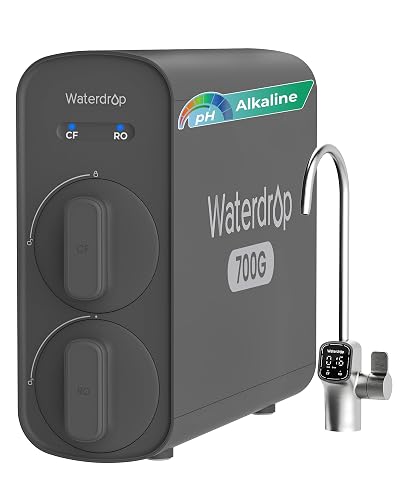
Waterdrop G5P700A Alkaline Mineral Reverse Osmosis Water Filter 700 GPD

DREO Reverse Osmosis Water Filter Countertop RO Filtration System

DREO Reverse Osmosis Water Filter Countertop RO Filtration System 2 Autofill Pitchers

Waterdrop T4-A Alkaline Mineral Tankless Reverse Osmosis System Dual Flow

APEC Water ROES-50X 5-Stage Under Sink RO System
More Details On Our Top Picks
This NU Aqua setup suits a household that wants a fixed under-sink system with a faucet and tank in the box. The 100 GPD rating means gallons per day, so the appeal is steadier output for cooking, drinking, and refill-heavy kitchens rather than a tiny backup unit.
The included PPM meter gives you a simple read on total dissolved solids, which helps you keep an eye on water quality trends. Compared with the countertop DREO picks, this one fits better for permanent installation and a more traditional sink-side layout.
Strong Points
- 100 GPD output supports frequent glass filling and cooking tasks.
- Tank and faucet are included, which simplifies the shopping list.
- PPM meter adds a practical way to monitor water changes.
- Under-sink format keeps the counter clear.
Things To Consider
- Cabinet space matters, because a tanked system takes more room than a countertop unit.
- Installation is easier than many plumbed systems, yet it still asks for basic under-sink planning.
- Tank systems usually need a bit more room for maintenance access.
Feature Snapshot
Who It Suits Best
You’re a solid match for this one if you want an under-sink RO setup for a family kitchen and prefer a straightforward, all-in-one starter package.
A Better Fit Elsewhere
Waterdrop G5P700A Alkaline Mineral Reverse Osmosis Water Filter suits you better if your sink gets constant use and you want faster flow with a tankless layout.
WINGSOL is built for people who want a compact under-sink system without giving up extra treatment steps. The tankless layout matters in tighter cabinets, and the plug-in requirement means you need a nearby outlet, so this is a better fit for organized sink areas than cramped, outlet-free corners.
The mineral alkaline approach, UV stage, and 12-layer filtration make this the most feature-heavy pick in the group. Compared with the simpler NU Aqua system, it leans harder into layered treatment, though that also means more parts to think about during setup and filter changes.
Highlights
- Tankless form factor saves cabinet room.
- Mineral alkaline treatment appeals to people who want a more layered water path.
- UV stage adds another step in the filtration stack.
- 12-layer system gives this model a very detailed treatment profile.
- Plug-in design keeps the flow more appliance-like than manual countertop units.
Points To Note
- You need access to power, so placement matters more than with non-powered picks.
- More filtration stages usually mean more upkeep attention over time.
- The system depth can feel a little busy for minimalist sink cabinets.
Core Details
Whose Shelf It Belongs On
You’ll get the most from this system if your kitchen has power nearby and you want a more advanced under-sink setup in a compact footprint.
Where A Sibling Pick Shines
APEC Water ROES-50X fits better for you if you want a simpler, more traditional under-sink layout without the extra powered feature set.
This Waterdrop model sits in a useful middle ground for kitchen sinks that get daily use but not commercial-level demand. The 500 GPD output, or gallons per day, is a practical match for households that want faster dispensing than entry-tier systems without jumping to the fastest unit in the lineup.
The 2:1 pure-to-drain ratio is an efficiency figure, and lower waste is a real ownership plus for people who pay attention to how much water the system sends down the drain. Compared with the WINGSOL pick, this one feels less packed with extra features and a bit easier to read as a straightforward performance-first option.
Best Bits
- 500 GPD output supports quick fills for cooking and drinking.
- 2:1 pure-to-drain ratio helps keep waste in check.
- Alkaline mineral treatment adds a more rounded water profile.
- Tankless construction works well in tighter under-sink spaces.
Areas To Watch
- Powered tankless systems need a thoughtful installation plan.
- The faster flow can still feel less compact than a countertop purifier.
- Filter changes are more hands-on than with a pitcher, which is just part of this class.
Quick Facts
Who Will Love This
This is a smart fit for households that want a faster under-sink RO system with efficiency-minded operation and a clean, tankless footprint.
Another Choice May Suit
DREO Reverse Osmosis Water Filter Countertop RO Filtration System suits you better if you’d rather skip cabinet work and keep the purifier on the counter.
Waterdrop’s 700 GPD model is the one to notice when you care most about output speed. GPD means gallons per day, and the higher number matters in homes where multiple people refill bottles, cook often, and do not want to wait around for the system to catch up.
The smart LED faucet adds a more modern touch than the NU Aqua unit or the simpler countertop DREO models. The trade-off is that you’re leaning harder into a powered, more involved under-sink setup, so this makes the most sense in a kitchen that’s already planned around a permanent purifier.
Positives
- 700 GPD output is built for quick turnaround.
- Smart LED faucet gives you clearer feedback at the sink.
- Tankless design keeps the cabinet area less crowded than tanked systems.
- Alkaline mineral treatment offers a more layered water profile.
- 2:1 pure-to-drain ratio helps the system stay efficiency-minded.
Small Caveats
- Power dependence means placement and installation planning matter.
- The added faucet tech can make the setup feel less simple than basic under-sink units.
- High-output systems usually deserve regular filter attention, which is normal for this category.
Details At A Glance
Best Suited To
You’re the right match for this one if your kitchen sees heavy daily use and you want the fastest sink-side flow in this lineup.
Look Elsewhere When
APEC Water ROES-50X works better for you if you want a more traditional under-sink system with a simpler profile and less emphasis on speed.
This DREO countertop unit makes sense for kitchens that can’t spare cabinet space or for households that want a purifier without plumbing work. The install-free setup is the big draw, and that alone puts it in a different lane from the under-sink Waterdrop and APEC models.
The autofill pitcher is useful in a busy home because it lets you keep water ready without hovering by the machine. The 3:1 pure-to-drain ratio is less aggressive than the best tankless under-sink ratios in this list, so the trade-off is easier placement rather than the most efficient water path.
Upsides
- Countertop placement avoids under-sink clutter.
- Install-free design suits renters and temporary setups.
- Autofill pitcher makes everyday filling simpler.
- Self-cleaning function lowers the amount of routine fuss.
- TDS display and filter-life tracking help you stay organized.
Room For Improvement
- Countertop footprint still needs open space near the sink.
- 3:1 pure-to-drain is not the leanest ratio in this lineup.
- It’s a countertop appliance, so the look is more visible than a hidden under-sink unit.
Technical Sheet
Who Should Grab It
This fits you well if you want reverse osmosis water on the counter, with no cabinet work and a simpler ownership routine.
Swap It Out When
WINGSOL Reverse Osmosis Water Filter Mineral Alkaline UV Tankless RO System suits you better if you want a hidden under-sink setup with more filtration layers.
This DREO version keeps the same install-free countertop format, but the dual pitcher setup changes how you’d use it day to day. Families that refill bottles, make tea, or keep several glasses going at once may find the two pitchers more convenient than the single-pitcher model.
Compared with Item 5, the feel here is less about simplicity and more about sharing filtered water across a busier kitchen. The self-cleaning feature still helps with maintenance, and the built-in TDS and filter-life indicators keep the routine easier to follow.
Bright Spots
- Two autofill pitchers make water access easier for multiple people.
- Countertop placement keeps installation off your list.
- Self-cleaning design supports easier upkeep.
- TDS and filter-life readouts help you keep track of use.
Worth Noting
- The countertop footprint still needs a dedicated spot near the sink.
- Dual pitchers add convenience, but they also add more pieces to store and handle.
- The 3:1 ratio is practical, though not the leanest in the roundup.
Feature Rundown
Right Fit For
You’ll like this model most if your household shares filtered water often and you want a countertop RO setup with a little more convenience built in.
Where Another Pick Fits Better
DREO Reverse Osmosis Water Filter Countertop RO Filtration System with one autofill pitcher suits you better if you want the simpler version with fewer pieces to manage.
The T4-A brings a more polished tankless layout than the older tanked NU Aqua and APEC styles. Dual flow matters in real kitchens because it helps the system keep pace during cooking, bottle fills, and quick sink-side refills without making the design feel bulky.
The 10-stage filtration stack and alkaline mineral approach put it near the feature-rich end of the group, though it still stays cleaner-looking than a countertop unit. You may find the plug-in requirement worth the trade if your cabinet already has power nearby and you want a tidier hidden system.
Reasons To Buy
- Dual flow supports quicker access at the sink.
- Tankless design keeps cabinet storage more open.
- 10-stage filtration gives the water a detailed treatment path.
- Alkaline mineral setup adds another layer of processing.
- BPA-free construction is a useful material note for kitchen use.
Minor Gripes
- Powered operation means placement planning matters.
- The feature set is richer, so setup may feel less basic than entry-level under-sink units.
- Cabinet organization matters more when the system depends on both water lines and power.
At A Glance
The Right Fit
This is a strong match for kitchens that want a hidden, modern RO system with a refined cabinet footprint and quick everyday dispensing.
Another Choice May Suit
Waterdrop G5P700A Alkaline Mineral Reverse Osmosis Water Filter suits you better if maximum flow speed matters more than the extra balance of the T4-A.
APEC takes a more traditional path than the tankless Waterdrop models, and that familiar layout is part of its appeal. The 50 GPD output is modest by modern standards, so it suits you best when steady everyday filtration matters more than fast sink-side dispensing.
The extra-capacity pre-filter set is useful because stage 1 through 3 are where a lot of routine protection and maintenance attention tends to sit. Compared with the higher-output picks, this one feels like a slower but very straightforward under-sink system for homes that want a proven-style setup.
Positives
- Traditional under-sink format is easy to understand at a glance.
- Extra-capacity pre-filter set supports a more substantial front end.
- 50 GPD output is enough for steady home water use.
- Included filter set gives you a fuller starting package.
Points To Note
- 50 GPD is slower than the tankless Waterdrop picks.
- Cabinet space is still needed for the full under-sink layout.
- The system feels more traditional than feature-packed, which is fine for some kitchens and less exciting for others.
Core Details
Built With In Mind
You’re a good match for this one if you want a familiar under-sink RO system and don’t mind a slower, more classic setup.
Where A Sibling Pick Shines
Waterdrop G5P500A Reverse Osmosis System fits better if you want a tankless model with a noticeably quicker flow for regular kitchen use.
How To Choose The Right reverse osmosis filters for kitchen sink
Match The Layout To Your Kitchen
Start with where the system will live. Under-sink units keep the counter open, while countertop models like the DREO options are easier for renters or kitchens where cabinet drilling feels like too much trouble.
Tankless systems usually save more space than tanked ones, but they often depend on power and a cleaner cabinet layout. APU? No, keep it simple: measure the sink base, check for an outlet, then decide whether you want the purifier hidden or visible.
Think About Flow, Not Just Filtration
GPD, or gallons per day, gives you a quick sense of output capacity. A 700 GPD model like Waterdrop G5P700A suits a busy household much better than a 50 GPD system such as APEC ROES-50X, especially when everyone wants water at the same time.
Flow also affects patience at the sink. Faster units feel smoother for cooking and bottle filling, while slower ones can still work well for smaller households that only need a steady trickle of filtered water.
Look Closely At Waste Water And Maintenance
The pure-to-drain ratio tells you how much water becomes purified output compared with drain water. A 2:1 ratio is leaner than 3:1, and that matters over months of daily use more than it does in the first week.
Maintenance is easier to live with when filter changes are clear and the system gives you status cues, like TDS or filter-life displays. That kind of feedback helps you avoid guessing, which is useful in a real kitchen where the next meal is already waiting.
Choose Extra Features With A Purpose
Mineral, alkaline, UV, and smart-faucet features all add cost and complexity, so they make sense only when you’ll use them. A household that wants cleaner countertop visuals may love a tankless design, while someone who wants the simplest routine may prefer a plainer under-sink system.
Think about your actual habits. Daily cooking, tea, baby bottles, or multiple water bottles each morning all point toward a faster, more organized setup, while occasional use is easier to cover with a simpler model.
Things Worth Knowing First
Wrong Turns To Avoid
Don’t let the stage count distract you from cabinet space and installation needs. A feature-heavy system can still feel awkward in a cramped sink base, and a countertop unit can be annoying if your counters are already crowded.
Another common miss is choosing output that sounds impressive but doesn’t match your routine. A big household needs more flow than a solo apartment kitchen, and the right fit usually feels obvious once you picture morning use.
Where The Extra Money Goes
Higher-tier models usually spend the difference on faster output, tankless packaging, smarter faucets, and extra treatment stages. That’s why Waterdrop’s faster systems and WINGSOL’s more layered filtration sit above the basic APEC-style approach.
The upgrade pays off when your kitchen gets heavy daily use or you want a cleaner cabinet layout. For lighter use, a more modest system often makes more sense and keeps the whole setup easier to live with.
Frequently Asked Questions
What size reverse osmosis system works best under a kitchen sink?
The best size depends on cabinet room, outlet access, and how many people use the sink daily. Tankless models save space, while tanked systems can be simpler to understand.
Is a countertop RO system a good fit for renters?
Yes, countertop units are useful when you want to avoid under-sink installation. They also work well in kitchens where plumbing changes are off the table.
What does GPD mean on an RO system?
GPD means gallons per day, a measure of output capacity. Higher numbers usually mean faster dispensing for cooking and filling bottles.
Do mineral or alkaline stages change how the water feels to use?
They add extra treatment steps that many households like for a fuller water profile. The main practical difference is the extra layer of filtration and the added system complexity.
Why do some RO systems need power?
Powered systems often use pumps, status displays, or extra treatment features. That can improve convenience, but it also means you need an outlet near the install spot.
Closing Thoughts
The right reverse osmosis filters for kitchen sink are the ones that fit your space as cleanly as they fit your routine. A fast under-sink model suits a busy home, a countertop unit suits a renter or small kitchen, and a classic system suits someone who wants plain, steady filtration without much fuss. You don’t need the most feature-heavy option to end up satisfied. You need the one that matches how your kitchen actually works.
