

Rectangle pans for stove earn their keep when you want more usable surface than a round skillet can offer. That matters in a busy kitchen, on a flat cooktop, or on a grill setup where longer pieces of food need room to sit in one layer. The seven picks below span cast iron, hard-anodized ceramic nonstick, tamagoyaki pans, and bakeware-style oblong pans, so you can match shape and finish to the way you cook.
Some are built for searing and browning, others lean toward delicate eggs or oven-to-table use. The honest read is that shape alone is not enough, material and handle design matter just as much.
Quick Look At Our Shortlist

GGC Cast Iron Reversible Griddle
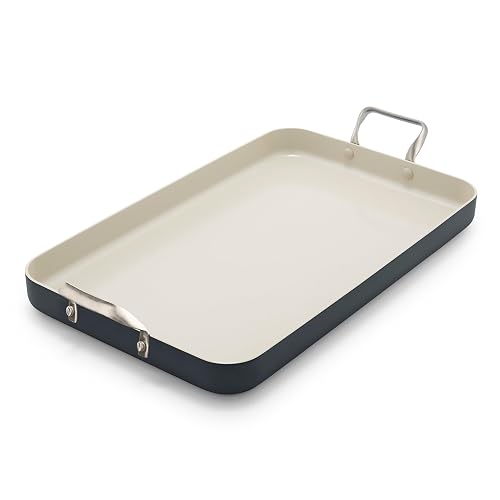
GreenPan 18″ x 11″ Double Burner Griddle Pan
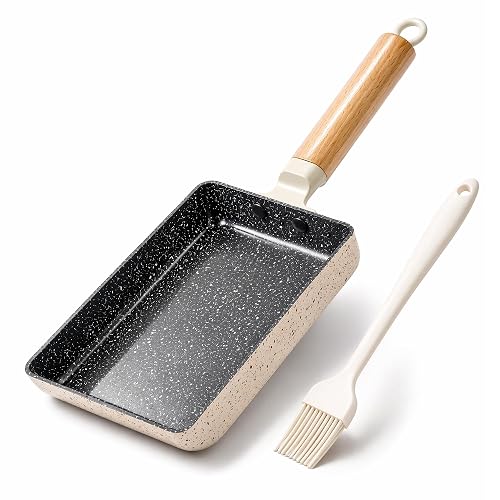
Ceramic Coating Square Japanese Tamagoyaki Omelette Small Skillet

Ceramic Tamagoyaki Pan, Square Egg Frying Pan


Lodge Pre-Seasoned Cast Iron Rectangular Griddle
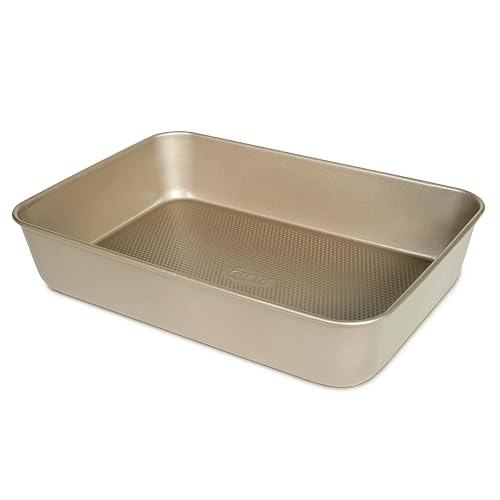
Glad Baking Pan Nonstick
More Details On Our Top Picks
Cast iron changes the pace of a stove setup, and this GGC piece leans hard into that trait. The flat side gives you a broad cooking field, while the ribbed side adds a different surface for foods that benefit from raised contact lines. At 17 by 9 inches, it suits a larger burner span or a grill station where extra length matters.
That size makes it a strong fit for weekend breakfasts, burger batches, or outdoor cooking where you want one pan that can stay put. The trade-off is plain cast iron upkeep, since seasoning and drying matter more here than they do with coated pans like the GreenPan.
Reasons To Buy
- Reversible cooking surface gives you two distinct textures in one piece.
- The long rectangle shape handles several items without crowding.
- Cast iron holds heat steadily, which helps when you load the surface with food.
- Works across stove tops and gas grills, so it fits indoor and outdoor routines.
Points To Note
- Cast iron needs routine care, including drying and a light oil finish after washing.
- Weight is part of the package, so storage and lifting take more effort than with lighter pans.
- The size feels best on burners or grills with enough span to support it well.
Feature Rundown
Who It Suits Best
You fit this best when you want a tough, versatile griddle for stove top meals, patio cooking, or gas grill use.
A Better Fit Elsewhere
GreenPan 18″ x 11″ Double Burner Griddle Pan suits cooks who want a lighter nonstick surface for frequent indoor use and easier cleanup.
This GreenPan leans into broad stovetop coverage, which matters when you cook pancakes, sandwiches, or multiple portions at once. Hard-anodized aluminum means the base is treated for extra surface hardness, so it usually feels more refined than plain stamped metal. Stainless steel handles also make the shape easier to manage when the pan is full.
Compared with the GGC cast-iron griddle, this one is the easier daily carry, and the ceramic nonstick surface should appeal to you if cleanup speed matters. The trade-off is that coated cookware asks for gentler utensils and a bit more care to keep the finish in good shape.
What We Like
- The 18 by 11 inch footprint spans two burners, so it can support family-size cooking.
- Ceramic nonstick gives food a slicker release path and usually cuts down on scrubbing.
- Hard-anodized construction adds a firmer feel than thinner aluminum pans.
- Stainless steel handles improve grip when you move it from burner to counter.
- Dishwasher-safe labeling makes cleanup simpler for hectic weeknights.
Softer Spots
- Coated surfaces reward careful handling, especially around metal utensils.
- The wide span needs a cooktop with enough burner coverage for even heating.
- It is less suited to rough outdoor use than the cast-iron GGC or Lodge options.
Details At A Glance
Built With In Mind
You fit this best if you cook often on a standard home range and want a wide pan that feels manageable after dinner.
Skip It When
Lodge Pre-Seasoned Cast Iron Rectangular Griddle is the stronger match for heavy searing, outdoor heat, and a more rugged feel.
This LISOS pan sits in the narrow lane between everyday frying pans and dedicated tamagoyaki tools. Its ceramic interior coating is the main attraction, because eggs and thin omelets tend to slide more cleanly from a slick surface than from bare metal. The wood handle also gives the pan a warmer, more traditional feel in the hand.
You will appreciate the small footprint in a compact kitchen or for single-portion breakfasts. The honest trade-off is capacity, since this style is meant for controlled rolls and careful layering rather than big, crowded batches like the GreenPan.
Bright Spots
- Ceramic coating helps delicate eggs release with less sticking.
- The small rectangular shape supports tidy tamagoyaki rolls.
- Wood handle brings a comfortable grip and a classic finish.
- Its size suits quick solo meals and side dishes.
Areas To Watch
- The small surface is not meant for high-volume cooking.
- Ceramic-coated cookware usually needs gentler utensils and careful washing.
- The compact size may feel limiting for families or larger portions.
Core Details
Who Will Love This
You fit this best if you cook tamagoyaki, rolled omelets, or small egg dishes and want a pan that stays compact on the stove.
Where A Sibling Pick Shines
GreenPan 18" x 11" Double Burner Griddle Pan suits cooks who need more surface for family breakfasts and mixed stovetop jobs.
This LISOS version keeps the focus tight, and that is the point. A square tamagoyaki pan gives you cleaner folds than a round skillet, especially when you are learning the rhythm of thin layers and careful turns. The included silicone brush adds a small but useful helper for oiling or coating the cooking surface.
Compared with the previous LISOS skillet, this one leans more toward a simple starter setup than a pure compact backup pan. In most kitchens, that makes it a solid match for cooks who want one dedicated pan for egg rolls rather than a larger all-purpose griddle.
Standout Traits
- Square shape gives you better control over rolled omelets.
- Ceramic surface is aimed at easier release during delicate cooking.
- Silicone brush adds convenience for oiling the pan evenly.
- The format suits Japanese and Korean egg dishes without taking much space.
Small Caveats
- Single-purpose shape makes it less flexible than a larger griddle.
- Coated cookware usually benefits from gentler care and low-abrasion tools.
- The small body is better for portions than for volume.
Feature Snapshot
Perfect Match For
You fit this best if you want a focused egg pan and value a straightforward setup for repeated breakfast use.
Look Elsewhere When
Lodge Pre-Seasoned Cast Iron Rectangular Griddle suits you better when you want broad heat retention and a much larger cooking field.
This DXBVIEX set shifts the conversation from a single pan to a more complete tamagoyaki setup. The included lid matters because it broadens what you can do beyond a bare pan, especially when you want a covered cooking environment for certain dishes. The 7 by 5 inch size keeps it compact, so it still belongs in smaller kitchens.
Compared with the two LISOS pans, this set makes more sense for someone building a starter collection instead of replacing one existing skillet. The trade-off is that sets can add pieces you may not use often, so storage and drawer space deserve a quick look before you commit.
Upsides
- The lid adds more flexibility than a single pan alone.
- Small 7 by 5 inch footprint works well for tidy egg batches.
- The set format suits a starter kitchen or a gift setup.
- Nonstick surface should help with easier release and quicker cleanup.
- Grey finish gives it a simple, understated look.
Worth Noting
- A multi-piece set can take more cabinet room than one pan.
- Small size limits how much you can cook at once.
- Some pieces in a set may go unused depending on your routine.
At A Glance
Whose Shelf It Belongs On
You fit this best if you want a small tamagoyaki set with a lid and plan to use it as a dedicated egg-making station.
Swap It Out When
GreenPan 18" x 11" Double Burner Griddle Pan suits you more when you need broad stovetop coverage for family meals instead of a compact kit.
Lodge keeps this one simple: a large cast-iron rectangle with pre-seasoned iron ready for stove work and table service. Pre-seasoned means the surface arrives with a protective oil treatment already in place, so you do not start from a bare pan. That makes it appealing for cooks who want a traditional surface without a long setup ritual.
Relative to the GGC griddle, this Lodge model feels more like a big anchor piece for regular home use and serving. The size is generous enough for a serious breakfast spread or a platter-style presentation, though the weight is exactly what you would expect from cast iron.
Plus Points
- Large rectangular surface suits breakfast service, searing, and platter use.
- Pre-seasoned finish saves you from starting with bare iron.
- Cast iron builds and holds heat well for steady cooking.
- Works as both a cooking surface and a serving piece.
Areas To Watch
- Heavier than coated or aluminum pans, so moving it takes more effort.
- Cast iron care matters, especially after washing and drying.
- The wide body needs enough burner support to heat evenly.
Quick Facts
Who Should Grab It
You fit this best if you want a sturdy rectangular griddle for stove cooking and serving at the table.
Another Choice May Suit
GreenPan 18" x 11" Double Burner Griddle Pan is the easier match for cooks who want a lighter, coated pan for daily indoor use.
This Glad oblong pan moves the list beyond stove-top griddles and into oven-ready rectangle cookware. Heavy-duty carbon steel gives the piece a sturdier feel than thin bakeware, and the nonstick finish should help cakes or lasagna release more cleanly. For weeknight casseroles, that shape is practical in a way round pans rarely are.
Compared with the Lodge serving griddle, this one belongs more in the baking lane than the searing lane. That makes it a sensible pick for cooks who want a rectangular dish that can handle oven work and still feel everyday-use friendly.
Best Bits
- Oblong shape is well suited to cake, lasagna, and casserole recipes.
- Carbon steel gives the pan a tougher feel than light bakeware.
- Nonstick finish helps with easier release and faster cleanup.
- Large body supports family-style oven meals.
Minor Gripes
- It is a bakeware piece, so it does not replace a true stove griddle.
- Carbon steel usually rewards reasonable care to keep the surface looking good.
- The size may be more pan than single-portion cooking calls for.
Feature Card
The Right Fit
You fit this best if your rectangle pan needs lean toward oven baking rather than stove-top searing.
Reach For A Different Pick When
GGC Cast Iron Reversible Griddle is the better match for direct stove heat, grill use, and a reversible cooking surface.
How To Choose The Right rectangle pans for stove
Material Sets The Mood
Cast iron suits you when heat retention matters more than easy lifting. It holds temperature well, which helps with searing, browning, and grill use, but it also asks for more care after washing.
Hard-anodized aluminum with a ceramic nonstick finish is the middle ground for many home kitchens. It keeps weight down, usually cleans up faster, and feels friendlier for everyday breakfast work, though the coating asks for gentler treatment.
Size Should Match The Burner, Not The Wish List
A rectangle pan can look useful on paper and still be awkward on a small cooktop. Measure the burner span, then think about how much food you actually cook at once, because a wide pan only helps when the heat source supports it.
Single-portion tamagoyaki pans serve a very different role from double-burner griddles. One is for careful folds and smaller batches, the other is for pancakes, sandwiches, or a family breakfast line.
Handles, Weight, And Cleanup Change The Daily Experience
Steel handles, wood handles, and bare cast-iron grips each change how the pan feels in hand. A cooler, sturdier handle is helpful when you move a full pan to the counter, while lighter builds suit cooks who carry cookware often.
Cleanup habits matter just as much. Nonstick and ceramic-coated pans usually shorten the scrubbing step, while cast iron rewards a slower routine with better long-term use.
Match The Pan To The Job
Some rectangle pans for stove work are really griddles, others are egg pans, and a few sit closer to bakeware. That difference shapes everything from heat distribution to serving style, so the right pick depends on whether you cook breakfast, grill, or bake most often.
For most home cooks, the safest choice is the pan that fits the most common meal in your week, not the most dramatic one. That keeps the tool useful instead of living in the cabinet.
Things Worth Knowing First
Common Shopping Slip Ups
Many people focus on the rectangle shape and ignore the surface finish. That leads to a pan that looks right but behaves wrong for the food you cook most.
Another common miss is buying a wide griddle without checking burner coverage. A pan that overhangs too much can leave the center doing the work while the edges lag behind.
What The Higher Tier Buys
Higher-priced rectangle pans usually spend more on material quality, handle design, and finish consistency. Those touches matter most when you use the pan often and want it to feel steady after months of kitchen duty.
The upgrade makes sense for cooks who want broader surfaces, stronger heat behavior, or easier cleanup. For occasional egg rolls, a simpler pan is usually enough.
Frequently Asked Questions
Are rectangle pans for stove better than round skillets?
They give you more straight-edged cooking space, which helps with sandwiches, pancakes, rolled eggs, and layered dishes. Round skillets still work well for general frying, so the right choice depends on the food.
Which material works best for daily cooking?
Hard-anodized aluminum with a ceramic nonstick finish suits most everyday stovetop use because it is lighter and easier to clean. Cast iron is better when heat retention matters more than quick handling.
Do tamagoyaki pans work for anything besides omelets?
Yes, they also suit thin crepes, rolled egg dishes, and small portions that benefit from a narrow surface. Their small size makes them less useful for large batches.
How much care does cast iron need?
It needs drying after washing and a light protective oil layer to keep the surface in good shape. That routine is straightforward, but it does take more attention than coated cookware.
What size makes sense for a busy family kitchen?
A double-burner griddle is the most practical starting point for bigger breakfasts and shared meals. Smaller tamagoyaki pans make more sense for specialty egg work or solo cooking.
Closing Thoughts
The right rectangle pans for stove feel less like novelty cookware and more like tools with a clear job. Cast iron brings staying power, ceramic-coated pans bring easier cleanup, and tamagoyaki pans make rolled eggs feel controlled instead of fussy. Choose the size that fits your burner space, then match the surface to the way you cook most often. That keeps the pan useful long after the first meal.
