

Plastic containers for water have to do more than hold liquid. Family kitchens, camping setups, emergency storage, and party tables all ask for different shapes, lids, and handling features, so the right choice depends on where the container will live and how often it gets moved. The six picks below cover dispenser-style containers, collapsible jugs, and heavier-duty carboys, with clear trade-offs in portability, storage, and cleanup.
Quick Look At Our Top Picks

Lifewit 1 Gallon Drink Dispenser with Leak-Proof Spigot

CoreMuse Camping Water Container 2 Gallon Collapsible Jug

CoreMuse Camping Water Container 2 Gallon Collapsible Jug
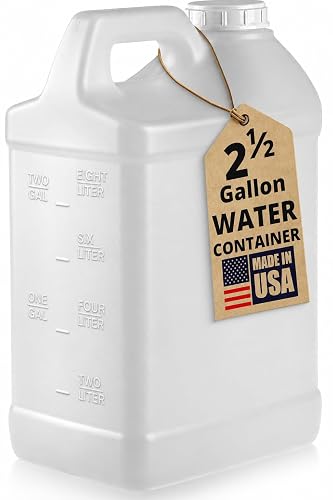
kitchentoolz 2.5 Gallon Water Jug & Used Oil Container

kitchentoolz 1 Gallon Heavy-Duty HDPE Carboy

Domensi 2 Gallon Drink Dispenser with Leak Proof Spigot
The Lifewit dispenser suits everyday kitchen use more than rough transport. A removable stand makes fridge placement easier, while the spigot turns pouring into a neat, controlled task for tea, lemonade, or a brunch table. BPA-free plastic keeps the profile straightforward, and the two-piece count helps with batch drinks.
The trade-off is that dispenser-style containers ask for more counter or fridge space than a plain jug. For family meals, small parties, or drink stations, that shape makes sense, and the leak-resistant spigot matters most once a container sits in a busy serving area. It feels closest to a hosted kitchen setup, not a hiking kit.
Strong Points
- Spigot serving keeps pouring controlled and tidy.
- Removable stand supports fridge storage.
- Two-piece format helps with larger drink prep.
- BPA-free plastic suits repeat kitchen use.
Points To Note
- Fridge space matters more than with a slim jug.
- Dispenser parts call for regular cleaning attention.
Feature Snapshot
Who Should Grab It
Home cooks and hosts who want a neat drink station get the most from this setup.
Swap It Out When
CoreMuse B0G1BMPT1S fits campers who need a container that folds flat after use.
CoreMuse leans hard into packability, and that matters in a trunk, RV bin, or camp kitchen with limited space. The collapsible body makes it easier to stow after a trip, while the spout gives a cleaner pour than a plain open-top jug. Two units in the pack also help when separate water stations make sense.
In use, this style suits backup water storage and outdoor hauling better than countertop serving. The trade-off is simple: foldable construction is about space savings, so the container makes more sense for transport than for permanent cabinet duty. For hiking, emergency kits, and weekend camps, that balance is hard to ignore.
Highlights
- Collapsible body saves storage room.
- Spout improves everyday pouring control.
- Two-pack format suits shared or backup use.
- Lightweight build helps on the move.
- Good fit for vehicle and campsite storage.
Area To Watch
- Foldable walls feel less rigid than hard jugs.
- Spout parts need routine rinsing after use.
Details At A Glance
Whose Shelf It Belongs On
Campers, van travelers, and emergency prep households get the clearest fit here.
Look Elsewhere When
Lifewit B0FQV77384 works better for countertop serving and fridge-based drink setup.
This single-pack CoreMuse jug trims the setup down for solo travel or a smaller household. It keeps the same collapsible idea as the two-pack version, but one container is easier to stash in a day bag, pantry, or car compartment. The spout still gives more control than a plain bottle, which helps during quick refills at camp.
The honest read is that the one-pack format fits light-duty use better than bulk storage. That makes it a sensible match for short trips, fishing weekends, or a backup jug that stays out of the way until needed. Compared with the Lifewit dispenser, it gives up presentation and leans into portability.
Upsides
- Single jug keeps storage simple.
- Collapsible body helps in tight spaces.
- Spout supports steadier pouring.
- Useful for short trips and backup water.
Minor Gripes
- One-container format offers less total reserve than the two-pack.
- Flexible construction calls for careful handling in packed bags.
Feature Card
Best Suited To
Solo campers and compact-storage households benefit most from this smaller setup.
A Better Fit Elsewhere
CoreMuse B0G1BMPT1S suits shared trips better because the two-pack spreads water duties across more than one container.
The 2.5-gallon kitchentoolz jug has a heavier utility lean than the camping-first picks above it. That larger volume gives more breathing room for campsite water, workshop rinsing, or utility storage, and the U.S.-made note may matter to some households that prefer domestic production. It feels less like serving ware and more like a hard-working container that stays in a utility shelf or truck bed.
The shape works best where capacity matters more than presentation. For long weekends, garage chores, or a shared campsite, the extra volume helps reduce refill runs, though the larger body also takes more storage room than the smaller one-gallon kitchentoolz jug. The product page places it in lab and glassware categories, but the practical appeal is broader utility storage.
What We Like
- 2.5-gallon size supports larger storage jobs.
- Useful for both water and general liquid handling.
- Made-in-USA note will matter to some households.
- Strong fit for utility spaces and campsites.
- Fewer refill stops for longer outings.
Room For Improvement
- Larger body uses more shelf and vehicle space.
- Less suited to countertop serving than the Lifewit dispenser.
- Utility-first shape feels plain in a kitchen setting.
Core Details
Built With In Mind
Campers, garage users, and households that want a utility container with extra volume fit this jug well.
Another Choice May Suit
kitchentoolz B0GM98RJ5N is the better match for smaller storage spaces and simpler one-gallon tasks.
The one-gallon kitchentoolz carboy keeps the utility angle but in a more manageable footprint. HDPE, or high-density polyethylene, is a rigid plastic often used for durable liquid containers, so the material choice makes sense for routine storage. A secure lid and the one-gallon size help this fit on a shelf, in a utility closet, or in a garage corner without much fuss.
Compared with the 2.5-gallon version, this one gives up volume for easier handling and simpler placement. That trade works well for smaller households, short-term storage, or anyone who wants a plain container that stays out of the way. The white finish is straightforward, nothing flashy, and that’s part of the appeal.
Positives
- One-gallon size fits more shelves and cabinets.
- HDPE body suits regular liquid storage.
- Secure lid supports cleaner everyday handling.
- Made-in-USA note adds a useful product detail.
Small Caveats
- Simple utility design gives up serving-room polish.
- Smaller capacity means more refill cycles than the 2.5-gallon kitchentoolz jug.
Spec Overview
Right Fit For
Households needing a straightforward one-gallon utility container will find this format easy to place and store.
Where A Sibling Pick Shines
kitchentoolz B0CDQL9WL3 suits larger-volume storage better, especially for campsites and workshop use.
Domensi gives the serving-table angle a little more hardware than the Lifewit dispenser. The no-drip lids and filter screen point to a setup that handles mixed drinks, tea, or lemonade with more control over what comes out and how it pours. Two containers in the pack also help when separate drinks make more sense at a party or in a busy fridge.
That feature mix makes it useful for hosts who like a cleaner beverage station and don’t want one large container doing all the work. The trade-off is that extra components mean a bit more cleanup and storage attention, especially after sticky drinks. For backyard gatherings or fridge-based beverage prep, it lands in a solid middle ground.
Best Bits
- Two-pack format supports multiple drink options.
- Spigot helps control pouring at serving time.
- No-drip lids add a cleaner presentation.
- Filter screen helps with mixed beverage setups.
- Works well in fridge and party settings.
Worth Noting
- Extra parts mean more cleaning after use.
- Serving shape takes more space than a plain storage jug.
Core Details
Perfect Match For
Hosts and fridge organizers who want separate beverage stations will get the most from this two-piece setup.
Skip It When
Lifewit B0FQV77384 is the simpler choice for a single, cleaner-looking kitchen dispenser with fewer add-ons.
How To Choose The Right plastic containers for water
Capacity And Storage Space
Capacity sounds obvious, yet it changes the entire ownership experience. A 1-gallon jug like the kitchentoolz carboy fits a pantry, utility shelf, or smaller vehicle storage area, while 2- to 2.5-gallon containers support longer trips and fewer refill runs. Larger volume helps in campsites and household prep, but it also claims more space and weighs more once filled.
The useful question is not only how much water a container holds, but where it will sit between uses. Fridge dispensers such as the Lifewit and Domensi picks make sense in kitchens, while collapsible CoreMuse jugs matter more in packed trunks or bags. Storage space usually decides the winner before the faucet ever does.
Material And Handling
Plastic quality affects weight, rigidity, and how the container feels during daily use. HDPE, short for high-density polyethylene, appears on the kitchentoolz jug and is commonly chosen for utility containers because it balances sturdiness with manageable weight. Softer collapsible bodies, by contrast, save room but need gentler packing.
Handling also includes the lid or spigot design. Leak-proof spigots and secure lids reduce fuss during serving or transport, although extra parts tend to need more cleaning. For households that rotate between kitchen use and storage, the simpler the closure, the easier the upkeep usually is.
Serveware Or Utility Duty
Serving containers and storage containers solve different problems. A dispenser with a stand, spigot, or filter screen works well for tea, lemonade, and party tables, while a plain jug or carboy suits backup water, camping, and garage tasks. Mixed-use products can do both, but they rarely excel at every job.
That distinction matters for placement, too. A stylish serving piece often sits in the fridge or on a counter, while a utility jug spends more time in a closet, truck bed, or campsite tote. The right call depends on where the container spends most of its life, not just its capacity.
Pack Count And Flexibility
Two-pack sets help divide duties across a household or campsite. That works well for separate beverages, reserve water, or keeping one container clean while the other stays in rotation. Single-pack options fit smaller storage setups and make sense for simpler routines.
The trade-off is straightforward: more pieces add flexibility, but they also add cleaning and storage work. For a busy kitchen, the extra container can be useful. For a minimalist garage shelf, one solid jug is often enough.
A Quick Reality Check
Mistakes Worth Dodging
Capacity gets overestimated often. A large jug sounds practical, but a heavy, full container can be awkward in a car, a camper, or a crowded kitchen. Size also matters after emptying, because a container still has to store somewhere.
Another common slip is mixing serving needs with transport needs. A party dispenser with a spigot brings order to a table, yet it is not as convenient as a collapsible jug for packing. Matching shape to setting avoids most regrets.
What The Higher Tier Buys
More expensive containers usually add better closure design, extra components, or material choices that feel more purposeful in daily use. A leak-resistant spigot, a filter screen, or HDPE construction can raise convenience, though each part also adds some maintenance. The extra spend makes the most sense for frequent use, not occasional backup duty.
For hosts, campers, and utility-heavy households, the upgrade is about handling and fit, not status. A smarter lid or a better-poured dispenser can save annoyance every week. For infrequent storage, the simpler jug often remains the cleaner choice.
Final Thoughts
The strongest plastic containers for water are the ones that match the job without adding clutter. Fridge hosts will lean toward the Lifewit or Domensi dispensers, while campers and travel setups benefit from the collapsible CoreMuse jugs. Utility-focused households get more from the kitchentoolz containers, especially when shelf space and easy handling matter. The right pick usually feels obvious once the storage spot and use case are clear.
