

Fish cooks well only when the pan matches the job. Thin pans can scorch delicate fillets, while cramped baskets make batch cooking awkward during a backyard meal or a weeknight dinner. This roundup focuses on pans for frying fish that make sense for outdoor fry stations and indoor stovetop use, with attention to material, capacity, cleanup, and handling.
The six picks below cover everything from propane-powered fish fryers to compact nonstick skillets. That range matters, because the right choice depends on whether the goal is feeding a crowd, frying smaller portions, or keeping cleanup straightforward after a busy meal.
Quick Look At The Shortlist

ROVSUN 10Qt Aluminum Fish Fryer Pot

Bayou Classic 1101 10-qt Stainless Steel Fry Pot

Bayou Classic 1150 14-qt Stainless Fry Pot

King Kooker KK2 9-Quart Aluminum Fry Pan
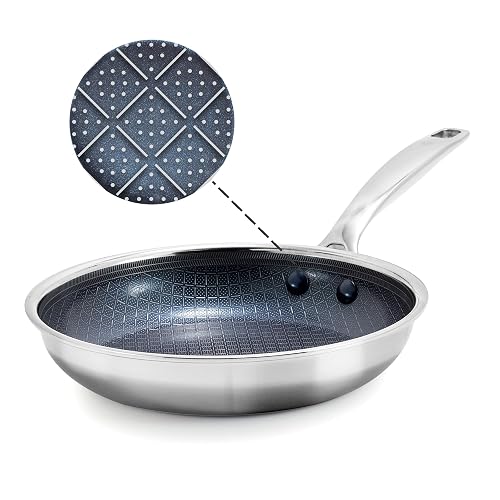
Blue Diamond Hybrid 8″ Stainless Steel Nonstick Frying Pan
KitchenAid Hard-Anodized Induction Nonstick Frying Pan 8.25-Inch
More Details On Our Top Picks
Backyard fish fries call for heat control, not just a deep pot, and this ROVSUN setup leans hard into outdoor cooking. The 55,000 BTU propane burner gives it the kind of output suited to larger batches, while the 10-quart pot and strainer basket keep battered fillets and sides easier to lift together.
That extra firepower suits casual gatherings where timing matters, though the outdoor format does mean more setup than a countertop pan. The included thermometer and lid are practical touches, especially for cooks who want a cleaner read on oil temperature and less splatter around the patio.
Strong Points
- High-output burner suits quick oil recovery after each batch.
- 10-quart capacity works well for family-style portions.
- Basket makes draining easier between batches.
- Thermometer helps maintain steadier frying conditions.
- Outdoor layout keeps heat away from the kitchen.
Areas To Watch
- Outdoor use means more assembly and storage space.
- Aluminum can show wear sooner than stainless steel.
- Less suited to apartment or indoor cooking setups.
Feature Snapshot
Who It Suits Best
Backyard hosts who fry fish for several people at once will get the most from this setup, especially around patios, campsites, or tailgate-style cooking areas.
Where A Sibling Pick Shines
Bayou Classic 1101 10-qt Stainless Steel Fry Pot is the cleaner fit for cooks who want a simpler stovetop-friendly pot rather than a full propane station.
This Bayou Classic pot follows a familiar fish-fry formula: stainless steel body, perforated basket, thermometer, and lid. Stainless tends to feel more durable than bare aluminum in day-to-day use, and that matters in a busy kitchen or on a porch where gear gets stacked and moved often.
The 10-quart size keeps it useful for shrimp, hushpuppies, and fries without becoming unwieldy. The trade-off is straightforward, because this is still a pot-based setup rather than a full burner system, so the heat source has to come from elsewhere.
What We Like
- Stainless build brings a sturdier feel for regular use.
- Basket and lid help streamline fry-day prep.
- Thermometer supports better oil management.
- 10-quart size fits mixed small-batch cooking.
Minor Gripes
- Requires a separate burner or stovetop heat source.
- Stainless steel usually adds a little more weight.
- Basket storage takes some extra cabinet room.
Core Details
Who Should Grab It
Home cooks who want a straightforward stainless pot for fish nights, mixed seafood, or chicken wings will find the format easy to live with.
Look Elsewhere When
King Kooker KK2 9-Quart Aluminum Fry Pan is the tighter fit for cooks who want a lighter pan shape instead of this deeper pot format.
Capacity is the main story here, and that 14-quart size pushes this Bayou Classic into larger-batch territory. For family cookouts or shared meals, the deeper pot helps reduce the stop-and-start rhythm that smaller vessels create, though it naturally takes more oil and more storage room.
The welded handle is a meaningful detail, because it speaks to handling confidence when the pot is full. Same story with the stainless lid and basket, which make the whole setup feel more complete than the smaller 10-quart version, especially for cooks who regularly fry several rounds.
Upsides
- 14-quart capacity suits bigger portions and longer sessions.
- Welded handle adds a steadier carry point.
- Stainless lid and basket round out the setup.
- Cool-touch basket handle helps with draining tasks.
- Useful for fish, shrimp, and hushpuppies in quantity.
Small Caveats
- Needs a large heat source and more oil.
- Bulkier footprint can crowd smaller storage areas.
- Heavier than the 9-quart King Kooker pan.
Details At A Glance
Made For
Hosts who cook for a crowd, especially during outdoor gatherings or fish-fry weekends, will appreciate the extra room this pot provides.
Another Choice May Suit
Bayou Classic 1101 10-qt Stainless Steel Fry Pot is the easier fit for smaller kitchens that want the same general style with less bulk.
Compared with the deeper Bayou Classic pots, this King Kooker leans toward a simpler fry-pan layout. The heavy-duty aluminum build should keep weight down, which helps in outdoor kitchens where gear gets moved often and space is tight.
The 9-quart size is modest enough for smaller batches of fish or shrimp, and the basket keeps the basic workflow familiar. The honest read is that this suits cooks who want a no-frills frying pan rather than a more feature-heavy vessel.
Bright Spots
- Light aluminum construction is easier to handle.
- 9-quart size fits smaller fry sessions well.
- Basket supports cleaner lifting and draining.
- Simple setup keeps the cooking process straightforward.
Points To Note
- Aluminum can show cosmetic wear over time.
- Smaller capacity may feel tight for crowds.
- Fewer extras than the Bayou Classic pots.
Quick Facts
The Right Fit
Weekend cooks working with limited space or lighter loads will find this pan easy to slot into a compact outdoor setup.
Swap It Out When
ROVSUN 10Qt Aluminum Fish Fryer Pot is the better fit for cooks who want a full propane burner instead of a separate heat source.
This Blue Diamond skillet shifts the category indoors, where smaller fish fillets and quick side dishes need more control than a deep outdoor pot offers. The stainless body gives it a sturdier feel, while the ceramic nonstick surface is meant to make release and cleanup less demanding after breaded fish or delicate pan-fried portions.
Because it is only 8 inches across, the pan feels better suited to solo meals or tight stovetop layouts than to larger family batches. Compared with the King Kooker and Bayou Classic picks, it trades volume for everyday kitchen convenience, which is a fair exchange for apartment cooking or small households.
Best Bits
- Ceramic nonstick surface helps food release more easily.
- Stainless steel shell adds a more substantial feel.
- Compatible with induction and other cooktops.
- Oven and dishwasher compatibility simplify routine use.
- Compact size suits smaller fish portions.
Honest Caveats
- 8-inch size is tight for larger fillets.
- Smaller surface area limits batch cooking.
- Nonstick coatings usually need gentler utensils.
Spec Overview
Whose Shelf It Belongs On
Small households, dorm-style kitchens, and cooks who fry fish in modest portions will get the most from this compact skillet.
Reach For A Different Pick When
KitchenAid Hard-Anodized Induction Nonstick Frying Pan is the better match for cooks who want a similar compact format with a different small-pan feel.
The KitchenAid pan stays in the small-skillet lane, but the hard-anodized build gives it a different feel from the Blue Diamond piece above. Hard-anodized aluminum is treated to create a tougher cooking surface than plain aluminum, which helps explain why this style often appeals to cooks who use a compact pan often.
At 8.25 inches, it is aimed at fish fillets, eggs, or side work rather than full-size family frying. In most kitchens, that size is a strength, not a limitation, because it keeps the pan easy to store, quick to heat, and sensible for single servings.
Positives
- Compact footprint fits crowded cabinets and narrow burners.
- Hard-anodized body offers a tougher everyday feel.
- Nonstick surface helps with lower-stick cooking.
- Induction compatibility widens stove-top options.
Softer Spots
- Small diameter limits fish size and batch count.
- Not the right tool for crowd-sized frying sessions.
- Compact pans can cool quickly under heavy loads.
At A Glance
Built With In Mind
Solo cooks, small households, and anyone short on storage space will find this pan easier to keep in rotation than the larger outdoor fry pots.
Where A Sibling Pick Shines
Blue Diamond Hybrid 8″ Stainless Steel Nonstick Frying Pan makes more sense for cooks who want a stainless-and-ceramic combination in the same compact size class.
How To Choose The Right pans for frying fish
Capacity And Batch Size
Capacity sets the pace of a fish fry. A 9-quart or 10-quart pot handles modest family batches well, while a 14-quart vessel like the Bayou Classic 1150 is better suited to larger gatherings where multiple rounds are the norm.
Smaller skillets around 8 to 8.25 inches work for single fillets, quick lunches, or side dishes. They are easier to heat and store, though they do run out of space fast once batter and oil meet the pan.
Material And Heat Behavior
Aluminum warms quickly and keeps weight down, which is useful in outdoor fry pans and portable setups. Stainless steel usually feels sturdier and better suited to frequent use, though it tends to be heavier.
Nonstick surfaces help with delicate fish and simpler cleanup, especially in indoor kitchens. The trade-off is softer utensil handling and a smaller comfort zone than bare metal when high heat or rough scraping enters the picture.
Outdoor Setup Or Stovetop Use
Outdoor fryers bring serious heat and make sense for backyard fish fries, tailgates, and bigger social meals. The ROVSUN setup shows how a burner, thermometer, lid, and basket can form a full cooking station rather than just a pot.
Indoor pans work better for controlled, smaller meals. A compact skillet like the Blue Diamond or KitchenAid model keeps the workflow simple, especially in apartments, dorm-style kitchens, or homes without room for propane gear.
Handling, Cleanup, And Storage
Baskets, cool-touch handles, and lids are more than extras. They change the rhythm of cooking by making lifting, draining, and covering less awkward, which matters after several batches of fish or shrimp.
Storage deserves attention too. Larger stainless fry pots take more cabinet space, while compact skillets tuck away easily and suit homes that rotate cookware often rather than keeping a dedicated fry station set up.
Things Worth Knowing First
Common Shopping Slip Ups
Many shoppers focus on capacity alone and miss the heat source. A big pot still needs a compatible burner or stove, and a deep vessel without a solid heat plan turns into extra clutter.
Another common miss is buying a pan that is too small for the meal pattern. Solo portions fit an 8-inch skillet, but family fish fries need more surface area and a basket that can keep pace.
The Case For Spending Up
Higher-tier fry gear usually pays for thicker metal, sturdier handles, better baskets, and more complete accessory bundles. Those details matter because they affect how the pan feels in hand and how smoothly batches move from oil to plate.
The upgrade makes sense for frequent fish fries, large households, and cooks who want a more stable setup outdoors. For occasional use, a simpler pan can make more sense and keep storage and cleanup lighter.
Final Thoughts
The strongest pans for frying fish are the ones that match the meal, the kitchen, and the amount of cleanup that feels reasonable afterward. The Bayou Classic pots suit more serious batch cooking, the King Kooker keeps things simple, and the Blue Diamond and KitchenAid skillets handle smaller indoor jobs with less fuss. The right choice depends on how often fish is on the menu and how much space is available for the pan between uses.
