

Middle islands for kitchen use live at the center of daily prep, serving, and storage, so the right shape matters more than flashy styling. Some homes need wheels and a folding leaf for tight floor plans, while others need a fixed work surface that feels steady during chopping, plating, and casual meals. The list below focuses on build details, storage layout, and space fit so you can match the island to your room instead of forcing the room to adapt.
Quick Look At The Shortlist

Shintenchi Kitchen Island with Folding Drop Leaf

VEVOR Kitchen Island Cart with Solid Wood Top

VASAGLE Mobile Kitchen Island with Drop Leaf
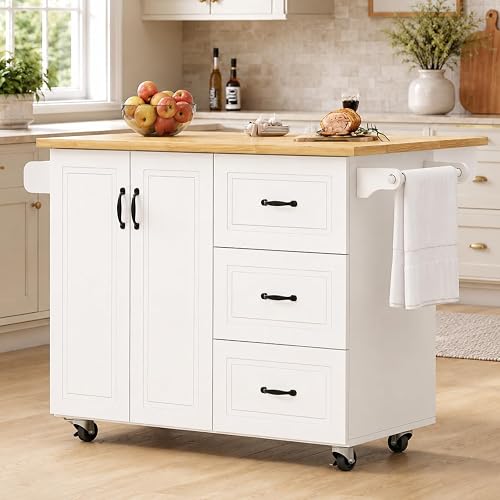
4 EVER WINNER 43″ Kitchen Island with Drop Leaf
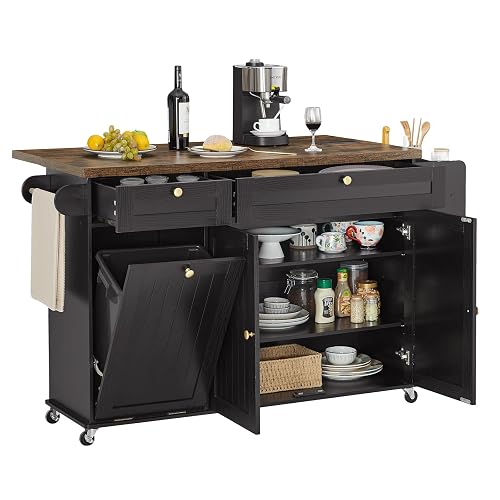
60″ Kitchen Island with Trash Can Storage

GRUSIGN 49.6″ Kitchen Island on Wheels with Storage

DynJest 47.3″ Kitchen Island with Power Outlet
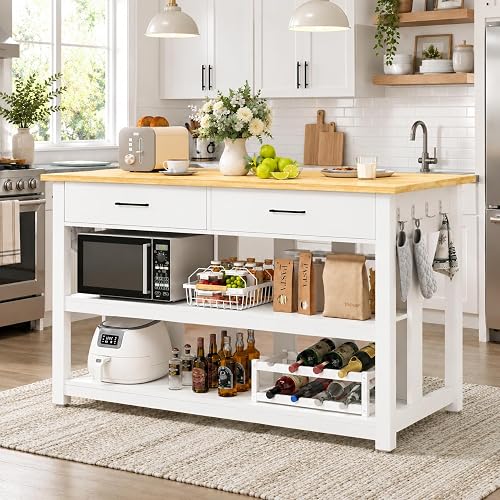
DynJest 47.3″ Solid Rubberwood Kitchen Island with Power Outlets
More Details On Our Top Picks
This Shintenchi piece fits the kind of kitchen that has to do a little of everything, especially a room that doubles as prep zone and casual seating area. The folding drop leaf gives you extra surface without locking the footprint into one size, so it makes sense for narrower rooms and apartment layouts.
Because it rolls, you can shift it near the stove for plating or tuck it aside after dinner, which keeps traffic moving. The white finish leans clean and simple, though the trade-off is that lighter surfaces usually show wear more readily than darker ones.
Strong Points
- Drop leaf adds usable surface without demanding permanent room.
- Wheeled base supports easier repositioning in a busy layout.
- Cabinet storage helps keep small tools out of sight.
- Bar cart styling works for kitchens that also host drinks or snacks.
Points To Note
- Rolling furniture needs clear floor space for smooth movement.
- White finishes usually ask for more frequent wiping.
- Seating use depends on your room layout and chair spacing.
Feature Snapshot
Who Should Grab It
Space-conscious households that want one piece to handle prep, serving, and occasional seating will get the most from this layout.
Another Choice May Suit
VEVOR Kitchen Island Cart with Solid Wood Top suits you better if a sturdier work surface and more accessory storage matter more than the seating-friendly foldout idea.
Compared with Shintenchi’s more seating-minded layout, this VEVOR cart pushes harder toward storage and prep utility. The solid wood top brings a more substantial feel at the work surface, while the spice rack, towel rack, drawer, and cabinet create a tighter station for daily cooking.
That mix helps in kitchens where utensils, linens, and seasonings tend to wander, because the parts have assigned spots. The trade-off is that a feature-packed cart can feel busy in a very small room, so the 35.4-inch width matters more here than the styling alone.
What We Like
- Solid wood top gives the work area a more grounded feel.
- Drawer, cabinet, and racks spread storage across daily essentials.
- Wheel-mounted layout works well in kitchens that need occasional reconfiguration.
- Accessory placement helps reduce countertop clutter.
Small Caveats
- The wider footprint needs enough floor clearance to move cleanly.
- Several storage zones can invite clutter if you overfill them.
- Cleaning around rack hardware takes a little more attention than a plain cart.
Core Details
Built With In Mind
Home cooks who want a mobile prep station with clearly separated storage will find this layout especially useful.
Where A Sibling Pick Shines
GRUSIGN 49.6″ Kitchen Island on Wheels with Storage fits better for you if a larger expandable work area matters more than the VEVOR cart’s tighter accessory layout.
The VASAGLE approach is more adaptable than the VEVOR cart because the width changes from 17.7 to 28.7 inches. That range helps in dining rooms or compact kitchens where a rigid footprint would feel clumsy, and the drop leaf gives you a little more elbow room during plating or serving.
The spice rack and cabinet keep the setup functional without turning it into a bulky storage wall. One thing worth considering, though, is that the lighter rustic white and honey brown finish will show spills sooner than darker finishes in a high-traffic kitchen.
Upsides
- Adjustable width makes it easier to fit changing room layouts.
- Drop leaf gives you extra surface for serving or mixing.
- Spice rack helps keep seasonings within quick reach.
- Cabinet storage supports a cleaner prep zone.
Areas To Watch
- The width range still needs enough open floor to open comfortably.
- Mixed-color finishes may require more regular cleaning to stay tidy.
- Mobile designs work best on smoother floors than on rough surfaces.
Details At A Glance
Perfect Match For
Compact homes, dining-room overflow, and multipurpose layouts benefit most from this adjustable footprint.
Skip It When
4 EVER WINNER 43″ Kitchen Island with Drop Leaf fits better for a shopper who wants a more traditional fixed-size rolling island with a fuller drawer layout.
Three drawers put this 43-inch island in a different lane from the more compact VASAGLE cart. That matters in a kitchen where utensils, linens, and serving pieces need separate homes, because drawers keep small items from getting buried behind cabinet doors.
The spice rack and towel rack round out the layout, and the four-wheel base keeps the unit easy to shift for cleaning or serving. The honest read is that more built-in pieces also mean more surfaces to wipe, so maintenance is a little higher than on a simpler cart.
Highlights
- Three drawers help separate small kitchen essentials.
- Drop leaf adds flexibility without taking up permanent space.
- Spice rack and towel rack support everyday cooking flow.
- Four wheels make repositioning more manageable.
Worth Noting
- More components mean a bit more wiping after everyday use.
- The fuller feature set can feel busy in a very small room.
- Rolling islands need floor space that allows clear turning room.
Technical Sheet
Whose Shelf It Belongs On
You get the most from this island in a kitchen that needs organized storage as much as extra counter space.
Reach For A Different Pick When
Shintenchi Kitchen Island with Folding Drop Leaf suits you better if seating flexibility and a softer footprint matter more than drawer count.
This ONBRILL island sits at the large end of the group, and the 60-inch span gives you a very different ownership experience from the rolling carts above it. The built-in trash can storage and power outlet push it toward a central work hub, which helps in bigger kitchens that handle cooking, charging, and cleanup in the same zone.
The drop leaf adds some flexibility, and the adjustable shelf inside the cabinet gives you room to tune the storage space. The trade-off is straightforward, larger islands ask for more floor area and usually feel less forgiving in compact rooms.
Best Bits
- Wide footprint supports a more complete prep station.
- Trash can storage keeps waste management closer to the work area.
- Power outlet adds convenience for countertop appliances.
- Adjustable shelf helps you fit taller or shorter items.
Areas To Watch
- The larger size needs real room to breathe.
- More function zones usually mean more surfaces to keep clean.
- Heavy-use layouts work best on floors that handle frequent movement well.
Core Details
The Right Fit
Large kitchens that benefit from a central utility station will make the most of this layout.
Swap It Out When
DynJest 47.3″ Kitchen Island with Power Outlet fits better for a smaller room that still wants a fixed island with a solid rubberwood top.
GRUSIGN lands between the more compact carts and the larger 60-inch ONBRILL layout, which makes it easy to place in a wide range of kitchens. The drop leaf adds flexibility, and the spice and towel rack combination keeps this island in everyday-use territory rather than decorative territory.
That balance is useful for households that want a mobile middle station without moving up to a fixed, oversized piece. You may find the roller base especially convenient during cleanup, but the island still asks for room around it so the leaf can open without crowding chairs or appliance cords.
Reasons To Buy
- Expandable surface helps the island adapt to different tasks.
- Wheels make it easier to rework the room for serving or prep.
- Accessory racks keep frequent-use items easy to reach.
- Mid-size proportions suit many standard kitchen layouts.
Softer Spots
- The drop leaf still needs clearance, even on a mobile base.
- Open-access storage can look messy without routine sorting.
- Wheel-based furniture benefits from smooth, even flooring.
Feature Rundown
Who It Suits Best
Families that want a flexible middle island with enough presence for regular prep will appreciate the size and accessory mix.
Look Elsewhere When
4 EVER WINNER 43″ Kitchen Island with Drop Leaf is the cleaner choice for you if a smaller rolling footprint matters more than a longer work zone.
Unlike the wheeled carts above it, this DynJest island is stationary, so it reads more like a true kitchen anchor than a move-anywhere utility table. The solid rubberwood top matters here, since rubberwood is a dense hardwood often used where a firmer surface and a warmer furniture look are both important.
The hooks, two drawers, and open shelves give you several storage layers, which helps in busy kitchens where the same surface has to support prep, serving, and small-appliance parking. The trade-off is obvious: once installed, it stays put, so planning the location matters more than it does with a rolling cart.
Positives
- Solid rubberwood top gives the island a more substantial feel.
- Power outlet supports small appliances or charging needs at the island.
- Two drawers help separate tools that would otherwise clutter the top.
- Open shelves and hooks widen storage options without overcomplicating the design.
- Stationary format suits a permanent kitchen setup.
Honest Caveats
- Fixed placement means you need to plan the room layout up front.
- Open shelving asks for a tidier habit to stay visually clean.
- Grey finishes can feel less warm than natural wood tones in some kitchens.
Feature Card
Made For
You get the most from this island in a kitchen that wants a permanent center station rather than a moveable cart.
A Better Fit Elsewhere
Shintenchi Kitchen Island with Folding Drop Leaf suits you better if mobility and a fold-out surface matter more than a fixed island anchor.
This white DynJest keeps the same permanent-island idea as the grey version, but the lighter finish changes the room’s mood in a noticeable way. It feels cleaner and more open, which helps in farmhouse-style kitchens or rooms that already have darker cabinets and need visual relief.
The extra-large work surface, hooks, two drawers, and open shelves create the same practical structure, so the difference here is mostly visual. That makes it a strong match for you if the island has to look deliberate in the room, not just useful, though the white finish will ask for more regular touch-up cleaning.
Positives
- White finish lightens the room and reads less heavy than darker cabinetry.
- Rubberwood top gives the work area a sturdy furniture feel.
- Power outlets support countertop tools without hunting for wall access.
- Hooks, drawers, and open shelves cover both hidden and quick-grab storage.
Minor Gripes
- White surfaces usually need more frequent wiping to stay crisp.
- Fixed placement means the room layout has to be planned carefully.
- Open shelving works best with tidy storage habits.
Core Details
Who Will Love This
Kitchen owners who want a stationary island with a lighter farmhouse look will find this version especially fitting.
Where Shoppers Go Wrong
GRUSIGN 49.6″ Kitchen Island on Wheels with Storage is the better call for anyone who needs mobility more than a fixed anchor piece.
How To Choose The Right middle islands for kitchen
Measure The Work Zone First
Start with walking space, doorway clearances, and the swing of nearby appliances. A mobile island can still feel cramped when the leaf is open or the drawers are pulled out, so dimensions matter as much as style.
Think about where you stand while cooking and where dishes land after serving. The right island should support that path instead of interrupting it, especially in narrow galley kitchens or combined kitchen-dining rooms.
Match Storage To Daily Habits
Drawers suit utensils and small tools, while open shelves work better for bowls, baskets, and items you reach for often. A cabinet gives you hidden storage, which keeps the room calmer when the island sits in the middle of sight lines.
Rack-heavy layouts make sense for cooks who keep towels and seasonings close. That setup saves steps, but it also asks for a little more tidiness because everything stays visible.
Choose Mobility Or Permanence On Purpose
Wheeled islands help in homes that host, clean, or reconfigure often. Fixed islands feel steadier and more furniture-like, which suits longer-term placements and heavier daily use.
The distinction matters more than it looks on paper. Moving the island is convenient until you want maximum stability for chopping, kneading, or plugging in appliances.
Look At Surface Material And Finish
Solid wood tops and rubberwood tops usually give a more substantial feel than lighter cart surfaces. They also tend to fit better in kitchens where the island doubles as a visible centerpiece.
Lighter paint finishes can brighten the room, but they usually need more upkeep to stay neat. Darker or mixed finishes hide minor marks more easily, which helps in busy homes.
What To Weigh Before You Choose
Mistakes Worth Dodging
Many shoppers focus on width alone and forget about turning room, drawer pull space, and chair clearance. A 60-inch island can work beautifully in a large kitchen, then feel overbearing in a tighter room.
Another common miss is choosing storage shapes that do not match daily habits. A drawer-heavy island helps with utensils, while open shelving works better for bulkier items, so the layout should follow what you actually reach for.
The Case For Spending Up
Higher-tier islands usually cost more because of sturdier tops, better-organized storage, and more complex builds like outlets, drop leaves, or multiple drawers. Those extras matter most in homes where the island is used every day rather than just for display.
Spending more can make sense for permanent setups and larger kitchens, especially when the piece needs to handle prep, serving, and storage all at once. For smaller rooms or occasional use, a simpler cart often makes more sense.
Frequently Asked Questions
What size middle islands for kitchen works in a smaller room?
Compact mobile carts with a drop leaf usually fit better than wide fixed islands. A narrower base gives you more walk space while still adding useful prep room.
Are wheels better than a fixed base?
Wheels help in rooms that change often or need easier cleaning access. A fixed base feels steadier and suits a permanent center setup.
Does a power outlet matter on an island?
It helps when you use small appliances or want to keep a charger nearby. The outlet also reduces the need to stretch cords across the room.
Which storage setup is most practical?
Drawers work well for utensils and smaller tools. Cabinets and open shelves suit bulkier pieces, baskets, or items you want close at hand.
Is a drop leaf worth having?
A drop leaf adds surface without taking over the room all the time. It suits households that need extra space for serving or casual dining at certain moments.
Closing Thoughts
You get the best result from middle islands for kitchen use when the shape matches your room and your routines. Mobile carts suit flexible spaces, while fixed islands make more sense for permanent prep zones and bigger floor plans. Storage layout matters just as much as size, because the right drawers, racks, and shelves cut clutter before it starts. Choose the island that fits your space first, then let the finish and accessories refine the match.
