

Indian clay pots for cooking bring slow, even heat and a more traditional cooking profile to kitchens that favor braises, rice, curries, and baked dishes. The strongest choices here range from glazed hybrids to fully unglazed handi-style pots, so fit depends on capacity, maintenance, and the kind of stove or oven use planned. That makes the category less about decoration and more about how the vessel handles moisture, cleanup, and daily wear.
The Shortlist At A Glance
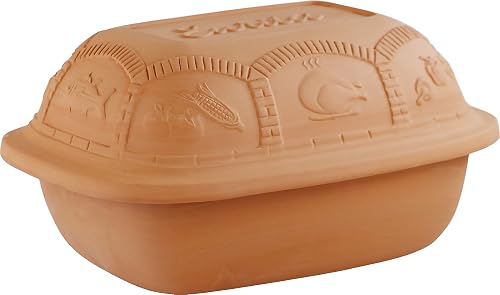
Eurita Clay Roaster 4 Quart
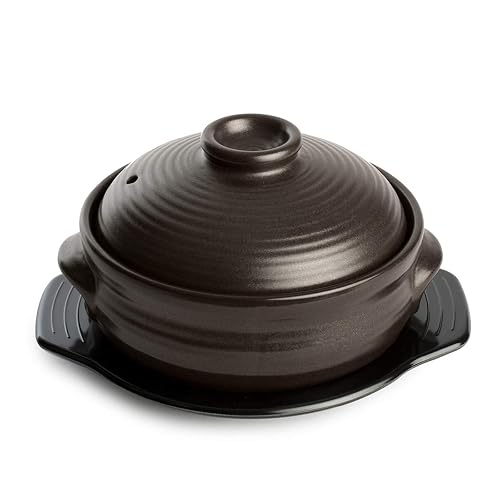
Crazy Korean Cooking Korean Stone Bowl Dolsot Large with Lid

Craftsman India Online Pre-Seasoned Earthen Clay Handi Kadai Pot Combo 1 2 Liter Black

Swadeshi Blessings Handmade Unglazed Clay Pot 2.8L Red

Swadeshi Blessings Handmade Unglazed Clay Cooking Pot 2.8L Black

Swadeshi Blessings Handmade Unglazed Clay Pot 3 Liters
More Details On Our Top Picks
A glazed base paired with an unglazed lid gives this roaster a very specific rhythm in the kitchen, moisture above, easier cleanup below. The 4-quart capacity suits family meals, and the oven and microwave compatibility broadens its role beyond one recipe style. For cooks who roast chicken, simmer soups, or bake bread in a clay vessel, that flexibility matters.
The trade-off is care. The lid needs soaking before use, and the fit is intentionally loose enough to let steam breathe, so this leans toward gentle cooking rather than a sealed pressure-style approach. It feels more like a steady workhorse than a showpiece, which suits busy kitchens just fine.
What We Like
- Natural clay body with no fillers listed
- Glazed base makes cleaning less fussy
- Steam-driven lid design supports moist cooking
- 4-quart size handles family portions comfortably
- Oven and microwave use adds flexibility
Things To Consider
- Lid fit is not meant to seal tightly
- Soaking the lid adds one more prep step
- Large size can feel bulky in small cabinets
Feature Snapshot
Who It Suits Best
Home cooks who want a larger clay vessel for roasts, baked dishes, and slow simmering will get the most from this format.
A Better Fit Elsewhere
Crazy Korean Cooking Korean Stone Bowl Dolsot suits table-side bibimbap service and smaller portions more neatly than this roaster.
Where the Eurita roaster leans broad and family-sized, this stone bowl is built for a tighter, more presentation-forward job. A dolsot is a heavy ceramic bowl used for serving hot dishes, and that shape suits bibimbap, soup, and table service where heat retention matters. The large size with lid gives the format a little more range than the name suggests.
The honest read is that this style shines most at the table rather than deep in the oven rack lineup. Its ceramic body and lid make it a strong fit for cooks who want serving and cooking in one vessel, though the smaller capacity means it is less practical for batch roasting than Item 1.
Highlights
- Stone bowl format suits hot serving
- Lid adds useful coverage for soups
- Premium ceramic build feels purpose-built
- Large size gives more room than compact bowls
Minor Gripes
- Less versatile than a wider roaster shape
- Best suited to serving focused meals
- Bulky ceramic construction needs careful storage
Core Details
Who Will Love This
Home cooks who make bibimbap, rice bowls, and hot soup service for the table will find this shape especially natural.
Where A Sibling Pick Shines
Reston Lloyd Eurita Clay Roaster 4 Quart is the stronger choice for larger roasts, casseroles, and oven-baked family dishes.
This combo leans into smaller, more controlled portions, which suits weeknight rice, curry, and mixed dishes where a 1-liter or 2-liter vessel is enough. The pre-seasoned, unglazed, double-fired build points toward a more traditional clay approach, and the included wooden spatulas are a useful extra for serving. Compared with the larger Eurita roaster, this feels far more compact and focused.
There is a catch, though. The seasoning step and the need to match the pot to its intended portion size mean this is less forgiving for first-time clay cookware shoppers than the glazed Reston Lloyd piece. Still, for cooks who know the volume they want, it brings a very specific, kitchen-friendly shape.
Bright Spots
- Two sizes help with portion control
- Pre-seasoned setup reduces early prep work
- Unglazed clay suits traditional simmering
- Included wooden spatulas add practical value
- Compact format stores more easily than larger pots
Areas To Watch
- Smaller capacity limits batch cooking
- Unglazed finish usually asks for gentler cleaning
- Portion fit matters more than with larger pots
Technical Sheet
Built With In Mind
Small households and cooks who want measured portions for biryani, curry, or mixed rice dishes will find this combo the most natural fit.
Another Choice May Suit
Swadeshi Blessings Handmade Unglazed Clay Pot 3 Liters suits cooks who want a single larger vessel for meal prep and serving.
Among the unglazed pots here, this red 2.8-liter version lands in a comfortable middle ground. The capacity suits everyday curries, rice dishes, and serving pieces that do not need the size of the 4-quart Eurita, yet still want more room than the Craftsman combo. The included lid and extra stand pieces make the setup feel more complete on arrival.
Maintenance is the usual clay-pot trade-off, cleaning takes a softer touch than a glazed vessel, and the finish is meant for patient heat rather than fast turns. Still, for cooks who want a traditional-looking handi with enough presence for regular use, this one feels well judged.
Upsides
- 2.8-liter size suits daily meals well
- Unglazed build keeps the clay profile traditional
- Lid and stand improve the overall package
- Works for both cooking and serving
Softer Spots
- Unglazed surfaces usually need gentler washing
- Less compact than the 1 and 2 liter combo
- Not as broad in capacity as the 4-quart roaster
Details At A Glance
Right Fit For
Households that want one pot for steady weekday cooking and table serving will get strong value from this size.
Look Elsewhere When
Reston Lloyd Eurita Clay Roaster 4 Quart is the better choice for larger oven meals and batch roasting.
This black 2.8-liter pot follows the same core shape as the red Swadeshi Blessings model, but the darker finish shifts the look toward a quieter serving piece. The size still suits weekday curries, rice, and side dishes, and the included lid keeps the setup straightforward. In kitchens where storage and display space are tight, the smaller footprint helps.
The compromise is simple, it shares the same unglazed care requirements as most traditional clay cookware. Compared with the 3-liter version below, it gives up a bit of capacity, so cooks who like larger meal prep batches may feel that difference quickly.
Best Bits
- 2.8-liter size works for daily cooking
- Black finish looks restrained on the table
- Lid included for a complete core setup
- Good match for compact kitchen storage
Room For Improvement
- Unglazed clay asks for careful cleaning
- Capacity is modest for larger batches
- Functionally close to the red 2.8-liter version
Feature Rundown
Whose Shelf It Belongs On
Cooks who want a modest clay pot for smaller households, side dishes, or serving will find this size easy to live with.
Swap It Out When
Swadeshi Blessings Handmade Unglazed Clay Pot 3 Liters is the smarter move for cooks who need a bit more room without moving up to the 4-quart roaster.
The 3-liter size gives this Swadeshi Blessings pot a more comfortable middle lane than the 2.8-liter pair. That extra room can matter for meal prep, family curry nights, or dishes that need a little more headspace while simmering. The mirror-finished surface and natural white firing shade also make it the most visually distinctive of the unglazed group.
The trade-off is still familiar clay-pot care, and the look matters more to some kitchens than others. Compared with the 4-quart Eurita, this one stays closer to the traditional handi shape, while offering more volume than the two 2.8-liter options. For cooks who want a single medium pot, that balance lands well.
Standout Traits
- 3-liter capacity offers a useful middle ground
- Mirror finish gives it a more polished appearance
- White firing shade sets it apart visually
- Lid included for a complete cooking setup
- Good size for meal prep and serving
Small Caveats
- Unglazed clay still calls for careful washing
- Visual finish may matter more than function to some cooks
- Not as large as the Eurita roaster for bigger meals
Quick Facts
Who Should Grab It
Cooks who want a medium clay pot with a more refined look and enough room for regular family meals will find this one easy to place.
Where Another Pick Fits Better
Craftsman India Online Pre-Seasoned Earthen Clay Handi Kadai Pot Combo 1 2 Liter Black suits small-batch cooking more neatly than this 3-liter pot.
How To Choose The Right indian clay pots for cooking
Material, Finish, And Care Rhythm
Clay cookware splits into two practical groups here: glazed and unglazed. A glazed base, like the Eurita roaster, usually simplifies cleanup, while an unglazed pot keeps a more traditional cooking character but asks for gentler washing and a little more attention before first use.
That difference matters in a busy kitchen. Glazed surfaces work better for cooks who want a lower-maintenance vessel, while unglazed handi-style pots fit slower, more deliberate cooking habits.
Capacity Should Match The Meal Pattern
Size is the biggest separator in this roundup. The 4-quart Eurita handles larger family meals, the 3-liter Swadeshi pot sits in the middle, and the 1 to 2 liter Craftsman combo works better for smaller portions or side dishes.
That scale should match the food, not just the shelf space. Oversized clay can feel awkward for weeknight cooking, while a compact pot becomes frustrating once dinner stretches beyond two servings.
Heat Style Matters More Than Style Points
Some clay vessels are built around the oven, while others are better for stovetop simmering or table-side serving. The stone bowl format is especially useful for hot presentation, and the Eurita roaster suits baked or braised dishes where steam control matters.
Look at the lid design, too. A looser lid supports gentle steam release, while a tighter serving bowl shape keeps heat close to the food during a meal.
A Quick Reality Check
Mistakes Worth Dodging
The most common miss is buying by appearance alone. Traditional shape matters, but so does capacity, lid fit, and whether the pot is glazed or unglazed, because those details change cleanup and daily use.
Another easy slip is ignoring portion size. A 1 liter handi can feel excellent for one dish and awkward for the next, so the cooking routine should drive the choice.
When Paying More Pays Off
Higher-tier clay pots usually charge for more careful construction, added accessories, or a more specialized shape. That can mean a polished finish, a better paired lid, or a vessel designed for both cooking and serving.
The upgrade makes sense for kitchens that use clay cookware often. For occasional use, a simpler pot with the right size and surface treatment usually makes more sense.
Closing Thoughts
Indian clay pots for cooking reward the right match more than the fanciest label. A family that roasts and braises will lean toward the Eurita roaster, while serving-focused cooks may prefer the stone bowl or a handier unglazed handi. Smaller households can stay compact without sacrificing character, and larger meal routines have room to move up in size. The best choice is the one that fits the food already being cooked most often.
