

Cabinet backs near toasters, wall ovens, grills, and compact appliances take the brunt of stray heat, and the wrong material can age fast. You need a shield that matches the appliance, the mounting space, and the finish you want to keep intact. The eight picks below span thin adhesive-backed mats, wider reflective sheets, and purpose-built cabinet protectors, so you can match the fix to the job instead of guessing.
Quick Shortlist for Cabinet Heat Protection
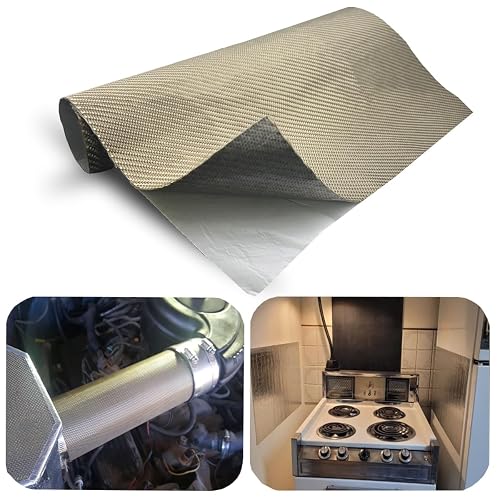
DEGEOBERLIN Titanium Adhesive Backed Exhaust Heat Shield 12” X 24”

DEGEOBERLIN Adhesive Backed Aluminized Exhaust Heat Shield 12” X 24”
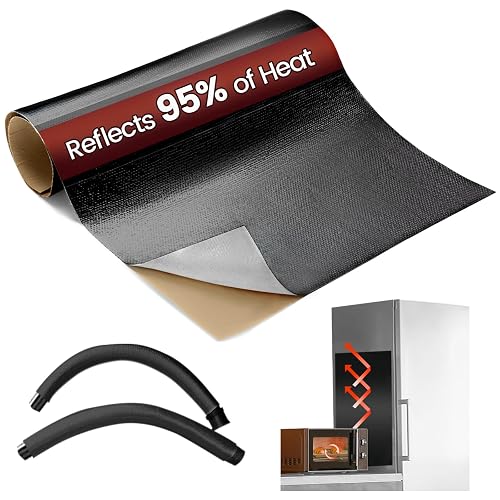
Amerbro Aluminum Adhesive Heat Shield Wrap 24×12 in, Black

MAUTEMOWING Titanium Thermal Barrier Adhesive Backed Heat Shield Mat 12” X 24”
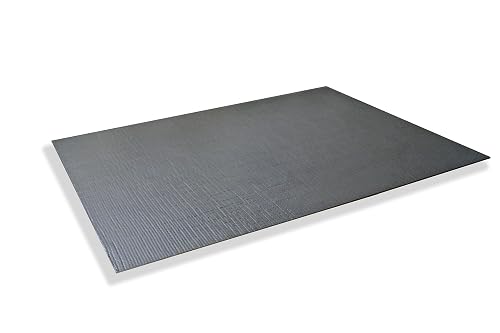
ToasterShield MAX Kitchen Cabinet Heat Protection
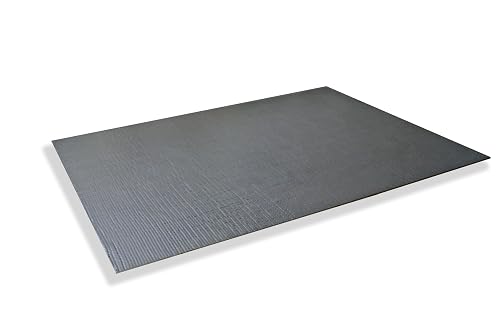
ToasterShield Under-Cabinet Heat Protection

Fynxir Self-Adhesive Aluminized Fiberglass Cloth Heat Shield Sheet 15″x48″

PAWBOSE Heat Shield Automotive Aluminum 12″x24″ Black
More Details On Our Top Picks
This titanium-faced sheet suits the rougher side of kitchen protection, especially behind a wall-mounted grill or beside a cabinet run that lives close to intense heat. The adhesive backing keeps the install straightforward, though a clean, flat surface matters more here than with a loose mat.
In most kitchens, the 12-by-24-inch format gives you enough coverage for a focused hot zone without swallowing the whole cabinet face. Compared with ToasterShield MAX, this one feels more like a general-purpose barrier than a purpose-built cabinet protector.
Strong Points
- Continuous heat rating of 1800 degrees suits demanding spots.
- Intermittent tolerance up to 2500 degrees adds headroom for brief spikes.
- Adhesive backing simplifies placement on a prepared surface.
- Useful near cabinets, grills, fireplaces, and other hot fixtures.
- Helps reduce radiant heat exposure around adjacent finishes.
Points To Note
- The installed area needs a tidy, level base for adhesion to hold well.
- It is broad and versatile, so it can feel less tailored than a cabinet-specific guard.
- Removal and cleanup may take care, which matters on painted surfaces.
Feature Rundown
Who It Suits Best
Homeowners guarding a cabinet or wall area near a grill, fireplace, or high-output appliance get the best fit here.
A Better Fit Elsewhere
ToasterShield MAX is a tighter match for a standard kitchen cabinet zone where a product built specifically for cabinetry feels more natural.
This aluminized version keeps the same 12-by-24 footprint as the titanium pick, but the material choice tilts more toward everyday reflective shielding than heavy-duty thermal margin. In a busy kitchen, that makes sense for cabinet backs near a toaster or compact oven where a slimmer defensive layer is enough.
The adhesive format still asks for prep, so dust, grease, and uneven paint can get in the way of a clean bond. For straightforward appliance zones, though, that trade-off is easy to live with.
What We Like
- Aluminized surface is built to reflect heat rather than absorb it.
- 12-by-24-inch size covers a practical section behind appliances.
- Adhesive backing keeps installation direct for a simple cabinet project.
- Works across grills, cabinet zones, and other warm surfaces.
Worth Noting
- Surface prep matters, especially around cooking residue.
- It gives you a slimmer heat shield approach than the titanium DEGEOBERLIN sheet.
- Cabinet users may prefer a product shaped more specifically for under-cabinet use.
Quick Facts
Who Will Love This
You get a strong fit here for general kitchen heat shielding, especially around compact appliances and tight wall spaces.
Where A Sibling Pick Shines
DEGEOBERLIN Titanium Adhesive Backed Exhaust Heat Shield 12” X 24” makes more sense for hotter spots that need a tougher thermal margin.
This one leans thin and broad, which is helpful for narrow cabinet runs, appliance sidewalls, or a strip behind a stove where you need coverage without adding much thickness. The black finish also gives it a quieter look than the brighter metallic sheets, a small but useful detail in visible kitchen spaces.
Compared with the DEGEOBERLIN sheets, the coverage style feels a bit more versatile for custom trimming and unusual layouts. One thing worth considering, though, is that the listing references multiple thickness figures, so the exact feel depends on the variant you choose.
Bright Spots
- 24-by-12 coverage gives you a long, narrow footprint for trim work.
- Reported 95% radiant heat reflection is strong for a compact shield sheet.
- Black finish blends better with darker appliance areas.
- Useful around refrigerators, fireplaces, wood stoves, and cabinets.
Small Caveats
- The listing shows more than one thickness figure, so variant choice matters.
- Adhesive-backed sheet material still rewards careful prep and clean surfaces.
- It may feel too general for someone wanting a cabinet-only product.
Details At A Glance
Best Suited To
DIY installers working around slim cabinet panels or mixed-use heat zones get the cleanest fit from this sheet.
Another Choice May Suit
ToasterShield Under-Cabinet Heat Protection is a better match for a dedicated cabinet install where the layout is more appliance-specific.
MAUTEMOWING takes the same compact 12-by-24 shape and aims it at harsher heat exposure, including fireplace-adjacent and grill-side placement. That makes it a stronger-fit barrier for cabinets that sit uncomfortably close to a heat source, especially in open-plan kitchens.
The honest read is that this is more material than many cabinet-only installs need, which is also why it stands apart from the softer-duty options above. You gain thermal headroom, but you also need to place it with a bit more care so it looks intentional.
Highlights
- Titanium thermal barrier design suits severe heat exposure.
- Adhesive backing supports a direct, no-fuss install.
- 12-by-24 format works well behind a compact hot zone.
- Useful around kitchens that also connect to patio grilling areas.
Areas To Watch
- It can be more than you need for a lightly warmed cabinet face.
- Adhesion depends on surface prep, just like the other sheet-style picks.
- Best results come from a careful placement plan rather than rushed positioning.
Feature Snapshot
Whose Shelf It Belongs On
Households with cabinets near a fireplace, grill wall, or high-output appliance will get the most from this mat.
Swap It Out When
DEGEOBERLIN Adhesive Backed Aluminized Exhaust Heat Shield 12” X 24” is the easier match for a lighter-duty cabinet area.
This is the most purpose-built cabinet option in the set, and that matters more than the headline heat figure. A kitchen cabinet shield should fit like part of the installation, not like a leftover strip from another category, and ToasterShield MAX leans into that idea.
For a toaster nook, a protected shelf, or cabinetry that sits close to a small appliance, the dedicated design makes day-to-day sense. The trade-off is narrower versatility, so it is less about multi-location use and more about the right cabinet job.
Upsides
- Built specifically for cabinet heat protection.
- Works naturally in toaster and small-appliance zones.
- High stated temperature ceiling gives you extra thermal margin.
- Fits the category better than the more automotive-leaning sheet options.
Room For Improvement
- It is less flexible than the broader adhesive sheets.
- Cabinet layouts with odd corners may need a more adaptable format.
- Its specialty focus means it is not the universal answer for every hot wall.
Core Details
The Right Fit
You get the cleanest fit here for a standard kitchen cabinet that needs protection beside a toaster or similar appliance.
Where Another Pick Suits Better
Fynxir Self-Adhesive Aluminized Fiberglass Cloth Heat Shield Sheet 15″x48″ is the better choice for a long run of cabinetry that needs broader coverage.
This version narrows the focus to under-cabinet placement, which is exactly where a lot of heat-damage worries start. Compared with ToasterShield MAX, it feels a touch more specific, so the fit can be easier to imagine for compact kitchens and appliance corners.
That specialization is useful, but it also means you should match the layout carefully before choosing it. For most small kitchens, the appeal is the cleaner fit rather than a broad one-size answer.
Best Bits
- Under-cabinet focus makes the use case very clear.
- Works well near toasters and similar compact appliances.
- High stated heat ceiling gives breathing room around warm spots.
- More targeted than broader sheet-style options.
Minor Gripes
- It is most useful only where the under-cabinet fit makes sense.
- Less flexible than a larger sheet for odd shapes or wider spans.
- Careful measurement matters before you settle on the install spot.
Feature Card
Built With In Mind
Compact kitchens and appliance nooks get the most practical value from this cabinet-focused shield.
Reach For A Different Pick When
Amerbro Aluminum Adhesive Heat Shield Wrap 24×12 in, Black is the smarter call for a longer, thinner strip that needs more flexibility.
The 15-by-48 format gives this sheet a very different personality from the shorter DEGEOBERLIN mats. You can cover a longer cabinet run, a firewall-style surface, or a broad strip behind several appliances without stitching together multiple pieces.
For larger kitchens or custom projects, that extra span is the real story. The adhesive is described as tape-like, so the install should feel familiar to anyone used to self-stick materials, though the size makes alignment worth slowing down for.
Reasons To Buy
- Long 15-by-48 size reaches across wider cabinet runs.
- Aluminized fiberglass cloth brings a more flexible, fabric-like feel.
- Self-adhesive format supports a straightforward install.
- Useful for firewall-style spaces, cabinets, and other broad surfaces.
Small Caveats
- The larger sheet takes more care to align neatly.
- It can be more material than a small toaster niche needs.
- Storage becomes a little less convenient because of the longer roll-like format.
Technical Sheet
Made For
You get the best fit here for long cabinet runs or custom heat shielding projects that need extra length.
Look Elsewhere When
ToasterShield Under-Cabinet Heat Protection is better for a compact appliance bay where a shorter, more cabinet-specific format makes sense.
PAWBOSE sits in the middle of the pack nicely, with a familiar 12-by-24 format and a black finish that is easy to place in visible kitchen or utility spaces. The listing’s 95% radiant heat reflection claim gives it a clear role in cabinet protection, especially where you want a versatile sheet rather than a niche-specific part.
Compared with the more specialized ToasterShield options, this one is broader and easier to repurpose around the home. That flexibility is helpful, though the general automotive orientation means it still reads more like a multi-use shield than a cabinet-first solution.
Positives
- 12-by-24 size gives you a familiar, manageable footprint.
- Black finish works cleanly in visible install areas.
- Useful across stoves, fireplaces, refrigerators, and cabinets.
- Reported 95% radiant heat reflection supports the shielding role.
Softer Spots
- It is not as cabinet-specific as the ToasterShield picks.
- General-purpose design may be more than you need for a tiny nook.
- As with any adhesive sheet, careful surface prep pays off.
Core Details
Perfect Match For
You get the best fit here for a mixed-use kitchen or utility space that needs one shield with broad placement options.
A Better Fit Elsewhere
ToasterShield MAX Kitchen Cabinet Heat Protection suits a cabinet-only install more cleanly than this general-purpose sheet.
How To Choose The Right Heat Shields for Kitchen Cabinets
Match The Shield To The Heat Source
The first decision is simple: what sits next to the cabinet. A toaster, wall oven, grill back, or fireplace wall all create different heat patterns, and a purpose-built cabinet shield like ToasterShield MAX fits a different job than a broad aluminized sheet.
Radiant heat, which is heat transferred by invisible energy rather than direct touch, is the main issue in most cabinet installs. That is why reflective faces and thermal barrier materials matter more than flashy wording on the listing.
Check Size, Shape, And Coverage
Measure the actual area that needs protection, then add a little room for alignment. A 12-by-24 panel works well for a focused hot zone, while the 15-by-48 Fynxir sheet makes more sense for a long cabinet run or a wider wall strip.
Shape matters just as much as area. Narrow cabinets, corner layouts, and open appliance bays often reward a slimmer wrap sheet, while standard cabinet faces pair better with a dedicated under-cabinet shield.
Think About Surface Prep And Mounting
Adhesive-backed materials are convenient, but they are only as tidy as the surface beneath them. Grease, dust, texture, and peeling paint can shorten the life of the bond, so clean, smooth panels usually give you the most predictable result.
You also want to think about removal later. A stronger bond can feel reassuring now, yet it may take more care if you repaint or replace cabinetry down the line.
Choose Material For The Environment
Titanium-style barriers usually suit harsher spots, while aluminized sheets often make sense for general reflection near lighter cabinet exposure. Fiberglass cloth sheets, like the Fynxir option, bring more coverage flexibility, which helps in larger or irregular spaces.
The practical rule is to match the material to the job, not the other way around. That keeps the install cleaner and avoids overspending on thermal margin you do not need.
What To Weigh Before You Click Through
Common Shopping Slip Ups
Many people focus on temperature claims alone and ignore fit. A huge heat rating does little good if the sheet is too short for the cabinet area or awkward around handles and trim.
Another common mistake is skipping surface prep. Adhesive sheets need a clean, dry, flat base, and that step matters just as much as the material itself.
The Upgrade Payoff
Higher-tier options usually cost more because they use better barrier materials, larger coverage, or more targeted cabinet geometry. You are paying for a cleaner match to a problem area, not just a stronger headline number.
That upgrade makes the most sense near intense appliance zones, open kitchens, or spots that would be costly to refinish later. For a lightly warmed shelf, a simpler sheet can still be the smarter move.
Frequently Asked Questions
What kind of heat shield works best for a cabinet behind a toaster?
A cabinet-specific shield such as ToasterShield MAX usually fits that job well. Its purpose-built format is easier to place than a broad automotive sheet.
Do adhesive-backed shields need special installation prep?
Clean, dry, smooth surfaces matter a lot. Dust, grease, and rough paint can weaken the bond.
Is titanium always better than aluminized material?
Not always. Titanium-style barriers usually suit hotter zones, while aluminized sheets can be enough for lighter cabinet protection.
Can a long sheet work better than a small panel?
Yes, especially across a long cabinet run or several adjacent surfaces. The Fynxir 15-by-48 sheet is the clearest example here.
What finish works best in visible kitchen spaces?
Black sheets tend to blend more quietly against darker appliances or trim. The Amerbro and PAWBOSE options show that look well.
Closing Thoughts
You get the best result in this category by matching the shield to the cabinet, the heat source, and the amount of wall you need to cover. ToasterShield MAX and the under-cabinet ToasterShield suit purpose-built kitchen installs, while the larger adhesive sheets make more sense for wider or hotter zones. Measure carefully, choose the right material, and the cabinet area stays cleaner for longer.
