

You want a grinder that matches your routine, not one that only looks serious on the counter. For espresso, the gap between a decent cup and a muddy, uneven shot often comes down to grind control, retention, and how easily you can repeat the same setting every morning.
The eight picks below cover burr grinders, blade grinders, and full espresso machines with built-in grinding. That spread matters because your best match depends on whether you brew straight espresso, switch between French press and drip, or want one machine to do the whole job.
Quick Shortlist At A Glance

SHARDOR Conical Burr Espresso Grinder with Precision Timer 2.0

Aromaster Conical Coffee Bean Grinder 48 Settings, Silver
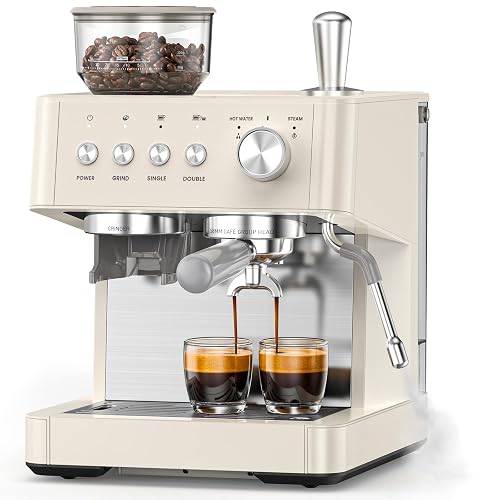
Electactic 15 Bar Espresso Machine with Built-In Grinder
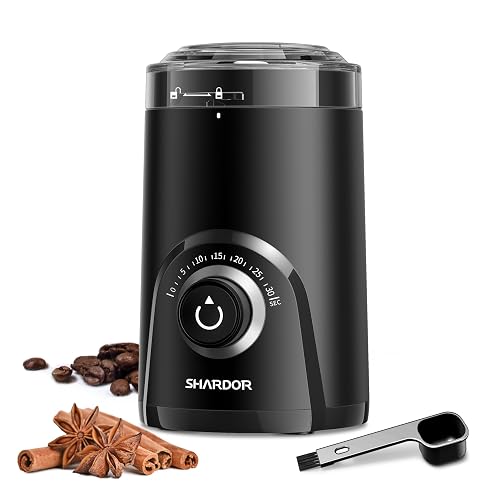
SHARDOR Electric Coffee Grinder 70g, Black
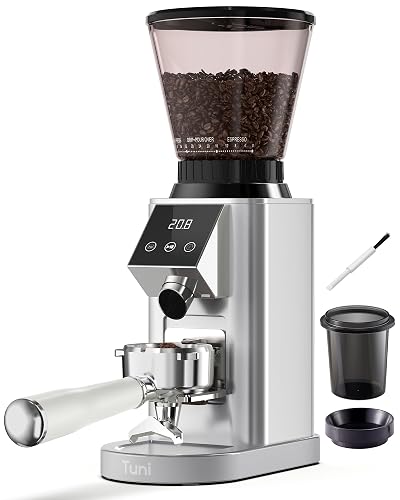
Tuni G1 Conical Burr Coffee Grinder 48 Grind Settings, Silver

Tuni G1 Conical Burr Coffee Grinder 48 Grind Settings, Ivory

Tuni G1 40mm Conical Burr Coffee Grinder 48 Grind Settings, Black
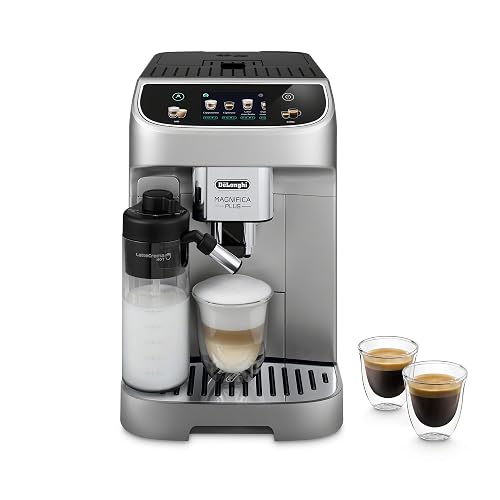
De’Longhi Magnifica Plus Automatic Espresso Machine, Silver
More Details On Our Top Picks
The 40 mm stainless steel conical burr gives this SHARDOR a serious edge for espresso-focused grinding, since a conical burr uses two cone-shaped grinding surfaces to shape grounds more evenly than a blunt blade. That matters in a busy kitchen where you want repeatable shots without constant fiddling.
The 51 settings give you room to move from espresso toward coarser methods, which is useful for households that brew more than one style. The trade-off is simple, the more settings you have, the more you need to remember your preferred spot, so it suits a routine-driven setup best.
Strong Points
- 51-step range gives you fine control for espresso and enough spread for slower brews.
- 40 mm conical burrs help keep grind shape more even, which supports more predictable extraction.
- Stainless steel burr construction is a solid fit for long-term countertop use.
- Touchscreen control keeps adjustments quick, especially during rushed mornings.
Things To Consider
- With many settings on hand, you may spend a little time dialing in your preferred espresso point.
- Touch controls can feel less tactile than a physical dial for hands-on users.
- Its strength is grinding precision, so it suits a dedicated coffee spot more than a travel setup.
Core Details
Who It Suits Best
Home espresso drinkers who want a broad grind range in a simple countertop machine will get the most from this pick.
A Better Fit Elsewhere
The Tuni G1 Conical Burr Coffee Grinder with 48 Grind Settings, Silver suits you better when you want a similar control set with a more streamlined touchscreen-led feel.
Compared with the SHARDOR above, this Aromaster leans a little harder into everyday cleanup and routine management. The anti-static treatment is the key phrase here, since static buildup is what makes grounds cling to containers and scatter onto counters.
The removable burr and included brush are small details that matter more than people expect, especially in kitchens where cleanup has to happen fast. You also get a 40-second adjustable timer, which helps you repeat a dose without guessing every morning.
Highlights
- Anti-static design helps reduce clingy grounds around the grinder and cup.
- Removable burr makes routine cleaning simpler than on sealed designs.
- 40-second timer supports consistent batches for espresso and drip use.
- 48 grind settings give you a useful middle ground for multi-method brewing.
- The included brush is a practical touch for regular upkeep.
Worth Noting
- The silver finish may show fingerprints more easily than darker housings.
- With many settings available, dialing in espresso can still take a bit of patience.
- Timer-based dosing works best in a steady routine, not in a rushed grab-and-go setup.
Feature Snapshot
Who It Suits Best
Households that switch between espresso, drip, and French press will appreciate the wider grind range and easier upkeep.
Another Choice May Suit
The SHARDOR Conical Burr Espresso Grinder with Precision Timer 2.0 fits better for someone who wants a more espresso-first setup with a stronger focus on fine control.
This Electactic shifts the conversation from standalone grinders to all-in-one espresso prep. A built-in grinder saves counter steps, and the anti-clog design aims to reduce the kind of hopper and chute buildup that can slow a morning routine.
The milk steam wand, frother, and tamping tools make it the most complete setup in this list for latte-style drinks. The trade-off is obvious, you get convenience and range, but you also commit to a larger machine footprint than a separate grinder.
Best Bits
- Built-in grinding keeps the workflow compact and easier to manage.
- 15 bar pressure spec places it in the typical home espresso category.
- Steam wand, frother, and tamping tools widen the drink range.
- Anti-clog design helps reduce interruption during regular use.
Areas To Watch
- Larger footprint makes it a weaker fit for tight counters.
- All-in-one machines can take more effort to clean than a separate grinder.
- Users who only want grinding control may be paying for features they will not use.
Details At A Glance
Who Will Love This
Home espresso drinkers who want a single machine for shots, milk drinks, and grinding will get the most value here.
Reach For A Different Pick When
The Aromaster Conical Coffee Bean Grinder 48 Settings, Silver makes more sense for a smaller kitchen that only needs a grinder, not a full espresso station.
This SHARDOR blade grinder is a different sort of tool from the burr models above. A blade grinder chops beans with spinning metal blades rather than crushing them between burrs, so it’s better suited to simple batch grinding than precision espresso tuning.
The 70 g capacity and visual timing knob make it appealing for kitchens that grind in larger batches or also handle herbs and grains. The honest read is that it fits best as a versatile countertop helper, not a dialed-in espresso specialist.
Upsides
- 70 g bowl size works well for small batch grinding.
- Timing knob gives you a straightforward way to control grind duration.
- Quiet operation suits shared homes and early mornings.
- Multi-use design covers coffee, herbs, and grains without extra gear.
Small Caveats
- Blade grinding gives you less particle consistency than a burr grinder.
- Espresso users will usually need more patience to hit a fine, repeatable result.
- Because it handles several dry ingredients, cleanup matters more after mixed use.
Core Details
The Right Fit
Home cooks who want a grinder for coffee plus spices and grains will find the broadest use here.
Where A Sibling Pick Shines
The Tuni G1 40mm Conical Burr Coffee Grinder with 48 Grind Settings, Black suits espresso-focused setup better because burrs give you more control over particle size.
Compared with the SHARDOR burr grinder, the Tuni G1 leans more modern in its control layout, with an LED touchscreen and electronic timer. That setup feels well matched to daily espresso routines where repeatability matters more than visual flair.
The stainless steel anti-static burr mill keeps the focus on cleaner dosing and a steadier grind path. You may still need a little dialing-in during the first few mornings, but that’s normal for any burr grinder that gives you real range.
Reasons To Buy
- 48 grind settings cover espresso and several coarser brew styles.
- LED touchscreen makes control feel clear and direct.
- Anti-static burr design helps keep grounds where they belong.
- Precision timer supports more repeatable dosing from one session to the next.
Points To Note
- Touch controls are clean-looking, but some people still prefer a physical dial.
- Like most grinder setups with many steps, espresso dialing may take a few attempts.
- Silver finishes can show wear marks more readily than darker housings.
Technical Sheet
Built With In Mind
Daily espresso drinkers who want a modern control layout and easy dose repeatability will feel at home here.
Look Elsewhere When
The SHARDOR Electric Coffee Grinder 70g, Black suits you better when batch size matters more than burr precision.
This ivory version of the Tuni G1 keeps the same grinding logic as the silver model, then softens the visual footprint. That makes it a nice fit for lighter kitchens, open shelving, or any setup where a black appliance would feel a little heavy.
The stainless steel anti-static burr mill, precision timer, and touchscreen still do the real work. In practice, the difference here is mostly about how the grinder lives on your counter, which is enough to matter for some spaces and not at all for others.
Positives
- 48 settings give you the same brewing flexibility as the silver version.
- Ivory finish looks softer in bright kitchens.
- Precision timer helps keep dose amounts steadier.
- LED touchscreen keeps the control surface simple to read.
Softer Spots
- Light finishes can show coffee dust and smudges, so wipe-downs matter.
- The underlying feature set mirrors the silver Tuni G1 closely, so the choice is mostly visual.
Quick Facts
Best Suited To
Style-conscious home espresso drinkers who want the same control as the silver model with a lighter look should gravitate here.
Swap It Out When
The Tuni G1 40mm Conical Burr Coffee Grinder with 48 Grind Settings, Black fits better for kitchens that prefer a darker appliance body and a slightly tighter footprint.
Out of the Tuni trio, this black 40 mm version feels the most countertop-friendly for smaller kitchens. The 48 settings still keep it firmly in espresso-friendly territory, so you are not giving up control just because the body looks less imposing.
The anti-static burr mill and LED touchscreen work toward the same goal as the other G1 versions, cleaner handling and easier routine use. One thing worth considering is the 40 mm burr size, which is a clear spec advantage for people who care more about a compact profile than a bulkier machine.
Bright Spots
- 40 mm conical burrs keep the grinder compact without dropping into blade-grinder territory.
- 48 settings leave room for espresso and a few broader brewing styles.
- Black finish blends in well on busier counters.
- LED touchscreen adds clarity during early-morning use.
Minor Gripes
- Smaller size means less visual presence, which some people may prefer less than the silver or ivory versions.
- Compact bodies can still scatter grounds during routine emptying, so a wipe-down habit helps.
Feature Rundown
Whose Shelf It Belongs On
Apartment kitchens and smaller coffee corners suit this model especially well.
Where Another Pick Suits Better
The De’Longhi Magnifica Plus Automatic Espresso Machine, Silver suits you better when you want grinding bundled into a fully automatic espresso workflow.
This De’Longhi sits at the far end of the convenience scale, because the grinder is built into a machine that also handles brewing and milk drinks. For households that make espresso every day, that consolidation can feel like a clean lane instead of a tangle of separate gear.
The four user profiles and 18 one-touch recipes point to a setup meant for repeat routines, not constant manual tweaking. The trade-off is the usual one with super-automatic machines, you gain speed and structure, but you give up some of the hands-on control that dedicated grinder users enjoy.
What We Like
- Built-in grinder keeps espresso prep contained in one machine.
- 18 one-touch recipes support a broad drink routine.
- Four user profiles make shared use easier in multi-person homes.
- Milk frother expands the machine beyond straight espresso.
Room For Improvement
- All-in-one convenience usually comes with a larger footprint.
- Users who want to fine-tune grind settings separately may want a dedicated grinder instead.
- Super-automatic machines can bring more cleaning steps than a basic grinder.
Core Details
Who Should Grab It
Busy households that want one machine to handle grinding, brewing, and milk drinks will get the most value here.
Skip It When
The SHARDOR Conical Burr Espresso Grinder with Precision Timer 2.0 suits you better if you want a dedicated grinder and already own a machine you like.
How To Choose The Right grinders for espresso machine
Start With The Kind Of Brewing You Do
Espresso only calls for a tighter grind window than drip or French press, so the first question is how much range you actually need. A burr grinder with 48 or 51 settings gives you more room to fine-tune, while a blade grinder works better for general chopping than exact espresso dialing.
That difference matters in real kitchens because a single machine can feel either reassuring or fussy depending on your routine. Dedicated espresso drinkers usually benefit from conical burrs, while mixed-method households may prefer a grinder that moves smoothly between fine and coarse settings.
Look At Control, Not Just Capacity
Capacity tells you how much coffee fits in the hopper or bowl, but control tells you how repeatable the result will be. Electronic timers, touchscreen controls, and visible timing knobs all help you match grind output from one morning to the next.
That repeatability is the part people notice most after a week of ownership. In a shared kitchen, a simple timer can matter more than a larger chamber, because it keeps the routine predictable without extra measuring steps.
Decide How Much Cleanup You Want
Anti-static designs, removable burrs, and included brushes sound minor until grounds start sticking to the sides or collecting in corners. Those details shape how often you’ll actually want to clean the grinder, which affects how tidy your counter stays.
All-in-one espresso machines reduce separate parts on the counter, but they often add more cleaning steps inside the machine. A separate burr grinder usually keeps maintenance simpler, especially for people who brew once or twice a day and want a quick wipe-down afterward.
Match The Machine To Your Counter
Size and shape matter more than the glossy product photos suggest. A compact 40 mm burr grinder can suit apartment counters and narrow coffee stations, while a larger all-in-one machine makes sense only when you’ve got room to leave it out.
Finish matters too, because black bodies blend in easily and lighter tones can brighten a space. That’s a small thing on paper, but on a counter you see every morning, it can shape whether the setup feels calm or crowded.
Things Worth Knowing First
Common Shopping Slip Ups
Many people focus on the word espresso and ignore grind range, then end up with a machine that feels too narrow for the way they actually brew. Another common miss is overlooking cleanup features, which makes daily use feel more annoying than it should.
It also helps to separate burr grinders from blade grinders before choosing. Burrs support more consistent particle size, while blade models are better suited to general grinding and mixed ingredients.
The Upgrade Payoff
Higher-tier grinders usually cost more because they add finer control, more stable burrs, better timer systems, and features that reduce mess during dosing. Those extras are not cosmetic, they shape how repeatable your shots are and how much time you spend cleaning up.
The upgrade makes sense for espresso drinkers who brew daily and care about routine consistency. For lighter use, a simpler grinder or an espresso machine with a built-in grinder may make more sense than paying for a dedicated precision setup.
Frequently Asked Questions
Do espresso grinders need conical burrs?
Conical burrs are common because they help produce a more even grind than spinning blades. That makes them a strong match for espresso, where consistency matters.
How many grind settings should you look for?
Forty-eight or 51 settings give you a useful range for espresso and a few other brew styles. Fewer settings can still work, but the dialing process may feel tighter.
Is a built-in grinder worth it?
A built-in grinder suits you when counter space is limited and you want a single workflow. A separate grinder makes more sense when you want easier cleaning and more control over the grinding step.
Are blade grinders usable for espresso?
They can grind coffee, but they do not match burr grinders for evenness. Espresso drinkers usually get better repeatability from a burr-based machine.
What maintenance matters most?
Regular emptying and wiping keeps grounds from building up around the chute or bowl. Models with removable burrs or anti-static behavior make that routine less fussy.
Closing Thoughts
The right grinder depends on how much control you want and how much counter space you can spare. A dedicated burr grinder fits espresso-focused routines, while a blade grinder works better for general use, and a built-in grinder suits anyone who wants one machine to handle the whole path from bean to cup. Match the tool to your kitchen rhythm, and the choice gets a lot easier.
