

Choosing the right gas tanks for bbq comes down to fit, fuel capacity, and how often you cook. A weekend griller has different needs from someone who keeps a patio setup ready for weeknight dinners, tailgates, or camper trips. The picks below focus on steel tanks, refill-friendly cylinders, and gauge-equipped options that make fuel checks less of a guessing game. You’ll also see a few connector-style accessories for setups that need monitoring more than storage.
Quick Shortlist For Busy Grill Setups

Flame King YSN-201 20-Pound Steel Propane Tank Cylinder

Boss Life Outdoors Propane Cylinders 16 Oz 6 Pack

Flame King 20LB Steel Propane Tank Cylinder with Built-in Gauge
Flame King YSN230 20LB Steel Propane Tank Cylinder with Gauge

Flame King YSN330 30lb Steel Propane Tank Cylinder with Gauge

Flame King 3LB Empty Steel Propane Tank Cylinder with Gauge
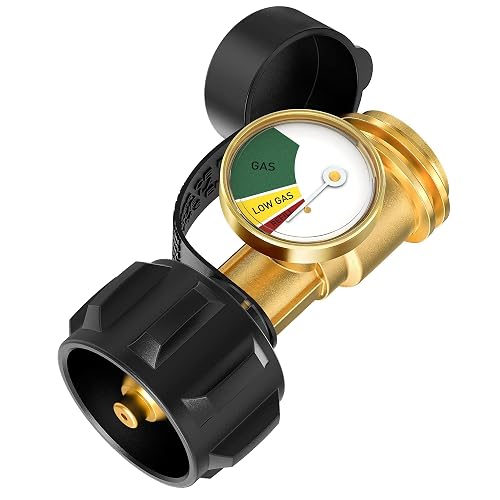
NUPICK Propane Tank Gauge for RV Camper BBQ Gas Grill

2024 New Propane Refill Elbow Adapter with Tank Gauge
More Details On Our Top Picks
For a standard backyard grill, this 20-pound steel cylinder keeps the setup simple. The Type 1 OPD valve matters because many filling stations expect that overfill-prevention design, and the white finish gives you a cleaner look than the usual bare industrial tank.
It suits you best when you want a straightforward swap-in tank for regular cookouts without extra gadgets attached. The honest trade-off is that you’re getting a plain cylinder, so fuel tracking depends on how you monitor your usage rather than on a built-in gauge.
What We Like
- Type 1 OPD valve supports common refill stations.
- 20-pound size fits most patio grills well.
- Steel body feels suited to regular outdoor use.
- White finish looks cleaner than many utility tanks.
Points To Note
- No built-in gauge, so fuel checks stay manual.
- Steel tanks still need normal exterior care after storage.
Feature Snapshot
Who It Suits Best
Backyard grill owners who want a standard refillable tank with no extra frills will feel at home with this one.
A Better Fit Elsewhere
Flame King 20LB Steel Propane Tank Cylinder with Built-in Gauge suits you better if you want fuel visibility without adding a separate gauge.
This six-pack leans toward portability, not patio permanence. Each 16-ounce steel cylinder fits the sort of compact camping stove or outdoor burner that’s easier to pack than a full-size tank, and that makes it handy for weekend use.
You’ll appreciate the extra count more than the individual cylinder size, especially on trips where you want spares in the vehicle or gear bin. The trade-off is obvious, though, since these smaller cylinders are not the right match for a grill that burns through fuel quickly.
Highlights
- Six cylinders give you multiple backups.
- Small 16-ounce format travels easily.
- Steel construction suits rougher packing conditions.
- Handy for camping stoves and compact gear.
Small Caveats
- Not a match for full-size grill run times.
- Smaller cylinders mean more frequent replacement planning.
- Storage stays simpler, yet the pack still needs dry handling.
Core Details
Built With In Mind
Camp cooks and tailgaters who rely on small portable burners will get the most practical use from this pack.
Another Choice May Suit
Flame King YSN330 30lb Steel Propane Tank Cylinder with Gauge suits you better for long cook sessions and larger patio grills.
Gauge-equipped tanks make life easier during a long cook, and this one keeps that idea straightforward. The built-in meter helps you estimate remaining propane without guessing, while the 20-pound steel build keeps it in familiar backyard territory.
Compared with the plain Flame King YSN-201, this version is for you if fuel visibility matters more than a cleaner, simpler shell. The honest catch is that gauges are helpful guides, not a substitute for normal refill planning.
Reasons To Buy
- Built-in gauge gives you a quick fuel read.
- 20-pound size works for common grill setups.
- Steel construction fits regular outdoor storage.
- Good match for cooks who track fuel closely.
Areas To Watch
- Gauge readings still need common sense and timing.
- Steel tanks benefit from routine drying after use.
Quick Facts
Who Will Love This
Grill owners who dislike surprise fuel runs and want a simple read on tank level will find this an easy fit.
Where A Sibling Pick Shines
Flame King YSN-201 20-Pound Steel Propane Tank Cylinder suits you better if you prefer a plainer tank with fewer added parts.
This tank sits in the same useful size class as the prior Flame King pick, but the powder-coated steel adds a more finished, rust-resistant outer layer. For most patios, that matters more than flashy extras because the tank spends a lot of time sitting beside the grill or in storage.
The built-in gauge keeps fuel checks close at hand, and the OPD valve supports a more standard fill process. You may find the combination useful for steady home grilling, though any steel cylinder still deserves a dry storage spot and occasional wipe-down.
Upsides
- Built-in gauge helps you keep an eye on fuel.
- Powder-coated steel adds a cleaner outer finish.
- OPD valve supports common refill expectations.
- Well suited to regular grill-side storage.
Worth Noting
- Gauge accuracy still depends on how the tank sits and warms.
- Powder coat helps, but outdoor storage still needs care.
Feature Card
Right Fit For
You’ll get the most from this tank if you want an ordinary 20-pound cylinder with a gauge and a more protected exterior finish.
Skip It When
Flame King YSN330 30lb Steel Propane Tank Cylinder with Gauge is the better call for you if your grill sessions run longer and need more fuel on hand.
This is the tank you notice most when you don’t want to think about fuel halfway through a long cook. The 30-pound size gives you more reserve than the 20-pound picks above, and the built-in gauge helps you judge what’s left without pulling the tank away from the grill.
It makes sense for frequent grillers, campers, and anyone running a larger outdoor setup where the extra capacity pays off in fewer refills. The trade-off is plain enough, since the larger cylinder takes more space and feels less convenient to move around.
Best Bits
- 30-pound size offers more cooking reserve.
- Built-in gauge helps with fuel planning.
- OPD valve supports standard refill handling.
- Good fit for long cook sessions and outdoor trips.
- Steel body suits regular storage near a grill or RV.
Minor Gripes
- Larger footprint takes more storage space.
- Heavier than the 20-pound and 3-pound options.
- Moving it around takes a bit more effort.
Details At A Glance
Best Suited To
You’ll like this most if you grill often, cook for a group, or want fewer fuel top-offs during the season.
Swap It Out When
Flame King 20LB Steel Propane Tank Cylinder with Built-in Gauge suits you better if storage space matters more than extra runtime.
Not every setup needs a full-size cylinder, and this 3-pound option makes that clear fast. It’s an empty steel tank with a gauge, OPD valve, and QCC-Type 1 valve, so it fits smaller gear while still giving you the same general fuel-awareness idea as the larger Flame King tanks.
You’ll notice the portability right away in a camper, fishing kit, or small outdoor cooking station. The trade-off is simple, because the compact size means you’ll want a lighter-duty use case rather than a long grilling marathon.
Positives
- Very compact for travel and small storage spaces.
- Gauge helps you monitor fuel without guesswork.
- OPD valve and QCC-Type 1 valve add common compatibility.
- Steel body feels suitable for repeated handling.
Softer Spots
- Small capacity means more frequent refills.
- Better for light use than long cook sessions.
- Handy size, but not the right choice for large grills.
Technical Sheet
The Right Fit
Campers and owners of compact outdoor burners will appreciate the smaller footprint and simpler handling.
Look Elsewhere When
Boss Life Outdoors Propane Cylinders 16 Oz 6 Pack suits you better if you want multiple small cylinders instead of one refillable tank.
This is the kind of add-on that helps you read a tank instead of replacing it. The brass body, luminous dial, and QCC1 or Type 1 connection make it useful for RV campers, grills, heaters, and fire pits that already use compatible propane hardware.
The leak detector feature and tool-free handwheel make it practical for everyday setup, though the dial still depends on temperature and tank conditions just like other pressure-based gauges. For you, that means the gauge is most helpful as a quick indicator, not the final word on fuel status.
Bright Spots
- Brass construction brings a sturdier feel.
- Luminous dial helps with day or night checks.
- QCC1 and Type 1 compatibility covers many setups.
- No-tool installation keeps setup simple.
- Works across RV and backyard propane gear.
Room For Improvement
- Pressure readings shift with temperature.
- Gauge remains a guide, not a precise meter.
- Compatibility depends on matching your hose and tank setup.
Feature Rundown
Whose Shelf It Belongs On
RV owners and grill setups with compatible connections will get the most from this gauge.
Reach For A Different Pick When
Flame King YSN230 20LB Steel Propane Tank Cylinder with Gauge suits you better if you want the tank and gauge combined into one piece.
This adapter leans into convenience for smaller 1-pound bottles, especially for camping, grilling, and RV use. The brass build and luminous gauge give it a more polished feel than a plain connector, and the no-tool setup keeps the process approachable.
It makes the most sense when you already use small cylinders and want a way to refill them from a larger propane source. The trade-off is that it’s an accessory, so it helps a specific workflow rather than replacing a full tank.
Standout Traits
- Solid brass construction supports repeat use.
- Gauge includes lighting for low-light checks.
- Tool-free connection keeps setup simple.
- Useful for refilling 1-pound cylinders from larger sources.
Honest Caveats
- Works best for people already using 1-pound bottles.
- Accessory design means it depends on your existing gear.
- Refill workflows call for careful, steady handling.
Core Details
Made For
You’ll get the most value from this adapter if you already rely on 1-pound propane bottles for travel or occasional outdoor cooking.
Where Shoppers Go Wrong
Flame King 3LB Empty Steel Propane Tank Cylinder with Gauge is the better fit for you if you want a refillable small tank instead of an adapter.
How To Choose The Right gas tanks for bbq
Start With Tank Size And Use Pattern
Tank size does most of the work in this category. A 20-pound cylinder suits many patio grills, while a 30-pound option gives you more cushion for long cookouts or shared meals. Small 3-pound tanks and 16-ounce cylinders make more sense for travel gear, compact burners, and quick sessions.
Think about how often you cook and how long your burners usually stay lit. A family that grills several nights a week benefits from fewer refill stops, while a camper usually values easy carrying and tidy storage more than runtime.
Match The Valve And Connector To Your Gear
The valve type and connector style matter just as much as size. An OPD valve, which stands for overfill protection device, helps keep fills in line with common station requirements, and a QCC1 or Type 1 connection is the standard many propane hoses use.
That’s where careful matching saves headaches. A tank can look right on paper and still miss the mark if the connector does not match your grill, heater, or RV line.
Decide Whether A Gauge Helps Your Routine
A built-in gauge is useful when you dislike surprise interruptions in the middle of a cook. It gives a quick fuel read, which is handy for weekend grilling or long tailgates where you want to plan the next refill before things get tight.
Gauges still reflect conditions, not magic. Temperature and tank position affect how pressure reads, so the gauge works best as a practical estimate rather than a lab-style measurement.
Look At Storage, Portability, And Finish
Steel tanks are common because they feel solid and practical, but they also deserve normal care. A powder-coated finish or cleaner painted exterior can help the cylinder look better over time, especially when it sits outdoors near the grill.
Portability matters more than many shoppers expect. A heavier tank can be a better match for a fixed patio station, while a compact cylinder is easier to carry into a camper, store in a small shed, or pack with other outdoor gear.
A Quick Reality Check Before You Choose
Mistakes Worth Dodging
One common slip-up is picking a tank only by size and forgetting the connector. Another is assuming a gauge removes the need to check fuel before a long cook.
Storage is the other point that gets skipped too often. Steel cylinders last longer in everyday use when you keep them dry, upright, and away from unnecessary bumps.
The Upgrade Payoff
Higher-tier options usually spend extra on convenience, not just capacity. A built-in gauge, a coated steel shell, or a brass connector adds usability that pays off every time you set up the grill or pack the RV.
That upgrade makes the most sense for frequent use. Weekend-only cooks can stay with a simpler cylinder, while heavy grillers and trip planners often appreciate the lower hassle of a more refined setup.
Frequently Asked Questions
What size gas tank works for most backyard grills?
A 20-pound cylinder fits many common backyard grills. It gives you a familiar balance of fuel capacity and manageable size.
Do propane tank gauges give exact readings?
They give a useful estimate, not an exact lab-style number. Temperature and tank position can change how the dial looks.
What does an OPD valve do?
OPD stands for overfill protection device. It helps limit overfilling during refill handling.
Are small propane cylinders better for camping?
Small cylinders are easier to carry and store in travel gear. They make the most sense for compact stoves, heaters, and short cook sessions.
Can you use a gauge adapter with any propane setup?
No, the connector has to match your hose and tank style. A QCC1 or Type 1 fit is common, but compatibility still needs to line up with your equipment.
Closing Thoughts
The right gas tanks for bbq depend on how you cook, where you store your gear, and whether you want a plain cylinder or a gauge-equipped setup. For steady home grilling, a 20-pound tank stays the most familiar path, while campers and RV owners often get more value from compact cylinders or connector accessories. Keep the valve type, connector fit, and storage space in view, and your choice gets much easier. The cleanest pick is usually the one that fits your routine without asking for extra fuss.
