

Clear storage can spare a lot of guesswork in a pantry, fridge, or carryout setup. That matters most in busy kitchens, meal prep routines, and food-service counters where a fast glance beats opening every lid. The strongest options in this roundup separate by use case, from soup cups and deli tubs to stackable pantry canisters and hinged bakery boxes. Material, closure style, and pack size do most of the real work here.
Quick Look at the Shortlist

WGCC Deli Containers with Lids 48 Sets
Tosnail 50 Pack 25 oz. Plastic Food Storage Containers
Airtight Food Storage Container with Pop Lid, 4L/4.2qt 4-Pack

Oizeir Airtight Food Storage Containers with Lids 24-Pack

50 Clear Plastic Containers, 8 x 8 x 3 Hinged Lid Togo Clamshell

TOFLEN Sturdy Plastic Hinged Food Containers with Clear Lids, 40 Pack
More Details On Our Top Picks
WGCC leans into portion flexibility, which suits leftover soup, sauces, and lunch prep better than a single-size tub. The mix of 8, 16, and 32 ounce containers gives more room to sort small sides from full servings, and that matters in a fridge packed with odds and ends.
Microwave, freezer, and dishwasher compatibility adds real day-to-day convenience, though disposable-style deli tubs are still a lighter-duty choice than rigid pantry canisters. In a home kitchen that rotates meals quickly, that trade-off usually makes sense.
Strong Points
- Three container sizes cover different portions without hunting for matching pieces.
- Clear plastic makes stored food easy to identify at a glance.
- Works across reheating, freezing, and cleanup routines.
- Useful for meal prep stacks in crowded refrigerators.
Points To Note
- Disposable construction usually feels lighter than hard pantry storage jars.
- Best suited to short-to-medium food holding, not decorative counter display.
Feature Snapshot
Who It Suits Best
Home cooks who portion soups, grains, or leftovers in a tight weekly routine get the most from this set.
Where Another Pick Suits Better
Ankou Airtight Food Storage Container with Pop Lid, 4L/4.2qt 4-Pack fits pantry organizers who want rigid, stackable dry-storage bins instead.
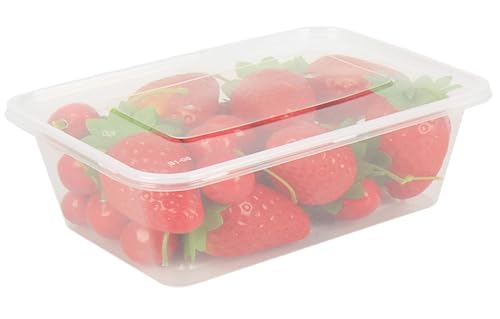
Tosnail takes a straightforward meal-prep route, with a 25 ounce format that fits many lunch portions without feeling oversized. That size works well for desk lunches, grab-and-go dinners, and fridge shelves that need clean stacking rather than bulky shapes.
Compared with WGCC’s size mix, this set stays more uniform, which simplifies packing the same meals over and over. The clear finish helps with quick identification, though the real value here is consistency rather than variety.
Upsides
- Uniform size keeps meal prep organized and predictable.
- Clear sides make it easy to spot contents before opening.
- Twenty-five ounce capacity suits many lunch portions.
- Large pack count supports batch cooking and weekly rotation.
- Simple shape stores neatly in freezer or refrigerator shelves.
Minor Gripes
- Single-size packs are less adaptable than mixed-size sets.
- Meal-prep styling is practical, but not especially polished for serving.
- Frequent reuse can call for careful lid handling over time.
Core Details
Who Will Love This
Meal-prep fans who want a simple, repeatable container size for work lunches get the clearest payoff here.
Look Elsewhere When
WGCC Deli Containers with Lids 48 Sets is the better fit for kitchens that need several portion sizes in one bundle.
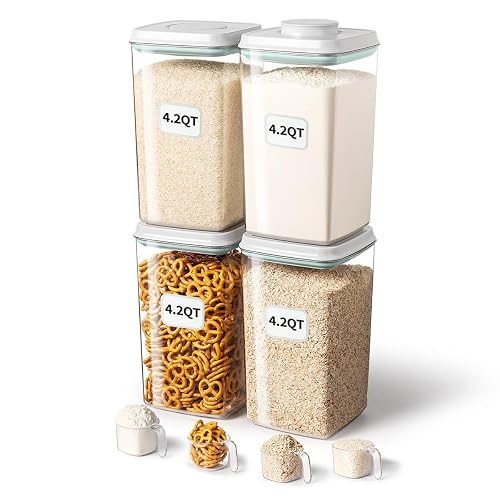
Ankou shifts the category toward pantry storage, not transport. The pop lid, meaning a lid that opens with a simple press or lift mechanism, is paired with a 130 ml scoop and a 4 liter capacity, which helps organize cereals, rice, flour, pasta, and snacks in a more deliberate setup.
That makes it a strong match for dry-goods shelves where visibility and easy scooping matter more than portability. Compared with the first two picks, this one feels less like a lunch container and more like a pantry system.
Reasons To Buy
- Four-liter size suits bulk dry goods and family pantry staples.
- Included scoop supports cleaner, more measured serving from the bin.
- Stackable shape helps keep shelves orderly.
- Clear body makes content checks fast in a busy pantry.
- BPA-free build is a useful material note for storage-minded kitchens.
Softer Spots
- Best for dry storage, not transport-heavy food routines.
- Large pantry bins take up more shelf depth than deli tubs.
- The scoop adds convenience, yet also adds one more piece to keep track of.
At A Glance
Built With In Mind
Pantry organizers and bulk-ingredient households will get the most value from the larger, stackable form.
Another Choice May Suit
Tosnail 50 Pack 25 oz. Plastic Food Storage Containers works better for packed lunches and refrigerator portions.
Oizeir sits close to the Ankou pick, but its 24-pack format changes the equation for households that want more individual bins instead of a few larger ones. That works nicely for flour, sugar, rice, cereal, and pasta, especially in kitchens where each ingredient gets its own labeled zone.
The airtight lid design adds a tighter storage feel for dry pantry goods, though the payoff is really about organization rather than showy features. In a crowded cabinet, this kind of set behaves like a filing system for staples.
Bright Spots
- Twenty-four pieces give a lot of sorting flexibility.
- Airtight closure style suits pantry staples that need a sealed container.
- Clear plastic simplifies content checks during cooking.
- Good fit for shelf-based organization in shared kitchens.
Areas To Watch
- Smaller individual bins may not suit bulk-batch households.
- Pantry-first design is less versatile for carryout use.
Details At A Glance
Whose Shelf It Belongs On
Shared kitchens and pantry planners who want many smaller containers for dry goods will get the most from this set.
Swap It Out When
Ankou Airtight Food Storage Container with Pop Lid, 4L/4.2qt 4-Pack is the better choice for households that prefer fewer, larger bins.
Supellectilem moves straight into food-service territory with a square clamshell shape that suits bakery counters, dessert boxes, and takeout display. The 8 by 8 by 3 inch footprint gives cakes, cookies, salads, and treats a more presentation-friendly container than a standard deli tub.
For caterers or home bakers packing finished goods, the hinged lid format is practical because it keeps the container in one piece. The trade-off is plain enough, it is built for transport and display, not for pantry stacking or freezer organization.
Best Bits
- Square profile presents desserts and pastries neatly.
- Hinged lid design keeps the container together during handling.
- Useful for strawberries, cookies, slices, and salad portions.
- Clear plastic lets finished food stay visible during sale or delivery.
Small Caveats
- Food-service shape is less convenient for home pantry storage.
- Single-use style is not aimed at long-term kitchen organization.
- Best suited to square items and plated portions, not loose staples.
Core Details
Right Fit For
Home bakers, caterers, and small dessert counters get the clearest benefit from the square clamshell format.
Reach For A Different Pick When
Tosnail 50 Pack 25 oz. Plastic Food Storage Containers is the better choice for lunch prep and refrigerator portions.
TOFLEN takes the hinged-box idea in a narrower loaf-style direction, which is useful for cake slices, sandwiches, salad portions, and pastry packs. The 7.2 by 4.7 by 3 inch size is a neat fit for individual servings in cafes, lunch counters, or a home kitchen that sends food out the door often.
Compared with the Supellectilem square clamshell, this one is better aligned with longer, slimmer portions. It does not try to be a pantry organizer, and that focus is part of the appeal.
Standout Traits
- Narrow loaf shape suits slices and sandwiches well.
- Hinged construction keeps handling simple during prep and carryout.
- Clear lid makes packaged food easy to identify.
- Forty-pack format supports a regular takeout rhythm.
Worth Noting
- Loaf dimensions are more specialized than broad rectangular tubs.
- Better for carryout and display than pantry storage.
- Single-portion format means larger bakery items may need a different container.
Feature Rundown
Whose Shelf It Belongs On
Cafes, delis, and kitchen setups that package slim single servings will get the most from this shape.
Where A Sibling Pick Shines
Supellectilem 50 Clear Plastic Containers, 8 x 8 x 3 Hinged Lid Togo Clamshell fits wider bakery pieces and square dessert presentations better.
How To Choose The Right Clear Containers For Food
Match The Shape To The Job
Shape determines more than storage capacity. Deli tubs handle soups, stews, and leftovers with less waste, while pop-lid pantry bins make dry staples easier to scoop and stack. Hinged clamshells suit transport, display, and single servings, which is why bakery and takeout setups lean that way.
Material matters too, but the container format usually comes first. A rigid pantry bin behaves differently from a thin carryout shell, even before capacity enters the picture.
Pay Attention To Closure Style
Snap lids, pop lids, and hinged lids solve different problems. Snap lids work well for sealed pantry storage, pop lids speed up access to cereals and grains, and hinged tops keep a food box attached during delivery or counter service. The wrong lid style can turn a useful container into a nuisance.
That trade-off becomes obvious in real kitchens. Fast access helps in breakfast routines, while tighter closure matters more for flour, rice, or shredded ingredients.
Choose Capacity Around Daily Use
Small containers suit sauces, condiments, and side portions, while larger tubs help with family leftovers or bulk dry goods. Capacity is easiest to judge by the meal pattern, not by the label alone. A 25 ounce lunch box and a 4 liter pantry bin both make sense, but for very different jobs.
Clear sides help here because the contents show through before the lid comes off. That saves time in crowded fridges and cabinets where every extra opening slows the routine.
Things Worth Knowing Before You Order
Hidden Buying Traps
Confusing pantry storage with transport packaging is a common mistake. Another is underestimating how much shelf space stackable containers need once filled, especially in cabinets with low clearance. A third is assuming every clear container can handle the same level of daily wear.
Care routines matter as well. Dishwasher-safe claims help, but wide lids, narrow corners, and attached hinges still affect how easy cleanup feels after repeated use.
The Upgrade Payoff
Higher-tier containers usually cost more because of thicker walls, tighter-fitting lids, better stackability, and more specialized shapes. That extra structure pays off in busy kitchens where containers are opened, closed, and moved constantly. Pantry systems and food-service boxes also tend to justify better shape engineering because presentation and organization matter.
The upgrade makes less sense for occasional leftovers. Simple deli tubs stay practical when the goal is short-term use and easy replacement.
Closing Thoughts
Clear containers for food work best when the shape matches the routine. Deli tubs suit leftovers and meal prep, pantry bins handle dry staples, and clamshell boxes serve carryout and display. The strongest choice here depends less on novelty and more on how often food is stored, moved, or served. Get that part right, and the rest of the setup feels much easier to live with.
