

Baking plates for oven use come into focus fast in kitchens that handle pizza nights, tray bakes, and quick reheats. Stainless steel rounds, carbon steel plates, and compact sheet pans each bring a different balance of heat response, cleanup, and storage fit. The right match depends on oven size, cooking style, and how much surface area gets used on a normal weeknight.
Quick Look At The Shortlist

AWTBDP 13½ Inch Pizza Pan for Oven, 2PCS Round Stainless Steel Pizza Pans
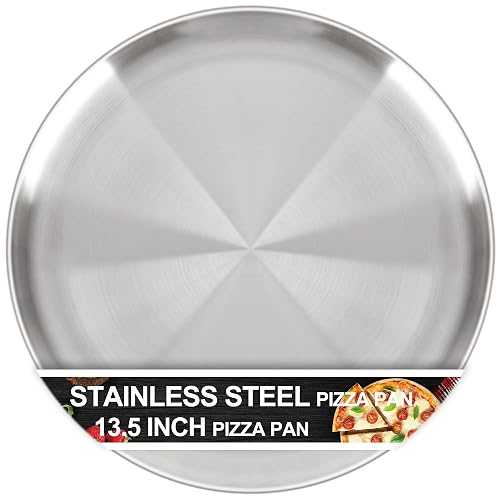
AWTBDP 13½ Inch Pizza Pan for Oven, Nonstick Large Round Stainless Steel Pizza Pan
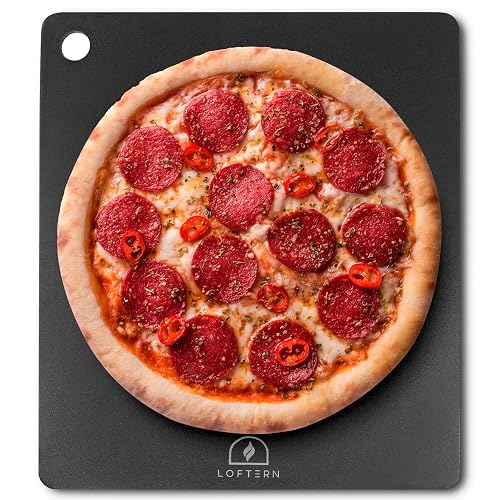
Loftern 14″ x 16″ Pizza Steel
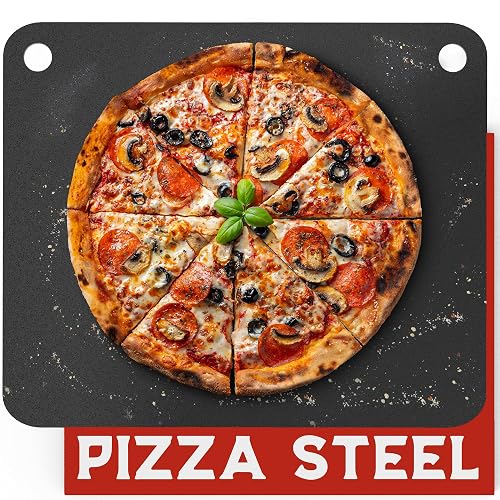
Primica Pizza Steel XL for Oven & Grill, 16″ x 13.4″

CEKEE Quarter Sheet Pan Set of 4, Stainless Steel Baking Sheets
CEKEE 4 Pieces Baking Sheet Pan Tray, Small Stainless Steel Cookie Sheets
More Details On Our Top Picks
Two matching 13.5-inch pans make this AWTBDP set a straightforward fit for pizza nights, pie crusts, and sheet-style baking. The stainless steel build keeps cleanup simple, and the paired format helps households that rotate pans through a busy oven.
The trade-off is that round pans naturally give up some usable edge-to-edge space compared with square trays. In a small kitchen, though, the stacked pair is easier to store than a bulky steel slab, which makes the set feel practical rather than fussy.
Strong Points
- Two-pan pack adds flexibility for back-to-back bakes
- Round shape suits pizza, pie, and tart use
- Stainless steel construction keeps upkeep uncomplicated
- Works well for households that bake often
Things To Consider
- Round format leaves less room than a rectangle tray
- Steel pans can feel plain beside heavier baking plates
- Best for cooks who value simplicity over thickness
Feature Snapshot
Who It Suits Best
Home cooks who want a dependable two-pan set for pizzas and pies in a standard oven get the most from this format.
A Better Fit Elsewhere
Loftern 14″ x 16″ Pizza Steel suits cooks who want a thicker surface for bread and high-heat baking more than a paired pan set.
Compared with the two-pan AWTBDP set above, this single-pan version trims the footprint and keeps ownership more minimal. A nonstick finish tends to matter most in weeknight use, because cheese, crust, and sweet batters usually release with less effort than bare steel alone.
That lighter approach does mean less total output than a set of pans or a larger baking plate. For smaller households, apartment ovens, and casual pizza makers, the trade feels sensible, and the dishwasher-safe note adds some convenience after a busy meal.
What We Like
- Single-pan format keeps storage simple
- Nonstick surface supports easier food release
- Round profile fits common oven pizza use
- Dishwasher-safe care suits busy kitchens
Small Caveats
- Only one pan, so there is less batch capacity
- Round shape still leaves some oven space unused
- Best for lighter baking, not large-volume prep
At A Glance
Who Will Love This
Apartment cooks and small households that want a basic round pan without much storage fuss will find the format appealing.
Swap It Out When
Primica Pizza Steel XL for Oven & Grill suits cooks who want a thicker steel baking surface and larger footprint for more demanding crust work.
The Loftern steel shifts the conversation from simple pans to a denser baking surface built for heat retention. Carbon steel, a metal that handles direct oven heat with more mass than thin sheet pans, tends to suit bread, pizza, and any crust that benefits from strong bottom browning.
Its 14 by 16-inch footprint gives it a broad working area, and that size helps in ovens that can handle a larger slab without crowding racks. The trade-off is weight and handling, so this feels more like a serious tool than a casual tray.
Upsides
- Thick steel construction supports steady heat
- Large surface works for pizza and bread
- Also suited to grills and pizza ovens
- Useful for crisping crusts and sourdough
Areas To Watch
- Heavier than a standard pan
- Large size may feel oversized in compact ovens
- Needs more storage room than round pans
Core Details
Built With In Mind
Pizza and bread hobbyists who want a large steel plate for regular high-heat baking will get the most value here.
Where A Sibling Pick Shines
CEKEE Quarter Sheet Pan Set of 4 fits cooks who need lighter stainless pans for smaller batches and easier cabinet storage.
Primica’s XL steel sits in the same high-heat category as the Loftern plate, but the 0.25-inch thickness pushes it toward a more substantial feel. That extra mass generally matters most for cooks who care about stronger bottom color and a larger landing zone for pizza launch and bread shaping.
The rectangle format makes better use of oven space than a round pan, though it also asks for more careful handling and storage. For kitchens that already make room for heavy cookware, this is the kind of plate that earns its spot through sheer presence.
Best Bits
- Quarter-inch thickness brings a weighty build
- XL surface suits larger pizzas and trays
- Works in both oven and grill settings
- Rectangle shape uses rack space efficiently
- Good match for crust-focused baking
Points To Note
- Thicker steel means more heft to move
- Needs a cabinet or shelf with room
- Better suited to committed pizza use than casual baking
Details At A Glance
The Right Fit
Serious home pizza cooks who want a thick steel plate with more surface area than a round pan will find this one appealing.
Skip It When
AWTBDP 13½ Inch Pizza Pan for Oven, Nonstick Large Round Stainless Steel Pizza Pan fits lighter use and smaller storage spaces more cleanly.
This CEKEE set moves away from pizza-first shapes and into everyday baking sheet territory. The 12 by 10-inch size is easy to slot into compact ovens, and the set of four works well for meal prep, cookies, roasted sides, or tray-style reheats.
Its 18/0 stainless steel construction matters because it avoids coatings and leans on plain metal durability instead. That makes the set feel sensible for households that want sturdy pans without the maintenance habits that often come with coated bakeware.
Reasons To Buy
- Four-pan set handles multiple tasks
- Compact quarter-sheet size suits small ovens
- Stainless steel build keeps care straightforward
- Useful for baking, roasting, and reheating
- No coating to manage during routine use
Worth Noting
- Smaller than a standard half-sheet pan
- Best for modest batches rather than large trays
- Plain steel look is functional, not decorative
Technical Sheet
Made For
Small kitchens, dorm-style cooking setups, and meal-prep routines benefit most from this compact four-pack.
Another Choice May Suit
Loftern 14″ x 16″ Pizza Steel serves cooks who want a thicker, larger plate for crisp crust work rather than a compact sheet set.
The smallest CEKEE set leans into tight spaces, toaster ovens, and quick-batch baking. At 9.3 by 6.9 inches, each pan can fit jobs that feel awkward on larger trays, from small cookies to single portions of roasted vegetables.
Like the quarter-sheet set, this one uses stainless steel and skips chemical coatings, so the maintenance story stays plain and predictable. The trade-off is capacity, which is exactly why this suits compact kitchens more than family-sized baking sessions.
Bright Spots
- Small footprint suits compact ovens
- Four-piece pack adds everyday flexibility
- Stainless steel build supports long-term use
- Good for small servings and snacks
Minor Gripes
- Very limited capacity for larger meals
- Size works best for small-batch cooking
- Less versatile than a bigger sheet pan
Feature Card
Perfect Match For
Compact kitchens, single-serve baking, and toaster-oven setups suit this set especially well.
Look Elsewhere When
CEKEE Quarter Sheet Pan Set of 4 makes more sense for cooks who need a bit more surface area without leaving the stainless-steel category.
How To Choose The Right baking plates for oven
Material And Heat Response
Stainless steel, carbon steel, and thicker steel plates behave differently in a hot oven. Stainless steel is easy to live with and usually lighter, while carbon steel and pizza steel bring more mass, which helps steady the bake surface and supports stronger bottom browning. That extra mass also means more weight and more storage pressure, so the better choice depends on whether convenience or heat performance matters more.
Pizza-focused cooks usually lean toward steel plates because the surface responds faster to heat and can support crisp crusts. Round stainless pans work better for pie shells, casual pizzas, and lighter household use. A busy kitchen often benefits from having both styles, since the shapes and materials solve different problems.
Size, Shape, And Oven Fit
Size matters more than the listing photos suggest. A 14 x 16-inch steel plate can be excellent in a roomy oven, then awkward in a compact one, while a 12 x 10-inch quarter sheet stores neatly and still handles cookies, vegetables, and reheats. Round pans save some mental effort for pizza and tart work, but rectangle sheets usually make better use of rack space.
The right shape also affects batch cooking. A two-pan set can cover dinner and dessert without a second round of cleanup, while a single large plate favors one dramatic bake at a time. That distinction matters in real kitchens, because storage drawers and oven racks are rarely generous.
Cleanup And Long-Term Ownership
Coating-free stainless steel usually asks for less caution than coated pans, especially in households that use metal tools or scrapers. Smooth steel can still show heat marks, and heavier plates need handwashing space and drying room, so easy care is not the same thing as zero effort. The cleaner the material, the more forgiving the routine tends to be.
Durability also links to how the pan will be stored and handled. Thin pans are easy to stack, but they may flex more under load, while heavier baking plates sit solidly and demand more cabinet room. For regular home use, the best choice is rarely the flashiest one, it’s the one that fits the oven, the shelf, and the weekly cooking rhythm.
A Quick Reality Check
Common Shopping Slip Ups
Shape mismatch is the easiest mistake to make. A round pizza pan can be a fine tool, yet it will not use oven space the way a rectangular sheet does.
Another common miss is overlooking storage. A thick steel plate sounds appealing until a cramped cabinet makes it a daily hassle.
Why Top Tier Costs More
Higher-tier baking plates usually use more material, which raises weight, thickness, and heat stability. That extra steel can make a noticeable difference for crust color and oven recovery, especially in pizza-heavy homes.
The upgrade makes sense for cooks who bake often and value a more responsive cooking surface. Casual users, by contrast, may get more practical value from a lighter stainless pan set.
Closing Thoughts
Baking plates for oven use split into two clear lanes here, simple stainless pans for everyday convenience and heavier steel plates for stronger heat performance. That divide makes the shortlist useful instead of repetitive, because each pick answers a different kind of kitchen routine. The best match is the one that fits the oven, the storage space, and the way meals actually get made during the week.
