

Natural sponges for dishes suit kitchens that cycle through daily plates, pans, and glassware without much drama. The main appeal is straightforward: plant-based materials, scrub-and-wipe convenience, and pack sizes that make sense for regular replacement. The trade-off is also clear, since softer cellulose bodies and coarser scrub sides each bring different wear patterns. The shortlist below focuses on fit, surface safety, and everyday handling, not hype.
Quick Shortlist For Faster Comparison

bioGo 12 Pack Natural Biodegradable Kitchen Sponges

kickleen 9 Pack Biodegradable Natural Kitchen Sponge Dish Sponges

Scotch-Brite Greener Clean Non-Scratch Scrub Sponge 6 Pack

Silkyhose 12 Pack Natural Kitchen Sponges
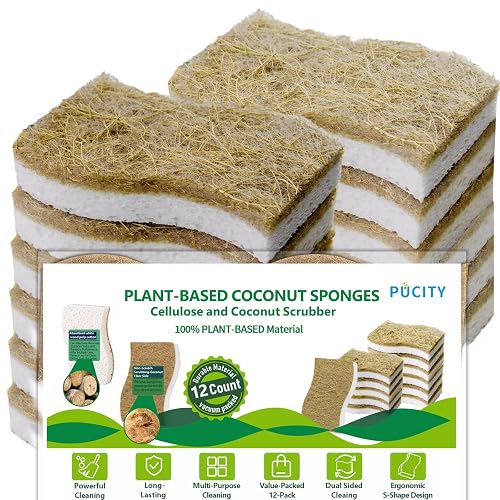
PUCITY Natural Dish Sponge Plant-Based Biodegradable Compostable

hasumcol Natural Sponges for Dishes 12 Pack
More Details On Our Top Picks
bioGo leans into the straightforward part of the category, a cellulose sponge format that suits a busy sink and repeated rinse cycles. The 12-pack setup keeps extras on hand for households that move through sponges quickly, though the softer body means heavy baked-on residue still calls for patience.
That mix makes sense in a small kitchen, a rental, or a setup where drawer space matters more than novelty. Compared with the Scotch-Brite Greener Clean option, this one points more clearly toward simple everyday dishwork than toward a harder scrub profile.
What We Like
- Cellulose construction supports routine wiping and washing.
- Pack size fits households that replace sponges often.
- Soft feel works well on everyday plates and cups.
- Plant-based material profile suits low-clutter kitchens.
Things To Consider
- Soft sponge body is less suited to stuck-on crust.
- Frequent rinsing helps keep the texture from lingering damp.
- Simple build leaves no extra scrub zone for tougher pans.
Feature Snapshot
Who It Suits Best
Households that want a basic, plant-based dish sponge with a generous pack count stand to benefit most.
A Better Fit Elsewhere
Silkyhose 12 Pack Natural Kitchen Sponges suits cooks who want a scrub side for pots, pans, and glass alongside a cellulose face.
kickleen adds a more textured angle than bioGo by pairing cellulose with a coconut walnut scrubber. The result suits sink duty that moves from light washing to more stubborn residue, although the coarser side will feel less gentle on delicate finishes.
For a kitchen that sees mixed loads, that extra scrub surface matters more than another layer of softness. It is a solid middle-ground option for cooks who want one sponge format that can handle a wider spread of chores without looking overbuilt.
Strong Points
- Cellulose and walnut scrubber cover two cleaning needs.
- Useful for cooks who face both light and heavier residue.
- Pack of nine supports steady household use.
- Better grip on grime than a plain soft sponge.
Room For Improvement
- Walnut scrub side is less forgiving on sensitive surfaces.
- Two-material build can dry less evenly after washing.
- Smaller pack than several options in this roundup.
Core Details
Made For
Mixed-use kitchens that need more scrubbing range than a plain cellulose sponge usually provides.
Another Choice May Suit
bioGo 12 Pack Natural Biodegradable Kitchen Sponges suits homes that want a softer, simpler sponge in a larger count.
Scotch-Brite Greener Clean shifts the focus from compostable-style wording to a non-scratch scrub profile, which matters around coated pans and other sensitive surfaces. In a kitchen that handles nonstick cookware, that gentler cleaning angle is the main reason this pick stands apart from the coconut-walnut blends above.
The 6-pack count is smaller than several natural-sponge sets here, so it fits a more compact rotation. The honest read is that this one makes sense for careful cleanup more than for heavy, abrasive work, and that trade-off is plain from the product setup.
Highlights
- Non-scratch design suits coated cookware.
- Useful for kitchens that need a gentler scrub side.
- Also fits bathroom cleaning and general household wipe-downs.
- Smaller pack helps keep storage tidy.
Small Caveats
- Six-count pack offers less volume than many others here.
- Gentle scrub style is not built for the roughest residue.
- Not as overtly plant-based in presentation as the cellulose-led picks.
Details At A Glance
Whose Shelf It Belongs On
Homes with nonstick pans or delicate cookware benefit most from the gentler scrub profile.
Skip It When
kickleen 9 Pack Biodegradable Natural Kitchen Sponge Dish Sponges is the better route for mixed scrubbing needs that still want a natural-material angle.
Silkyhose combines cellulose, coconut, and a non-scratch surface, so the design reads like the broadest utility play in this lineup. That wider toolset helps in kitchens that move from glasses to pans, and then back to delicate surfaces without swapping sponge types every five minutes.
Compared with bioGo’s simpler cellulose layout, this one gives more range at the cost of a slightly more complex material profile. It feels especially sensible for households that want one packed set to cover several cleaning jobs, not just dish duty.
Upsides
- Three-part build covers absorbent and scrubby tasks.
- 12-pack format supports steady household rotation.
- Useful on pots, pans, and glassware.
- Plant-based angle suits kitchens that prefer simpler materials.
- Non-scratch surface widens cookware compatibility.
Points To Note
- More material layers can mean more to keep track of.
- Mixed construction may not feel as plain as a single-material sponge.
- Coarser side still deserves care on very sensitive finishes.
Quick Facts
Who Will Love This
Busy kitchens that want one set to cover a wide range of surfaces and residue types should look here first.
Look Elsewhere When
Scotch-Brite Greener Clean Non-Scratch Scrub Sponge 6 Pack fits smaller homes that want a simpler, gentler scrub setup.
PUCITY uses the familiar cellulose-plus-coconut scrub concept, but the naming puts the plant-based angle front and center. That matters for kitchen setups where a straightforward natural-material profile is part of the buying decision, even before pack count or texture enter the picture.
In day-to-day use, this sort of sponge works best as a middle lane choice, not a specialty tool. It compares closely with kickleen, though PUCITY reads a little more focused on the basic sponge-plus-scrub formula than on a broader mixed-material identity.
Best Bits
- Plant-based composition fits eco-minded kitchen routines.
- Cellulose and coconut scrub face handle varied jobs.
- Pack of 12 supports steady replacement habits.
- Simple shape keeps handling familiar and easy.
Area To Watch
- Basic design leaves little room for niche features.
- Scrub side may feel firmer than some sink jobs need.
- Material blend still calls for routine rinsing and drying.
Spec Overview
The Right Fit
Kitchen sinks that need a simple, plant-based sponge with a scrub face are the clearest match.
Where A Sibling Pick Shines
hasumcol Natural Sponges for Dishes 12 Pack suits households that want soap-holding convenience alongside the scrub side.
hasumcol leans into the soap-holding angle, which gives it a different job profile from bioGo’s simpler cellulose sponge. That detail matters in fast-moving kitchens where keeping the scrub surface loaded and ready can shave a few steps from the sink routine.
The 12-pack format is practical for regular use, while the compostable and coconut-scrubber pairing keeps it aligned with the rest of this category. It is a sensible fit for everyday washing, though the soap-retaining design naturally feels more specialized than a plain sponge body.
Positives
- Soap-holding design helps speed sink work.
- 12-pack count supports frequent rotation.
- Compostable and biodegradable positioning stays consistent with the category.
- Coconut scrubber adds texture for residue.
Softer Spots
- Soap-retaining focus may feel niche for simple wipe-downs.
- Scrub side still deserves care on delicate finishes.
- Like most sponge sets, drying habits matter for long-term freshness.
Feature Rundown
Built With In Mind
Fast sink cleanup in a busy kitchen is the clearest use case for this pick.
Swap It Out When
bioGo 12 Pack Natural Biodegradable Kitchen Sponges makes more sense for shoppers who want the simplest cellulose-first format.
How To Choose The Right natural sponges for dishes
Start With Surface Compatibility
Surface safety matters before anything else. A plain cellulose sponge feels soft and absorbent for plates, cups, and light cleanup, while a scrubbed or coconut-based face adds more bite for stuck residue. Nonstick cookware, glass, and coated pans usually call for the gentler end of the category, so a non-scratch label carries real weight.
The trade-off is simple: more scrub power usually means less softness. Households that wash delicate items daily often prefer the smoother path, while heavier sink duty benefits from a firmer texture. That split is the main reason the shortlist includes both simple cellulose picks and mixed-material options.
Match The Pack Size To Kitchen Rhythm
Pack count shapes ownership in a very direct way. A 12-pack suits busy homes, shared kitchens, or routines that replace sponges often, while a 6-pack fits compact storage and lighter use. Smaller packs also make sense for households that want to keep the sink area uncluttered.
The quantity alone does not make a sponge better, though it does affect convenience. Bigger packs reduce how often reordering comes up, but they also ask for drawer or under-sink space. In a small apartment kitchen, that can matter almost as much as the material itself.
Think About Texture And Cleaning Jobs
Texture decides whether a sponge behaves like a soft wipe or a more assertive scrub tool. Cellulose usually handles daily dishes and rinse-heavy work, while coconut or walnut scrub sides help with cooked-on residue and pan edges. A keep-soap design adds another layer of convenience for fast turnover at the sink.
Mixed surfaces shine in kitchens that move from glasses to pans and back again. Purely soft sponges feel easier on finishes, but they ask for more effort on stubborn messes. The right call depends less on branding and more on the kind of mess that shows up most often.
Consider Maintenance And Drying Habits
Sponge care is not glamorous, but it affects how long a set feels fresh in real use. Any sponge that holds moisture too long can feel tired quickly, so airflow and regular rinsing matter. Firmer scrub layers can also trap residue around edges more easily than a plain soft block.
For kitchens with heavy daily washing, convenience usually wins over novelty. A simple shape tends to be easier to rinse, wring, and store. More complex multi-layer designs can be helpful, yet they ask for a bit more attention after each sink session.
What To Weigh Before You Commit
Mistakes Worth Dodging
A common miss is treating every sponge as interchangeable. A soft cellulose sponge and a non-scratch scrub sponge solve different problems, and the wrong one can leave delicate pans under-cared for or tough residue unfinished. Another frequent issue is buying a small pack for a high-turnover kitchen, then running short too quickly.
Material names also deserve attention. Compostable, biodegradable, cellulose, coconut, and walnut point to different textures and use patterns, not just different labels. The faster the sink routine, the more useful it becomes to separate absorbency from scrub power before choosing.
Where The Extra Money Goes
Higher-tier sponge sets usually pay for layered construction, more deliberate material blends, or a cleaner non-scratch face. That extra build complexity can improve surface range and day-to-day convenience, especially in kitchens that use one sponge for several jobs. A soap-holding design, for example, adds a practical step-saving feature that a plain sponge does not offer.
The upgrade only makes sense where the extra structure gets used. A household that mainly wipes plates and cups rarely needs an elaborate scrub setup, while cooks dealing with pans, glass, and coated cookware may value the broader range. In that setting, a better-built sponge is less about luxury and more about fit.
Closing Thoughts
Natural sponges for dishes work best when the texture matches the mess and the pack size matches the pace of the kitchen. bioGo and hasumcol make sense for straightforward sink routines, while Silkyhose and kickleen offer more surface variety. Scotch-Brite Greener Clean brings a gentler non-scratch angle for coated cookware, and PUCITY sits neatly in the middle. The right choice is the one that fits the cleanup you actually do, not the one with the longest name.
