

Lap trays for food solve a simple problem with a lot of small annoyances attached: wobble, spill risk, awkward plate angles, and not enough surface area. In a bedroom, on a couch, or at a dorm desk, the right tray keeps breakfast, snacks, and full meals organized without turning the setting into a balancing act. Material, edge shape, handles, and grip all matter, and the trade-offs show up fast once a tray leaves the product page.
The Shortlist At A Glance

JMLHMXC Bamboo Bed Tray Table 2 Pack

ECOIOU Non Slip Food Serving Tray 2-Pack
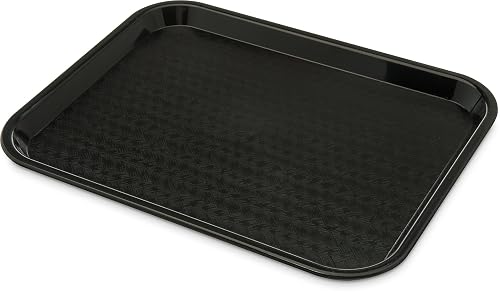
Carlisle Cafe Tray 10 x 14 Black
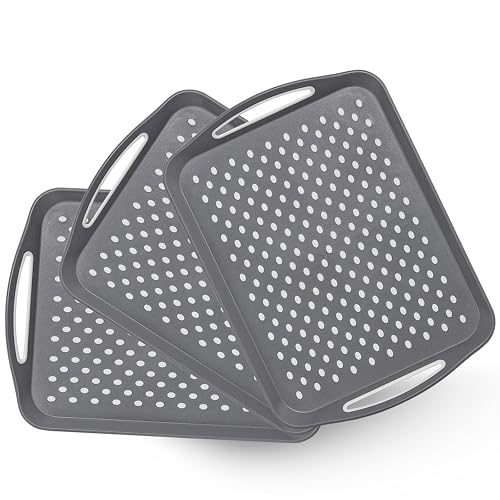
Kazozobi Anti-Slip Serving Trays with Handles 3 Pcs Grey
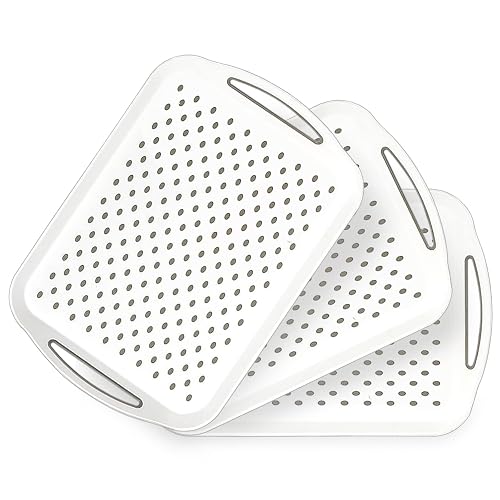
Kazozobi Anti-Slip Serving Trays with Handles 3 Pcs White
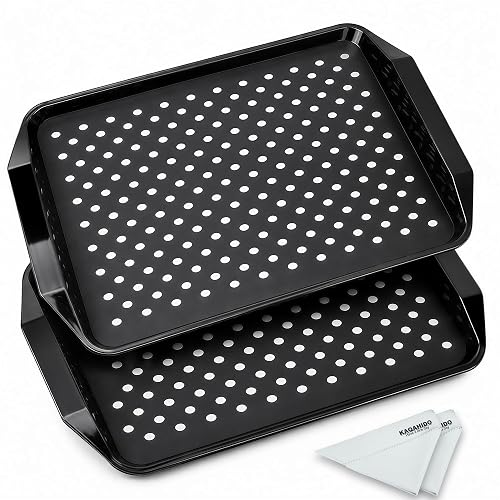
KAQAHIDO Large Non Slip Serving Tray with Grippy Dots Black
More Details On Our Top Picks
Bamboo brings a warmer, more furniture-like feel than the plastic trays later in this list, and the folding-leg format makes the tray useful beyond snack duty. That matters in a bed breakfast setup, since the raised surface gives plates a steadier landing zone than a flat lap board. Handles add easier carrying, while the phone holder points to a setup built for low-effort meals and casual streaming.
The trade-off is that folding parts ask for a little more care than a one-piece tray. In a busy kitchen or a shared dorm, that extra mechanism is worth it only for people who actually want tray-table function, not just a serving surface.
What We Like
- Folding legs turn it into a small tray table, not just a carry board.
- Handles make it easier to move food from kitchen to bedroom.
- Bamboo gives a more finished look than plain molded plastic.
- Phone holder supports hands-free use during slow breakfasts or evening snacks.
Things To Consider
- Moving parts need a little more attention during cleaning and storage.
- Folding hardware adds complexity compared with simpler serving trays.
- Best fit is more specific, which narrows the use case.
Feature Snapshot
Who It Suits Best
Bedroom meal setups and casual work-from-bed routines suit this JMLHMXC tray best, especially for someone who wants a tray-table feel without moving to a full lap desk.
A Better Fit Elsewhere
ECOIOU Non Slip Food Serving Tray 2-Pack suits shoppers who want a simpler, easier-to-store serving tray without folding hardware.
This ECOIOU pair leans practical rather than decorative, which suits daily serving in kitchens where trays get used and stacked often. The non-slip surface is the point here, since a grippier top can help steady fruit bowls, drinks, or dessert plates during short carries across the house. Black finish also keeps it visually quiet, unlike the more room-specific JMLHMXC bamboo tray.
Dishwasher-safe cleanup is the detail that lifts it for routine use, though the exact surface feel matters more than the color. The honest read is that this pick makes the most sense for households that want a no-nonsense tray for snack runs, not a bed table with extra features.
Highlights
- Two-pack format works well for kitchens that use trays daily.
- Non-slip surface helps keep small dishes steadier during carrying.
- Dishwasher-safe care lowers cleanup effort after meals and snacks.
- Handles improve carrying comfort through hallways or from counter to table.
Areas To Watch
- Utility-first styling feels plainer than bamboo or wood-look options.
- Best for serving, not for elevated tray-table use.
- Tray depth and edge profile are not part of the supplied specs, so fit depends on the items being carried.
Core Details
Right Fit For
Busy kitchens, snack-heavy households, and casual serving setups suit this ECOIOU tray pair well.
Another Choice May Suit
Carlisle Cafe Tray 10 x 14 Black suits diners who want a more cafeteria-style tray for faster hand carries.
Restaurant trays bring a different feel from the first two items, because they prioritize straightforward transport over homey presentation. Carlisle’s 10 x 14 footprint suits quick meal runs, school lunches, and stackable storage in a pantry or service area. The black finish keeps it unobtrusive, which matters more than style flourishes in fast-moving homes.
The trade-off is obvious, and that’s part of the appeal: no folding legs, no phone slot, no extra frills. In a cafeteria, break room, or a home with frequent tray use, that stripped-back format can be easier to live with than more elaborate options.
Best Bits
- Compact restaurant-tray size suits fast carrying.
- Simple shape stacks neatly in limited storage.
- Plain black finish blends into workspaces and kitchens.
- Good fit for everyday transport rather than display.
Softer Spots
- No handles, so carrying style depends on hand placement.
- More utilitarian than trays built for bed or couch use.
- Single-tray listing means less flexibility than two- or three-pack sets.
At A Glance
Best Suited To
Dining halls, break rooms, and homes that need a basic transport tray suit this Carlisle pick best.
Skip It When
Kazozobi Anti-Slip Serving Trays with Handles 3 Pcs Grey fits couch meals better, since its larger size and handle setup are more comfortable for lap use.
The Kazozobi grey set is the first real lap-first option in the list, with a 17.7 x 12.5 footprint that gives plates and drinks more breathing room. In couch setups, that extra width matters because elbows, remotes, and bowls all compete for the same surface. Handles also make the tray easier to shift from kitchen to living room, which is useful in homes where meals move around the house.
Compared with Carlisle’s compact restaurant tray, this one is built for a more relaxed carry pattern and a less cramped eating layout. The honest read is that the size helps a lot, but it also asks for more storage space than the earlier picks.
Standout Traits
- Large surface gives plates and cups more usable room.
- Handles help with moving meals between rooms.
- Anti-slip design suits couch eating and lap placement.
- Three-pack format covers family use or several rooms.
- Grey finish keeps the look neutral in shared spaces.
Room For Improvement
- Large size takes more cabinet or shelf space.
- Three trays may be more than a single-person setup needs.
- Big surface can feel bulky in tight bedrooms.
Details At A Glance
Who Will Love This
Families, couch diners, and anyone serving full meals from room to room will get the most from this Kazozobi set.
Where A Sibling Pick Shines
Kazozobi Anti-Slip Serving Trays with Handles 3 Pcs White suits the same use case, but the lighter finish better fits bright kitchens and breakfast spaces.
This white version carries the same roomy 17.7 x 12.5 layout as the grey Kazozobi set, but the lighter finish changes the visual tone entirely. In a bright kitchen or breakfast nook, that cleaner look can feel more at home than black or charcoal trays. The broader surface is still the main reason to notice it, especially for places where a full plate and drink need room to sit without crowding.
White finishes can ask for a bit more upkeep, since marks and residue tend to show sooner than on darker trays. The trade-off is style clarity, and for some homes that matters enough to justify the extra attention.
Plus Points
- Light finish suits clean, bright interiors.
- Large tray size supports fuller meals.
- Handles help with transporting breakfast or lunch.
- Three trays create useful coverage across a home.
- Anti-slip construction suits lap use and couch eating.
Small Caveats
- Light color may show smudges sooner than darker finishes.
- Large footprint needs more storage room.
- Three-pack setup is better for households than for a lone desk or dorm setup.
Feature Card
Whose Shelf It Belongs On
Bright kitchens, breakfast service, and homes that care about visual lightness suit this Kazozobi white set best.
Reach For A Different Pick When
JMLHMXC Bamboo Bed Tray Table 2 Pack suits anyone who wants a warmer material and a tray-table feel instead of a pure serving surface.
KAQAHIDO’s tray stands out for its grippy-dots surface, which gives the whole piece a more controlled carry feel than smoother cafeteria-style options. That kind of texture matters during couch meals, especially when a plate, glass, and utensils are all riding the same tray. The set of two keeps it useful for households that split serving duties or want one tray in the kitchen and one by the sofa.
Compared with the Kazozobi pair, this one sounds more focused on traction than on sheer size. Worth noting though, the supplied listing points to a serving tray first, so the fit is strongest for meal carrying rather than tray-table lounging.
Strong Points
- Grippy dots add a tactile layer that supports steadier carrying.
- Two-tray set works well for shared households.
- Black finish keeps the look simple and low-key.
- Rectangular shape suits plates, glasses, and dishes.
Points To Note
- Serving-first shape is less flexible than a tray with folding legs.
- Texture may need a little more attention during cleanup than a smooth surface.
- Set of two offers less total coverage than the three-pack Kazozobi options.
Technical Sheet
Built With In Mind
Households that carry full meals between rooms and want a firmer-feeling tray surface fit the KAQAHIDO set well.
Swap It Out When
Carlisle Cafe Tray 10 x 14 Black is the cleaner match for very compact storage or cafeteria-style use.
How To Choose The Right lap trays for food
Size And Surface Shape Matter More Than Most Shoppers Expect
A tray that looks roomy in photos can feel cramped once a plate, mug, and napkin share space. The useful measurement is not just length and width, but how much flat area remains after edges, handles, and any molded features take their share.
For couch use, wider rectangles usually feel calmer than narrow trays, while a smaller tray makes more sense for quick snacks or solo breakfasts. Fold-out tray-table styles bring extra lift, but that also means more bulk in storage.
Material Changes The Whole Ownership Experience
Bamboo adds a warmer, furniture-like feel and often looks more at home in a bedroom than a molded utility tray. Plastic is lighter, easier to wipe down, and generally better for frequent kitchen traffic or stack-and-go storage.
The trade-off is character versus convenience. A tray used every morning at the edge of a bed may justify bamboo, while a shared family serving tray usually benefits more from a simpler surface and easier cleanup.
Grip, Handles, And Edges Decide How Secure It Feels
Handles help during transport, especially on a loaded tray moving from counter to sofa. Grippy surfaces or raised textures can add control, though they may take a little more cleaning than a smooth finish.
Flat, cafeteria-style trays are easy to stack and stash, but they depend more on careful hand placement. In a busy home, that difference shows up every day, not just on the first use.
Match The Tray To The Room It Will Live In
Bedroom trays need a calmer balance of width, comfort, and low effort, since food service there tends to happen around soft surfaces and uneven posture. Kitchen and break-room trays can be more utilitarian because the carry distance is shorter and the storage is usually tighter.
That simple room check prevents overbuying. A tray with folding legs belongs in a bedroom setup, while a plain serving tray often makes more sense for households that mostly move food from counter to table.
What To Weigh Before You Decide
Common Shopping Slip Ups
The easiest mistake is sizing up too far for the actual space. A tray with a large footprint sounds useful until cabinet depth, sofa arms, or lap clearance become the real limitation.
Another common miss is treating all trays as equal in carry comfort. Handles, texture, and edge shape change the feel a lot, especially for meals moved between rooms.
What The Higher Tier Buys
More expensive trays usually spend the extra cost on better materials, more careful finish work, or added structure such as folding legs. That is where bamboo, thicker molding, or grippier surface treatment starts to matter.
The upgrade makes sense for bedroom use, family serving, or frequent daily carrying. A plain utility tray still serves a purpose, but premium touches usually show up in comfort, stability, and how polished the tray feels in the home.
Final Thoughts
The strongest lap trays for food in this group split into two camps: simple serving trays for fast use, and roomier tray-table styles for couch or bed meals. JMLHMXC and the Kazozobi pair suit slower, more settled eating, while Carlisle and ECOIOU lean toward practical carrying and easy storage. KAQAHIDO sits in the middle with added grip, which helps in everyday home use. The right choice comes down to where meals happen most often, and how much structure the tray needs to bring to the table.
