

You want a roti pan that heats evenly, sits well on an induction cooktop, and matches the way you actually cook. The right induction tava cuts down on pale spots, warped edges, and the constant adjustment that comes from a thin or mismatched pan.
That’s especially true for home kitchens that make rotis, parathas, dosas, or crepes several times a week. The picks below lean on material, thickness, handle design, and surface finish, so you can match the pan to your stove and your routine without guessing.
Quick Look At The Shortlist
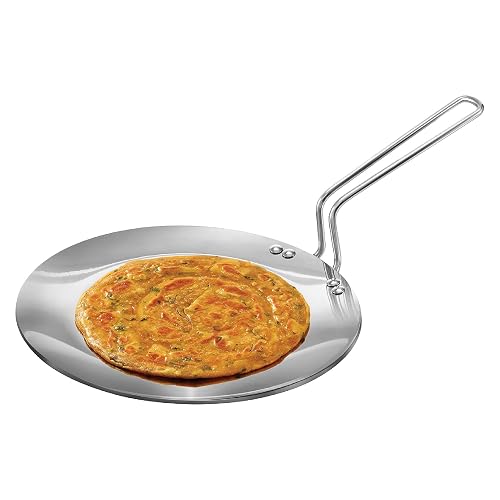
Hawkins Tri-Ply Stainless Steel Tava 26 cm

Hawkins Futura 24 cm Roti Tava (IART24)
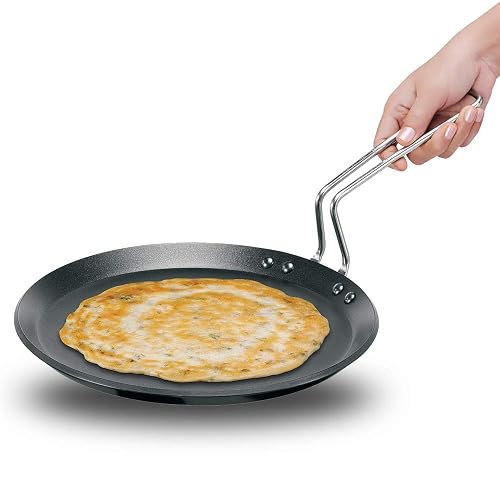
Hawkins Futura 26 cm Flat Tava (INFT26)

Kordisen Crepe Pan Nonstick 12 Inch Dosa Pan

S·KITCHN Crepe Pan Nonstick Dosa Pan 11IN

Hawkins Futura 30 cm Flat Tava (NFT30)

Hawkins 26 cm Paratha Tava (NSPT26)

HAWKINS Futura 28 cm Roti Tava (IART28)
More Details On Our Top Picks
This tri-ply build matters because it combines a stainless-steel cooking face with an aluminium core, so heat moves across the pan more evenly than in a basic single-layer tava. For a stove-side routine that includes rotis, parathas, or quick sears, that structure gives you steadier browning and fewer hot patches.
The 26 cm size lands in a useful middle zone, roomy enough for everyday flatbreads without feeling oversized on a standard induction hob. The honest trade-off is weight and a more premium feel in hand, which suits steady home use better than hurried one-handed flipping.
Strong Points
- Tri-ply layering helps distribute heat across the surface more evenly.
- 18/8 stainless steel is a practical cooking face for frequent use.
- The aluminium core supports quicker heat spread on induction cooktops.
- That stainless surface handles sticky batter better than plain thin steel.
Small Caveats
- Tri-ply construction usually feels heavier than simpler pans.
- The polished steel surface may show marks more readily than coated pans.
- It suits deliberate cooking more than quick grab-and-go use.
Feature Snapshot
Who It Suits Best
You get the most from this pan in a home kitchen that makes rotis regularly and values a stainless-steel cooking surface over a coated finish.
A Better Fit Elsewhere
HAWKINS Futura 28 cm Roti Tava (IART28) suits families that want a larger hard anodised surface with stronger heat retention.
The 24 cm footprint keeps this one compact, which helps in smaller kitchens or on induction zones that feel tight around the edges. Hard anodised aluminium means the metal has been electrochemically treated to become tougher and less reactive, so you get a sturdier working surface than plain aluminium.
That matters most for everyday roti making, where you want a pan that heats steadily and keeps its look with regular washing. Compared with the tri-ply Hawkins above, this model feels simpler and more straightforward, though it gives up the stainless-steel cooking face.
What We Like
- Hard anodised aluminium brings a tough, practical build.
- The 24 cm size fits modest stovetops neatly.
- It suits regular rotis without taking over counter space.
- The black finish gives it a clean, understated look.
Worth Noting
- The cooking surface is not stainless steel, so feel differs from the tri-ply option.
- A smaller diameter leaves less room for larger flatbreads.
- Hard anodised cookware still benefits from careful cleaning to protect the finish.
Core Details
Whose Shelf It Belongs On
This suits a home cook who wants a compact induction tava for daily rotis and prefers a no-fuss hard anodised surface.
Swap It Out When
Hawkins Futura 30 cm Flat Tava (NFT30) makes more sense for larger batches and wider cooking space.
Flat tavas behave a little differently from roti pans with a raised rim, and this 26 cm Hawkins makes that difference useful rather than fussy. The PFOA-free non-stick coating is locked into hard anodised aluminium, which is a way of saying the non-stick layer sits on a tougher base that tends to hold up better than softer cookware.
That profile suits batter-heavy cooking, from crepes to dosa-style spreads, because the flat surface lets you move liquid outward with less edge interruption. Compared with the 24 cm hard anodised model, this one gives you the same general footprint with a more food-release-focused surface, though coated pans always ask for gentler care.
Highlights
- The flat cooking face helps batter spread evenly.
- Non-stick coating reduces sticking during delicate flips.
- Hard anodised aluminium gives the base more staying power.
- The stainless steel handle adds a sturdier feel in hand.
Areas To Watch
- Non-stick cookware usually asks for more careful utensil choice and cleaning.
- Flat pans feel less forgiving for thick dough that needs a little wall support.
- The shape suits batter work more than deep, saucy cooking.
At A Glance
Built With In Mind
This suits someone who makes dosa, crepes, or thin batter breads and wants a flat induction pan with a coated surface.
Another Choice May Suit
Hawkins Tri-Ply Stainless Steel Tava 26 cm fits cooks who prefer an uncoated stainless surface and sturdier multi-layer construction.
The 12-inch format gives this Kordisen a broader working area than the smaller Hawkins 24 cm option, which helps once you start spreading batter for crepes or tortillas. The included spreader points to that use case, and the flat-bottom shape makes sense on a stove top where even contact matters more than deep sides.
Granite coating usually means a textured non-stick finish that aims for easier release and a more modern surface feel. The trade-off is the usual one for coated cookware, a little more care during cleaning and utensil choice, so it fits a kitchen that can handle gentle treatment without drama.
Reasons To Buy
- The 12-inch width gives generous space for thin batters.
- The spreader matches the pan’s crepe and dosa purpose.
- Flat-bottom construction helps it sit cleanly on stove tops.
- Granite coating can make food release feel less fussy.
Points To Note
- Coated pans usually need gentler utensils to keep the surface tidy.
- The broad surface can feel bulky in compact storage spaces.
- It is better suited to thin cooking tasks than deep frying styles.
Details At A Glance
Who Should Grab It
This belongs with cooks who make crepes, tortillas, or thin dosa-style breads and want a wide pan with a spreader included.
Where A Sibling Pick Shines
S·KITCHN Crepe Pan Nonstick Dosa Pan 11IN suits smaller kitchens that want a more compact coated pan for everyday rotis.
This 11-inch S·KITCHN pan sits in a useful middle spot, larger than a compact 24 cm tava but still easier to store than the bigger 30 cm Hawkins. The induction-ready build makes it a direct fit for flatbread routines that need a non-stick surface without taking over the stovetop.
That size works well for weekday use, especially in kitchens where one pan needs to handle rotis, quick pancakes, and the occasional tortilla. The trade-off is a more basic feel than the heavier Hawkins options, though plenty of home cooks will prefer that lighter, less formal setup.
Positives
- The 11-inch size is easy to handle and store.
- Non-stick construction helps with quick release and lower mess.
- It works across several flatbread and pancake styles.
- The induction-compatible design broadens where you can use it.
Minor Gripes
- The lighter build may feel less substantial than premium Hawkins pans.
- Compact sizing leaves less room for very large rotis.
- Like most coated pans, it benefits from careful washing and storage.
Technical Sheet
The Right Fit
This suits a home cook who wants a compact induction griddle for quick rotis, pancakes, and similar weekday cooking.
Look Elsewhere When
Hawkins Futura 30 cm Flat Tava (NFT30) fits larger households that need more surface area for batch cooking.
The 30 cm face changes the rhythm of the whole cook, because you can spread out more rotis or work through multiple pancakes without crowding the pan. That size makes sense for larger households, though it can feel a touch oversized in a narrow galley kitchen or on a smaller burner ring.
The stainless-steel handle and rimmed shape give it a sturdier, more utilitarian profile than the smaller S·KITCHN pan. In practical terms, that usually means easier handling at the stove and a little more confidence when you need a broad, flat cooking area.
Best Bits
- The 30 cm diameter gives you a generous cooking surface.
- Rimmed construction helps contain food better than a fully flat plate.
- The stainless steel handle adds a firmer grip point.
- It suits batch cooking and larger family routines.
Softer Spots
- The larger size needs more storage room.
- It may feel cumbersome on compact induction hobs.
- Big non-stick pans often ask for careful utensil handling over time.
Feature Rundown
Made For
This fits homes that cook in larger batches and want a wide induction tava for rotis, crepes, or pancakes.
Reach For A Different Pick When
Hawkins Futura 24 cm Roti Tava (IART24) works better for smaller kitchens and lighter daily use.
This Hawkins leans into a more specialised paratha and roti profile, with tri-ply stainless steel underneath a shielded non-stick layer and a honeycomb pattern on top. The rosewood handle gives it a warmer, more traditional feel in hand, while the 26 cm size keeps it close to the practical middle ground.
Compared with the plain tri-ply Hawkins, this one asks less of your technique because the non-stick shielding helps with release. The trade-off is added coating care, yet that feels fair for anyone who makes stuffed flatbreads and wants a surface that behaves a little more predictably.
What We Like
- The shielded non-stick layer helps with easier release.
- Tri-ply stainless steel supports a stronger pan body.
- The honeycomb surface adds a distinctive cooking texture.
- Rosewood handle gives the pan a warmer grip feel.
Room For Improvement
- Shielded non-stick surfaces still benefit from careful cleaning.
- The more specialised build suits parathas better than every cooking style.
- Wooden handles can need a bit more attention over long-term use.
Core Details
Perfect Match For
This suits a cook who makes parathas often and wants a 26 cm induction tava with a more guided non-stick surface.
Skip It When
HAWKINS Futura 28 cm Roti Tava (IART28) fits households that want a broader hard anodised pan with a simpler, more general-purpose feel.
The 28 cm size and extra-thick 4.88 mm virgin aluminium body make this one feel built for steady heat and slower temperature swings. Hard anodising adds a hygienic, tough outer layer, which matters in a busy kitchen where the pan gets used, washed, and put back into rotation often.
That thicker body usually suits families that make several rotis at a time and want a pan that holds heat with less wobble than very thin cookware. Compared with the 24 cm Hawkins, this is the better roomy option, though the added size makes it less nimble in smaller cabinets.
Best Bits
- The 28 cm diameter gives more working room than the smaller Hawkins roti pan.
- 4.88 mm aluminium supports steady, even heat retention.
- Hard anodised construction offers a durable, hygienic cooking body.
- It suits regular family cooking without feeling overly specialised.
Points To Note
- The larger footprint needs more cabinet and burner space.
- Thicker cookware can feel less agile for fast one-handed use.
- Its general-purpose style is less specialised than the paratha-focused Hawkins pan.
Quick Facts
Who Will Love This
This fits family kitchens that cook rotis often and want a larger induction tava with a thicker body and practical build.
Where Shoppers Go Wrong
Kordisen Crepe Pan Nonstick 12 Inch Dosa Pan suits cooks who want a coated, broader surface for thinner batter work.
How To Choose The Right induction tawas for roti
Material Changes How The Pan Feels
Stainless steel, hard anodised aluminium, and non-stick coatings all behave differently on induction. Tri-ply stainless steel, like the Hawkins 26 cm, gives you a more substantial body and even heat movement, while hard anodised aluminium keeps things lighter and usually simpler to maintain.
Non-stick surfaces help with release, which matters for dosa, crepes, and thinner rotis, but they ask for gentler utensils and cleaning habits. The trade-off is plain: easier food release on one side, more surface care on the other.
Size Should Match Your Stove And Routine
A 24 cm pan suits compact spaces and modest daily cooking, while 26 cm and 28 cm options feel better once you make rotis in regular batches. The 30 cm Hawkins sits in a different lane, giving you generous coverage for larger households or mixed breakfast cooking.
That size jump matters more than it looks on paper. A bigger tava can speed up family cooking, but it also demands more storage room and a steadier hand on smaller induction zones.
Surface Shape Should Match The Food
A flat pan makes sense for batter that needs to spread, such as crepes, tortillas, and dosa-style breads. A rimmed or slightly edged tava gives you more boundary control for rotis and parathas, especially when you are turning them frequently.
Rosewood, stainless steel, and plastic-style handles also change the feel in use. A firmer handle helps when the pan gets hot and heavy, while a simpler handle may be enough for lighter weekday cooking.
Care And Longevity Matter Too
Coated pans usually stay easier to cook on at first, but they reward careful storage and non-abrasive washing. Stainless and hard anodised surfaces tend to tolerate more regular use, though they still benefit from routine drying and mindful utensil choice.
For most kitchens, the right match is the one that fits the frequency of use. A pan that feels slightly overbuilt can be a smarter purchase than one that looks convenient but wears out its comfort quickly.
Things Worth Knowing First
Mistakes Worth Dodging
Many shoppers focus on diameter alone and ignore how the pan sits on induction heat zones. That leads to a roti tava that looks right on paper but feels awkward on the burner.
Another common miss is choosing a coated pan for heavy metal utensils or rough cleaning habits. A non-stick surface can be useful, but it asks for a little care in return.
The Upgrade Payoff
Higher-tier induction tawas often use thicker bodies, layered construction, or more specialized surfaces. Those details help with steadier heat and more even browning, which matters in busy kitchens that cook flatbreads several times a week.
The upgrade makes the most sense when you want less temperature wobble and a more durable feel in hand. For lighter use, a simpler hard anodised pan can already cover the basics well.
Frequently Asked Questions
Can you use these tawas on any induction cooktop?
The listing data identifies these picks as induction-compatible or induction tawa models. That makes them suitable for induction ranges, though burner size still affects how comfortably they sit.
Which size works best for daily roti cooking?
A 24 cm to 26 cm tava fits most everyday routines well. Larger households often prefer 28 cm or 30 cm for a little more working space.
Is non-stick better than stainless steel for rotis?
Non-stick helps with easier release, especially for thin batter and first-time use comfort. Stainless steel and tri-ply surfaces usually feel sturdier and may suit cooks who prefer a more traditional pan body.
Do hard anodised pans need special care?
They do best with gentle washing and non-abrasive cleaning tools. That helps preserve the finish and keeps the pan looking tidy over time.
Which pick suits parathas more than plain rotis?
Hawkins 26 cm Paratha Tava (NSPT26) stands out for stuffed flatbreads because of its shielded non-stick surface. The honeycomb texture and rosewood handle give it a more specialised feel.
Closing Thoughts
Your best induction tava depends on how you cook, not just how often you cook. The Hawkins tri-ply model suits you if you want a more substantial stainless-steel feel, while the 24 cm and 28 cm Futura pans fit different kitchen sizes with less fuss. Coated picks make sense for batter work, and the larger 30 cm option pays off in family cooking. Choose the pan that matches your burner space, cleaning habits, and flatbread routine, and you’ll get a lot more from it day after day.
