

Stove-side clutter adds up fast, especially during weeknight cooking or any meal that keeps your hands moving between pan, board, and sink. A good utensil rest keeps spoons, tongs, and spatulas off the counter, which helps your workspace stay cleaner and less cramped. Ceramic, wood, and silicone each bring a different mix of weight, cleanup, and heat tolerance, so the right choice depends on how you cook and how much mess you want to manage.
Below, you’ll find eight utensil rests for stove that suit different kitchens, from compact silicone sets to heavier ceramic and wood pieces. The spread is useful because your best match may be a single rest for daily use, or a multipack that keeps several stations covered at once.
Quick Look At The Shortlist

vancasso Stern Spoon Rest for Kitchen, Square Ceramic Spoon Holder
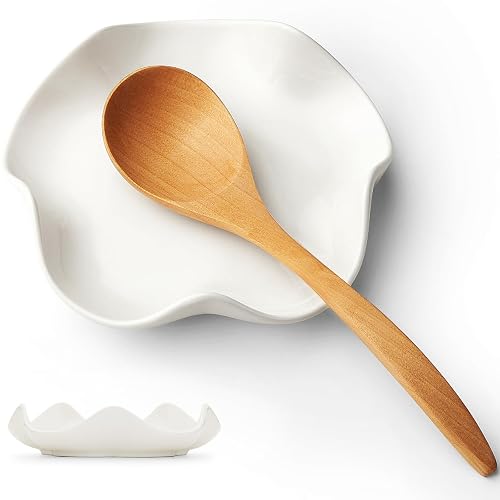
Mfacoy Spoon Rest for Stove Top, 5.3 Inch Ceramic Spoon Holder

JINIHFW Spoon Rest for Kitchen, Ceramic Spoon Holder

Spoon Rest, 4.5 Inches Spoon Holder for Kitchen Counter Porcelain

ABRUTY Spoon Rest for Stove Top, Ceramic Spoon Holder
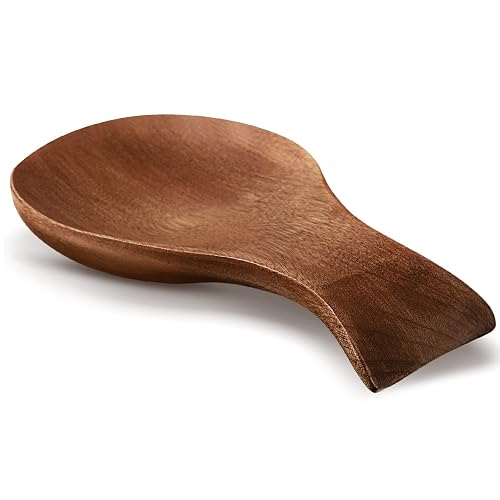
Patelai Acacia Wood Spoon Rest for Kitchen Stove Top Utensils

Spoon Rest for Stove Top, 3 Pack Small Silicone Spoon Holder

Gencywe 4 Pack Ceramic Spoon Rest with Metal Holder, 4.8 Inch
More Details On Our Top Picks
Square ceramic gives this vancasso rest a tidy, structured feel that suits a stove ledge or countertop beside a range. The two-piece format matters more than it sounds, because a second rest keeps a backup ready during soup nights, sauce work, or any cooking session that leaves more than one utensil parked at once.
That extra capacity is useful in a busy kitchen, though ceramic also means you’ll want a little care around chips and drops. Compared with the silicone TROUSKAIG set later in this list, this one feels more settled in place and more decorative on the counter.
Strong Points
- Two rests cover more than one utensil at once.
- Square shape uses counter space cleanly.
- Ceramic body suits a tidy stove-side setup.
- Dishwasher-safe care keeps cleanup simple after cooking.
Things To Consider
- Ceramic can chip more easily than silicone.
- The square profile may feel less fluid on narrow ledges.
Core Details
Who It Suits Best
Home cooks who want a neat ceramic rest with a backup piece will get the most from this set.
A Better Fit Elsewhere
The TROUSKAIG three-pack suits smaller households that want soft, grippy silicone instead of ceramic rigidity.
The 5.3-inch width gives the Mfacoy a bit more breathing room than the smaller porcelain option later on, which helps when your utensil handle runs long or the counter is already crowded. Its ceramic build keeps the look straightforward, and that simplicity works well near a coffee station or beside a regular cooktop.
One thing worth considering is that ceramic still asks for the usual careful handling, especially in a home where things get stacked and shifted quickly. The honest read is that this suits everyday use more than heavy, rough treatment.
What We Like
- 5.3-inch span gives more resting room.
- Works well for spoons, ladles, and tongs.
- Clean ceramic look fits many kitchens.
- Useful near coffee setups or cooktops.
Worth Noting
- Ceramic needs gentler handling than silicone.
- Single-piece format offers less backup coverage.
Feature Snapshot
Built With In Mind
Small kitchens and coffee corners suit this rest best because it keeps the footprint controlled without feeling tiny.
Another Choice May Suit
The Gencywe 4 Pack Ceramic Spoon Rest with Metal Holder works better for households that want multiple rests spread across several prep zones.
This JINIHFW rest keeps the formula plain, and that’s the point. A blue ceramic finish gives it a little color without turning the counter busy, so it fits well in kitchens that prefer one dependable piece over a decorative set.
Dishwasher-safe care makes it easier to fold into daily cleanup, especially after a busy dinner where the stove area needs clearing fast. Compared with the Mfacoy option, this one looks a touch simpler and feels better for shoppers who want a single, low-maintenance rest.
Highlights
- Blue ceramic adds color without clutter.
- Dishwasher-safe care simplifies routine cleanup.
- Single-piece format suits minimal setups.
- Works cleanly beside a stove or counter.
Minor Gripes
- One-piece sizing leaves less flexibility than a set.
- Ceramic still benefits from careful handling.
Details At A Glance
Right Fit For
Minimalist kitchens and busy weeknight cooks suit this rest well because it stays simple and easy to manage.
Where A Sibling Pick Shines
vancasso Stern Spoon Rest for Kitchen, Square Ceramic Spoon Holder makes more sense for households that want a two-piece ceramic setup.
At 4.5 inches, this white porcelain rest is built for a tighter footprint than the Mfacoy and vancasso options. That smaller size matters on coffee bars, narrow counters, or any stove setup where you want a rest that stays out of the way.
The trade-off is obvious: you give up some landing room for longer tools, so it suits lighter kitchen traffic better than long simmer sessions. Still, porcelain gives it a crisp look that blends easily into white or neutral kitchens.
Best Bits
- Small size fits cramped counters well.
- White porcelain pairs with neutral kitchens.
- Simple shape keeps the profile tidy.
- Good for coffee tools and quick cooking.
Areas To Watch
- Shorter length limits room for larger utensils.
- Porcelain calls for careful handling and storage.
Quick Facts
Whose Shelf It Belongs On
You’ll get the best fit from this one in small kitchens, coffee stations, and light-duty cooking corners.
Swap It Out When
Mfacoy Spoon Rest for Stove Top, 5.3 Inch Ceramic Spoon Holder is the smarter choice for longer utensils and a little more landing space.
ABRUTY leans into the decorative side of the category, so it works well on counters where the spoon rest stays visible rather than hidden away. The modern farmhouse style gives you a warmer look than the plain porcelain pieces, and that can matter just as much as function in an open kitchen.
Compared with the cleaner, simpler JINIHFW rest, this one brings more character to the setup. The compromise is that style-first pieces can feel more niche, so the fit depends on whether your kitchen already leans rustic or coordinated.
Reasons To Buy
- Farmhouse styling adds visual warmth.
- Ceramic build suits countertop display.
- Works with spoons, spatulas, or tongs.
- Blends well into decorative kitchens.
Softer Spots
- Style focus may not suit every kitchen.
- Ceramic surface still needs gentle handling.
Feature Rundown
The Right Fit
Shoppers who want their utensil rest to look intentional on the counter will appreciate this one most.
Where A Sibling Pick Shines
Spoon Rest, 4.5 Inches Spoon Holder for Kitchen Counter Porcelain suits minimalist spaces that want a quieter, whiter finish.
Acacia wood changes the tone of the whole category, since it brings a warmer, more furniture-like look than ceramic or silicone. That matters in farmhouse kitchens and on wood-topped counters, where the rest feels more like part of the room than a plain kitchen accessory.
The upside is easy surface protection and a calmer visual profile, though wood always asks for more attention than a dishwasher-safe piece. Compared with the ABRUTY ceramic rest, this Patelai pick feels softer and more natural, but less carefree.
Upsides
- Acacia grain adds warmth to the counter.
- Wood surface suits farmhouse-style kitchens.
- Helps keep utensils off the worktop.
- Feels decorative without looking busy.
Small Caveats
- Wood usually needs more careful cleaning.
- It may show wear sooner than ceramic.
Core Details
Perfect Match For
You’ll like this most in kitchens that already lean warm, rustic, or wood-forward.
Look Elsewhere When
JINIHFW Spoon Rest for Kitchen, Ceramic Spoon Holder is the easier-care choice for anyone who wants simpler cleanup.
This TROUSKAIG set is the practical opposite of the heavier ceramic picks above: it’s small, soft, and ready to scatter across more than one prep area. Three silicone rests make sense in a shared kitchen, a dorm-style setup, or any home that likes having backups near the stove and coffee station.
Silicone usually brings easier handling and a little more flexibility in daily use, though the trade-off is a less polished look than porcelain or wood. For most kitchens, that’s fine, because function matters more than display on a crowded counter.
Bright Spots
- Three-piece set covers more than one spot.
- Silicone gives a soft, flexible feel.
- Useful as backups in shared kitchens.
- Easy to place near stove or coffee gear.
Points To Note
- Smaller size may suit lighter utensils better.
- Silicone looks less decorative than ceramic or wood.
Feature Card
Made For
Shared kitchens, compact apartments, and anyone who wants several rests without a bulky setup fit this pack well.
A Better Fit Elsewhere
Gencywe 4 Pack Ceramic Spoon Rest with Metal Holder suits people who want a more decorative ceramic set with extra pieces.
The Gencywe set brings the most built-out package in this roundup, with four ceramic rests and a metal holder for keeping them together. That setup works especially well in busy kitchens where one rest never quite covers all the prep zones you use in a day.
Compared with the TROUSKAIG silicone trio, this set leans harder into a display-friendly look and a more organized storage approach. The catch is that ceramic still needs more careful handling, though the holder helps keep everything corralled.
Best Bits
- Four rests give broad coverage.
- Metal holder keeps the set organized.
- 4.8-inch size suits common utensil types.
- Good fit for multiple cooking zones.
Honest Caveats
- Ceramic pieces need more cautious handling.
- Holder adds structure, but also more parts.
Feature Card
Who Should Grab It
Busy home cooks who want several matching rests and a tidy storage holder will get the most from this set.
Reach For A Different Pick When
Spoon Rest for Stove Top, 3 Pack Small Silicone Spoon Holder makes more sense for a softer, more flexible setup in a shared kitchen.
How To Choose The Right utensil rests for stove
Material Sets The Daily Experience
Ceramic and porcelain feel stable and polished, which suits a stove area that stays visible. Silicone is softer and usually easier to manage in a fast-moving kitchen, while wood adds warmth and a more natural look.
The trade-off is simple: harder materials usually look more finished, while softer ones tend to be more forgiving around handling and storage. That choice matters most in homes where the spoon rest gets used several times a day.
Size Should Match Your Utensils
A 4.5-inch rest fits tight counters, coffee corners, and light daily use. Larger options, such as 5.3-inch models or multipacks, give more room for ladles, tongs, and longer spatulas.
Small kitchens benefit from compact footprints, but a cramped rest can feel annoying fast during simmer-heavy cooking. The right size is the one that holds your most common tools without crowding the work area.
Pack Count Changes Convenience
Single rests suit minimal setups and smaller households. Two-, three-, and four-piece sets make more sense for families, shared kitchens, or cooks who move between stove, coffee station, and prep counter.
That extra count also helps when one rest is in the wash or already in use. The trade-off is storage, so multipacks work best when you have a drawer, shelf, or holder ready for them.
Cleanup And Placement Matter More Than You’d Think
Dishwasher-safe ceramic is easy to fold into routine cleanup, while wood usually asks for gentler care. Silicone can be a smart choice near active cooking zones because it’s less fussy to place and move.
You’ll want to think about where the rest sits, too. A stove-side perch, coffee nook, or prep corner can all benefit from the same basic product, but only the right shape and finish will feel natural there.
Things Worth Knowing First
Wrong Turns To Avoid
Small rests can look neat online and still feel cramped beside a long ladle or spatula. Ceramic also draws shoppers in for its clean look, yet it makes more sense when you’re comfortable handling a harder material.
Style-only choices can miss the mark in a heavy-use kitchen. The safer move is to match size, material, and pack count to how you actually cook.
What The Higher Tier Buys
Higher-priced rests in this category usually pay for stronger presentation, extra pieces, or add-ons like a storage holder. That matters in kitchens where the rest stays on display and gets used often.
Upgrading makes sense when you want the utensil rest to solve both function and presentation at once. A single basic piece may still do the job, but a more developed set can feel easier to live with day after day.
Frequently Asked Questions
What material works best for daily stove use?
Ceramic suits a polished, stable setup, while silicone suits a softer and more forgiving one. Wood works best where visual warmth matters more than low-maintenance care.
Is a multipack worth it?
A multipack helps in shared kitchens or busy homes where several utensils move through the same cooking session. A single rest suits smaller spaces and lighter routines.
Do small spoon rests handle larger tools?
Small rests can handle larger tools, but the fit gets tighter fast. A 5-inch class piece usually feels more comfortable for ladles and long spatulas.
Which option is easiest to clean?
Dishwasher-safe ceramic is the easiest path for many kitchens. Silicone also keeps upkeep simple, especially when the rest sees frequent use.
Which style blends into a modern kitchen?
White porcelain and plain ceramic usually blend in fastest. If you want more warmth, acacia wood adds a softer, more natural look.
Closing Thoughts
The right utensil rest should feel invisible in use and dependable at the stove. For a clean ceramic look, the vancasso and JINIHFW pieces make strong everyday sense, while the TROUSKAIG silicone set fits kitchens that need flexibility and backup coverage. If style matters as much as function, ABRUTY and Patelai bring more personality to the counter. Match the material and pack count to how you cook, and you’ll end up with a small accessory that earns its spot quickly.
