

You want pizza steel for grill that fits real cooking, not just a glossy product page. The right plate helps a grill hold heat, brown dough faster, and give bread a more even base, which matters on weeknight pizza runs, backyard cookouts, and long bakes with sourdough. Size, thickness, weight, and lifting details change how easy the steel is to live with. This roundup keeps the focus on those practical trade-offs.
Quick Look At Our Shortlist

NerdChef Steel Stone 14.5″ x 16″ Pro
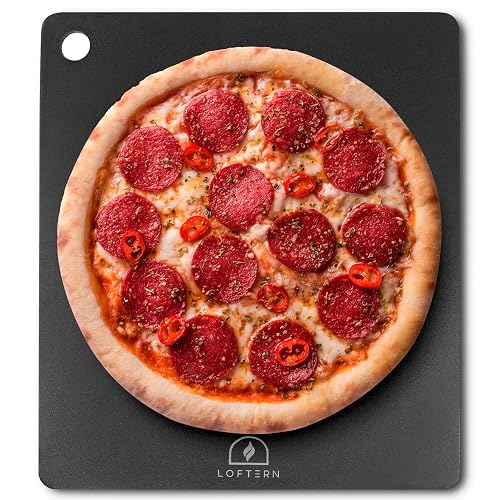
14″ x 16″ Pizza Steel by Loftern
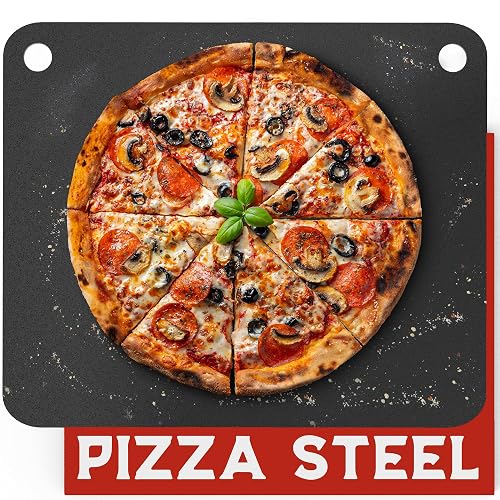
Primica Pizza Steel XL 16″ x 13.4″
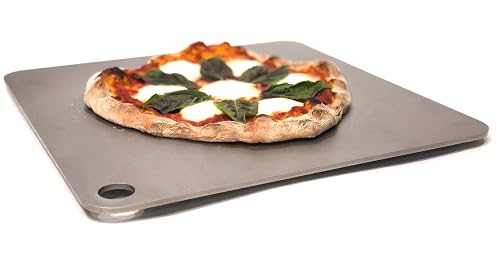
THERMICHEF 16″ x 16″ Pizza Steel

THERMICHEF 14″ x 20″ Pizza Steel
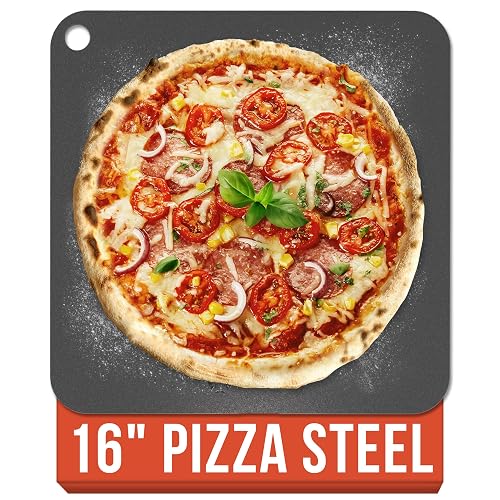
Chef Pomodoro Pizza Steel 16″ x 16″

Chef Pomodoro 16 Inch Pizza Steel
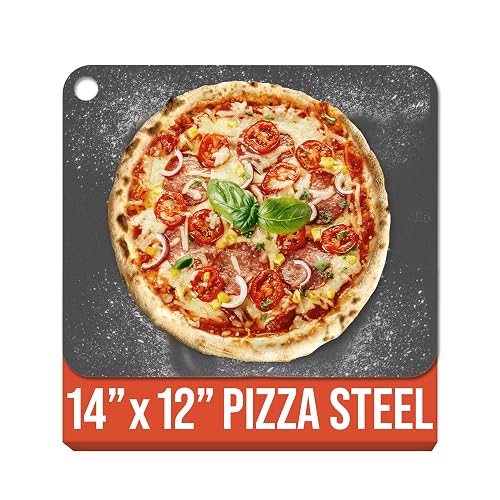
Chef Pomodoro Pizza Steel 14″ x 12″
More Details On Our Top Picks
The thicker 0.375-inch profile gives this NerdChef a serious heat sink, so it suits pizza nights where you want the bottom to brown fast and stay steady on a grill. The 14.5 by 16-inch footprint leaves useful room without feeling oversized in many home setups, and that balance is easier to live with than a full slab that dominates the grate.
Compared with the thinner Chef Pomodoro options later in this list, this one leans into mass and stability more than easy lifting. The trade-off is plain enough, it asks more from your rack and your arms, but it pays back with a dense, confident cooking surface.
Strong Points
- 0.375-inch steel stores plenty of heat.
- 14.5 by 16 inches fits many grills cleanly.
- Thick build helps recover after dough goes on.
- Useful for pizza, flatbread, and sourdough loaves.
- Made in the USA.
Things To Consider
- Thick steel adds weight, so handling takes care.
- Cleaning and storage need a bit more space.
- The pro format favors steady cooks over portability.
Core Details
Who It Suits Best
You get the most from this steel when you make pizza regularly and want a dense, stable surface for a grill or oven. It suits home cooks who value consistency over easy carrying.
Where A Sibling Pick Shines
THERMICHEF 14″ x 20″ Pizza Steel fits a cook who wants an even wider surface and does not mind extra mass.
This Loftern plate is the straightforward option in the group, with a 14 by 16-inch shape that gives you usable room without pushing into oversized territory. Carbon steel means a high-heat, tough-feeling surface, which matters in a grill where you want fast transfer and dependable browning.
Against the heavier THERMICHEF slabs, this one reads as a more approachable middle ground. The trade-off is that you give up some sheer mass, but most backyard cooks will find that easier to handle and store.
Highlights
- Carbon steel construction suits high-heat cooking.
- Flat 14 by 16-inch format is easy to place.
- Works across oven, grill, and pizza oven use.
- Useful for bread, sourdough, and crisp crusts.
Points To Note
- Thinner than the 3/8-inch THERMICHEF options.
- Finish and upkeep still need normal seasoning care.
Feature Card
Built With In Mind
You get a sensible fit here for home cooks who want broad use without a bulky slab. It suits everyday grill sessions and mixed oven work.
Another Choice May Suit
THERMICHEF 16″ x 16″ Pizza Steel fits a cook who wants more mass and a larger square format.
The Primica XL lands in a useful middle zone, wider than a compact slab but not as imposing as the biggest squares here. Its 0.25-inch thickness gives you a quicker-handling format, which many home ovens and grills can accommodate more comfortably.
Compared with the thicker NerdChef and THERMICHEF plates, this one is easier to move around, though it gives up some heat reserve. For weeknight pizza or sourdough baking in a standard kitchen, that trade-off makes sense.
Bright Spots
- XL footprint gives extra room for shaping dough.
- 0.25-inch thickness keeps handling easier.
- Works in both oven and grill setups.
- Good middle ground for mixed baking tasks.
Small Caveats
- Less thermal mass than the 3/8-inch slabs.
- Large enough to store with care.
Technical Sheet
Right Fit For
You benefit most here in kitchens that need a versatile steel without moving into extreme weight. It suits cooks who switch between oven and grill often.
Look Elsewhere When
NerdChef Steel Stone 14.5″ x 16″ Pro makes more sense for cooks who want thicker mass and stronger heat retention.
THERMICHEF goes heavier and more squared-off than the Loftern plate, which gives it a confident feel on a grill or in a large oven. At 27.5 pounds and 3/8-inch thick, this is the sort of steel that stays steady through repeated pizza launches and bread bakes.
That extra mass is useful, but it also means you need a permanent enough spot for it. For a dedicated pizza setup, the shape and heft are a strong match; for tight storage, the compromise is obvious.
Upsides
- 3/8-inch thickness supports strong heat retention.
- 16 by 16-inch face gives a broad cooking area.
- Works for pizza, sourdough, and grilling tasks.
- Heavy build feels settled on larger grates.
- Made in the USA.
Honest Caveats
- 27.5 pounds is a real handling commitment.
- Square format needs generous storage space.
- Better suited to setups you keep in place.
Details At A Glance
Who Will Love This
You fit this best when your grill setup stays in one place and you want a serious steel for repeat use. It suits home cooks who value mass over portability.
Swap It Out When
Loftern 14″ x 16″ Pizza Steel works better for smaller storage spaces and lighter handling.
The 14 by 20-inch footprint gives this THERMICHEF more width than most of the field, and that extra room matters in a grill that can hold a larger cooking surface. At 3/8-inch thick and 30 pounds, it follows the same heavy-duty logic as the 16-inch square version, just stretched into a different shape.
That long format helps for bigger pizzas or broader baking projects, but it also asks for more storage and a grate that can handle the size. For dedicated setups with room to spare, it feels like a serious step up.
Best Bits
- Long 14 by 20-inch shape adds extra surface room.
- 3/8-inch steel supports steady, even heating.
- Works well for pizza, bread, and grilling.
- Made in the USA.
Areas To Watch
- 30 pounds makes handling more demanding.
- Length can exceed some grill zones.
- Storage space needs to be planned in advance.
Core Details
The Right Fit
You benefit most from this steel in a roomy setup where width matters as much as heat mass. It suits home cooks who bake large pies and do not mind extra heft.
Reach For A Different Pick When
Primica Pizza Steel XL 16″ x 13.4″ works better for cooks who want a lighter and easier-to-move surface.
The lifting holes change the daily experience here, because handling a steel this size gets easier when your grip points are built in. At 1/4-inch thick, this Chef Pomodoro sits on the more manageable side of the category, yet it still gives you a square cooking field that works well for pizza or grilled bread.
Compared with the heavier THERMICHEF slabs, this one is friendlier for people who move their steel more often. The honest read is that you give up some mass, but many kitchens will accept that in exchange for easier lifting and less strain.
What We Like
- Lifting holes help with safe, simple handling.
- 16 by 16-inch shape suits wide pizza bakes.
- 1/4-inch thickness keeps the slab easier to manage.
- Works in ovens and on grills.
Worth Noting
- Thinner profile holds less heat than 3/8-inch steel.
- Built-in grip points do not remove the weight.
- Square size still needs sensible storage space.
At A Glance
Best Suited To
You fit this steel best when handling comfort matters as much as cooking performance. It suits grill owners who want a broad surface without stepping into the heaviest class.
Where A Sibling Pick Shines
THERMICHEF 16″ x 16″ Pizza Steel suits you better when extra mass and heat reserve matter more than easier lifting.
Seasoning changes the appeal here, because a pre-seasoned steel reduces the amount of setup you need before the first cook. That matters in a busy kitchen or on a quick grill night, where you want a pizza surface that feels ready sooner and asks less from the owner.
Compared with the bare steel options above, this Chef Pomodoro focuses more on convenience than on extra mass. The finger hole also helps with movement, though the 16-inch size still means you’ll want a stable place to store it between uses.
Positives
- Pre-seasoned surface cuts down first-use prep.
- 16-inch format works for standard pizza sizes.
- Finger hole makes lifting less awkward.
- Useful for pizza and sourdough bread.
Softer Spots
- Pre-seasoned steel still needs normal upkeep.
- Large size can crowd compact storage areas.
Feature Rundown
Whose Shelf It Belongs On
You fit this best in a kitchen where convenience and repeat use matter more than maximum slab mass. It suits cooks who want a ready-to-go steel with simple handling.
Skip It When
NerdChef Steel Stone 14.5″ x 16″ Pro suits you better when thick mass and heavier heat retention matter more than convenience.
The 14 by 12-inch footprint is the reason this one makes sense in smaller setups, especially for apartment ovens or tighter grills. With the same 1/4-inch thickness and lifting holes, it keeps the handling story straightforward while taking up less room than the larger plates in the list.
That smaller size changes the use case, though. You give up cooking area, so it suits personal pizzas, smaller loaves, or compact grills much better than a family-size pizza night.
Reasons To Buy
- Compact 14 by 12-inch size saves space.
- 1/4-inch thickness keeps the plate manageable.
- Lifting holes help with storage and movement.
- Good match for smaller ovens and grills.
Room For Improvement
- Smaller surface limits pizza size.
- Less suited to bigger batch cooking.
Key Specs
Made For
You fit this best when your oven or grill is compact and your pizza size stays modest. It suits small households and occasional bakes.
Where Another Pick Suits Better
Primica Pizza Steel XL 16″ x 13.4″ works better for cooks who want a larger baking surface without going all the way up to the heaviest slabs.
How To Choose The Right pizza steel for grill
Thickness Shapes Heat Behavior
Steel thickness is the first thing to sort out, because it changes how the slab stores and gives off heat. A 3/8-inch plate, like the THERMICHEF models and NerdChef Pro, hangs onto heat longer and gives you a steadier bake on a grill, while 1/4-inch steel is easier to move and store.
The trade-off is simple, more mass usually means better heat reserve, but also more weight. For a cook who leaves the steel in place and makes pizza often, thicker steel makes sense; for someone with limited storage or a portable setup, lighter steel is easier to live with.
Size Should Match Your Grate And Dough
Footprint matters as much as thickness. A 16 by 16-inch square can suit family-sized pies and broad grill grates, while a 14 by 12-inch plate is better for compact ovens or smaller cooking zones.
That sizing choice affects more than pizza diameter, it also changes how much room you have to launch, turn, and recover dough. Wider slabs help with workflow, but only when your grill or oven can hold them without crowding airflow and access.
Handling Features Matter In Real Kitchens
Lifting holes and finger holes look minor until you move the steel after a long bake. Those cutouts help with grip, and they matter even more when the plate is hot, heavy, or stored in a tight cabinet.
Seasoned steel also changes day-to-day use, since it reduces first-use prep and usually feels less fussy. The honest read is that these conveniences do not replace good care, but they do make routine cooking smoother for busy homes.
Match The Steel To Your Cooking Rhythm
Dedicated pizza nights call for heavier, thicker slabs that can stay hot through repeated bakes. Occasional grill cooks usually get more value from a lighter, easier-to-handle plate that still gives strong browning.
That’s the key fit question here, not just heat output. A steel that suits your storage, lifting comfort, and cooking frequency will feel far more useful than one that only looks impressive on paper.
What To Weigh Before You Commit
Common Shopping Slip Ups
One common miss is choosing size by pizza ambition alone and forgetting the grill grate. A steel that overhangs or blocks airflow gets annoying fast, especially in a smaller backyard setup.
Another easy mistake is focusing on surface area while ignoring weight. Thick slabs bring more heat reserve, but they also demand better storage, sturdier racks, and a little more patience during cleanup.
Where The Extra Money Goes
Higher-tier steel usually pays for thicker stock, larger dimensions, and handling details that make daily use less awkward. That often means better heat retention and a more settled feel during repeat bakes.
You also tend to see more specialized shaping, like lifting holes or a seasoned finish. Those features do not change the recipe, but they can make the steel easier to own for years of regular pizza nights.
Frequently Asked Questions
Can you use pizza steel on a grill?
Yes, these steels are made to work on a grill as well as in an oven. The key is matching the plate size to your grate and leaving space for airflow.
Does thicker steel always cook better?
Thicker steel usually holds heat longer, so it helps with repeated bakes and steadier bottom browning. The trade-off is extra weight and harder storage.
What size works best for a small grill?
A compact plate like the 14 by 12-inch Chef Pomodoro fits tighter setups more easily. Smaller grills benefit from less overhang and simpler handling.
Is a seasoned steel easier to maintain?
A pre-seasoned surface cuts down the initial prep step. Normal care still matters after cooking, especially with heavy use.
Do lifting holes really help?
They make repositioning and storage easier, especially on larger slabs. The benefit shows up most when you move the steel often.
Closing Thoughts
You get the best result by matching the steel to your grill size, storage space, and how often you cook. Heavy slabs like the THERMICHEF and NerdChef models suit dedicated pizza setups, while the smaller Chef Pomodoro and Loftern options fit more casual routines. The right choice is the one that feels easy to use in your own kitchen or backyard, not just impressive on the spec sheet. Pick for the way you actually cook, and the crust usually follows.
