


Cooking with seasonal produce brings you a bounty of benefits! When you choose fresh ingredients that are in season, you enjoy better flavor, nutrition, and sustainability. This is why our Seasonal Recipes Guide is a great resource for embracing seasonal eating. Here are a few reasons to incorporate seasonal recipes into your meals:
Seasonal produce provides a variety of nutrients throughout the year, supporting a balanced diet.
Eating what’s in season aligns with your natural dietary needs, as your body craves different foods throughout the year.
Supporting local farmers reduces greenhouse gas emissions and strengthens your community.
So, why not explore your local markets? You might discover fresh flavors that inspire your next meal, and with our Seasonal Recipes Guide, you’ll have plenty of ideas to choose from!
Key Takeaways
Cooking with seasonal produce enhances flavor and nutrition, providing your body with essential vitamins and minerals.
Buying seasonal ingredients is cost-effective, as they are often cheaper and more abundant, saving you money on groceries.
Supporting local farmers by choosing seasonal produce reduces carbon emissions and promotes sustainable farming practices.
Exploring local markets can lead to discovering fresh flavors and inspiring new recipes for your meals.
Planning meals around seasonal ingredients allows for creative cooking and maximizes the freshness of your dishes.
Spring Produce
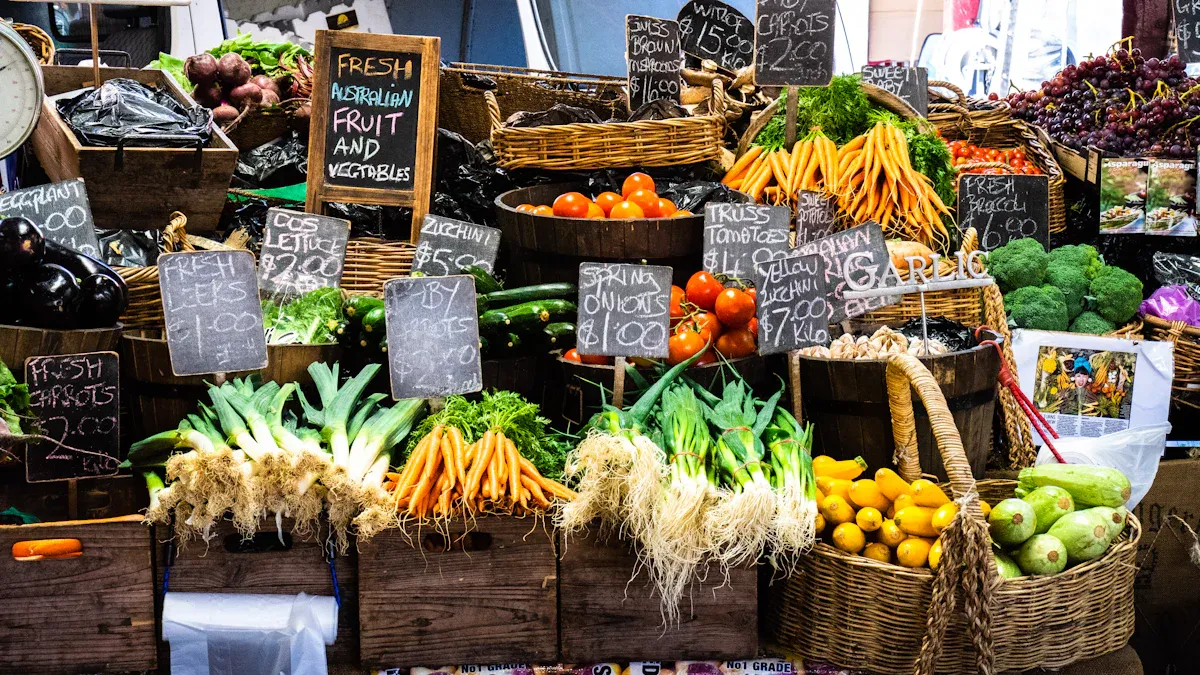
Spring is a vibrant season filled with fresh produce that can elevate your meals. As the weather warms up, you’ll find a delightful array of vegetables and fruits that not only taste great but also pack a nutritional punch. Let’s explore some popular spring produce that you can incorporate into your cooking.
Spring Vegetables
Spring brings a variety of vegetables that are perfect for salads, stir-fries, and more. Here are some of the most popular spring vegetables you should look for:
Arugula
Asparagus
Cabbage
Carrots
Kale
Spinach
Radishes
These vegetables are not just tasty; they also offer numerous health benefits. For example, asparagus is an excellent source of fiber and vitamins A, C, and K, which support digestion and immunity. Spinach is loaded with iron and antioxidants, boosting your eye health. You can find delicious recipes that feature these ingredients, like a refreshing asparagus salad or a hearty kale and radish stir-fry.
Spring Fruits
Spring also brings a bounty of fruits that can add sweetness and flavor to your dishes. Here are some fruits to look out for:
Strawberries
Apricots
Cherries
Mangoes
These fruits are versatile and can be used in various recipes. Strawberries, for instance, are perfect for desserts, smoothies, or even salads. Apricots have a sweet-tart flavor that works well in jams or savory dishes. You can try making a cherry compote to top your pancakes or a mango salsa for your grilled chicken.
Embrace the season by experimenting with these fresh ingredients. You’ll discover new flavors and enjoy the benefits of seasonal eating!
Summer Fresh Ingredients
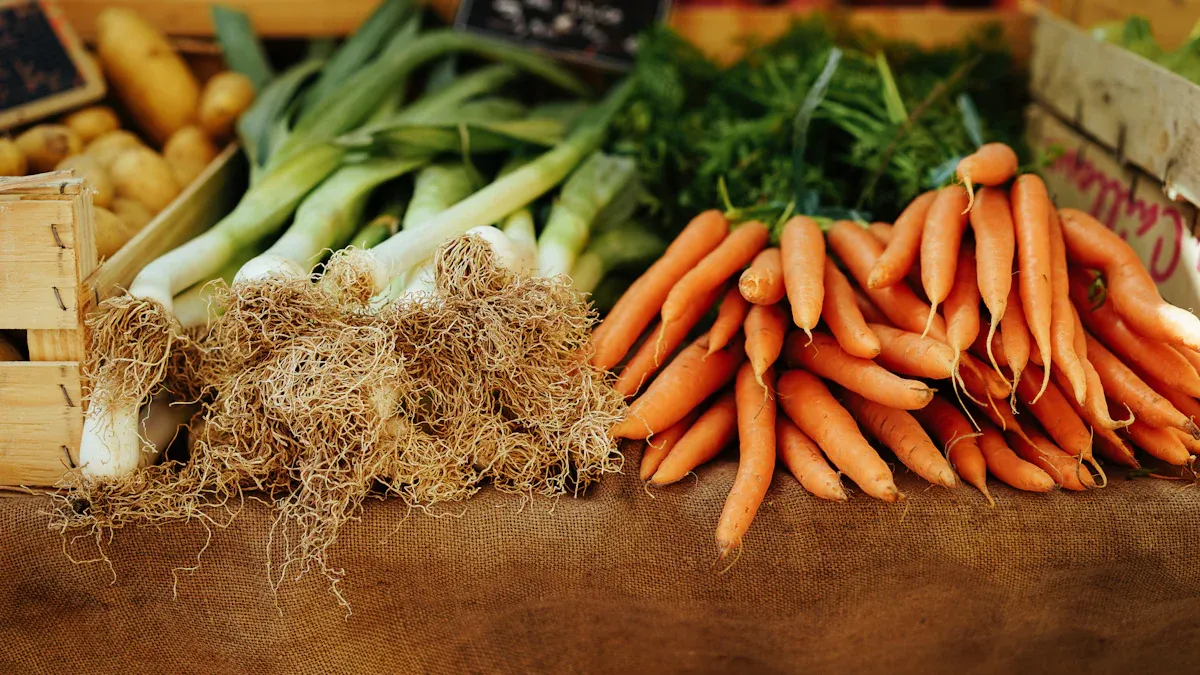
Summer is a fantastic time to enjoy fresh produce bursting with flavor. The warm weather brings a variety of vegetables and fruits that can elevate your meals. Let’s dive into some of the best summer ingredients you can find at your local market.
Summer Vegetables
When you think of summer, think of vibrant vegetables that are perfect for grilling, salads, and more. Here are some popular summer vegetables you should look for:
Tomatoes
Corn
Bell peppers
Hot peppers
Zucchini & summer squash
Eggplant
Green beans
Cucumbers
Peas
Sweet onions
These vegetables not only taste great but also offer numerous health benefits. For instance, tomatoes are rich in antioxidants and can help improve heart health. Zucchini is low in calories and high in vitamins, making it a great addition to any dish. You can try grilling zucchini and bell peppers for a colorful side dish or tossing fresh tomatoes into a summer salad.
Summer Fruits
Summer fruits are a sweet treat that can brighten up any meal. Here are some fruits you should definitely include in your summer recipes:
Cherries
Strawberries
Peaches
Plums
Apricots
These fruits shine in desserts and can also be used in savory dishes. Fresh cherries make a delicious topping for yogurt or pancakes. Juicy peaches are perfect for grilling or baking into a pie. You can even create a refreshing fruit salad with strawberries and plums for a light dessert.
Embrace the summer season by experimenting with these fresh ingredients. You’ll enjoy the vibrant flavors and the health benefits that come with seasonal eating!
Fall Seasonal Produce
As the leaves change color and the air turns crisp, fall brings a wonderful selection of fresh produce. This season is perfect for cozy meals that highlight the rich flavors of autumn. Let’s explore some popular fall vegetables and fruits that you can enjoy in your cooking.
Fall Vegetables
Fall vegetables are hearty and flavorful, making them ideal for soups, stews, and roasted dishes. Here are some of the most popular fall vegetables you should look for:
Pumpkin: Perfect for pies or soups.
Butternut Squash: Great for roasting or pureeing.
Sweet Potatoes: Delicious in casseroles or mashed.
Brussels Sprouts: Fantastic when roasted with olive oil.
Carrots: Versatile for salads or side dishes.
You might also find other interesting options like sorrel, rhubarb, and garlic. These ingredients can add unique flavors to your meals. For instance, try a roasted butternut squash soup or a savory pumpkin risotto to warm you up on chilly evenings.
Fall Fruits
Fall fruits are not only delicious but also packed with nutrients. Here are some fruits you should definitely include in your fall recipes:
Apples: Perfect for pies or fresh cider.
Pears: Great in salads or desserts.
Cranberries: Ideal for sauces or baked goods.
Quinces: Excellent for jams or poached dishes.
Apples, in particular, are known for their high antioxidant content. They can help lower cholesterol and blood pressure. You can enjoy them in a classic apple pie or a refreshing apple salad.
Embrace the flavors of fall by experimenting with these seasonal ingredients. You’ll find that cooking with fresh produce not only enhances your meals but also connects you to the season!
Winter Cooking Seasonally
Winter brings a unique selection of fresh produce that can warm your heart and home. As the temperatures drop, you’ll find a variety of winter vegetables and fruits that are perfect for hearty meals. Let’s explore some popular winter produce that you can enjoy in your cooking.
Winter Vegetables
During winter, you can find a range of vegetables that are perfect for cozy recipes. Here are some winter vegetables to look for:
Alliums (Garlic, Leeks, Onions & Shallots)
Beets & Beetroot
Broccoli
Brussels Sprouts
Cabbage (Red & Green)
Carrots
Cauliflower
Celery
Fennel
Mushrooms
Parsnips
Potatoes
Pumpkins & Squash (Acorn, Butternut, Kabocha, etc.)
Radishes
Rutabaga
Sweet Potatoes
Turnips
Winter Greens (Collard Greens, Kale, Spinach, Swiss Chard, Turnip Greens)
These vegetables are not only nutritious but also versatile. For example, you can whip up a Roasted Butternut Squash Soup, which is smooth and comforting. Or try Bacon Roasted Brussels Sprouts for a smoky flavor that pairs beautifully with winter meals.
Winter Fruits
Winter fruits are a delightful way to add sweetness to your dishes. Here are some fruits you should include in your winter recipes:
Oranges
Grapefruits
Mandarins
Apples
Pears
Pomegranates
Kiwis
These fruits are packed with vitamin C, which helps boost your immune system during the cold months. For instance, enjoy a fresh Orange and Pomegranate Salad for a refreshing treat. You can also bake Apple Crisp for a warm dessert that fills your kitchen with a delightful aroma.
Embrace the season by cooking with these fresh ingredients. You’ll find that winter cooking seasonally not only enhances your meals but also brings comfort during the chilly months!
Practical Tips for Cooking Seasonally
Cooking with seasonal ingredients can be a delightful experience, but it helps to have a plan. Here are some practical tips to guide you in your seasonal cooking journey.
Seasonal Ingredient Guide
When planning your meals, consider these key factors for selecting seasonal ingredients:
Freshness: Fresh ingredients enhance flavor and nutritional value.
Seasonality: Using seasonal produce ensures optimal taste and supports local agriculture.
Flavor Profiles: Understanding how ingredients complement each other is essential for creating balanced dishes.
Quality Over Quantity: Prioritizing high-quality ingredients leads to superior meals.
To help you navigate seasonal produce, here’s a handy table of reliable resources for identifying what’s in season by region:
Resource Name | Description | Region |
|---|---|---|
FAO’s Searchable Crop Calendar Database | A searchable database for different crops and countries. | International |
FoodPrint Seasonal Food Guide | Allows users to search for produce by location and time of year. | U.S. |
LocalHarvest National Directory | Connects users with local food sources, including CSAs and farmers markets. | U.S. |
SNAP-Ed Seasonal Produce Guide | Provides an overview of commonly eaten produce sorted by season. | U.S. |
SeasonEats | A mobile app providing seasonal data for produce in the U.S. and U.K. | U.S. and U.K. |
South Africa Seasonal Calendar | A visual infographic calendar showing seasonality of produce in South Africa. | South Africa |
Meal Planning Tips
Meal planning with seasonal produce can save you time and money while enhancing your meals. Here are some effective strategies to consider:
Meal Plan for the Season: Have a general idea of what seasonal produce is available and plan meals around that.
Shop the Buy Price: Avoid buying out-of-season produce at a premium; focus on what is currently in season.
Shop the Rainbow: Incorporate a variety of colorful fruits and vegetables to enhance nutrition.
Buy Enough for 10-14 Days: Purchase fresh produce that needs to be consumed quickly to encourage seasonal eating.
Supplement with Local Sales: Check local sales for staple items that may not be available at the market.
Buy Extras at the End of the Season: Purchase surplus produce at the end of the season for preservation and future use.
By planning your meals around seasonal ingredients, you can enjoy fresher, tastier dishes while also saving money. Seasonal fruits and vegetables are often cheaper than out-of-season options, and they can enhance the flavor profile of your staple meals.
When it comes to storing your seasonal produce, here are some best practices to maximize freshness:
Produce Type | Storage Method |
|---|---|
Greens and herbs | Store in a sealed bag to reduce oxygen flow. |
Citrus fruits | Use a mesh bag for proper airflow. |
Fresh produce & berries | Keep dry and avoid washing until consumption. |
Celery | Wrap in tin foil to allow ethylene release. |
Tomatoes | Store uncovered on the counter for ripening. |
Asparagus | Keep upright in a glass of water. |
Mushrooms | Store in a paper bag to absorb moisture. |
Carrots | Cut off leafy tops to retain nutrients. |
Cucumbers | Dry thoroughly and wrap in paper towel. |
Bell Peppers | Store in a dry, sealed bag in the crisper. |
By following these tips, you can make the most of your seasonal cooking experience. Embrace the joy of eating seasonally, and let the flavors of fresh produce inspire your meals!
Cooking with seasonal produce offers you a world of benefits! 🌱 Here’s why you should make it a regular practice:
Better Nutrition: Seasonal fruits and vegetables are often harvested at peak ripeness, which means they’re packed with vitamins and minerals. This variety helps lower blood pressure and reduces the risk of heart disease.
Cost-Effective: Seasonal ingredients are usually cheaper since they’re abundant. Buying from local farmers also cuts down on transportation costs, saving you money.
Environmental Impact: Using seasonal produce reduces carbon emissions and supports sustainable farming practices.
Each season brings fresh flavors and new recipes to explore. So, dive into your local market and enjoy the culinary creativity that comes with cooking seasonally! You’ll find joy in every bite. 🍽️
FAQ
What is seasonal produce?
Seasonal produce refers to fruits and vegetables that grow during specific times of the year. Eating these ingredients ensures you enjoy them at their freshest and most flavorful.
How can I find seasonal produce in my area?
You can visit local farmers’ markets, check grocery store labels, or use online resources like seasonal food guides. These tools help you discover what’s in season near you.
Why should I cook with seasonal ingredients?
Cooking with seasonal ingredients enhances flavor, boosts nutrition, and supports local farmers. Plus, it often saves you money since seasonal produce is usually more abundant.
Can I freeze seasonal produce for later use?
Yes! Freezing seasonal produce is a great way to preserve its freshness. Just make sure to wash, chop, and blanch vegetables before freezing for the best results.
How do I store seasonal fruits and vegetables?
Store fruits and vegetables in a cool, dry place. Use breathable bags for greens and keep root vegetables in a dark, cool area. Proper storage helps maintain freshness longer.