
Classic sauces play a vital role in your cooking journey. They not only enhance the flavors of your dishes but also build your culinary skills. By mastering these sauces, you can transform simple meals into gourmet experiences.
Understanding flavor profiles and ingredient combinations is key. When you grasp these concepts, you create sauces that harmonize with your main dishes. As you practice, cooking shifts from a routine task to a form of self-expression. This creative outlet enriches your life and strengthens your connection to the culinary world.
Embrace the art of classic sauce recipes and watch your confidence soar in the kitchen!
Key Takeaways
Mastering classic sauces enhances your cooking skills and transforms simple meals into gourmet experiences.
Understanding the five mother sauces—Béchamel, Velouté, Espagnole, Hollandaise, and Tomato—provides a strong foundation for creating a variety of dishes.
Experimenting with sauces adds flavor, texture, and variety to your meals, making cooking more enjoyable.
Use high-quality ingredients and practice regularly to build confidence in your sauce-making abilities.
Feel free to adjust ingredients in sauces to suit your taste or dietary needs, allowing for creativity in the kitchen.
Classic Mother Sauces
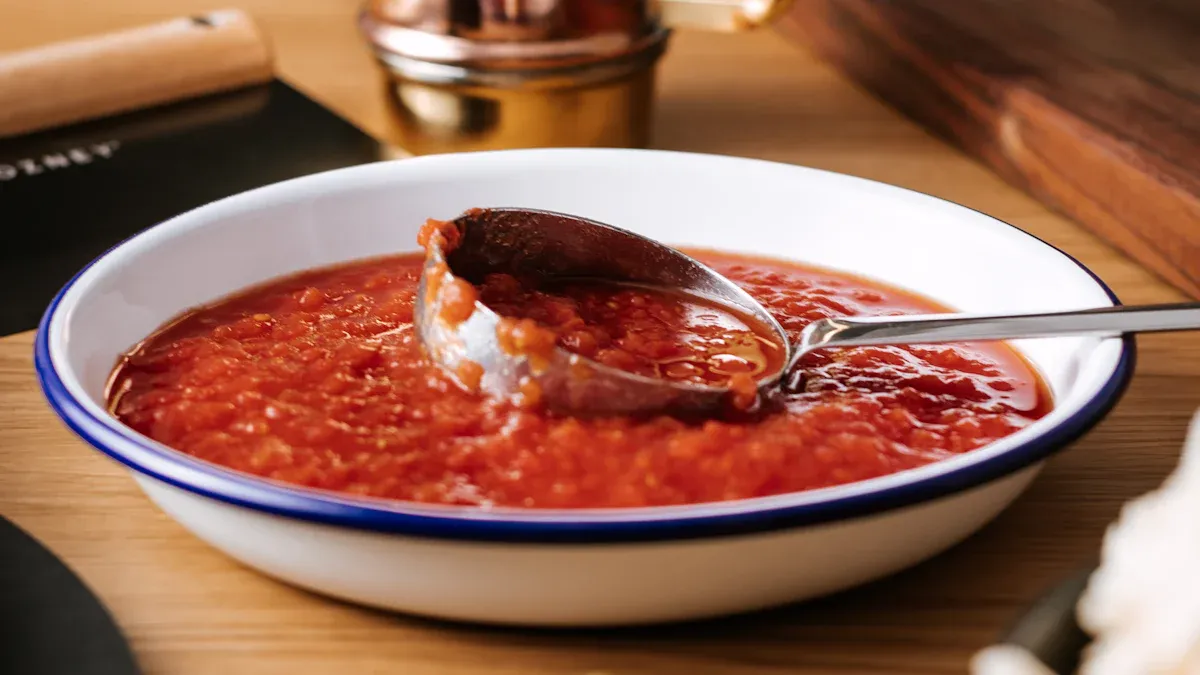
Classic mother sauces form the backbone of French cuisine. They serve as the foundation for countless derivative sauces, known as daughter sauces. Understanding these sauces not only enhances your cooking skills but also opens up a world of flavor possibilities. Here’s a closer look at each of the five classic mother sauces:
Béchamel
Béchamel is a creamy white sauce made from milk and a roux (a mixture of flour and butter). It’s often considered the starting point for many creamy dishes. Here are some key points about Béchamel:
Role in Cuisine: Béchamel serves as a base for sauces like Mornay (cheese sauce) and Soubise (onion sauce).
Common Uses: You’ll find it in dishes like lasagna, gratins, and creamy casseroles.
Ingredients:
4 cups of whole milk
2 tablespoons of butter
2 tablespoons of all-purpose flour
Salt and pepper to taste
Velouté
Velouté is a light, blonde sauce made from white stock and a blonde roux. It’s lighter than Béchamel and serves as a base for many sauces. Here’s what you need to know:
Role in Cuisine: Velouté is foundational for sauces like Suprême and Allemande.
Common Uses: It pairs well with poultry and seafood dishes.
Key Ingredients:
White stock (chicken, fish, or vegetable)
Blonde roux (made from equal parts flour and butter)
Espagnole
Espagnole, or brown sauce, is rich and complex. It’s made from dark roux, brown stock, and tomato purée. This sauce is essential for creating depth in many dishes. Here are its highlights:
Role in Cuisine: Espagnole is the base for demi-glace and other rich sauces.
Common Uses: It enhances red meats and hearty stews.
Preparation Steps:
Sauté onions, carrots, and celery in butter.
Add flour to create a dark roux.
Stir in tomato paste and gradually add stock.
Simmer for a couple of hours to develop flavor.
Hollandaise
Hollandaise is a unique sauce made from egg yolks, clarified butter, and lemon juice. It’s known for its rich, buttery flavor and is an emulsion sauce. Here’s what makes it special:
Role in Cuisine: Hollandaise is the base for Béarnaise sauce and is often used in brunch dishes.
Common Uses: It’s famously served with eggs Benedict and steamed vegetables.
Key Characteristics:
Requires careful temperature control to avoid scrambling the eggs.
Balances richness with acidity from lemon juice.
Tomato
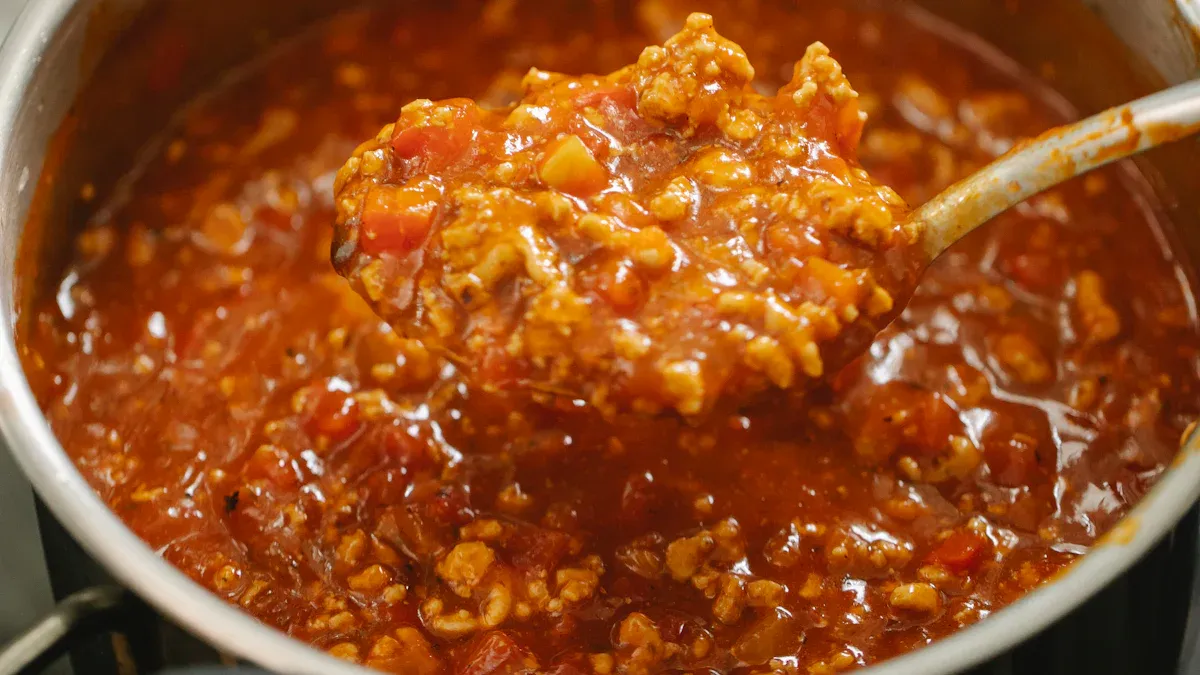
Tomato sauce is perhaps the most versatile of the mother sauces. It’s made from tomatoes, olive oil, and various seasonings. Here’s what you should know:
Role in Cuisine: Tomato sauce serves as a base for many Italian dishes and can be adapted in various cuisines.
Common Uses: Think pasta sauces, pizza, and stews.
Essential Ingredients:
Fresh tomatoes or canned tomatoes
Olive oil
Garlic and herbs for flavor
Sauce Name | Type of Sauce | Role in Cuisine |
|---|---|---|
Béchamel | White Sauce | Base for creamy sauces and dishes like macaroni and cheese. |
Velouté | Blonde Sauce | Foundation for sauces like sauce allemande and sauce suprême. |
Espagnole | Brown Sauce | Base for demi-glace and rich sauces for meats. |
Hollandaise | Butter Sauce | Base for sauces like béarnaise and used in eggs Benedict. |
Tomate | Red Sauce | Base for many tomato-based sauces and dishes like marinara. |
Mastering these classic mother sauces will elevate your cooking and inspire you to create your own delicious variations. So, roll up your sleeves and start experimenting with these foundational sauces!
Other Classic Sauce Recipes
Chimichurri
Chimichurri is a vibrant sauce that hails from Argentina. It’s perfect for adding a fresh kick to grilled meats. You’ll love how easy it is to whip up! Here are the key ingredients you’ll need:
Olive oil
Fresh parsley
Red wine vinegar
Lemon juice
Dried oregano
Shallot
Garlic
Crushed red pepper flakes
Salt and pepper
To prepare it, simply combine all the ingredients in a bowl. Taste and adjust the seasoning as needed. Serve it immediately for the best flavor! Chimichurri shines as a marinade for meats, a drizzle over vegetables, or even as a salad dressing.
Cuisine | Common Uses |
|---|---|
Argentinian | Dressing for grilled steak or chicken |
Uruguayan | Condiment for grilled meats |
Other cuisines | Marinade, drizzled over fish, pork, or used as a salad dressing |
Bearnaise
Bearnaise sauce is a rich, buttery sauce that’s a close relative of Hollandaise. It features a delightful blend of flavors. Here’s what sets it apart:
Ingredients: Bearnaise uses white wine vinegar, shallots, and tarragon, while Hollandaise relies on lemon juice.
Flavor Profile: Bearnaise is tangy and earthy, making it perfect for steak and other hearty dishes.
You can easily make Bearnaise by whisking egg yolks with melted butter and adding the vinegar mixture. It’s a fantastic choice for elevating your steak dinners!
Bread Sauce
Bread sauce is a traditional British accompaniment, especially during festive meals. It’s simple yet comforting. Here’s a quick look at its history and preparation:
Time Period | Evidence |
|---|---|
12th-15th centuries | The use of bread to thicken sauces began in medieval Europe. |
18th century | Hannah Glasse’s cookbook standardized bread sauce as a staple in British cuisine. |
To make it, you’ll need:
1 onion
4 cloves
1 pint of milk
2 bay leaves
Freshly grated nutmeg
4 slices of white bread
Butter
Start by pushing the cloves into the onion and placing it in a saucepan with milk and bay leaves. Bring it to a boil, then let it simmer. Strain the milk, mix in breadcrumbs, and heat until thickened. This sauce pairs beautifully with roast poultry and is a must-have for your holiday table!
Classic sauces are essential in your cooking journey. They not only enhance the flavor of your dishes but also improve their presentation. Culinary experts agree that sauces play a vital role in guiding the diner’s experience and influencing how they perceive flavors.
By practicing these classic recipes, you can unlock a world of culinary creativity. Here are some benefits of experimenting with sauces:
Enhance Flavor: Sauces can significantly improve the taste of dishes, adding complexity and richness.
Add Texture: They introduce various textures, making meals more interesting and enjoyable.
Create Variety: Changing sauces can transform basic meals into exciting new dishes.
To master these sauces, start with high-quality ingredients and practice regularly. Taste and adjust seasonings as you go. With each attempt, you’ll build confidence and expand your cooking repertoire. So, roll up your sleeves and dive into the world of classic sauces!
FAQ
What is a mother sauce?
A mother sauce is a foundational sauce in cooking. It serves as a base for many other sauces, known as daughter sauces. Mastering these sauces can elevate your culinary skills and enhance your dishes.
How do I store homemade sauces?
Store homemade sauces in airtight containers in the refrigerator. Most sauces last about 3 to 5 days. For longer storage, consider freezing them in ice cube trays for easy portioning.
Can I substitute ingredients in these sauces?
Yes! Feel free to substitute ingredients based on your preferences or dietary needs. For example, use almond milk instead of dairy in Béchamel or swap fresh herbs in Chimichurri.
What dishes pair well with these sauces?
These classic sauces complement a variety of dishes. Use Béchamel in lasagna, Hollandaise with eggs Benedict, and Chimichurri on grilled meats. Experiment to find your favorite pairings!
How can I improve my sauce-making skills?
Practice is key! Start with the basic recipes, taste as you go, and adjust seasonings. Don’t be afraid to experiment with flavors and techniques to develop your unique style.