

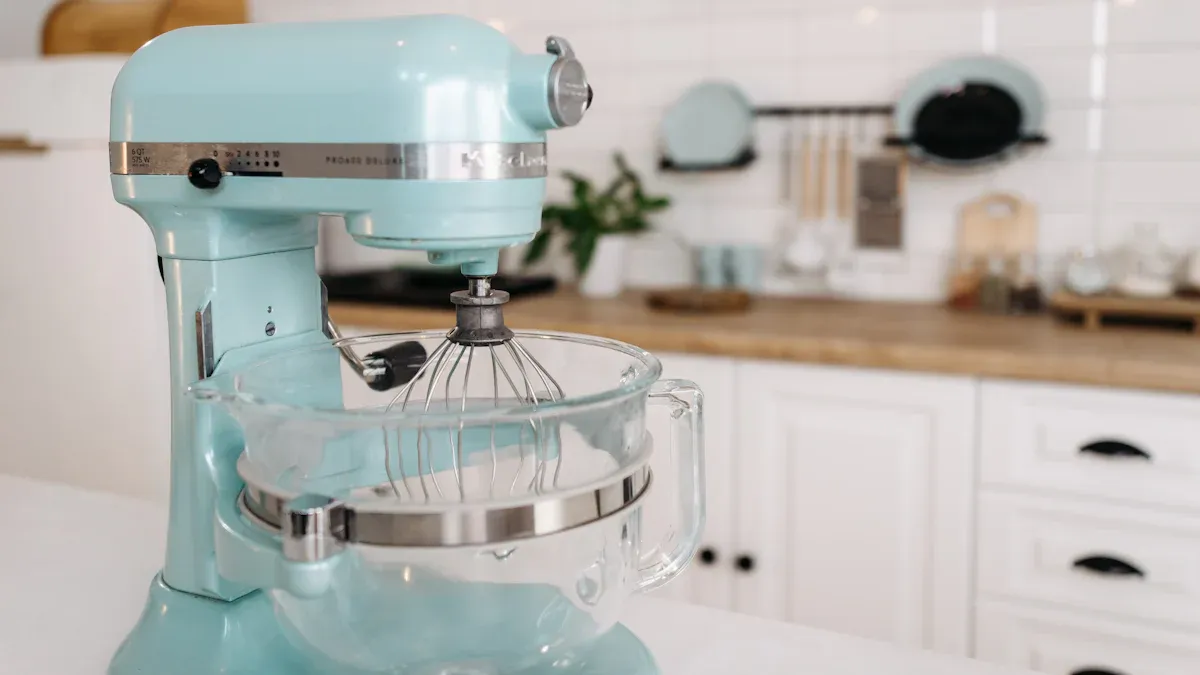
Are you wondering about the differences between a stand mixer vs. hand mixer? If you bake often or tackle heavy mixtures, a stand mixer might be your best bet. For quick tasks or smaller recipes, a hand mixer shines. Choosing the right mixer, whether it’s a stand mixer vs. hand mixer, boosts your efficiency and makes your time in the kitchen more enjoyable. With the rise of home baking, both mixers have gained popularity. Stand mixers are favored for their durability and performance, while hand mixers are loved for their portability and ease of use.
Key Takeaways
Stand mixers excel at heavy-duty tasks like kneading bread dough, making them ideal for frequent bakers.
Hand mixers are portable and budget-friendly, perfect for quick tasks like whipping cream or mixing small batters.
Consider your baking habits: choose a stand mixer for larger recipes and a hand mixer for occasional use.
Stand mixers require more space and setup time, while hand mixers are compact and easy to store.
Investing in the right mixer can enhance your baking efficiency and enjoyment in the kitchen.
Stand Mixer vs. Hand Mixer: Key Differences
Design and Portability
When you think about design and portability, stand mixers and hand mixers have distinct features that cater to different needs. Here’s a quick comparison:
Hand Mixers:
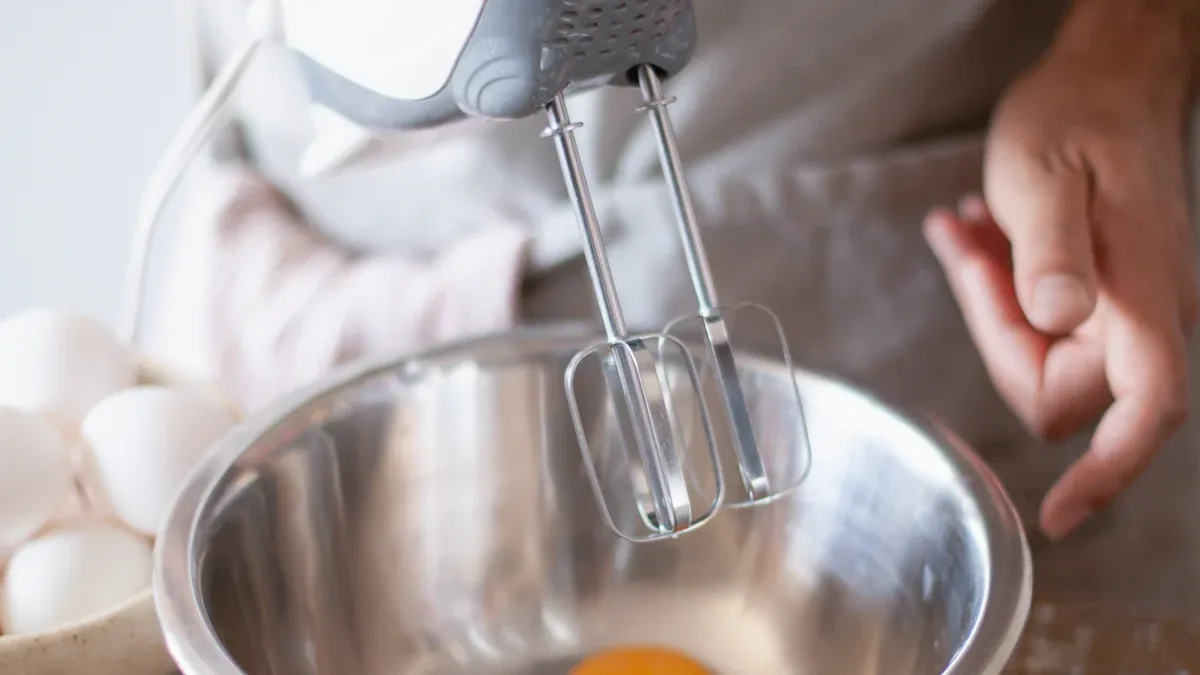
Portable and lightweight, making them easy to move around your kitchen.
Require minimal setup; just plug them in and you’re ready to go.
Their compact design allows for easy storage in drawers or cabinets.
Stand Mixers:
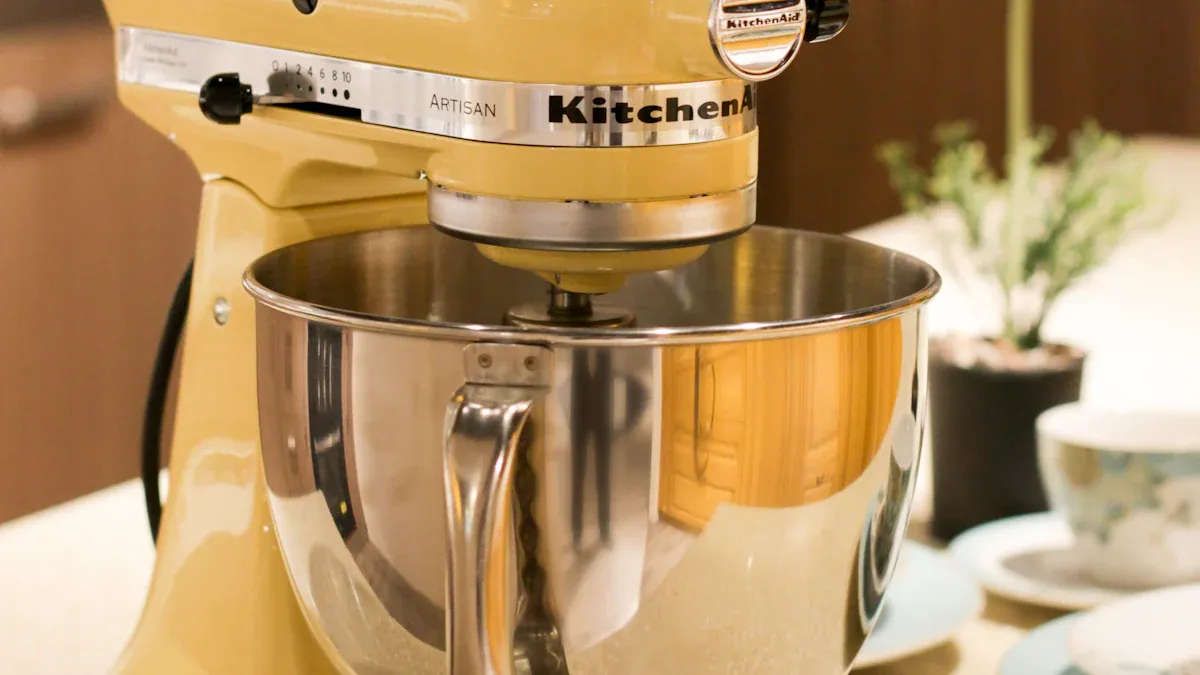
Generally bulkier and require dedicated counter space.
Setup can take a bit longer, as you may need to attach various attachments.
They can weigh between 20 to 50 pounds, making them less portable.
Feature | Hand Mixer | Stand Mixer |
|---|---|---|
Portability | Lightweight and easy to move | Bulky and requires dedicated space |
Setup Time | Minimal setup, just plug in | Requires more setup and space |
Storage | Compact design fits in drawers | Takes up significant counter space |
Weight | Generally lighter | Can weigh 20-50 pounds |
Power and Performance
Power and performance are crucial when deciding between a stand mixer vs. hand mixer. Each type has its strengths and weaknesses:
Stand Mixers:
They excel in mixing performance, especially for heavy-duty tasks like kneading bread dough. Brands like Bosch and Ankarsrum provide consistent and thorough mixing, which is essential for achieving the right texture in baked goods.
Stand mixers can handle larger quantities of ingredients, allowing you to mix, knead, and whip simultaneously. This versatility can significantly reduce preparation time for recipes like cookies and cakes.
However, they tend to produce more noise during operation, which might be a concern if you prefer a quieter kitchen.
Hand Mixers:
While they are great for light mixing tasks, they struggle with dense doughs. You might find yourself putting in more manual effort when using a hand mixer for heavy mixtures.
They are perfect for quick tasks like whipping cream or mixing batter for pancakes. However, they may not provide the same level of consistency as stand mixers.
Keep in mind that using a hand mixer for heavy dough can lead to uneven mixing, which might affect your final product.
Tip: If you often bake bread or work with heavy mixtures, a stand mixer will likely serve you better. For quick and light tasks, a hand mixer is a convenient choice.
Benefits of Stand Mixers for Baking
Versatility in Cooking
Stand mixers are incredibly versatile, making them a favorite among bakers and home cooks alike. With the right attachments, you can tackle a wide range of tasks. Here are some of the most common attachments that enhance their versatility:
Flat Beater Attachment: Perfect for creaming butter and sugar, mixing cookie dough, and beating cake batters.
Whisk Attachment: Great for whipping air into mixtures like meringues and whipped cream.
Dough Hook Attachment: Specifically designed for kneading bread and pizza dough, as well as mixing pasta dough.
This versatility means you can use your stand mixer for various baking tasks, from making whipped cream to preparing cookie dough and even kneading bread dough. Imagine whipping up a batch of chocolate chip cookies or mixing enriched white bread with ease!
Ideal for Heavy Mixtures
When it comes to handling heavy mixtures, stand mixers truly shine. They excel at tasks that require more power and stability, such as kneading bread dough or mixing thick batters. For instance, the Ankarsrum Original Stand Mixer features a stable base and a unique kneading mechanism. This design prevents wobbling, allowing it to handle large amounts of dough without instability. You can knead bread dough vigorously without worrying about your mixer tipping over.
Investing in a stand mixer also saves you time and effort. It can complete tasks in about 5 minutes that might take you 15 to 20 minutes by hand. Plus, you get consistent results every time, ensuring uniform texture in your baked goods. This reliability is essential when you’re baking for family or friends.
Advantages of Hand Mixers
Compact and Portable
One of the biggest perks of using a hand mixer is its compact and portable design. You can easily store it in a kitchen drawer or cabinet without taking up much space. This makes it perfect for those with smaller kitchens or limited counter space. When you need to whip up a quick batch of cookies or mix a cake batter, you can grab your hand mixer and start right away. Its lightweight nature means you can move it around your kitchen with ease, making it a convenient choice for quick tasks.
Here’s a quick comparison of the size and weight of hand mixers versus stand mixers:
Mixer Type | Width (inches) | Depth (inches) | Height (inches) | Weight (lbs) |
|---|---|---|---|---|
Stand Mixer | 10-14 | 12-14 | 14-17 | 20-30 (tilt-head) or 25-35 (bowl-lift) |
Hand Mixer | 8-10 | N/A | 6-8 | 2-3 |
As you can see, hand mixers are significantly lighter and smaller, making them a breeze to handle.
Budget-Friendly Option
If you’re looking for a budget-friendly option, hand mixers are often the way to go. They typically cost much less than stand mixers, allowing you to save money while still getting a reliable tool for your baking needs. Plus, cleaning a hand mixer is straightforward. You can easily detach the beaters and pop them in the dishwasher or wash them by hand. In contrast, stand mixers require more detailed care, including cleaning the mixing bowl and inspecting various components regularly.
Tip: If you’re just starting out in baking or only need a mixer for occasional use, a hand mixer is a smart investment. It offers great value without breaking the bank!
With their compact design and affordability, hand mixers are an excellent choice for many home cooks. Whether you’re whipping cream or mixing batter, you’ll find that a hand mixer can handle the job with ease.
When to Use Each Mixer
Best Uses for Stand Mixers
Stand mixers are your go-to choice for several scenarios, especially when you need power and efficiency. Here are some situations where they truly shine:
Scenario Description | Reason for Preference |
|---|---|
Large quantities of dough or batter | Stand mixers can handle larger volumes than hand mixers, making them ideal for recipes yielding more than two dozen cookies or a single-layer cake. |
Kneading bread dough | Stand mixers are designed for kneading, which is labor-intensive and better suited for machines than hand mixers. |
Long mixing times | Recipes like marshmallows and European-style buttercreams require extended mixing, which is more efficiently done with a stand mixer. |
Multitasking | Stand mixers allow for multitasking, such as pouring hot syrup into egg whites, which is difficult with a hand mixer. |
Whipping multiple egg whites | Stand mixers can efficiently whip three or more egg whites, which can be challenging for hand mixers. |
Best Uses for Hand Mixers
Hand mixers are perfect for quick tasks and smaller jobs. Here are some common uses where they excel:
Mixing batters
Whipping cream
Light dough
These tasks are simple and quick, making a hand mixer a convenient tool for everyday cooking. If you’re whipping up a small batch of frosting or mixing pancake batter, a hand mixer gets the job done without the hassle of setting up a stand mixer.
Tip: If you often bake in small quantities or need a mixer for light tasks, a hand mixer is a smart choice. It’s easy to store and quick to clean, making it ideal for occasional bakers.
Choosing between a stand mixer and a hand mixer depends on your cooking style and needs. Here’s a quick summary of their main differences:
Stand Mixers: Great for heavy-duty tasks, larger batches, and consistent results. They require more space and are generally noisier.
Hand Mixers: Portable, budget-friendly, and perfect for light mixing tasks. They take up less space and are easier to clean.
If you bake frequently or tackle large recipes, a stand mixer is a solid investment. For occasional bakers or those with limited kitchen space, a hand mixer is a smart choice. Remember to consider your specific needs before making a purchase!
Tip: Think about how often you bake and the types of recipes you enjoy. This will help you decide which mixer fits best in your kitchen.
FAQ
What is the main difference between a stand mixer and a hand mixer?
The main difference lies in their design and functionality. A stand mixer is stationary and powerful, ideal for heavy mixtures. A hand mixer is portable and lightweight, perfect for quick tasks and smaller recipes.
Can I use a hand mixer for heavy dough?
While you can use a hand mixer for light dough, it struggles with heavy mixtures. For tasks like kneading bread dough, a stand mixer is more effective and efficient.
Are stand mixers worth the investment?
If you bake frequently or tackle large recipes, a stand mixer is worth the investment. It saves time and provides consistent results, making your baking experience easier.
How do I clean my hand mixer?
Cleaning a hand mixer is simple. Detach the beaters and wash them by hand or place them in the dishwasher. Wipe the mixer body with a damp cloth to keep it clean.
Can I make whipped cream with a hand mixer?
Absolutely! A hand mixer is perfect for whipping cream. Just use a whisk attachment and mix until you reach your desired consistency.