

Cooking can feel overwhelming, but mastering how to read recipes, adjust them, and scale them can change the game for you. When you understand these skills, you can confidently explore new dishes and personalize meals to your taste. You’ll find that adjusting a recipe for your preferences is simple. For example, if your recipe calls for 3 lbs of chicken, you can easily multiply that for larger gatherings. This flexibility helps you enjoy cooking more and makes every meal a chance to experiment.
Remember, practice makes perfect!
Key Takeaways
Master the basics of reading recipes. Familiarize yourself with ingredients, measurements, and cooking terms to enhance your cooking skills.
Adjust recipes to suit your taste. Experiment with flavors like sweetness and saltiness to create dishes that you love.
Scale recipes easily. Use the Recipe Conversion Factor to adjust ingredient amounts based on the number of servings you need.
Practice good timing. Use a kitchen timer and monitor cooking closely to ensure your dishes are cooked perfectly every time.
Embrace substitutions. If you lack an ingredient, find alternatives in your pantry to keep cooking without stress.
Recipe Components
Understanding the essential parts of a recipe can make cooking much easier and more enjoyable. Here’s a breakdown of the key components you’ll find in most recipes:
Ingredients and Their Roles
Every good recipe starts with a clear ingredient list. This list not only tells you what you need but also highlights the role each ingredient plays. For example, flour provides structure, while sugar adds sweetness. Knowing these roles helps you make informed choices when adjusting recipes. Here are some steps to follow:
Read through the recipe twice to ensure you understand.
Determine the yield amount of the recipe to prepare enough for your guests.
Make a checklist of all your ingredients needed to avoid last-minute trips to the store.
Measurements and Conversions
Accurate measurements are crucial for successful cooking. Different recipes may use various measurement systems. Here’s a quick comparison:
Measurement System | Units Used | Description |
|---|---|---|
US Customary | Teaspoon, Tablespoon, Cup, Pint, Quart, Gallon, Ounce, Pound | Commonly used in the US, includes both volume and weight measurements. |
Metric | Milliliter, Liter, Gram, Kilogram | Widely used outside the US, based on units of ten for easier scaling and conversions. |
Understanding how to convert between these systems can help you follow any recipe with confidence.
Cooking Terminology
Familiarizing yourself with common cooking terms can prevent confusion. Here are a few frequently misunderstood terms:
Cooking Term | Definition | Significance |
|---|---|---|
Al dente | Means ‘to the tooth’ in Italian, indicating pasta that is cooked but still firm. | Provides a pleasing texture and allows for further cooking in sauce without overcooking. |
Baste | To bathe food in liquid while cooking. | Keeps food moist and enhances flavor. |
Blanch | To flash-boil in salted water, followed by cooling in ice water. | Preserves color and texture of vegetables, making them tender without mushiness. |
By understanding these components, you’ll read recipes more effectively and execute them with greater success.
How to Read Recipes
Reading recipes is a crucial step in successful cooking. Before you even think about chopping vegetables or preheating the oven, take a moment to thoroughly read the recipe. This practice sets you up for success and helps you avoid common pitfalls.
Following Instructions
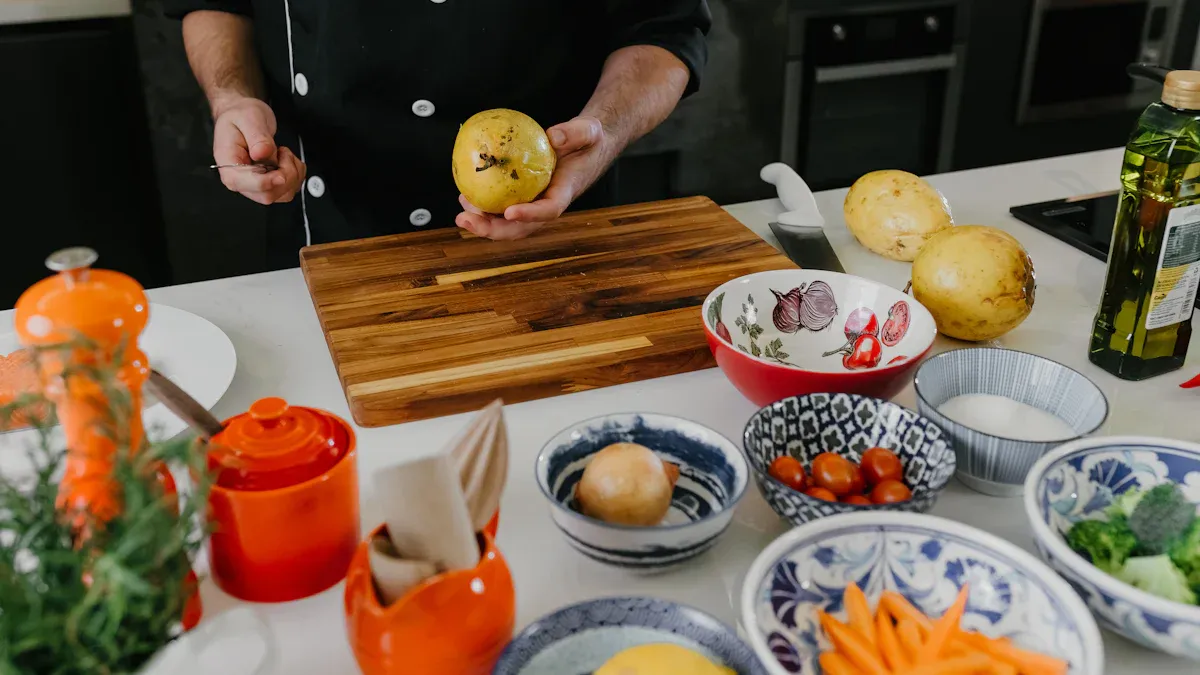
To follow a recipe effectively, you should start by gathering all your ingredients and equipment. This preparation, known as Mise en place, ensures you have everything at hand. Here’s a simple checklist to help you get started:
Always read the recipe from beginning to end, including the ingredient list.
Familiarize yourself with each step before cooking.
Have your recipe available and follow the instructions while cooking.
Reading the recipe multiple times helps you understand all instructions and address any confusion before you start. Culinary experts emphasize that this preparation increases your chances of cooking success. Knowing the ingredients, tools, and time involved helps you navigate the entire cooking process smoothly.
When you read recipes, clarity is key. Here are some best practices to ensure you follow instructions accurately:
Best Practice | Description |
|---|---|
Accuracy and Clarity | Carefully review and edit recipes for accuracy. |
Clear Instructions | Ensure instructions are easy to follow for all skill levels. |
Visual Guidance | Include pictures for each step to guide you through. |
Pro Tips | Provide troubleshooting suggestions to enhance your experience. |
Recipe Testing | Test recipes multiple times for consistency. |
Timing and Techniques
Timing can make or break a dish. Use a kitchen timer to maintain focus and ensure precise cooking times. Here are some tips to manage timing effectively:
Set timers 10-20% earlier than the recipe suggests. This accounts for variations in cooking conditions.
Break down complex recipes into individual components and estimate the time for each step.
Include buffer time to handle unexpected tasks during cooking.
By managing your timing and techniques, you can tackle even the most complex recipes with confidence. Remember, practice makes perfect, and the more you cook, the better you’ll become at reading recipes and executing them flawlessly.
Adjusting Recipes
Adjusting recipes allows you to create dishes that suit your taste and dietary needs. Here are some tips to help you modify recipes effectively.
Modifying for Taste
When you want to tweak a recipe, consider the balance of flavors. You can adjust sweetness, saltiness, acidity, and bitterness to enhance your dish. Here’s a handy table to guide you:
Flavor | How to Adjust |
|---|---|
Salt | Increase: Add small amounts at a time (like soy sauce or parmesan). Decrease: Dilute with water or broth. |
Acid | Increase: Add lemon juice or vinegar. Decrease: Use fat or sweetness. |
Sweetness | Increase: Add sugar or honey. Decrease: Use bitterness or salt. |
Bitterness | Increase: Add leafy greens or cocoa. Decrease: Use sweetness or fat. |
Umami | Increase: Add soy sauce or mushrooms. Decrease: Use fresh herbs. |
Home cooks often adjust recipes to achieve a balance among sweet, sour, bitter, and salty elements. These adjustments enhance flavors and correct imbalances, creating a more enjoyable eating experience.
Dietary Needs
Accommodating dietary restrictions is essential for many cooks. Here are some strategies to consider:
Focus on naturally inclusive ingredients like legumes and vegetables for vegan diets.
Explore global cuisines that naturally fit various dietary needs, such as Mediterranean or South Indian dishes.
Build flavor without common allergens by using herbs, spices, and umami-rich components.
Document your successful adaptations to create a reliable resource for future meals.
For example, if a recipe calls for milk, you can substitute it with plant-based milks like almond or soy. If you need to replace butter, try using vegan butter or oil. These substitutions can maintain flavor and texture while meeting dietary requirements.
Ingredient Substitutions
Sometimes, you may not have all the ingredients on hand. Knowing effective substitutions can save the day. Here’s a quick reference:
Original Ingredient | Substitute | Notes |
|---|---|---|
Milk | Plant-based milks (almond, soy) | Choose unsweetened for savory dishes. |
Eggs | ¼ cup egg substitute or 2 tbsp. mayonnaise | Works well in baking. |
Flour | Gluten-free flour blends | Research specific blends for baking needs. |
Being adaptable in the kitchen not only helps you maintain the integrity of a dish but also opens up new possibilities. If you lack a specific ingredient, check your pantry for alternatives. Understanding the role of each ingredient will help you make effective substitutions.
Remember, adjusting recipes is all about experimenting and finding what works best for you!
Scale Recipes Up or Down
Scaling recipes allows you to adjust the number of servings based on your needs. Whether you’re cooking for a crowd or just a few, knowing how to scale recipes effectively can make your life easier. Let’s dive into how you can do this seamlessly.
Calculating Scaling Factors
To scale a recipe, you first need to determine how many servings you want. Here’s a simple process to follow:
Step | Description |
|---|---|
1 | Determine the new desired yield. |
2 | Calculate the Recipe Conversion Factor (RCF) using the formula: New Yield ÷ Original Yield. |
3 | Multiply each ingredient quantity by the RCF. |
When you increase a recipe, the RCF will be greater than one. Conversely, if you’re scaling down a recipe, the RCF will be a decimal less than one. For precise adjustments, especially with certain ingredients, you might need to use your judgment. Professional chefs often maintain accurate ratios and recalibrate yields to ensure the dish remains balanced. They also consider how ingredients behave when scaled, like sauces that may thicken or emulsions that might separate. Testing in small batches helps fine-tune flavors and textures before preparing larger quantities.
Adjusting Cooking Times
Cooking times can change when you scale recipes. Here are some tips to help you adjust:
Monitor your dish closely: As you scale up, larger quantities may take longer to cook. Conversely, smaller amounts might cook faster.
Use a kitchen timer: Set it for a few minutes less than the original recipe suggests. This way, you can check for doneness without overcooking.
Consider the cooking method: Baking times can vary significantly based on the size of your dish. For example, a larger cake may need a lower temperature for a longer time to bake evenly.
Here’s a quick reference table to help you understand how different factors affect cooking times:
Variable | How it might affect your baking… |
|---|---|
OVEN TYPE | The type and age of your oven play a large part in temperature determination. Time and temperature requirements will vary between ovens. |
PAN SIZE | The general rule of thumb is ‘the bigger the pan, the lower the temperature’. For instance, a 9” round cake bakes at 350° F for 30-35 minutes, while a 14” pan requires 325° F for 50-55 minutes. |
ALTITUDE | At high altitudes, adjustments in time, temperature, and ingredient amounts are necessary due to lower air pressure, which affects baking times and ingredient behavior. |
INGREDIENTS | Adding ingredients that increase liquid content, like an extra egg, will also increase baking time. |
Cookware Considerations
The size and type of cookware you use can significantly impact your results when scaling recipes. Here are some things to keep in mind:
Choose the right size: If you scale up a recipe, ensure your cookware can accommodate the increased volume. Using a pot or pan that’s too small can lead to spills or uneven cooking.
Material matters: Different materials conduct heat differently. For example, metal pans heat up quickly, while glass or ceramic may take longer to reach the desired temperature.
Digital tools: Consider using digital scales or recipe scaling apps. These tools help ensure accuracy in ingredient amounts and can save you time. They allow for quick scaling and unit conversions, reducing food waste and ensuring consistency.
By keeping these factors in mind, you can confidently scale recipes up or down, making your cooking experience more enjoyable and efficient.
Mastering how to read, adjust, and scale recipes can transform your cooking experience. Regular practice not only boosts your confidence but also enhances your ability to create delicious meals. Here are some long-term benefits of these skills:
Consistency: You’ll ensure dishes maintain their intended flavor and texture.
Cost-effectiveness: You’ll manage food costs by reducing waste.
Flexibility: You can adapt recipes for different occasions.
Time management: You’ll save time through batch cooking.
Portion control: You can better manage portion sizes.
So, don’t hesitate to experiment! Each dish you create is a chance to learn and grow. Remember, the more you cook, the more confident you’ll become. Happy cooking! 🍳
FAQ
What should I do if I don’t have all the ingredients for a recipe?
You can often substitute missing ingredients with what you have on hand. Check for alternatives in your pantry or fridge. Use our substitution tables for guidance!
How do I know if my adjustments will work?
Start with small changes. Taste as you go. This way, you can find the right balance without overwhelming the dish. Trust your instincts!
Can I scale recipes for different serving sizes?
Absolutely! Just calculate the Recipe Conversion Factor (RCF) based on your desired servings. Multiply each ingredient by this factor to adjust amounts.
What if my dish doesn’t turn out as expected?
Don’t worry! Cooking is a learning process. Analyze what went wrong, take notes, and try again. Each attempt helps you improve your skills.
How can I make cooking more enjoyable?
Experiment with flavors and techniques. Invite friends to cook with you or try new recipes. Enjoy the process, and remember, practice makes perfect! 🍳