

Using seasonal ingredients can completely transform your cooking experience. When you choose fresh, local produce, you enjoy better flavor and more nutrition. Seasonal ingredients are often harvested at their peak, ensuring they taste vibrant and delicious. Plus, buying local means you can save money—no extra transportation costs or preservatives needed.
By cooking with seasonal ingredients, you also support sustainable practices that benefit the environment. This approach reduces your carbon footprint and helps maintain healthier ecosystems. So why not explore your local markets and embrace the freshness of the season?
Key Takeaways
Choose seasonal ingredients for fresher flavors and better nutrition. Fresh produce tastes better and is often more affordable.
Explore local markets to find vibrant fruits and vegetables. Engaging with farmers can provide insights into the best seasonal options.
Use appropriate cooking methods like steaming and roasting to preserve nutrients and enhance flavors. These techniques help maintain the quality of your meals.
Plan meals around seasonal offerings to maximize taste and nutrition. Create a seasonal calendar to help you incorporate fresh ingredients into your cooking.
Preserve seasonal produce through freezing or canning to enjoy flavors year-round. This allows you to maintain the nutritional benefits of fresh ingredients.
Spring Ingredients
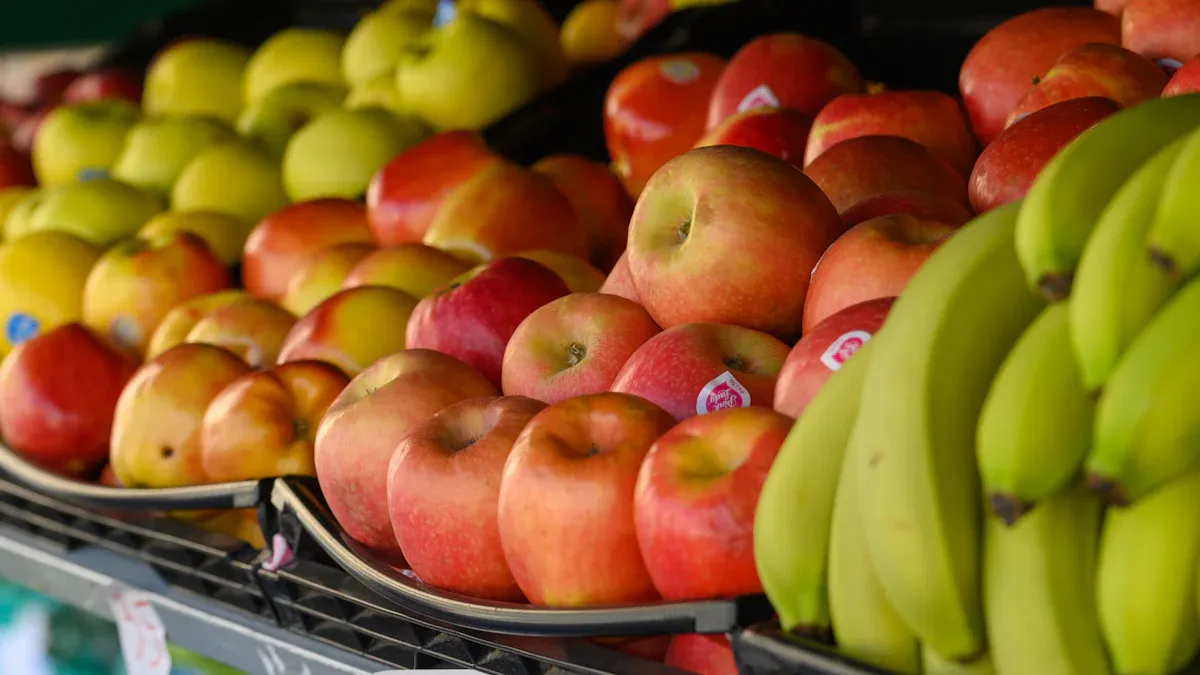
Spring is a fantastic time to explore fresh ingredients bursting with flavor and nutrition. As the weather warms up, many vibrant fruits and vegetables come into season, making it the perfect opportunity to enhance your meals. Using seasonal produce not only elevates the taste of your dishes but also packs them with essential nutrients.
Top Spring Produce
Here are some popular spring produce items you should consider adding to your meals:
Fruit/Vegetable | Harvest Season |
|---|---|
Strawberries | Spring |
Tomatoes | Spring |
Lettuce | Spring |
These ingredients are not just delicious; they also offer a wealth of health benefits. For instance, strawberries are an excellent source of vitamin C, potassium, folate, and antioxidants. Asparagus is rich in vitamins A, C, E, and K, along with fiber and folate. Peas provide a good amount of protein and are packed with vitamins A, C, and K, plus various antioxidants.
Cooking Methods for Spring
When it comes to cooking with spring ingredients, the method you choose can significantly impact the flavor and nutritional value. Here are some effective techniques to consider:
Steaming: This method is one of the best for preserving nutrients, especially water-soluble vitamins. It helps keep the vibrant colors and flavors of your vegetables intact.
Sautéing: Using minimal oil, sautéing is a gentle cooking method that retains nutrients while enhancing the natural flavors of your produce.
Grilling: This technique can lock in juices and create a delicious crust on meats and vegetables, intensifying their flavors.
To make the most of your spring cooking, try incorporating healthy fats like olive oil or avocado oil. These not only enhance flavor but also provide additional health benefits. Adding aromatics like onions and garlic can create a savory base for your dishes, while citrus juices or zests can brighten up the flavors.
By focusing on how to use spring ingredients effectively, you can create meals that are not only tasty but also nourishing. Embrace the freshness of the season and enjoy the bounty that spring has to offer!
Summer Flavor
Summer brings a bounty of fresh ingredients that can elevate your meals to new heights. The vibrant flavors of summer produce are simply unmatched. When you bite into a ripe tomato or juicy peach, you experience a burst of flavor that you just can’t replicate with off-season fruits and vegetables. This is because summer produce, like tomatoes and corn, ripens naturally on the plant, enhancing both taste and nutritional content.
Best Summer Produce
Here’s a list of popular summer produce you should consider for your meals:
Cherries
Strawberries
Blueberries
Blackberries
Raspberries
Apricots
Peaches
Nectarines
Plums
Figs
Grapes
Melons
Corn
Cucumbers
Eggplant
Green beans
Peas
Bell peppers
Zucchini & summer squash
These ingredients not only taste amazing but also provide essential vitamins and minerals. For instance, berries are packed with antioxidants, while corn offers fiber and vitamins B and C.
Cooking Techniques for Summer
To make the most of your summer ingredients, consider these cooking techniques that help preserve their nutrients and flavors:
Microwaving: This method cooks food quickly, retaining vitamins and color in vegetables.
Steaming: Steaming keeps the vibrant colors and vitamins intact, especially when you cook vegetables until just tender-crisp.
Stir-frying: This technique maintains the crisp texture and bright color of vegetables when cooked quickly.
You can also enjoy many summer vegetables raw. Eating them fresh maximizes their vitamin C levels, which is crucial for skin health. However, cooking some vegetables, like spinach, can enhance their nutrient availability. For example, cooked spinach has significantly higher levels of vitamin K compared to raw.
By learning how to use summer ingredients effectively, you can create delicious and nutritious meals that celebrate the season’s flavors. So, head to your local market and enjoy the fresh produce summer has to offer!
Autumn Harvest
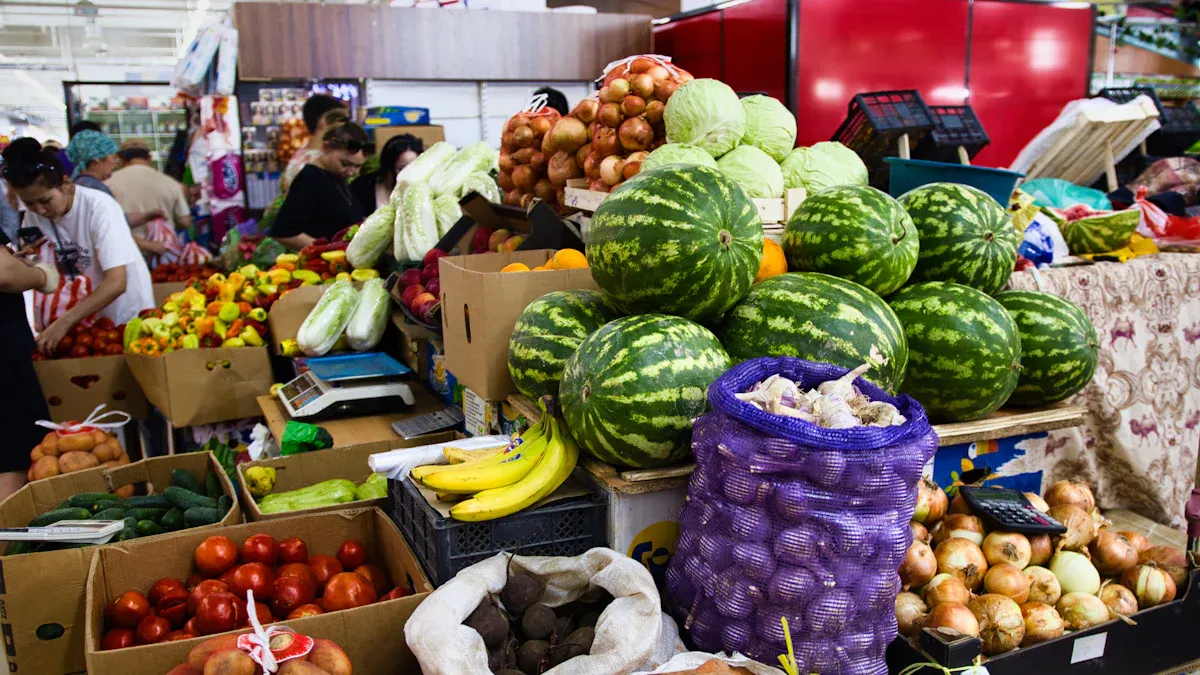
Autumn is a wonderful time to enjoy a variety of fresh produce that not only tastes great but also boosts your nutrition. As the leaves change color, you can find an abundance of fruits and vegetables that are perfect for hearty meals. Popular fall produce includes pumpkins, apples, and root vegetables like carrots and potatoes. In fact, the U.S. produced about 1.2 billion pounds of pumpkins in 2022, and apples are expected to yield around 250 million bushels this year.
Autumn Produce Picks
Here’s a quick look at some nutritious autumn ingredients you should consider:
Produce | Vitamins and Minerals |
|---|---|
Pumpkin | Vitamins A, C, fiber, antioxidants |
Apples | Flavonoids, antioxidants, high in fiber |
Carrots | Vitamin A, fiber, antioxidants |
Sweet Potatoes | Vitamin A, iron |
Beets | Iron, antioxidants, folate |
These ingredients are not just delicious; they also provide essential nutrients that support your health. For example, pumpkins are rich in vitamins A and C, which are great for your immune system. Apples are high in fiber, helping with digestion and keeping you full.
Cooking Tips for Autumn
To make the most of your autumn harvest, consider these cooking methods:
Roasting: This technique enhances the flavor of root vegetables. Roasting brings out their natural sweetness and preserves essential vitamins and minerals.
Baking: Use this method for dishes like pumpkin bread or apple pie. Baking can create comforting meals that highlight the season’s flavors.
Soups and Stews: These are perfect for chilly days. They allow you to combine various autumn ingredients, creating hearty and nutritious meals.
When planning your meals, focus on fresh produce to maximize flavor and nutrition. Understanding how to use fall ingredients effectively will help you create delicious dishes that celebrate the season. So, head to your local market and enjoy the bounty of autumn!
Winter Nutrition
Winter is a time when you can still enjoy a variety of fresh ingredients that are both nutritious and delicious. Eating seasonal produce during these colder months can help support your immune system and keep you feeling your best. Many popular winter produce items are rich in vitamins and minerals, making them perfect for hearty meals.
Winter Produce Choices
Here’s a list of some fresh winter produce you should consider adding to your meals:
Carrots
Kale
Sweet potatoes
Cauliflower
Leeks
Citrus fruits (like oranges and grapefruits)
Apples
Winter squash
These ingredients are not just tasty; they also pack a nutritional punch. For example, root vegetables like carrots and sweet potatoes are high in beta-carotene, which supports your immune health. Meanwhile, kale and other cruciferous greens provide essential vitamins K and C, which are crucial during the winter months.
Cooking Methods for Winter
When it comes to cooking winter ingredients, the method you choose can greatly impact their flavor and nutritional value. Here are some effective techniques:
Roasting: This method enhances the natural sweetness of vegetables through caramelization. It preserves vitamins and minerals that might be lost in other cooking methods.
Steaming: Steaming is effective for retaining nutrients due to lower heat and shorter cooking times. It keeps your vegetables vibrant and full of flavor.
Braising: This technique works well for tougher cuts of meat and hearty vegetables. It allows flavors to meld together while keeping the dish moist and tender.
By learning how to use winter ingredients effectively, you can create comforting meals that nourish your body and warm your soul. So, embrace the season and enjoy the fresh produce winter has to offer!
Tips for Cooking Seasonally
Shopping for Seasonal Ingredients
When you shop for seasonal ingredients, you can enhance your meals while saving money. Here are some tips to help you make the most of your shopping experience:
Know the Dirty Dozen and Clean Fifteen: Aim to buy items from the Dirty Dozen list as local or organic. For Clean Fifteen items, you can choose local or conventional based on price. This helps you make informed choices about what to buy.
Assess Freshness: Look for vibrant colors and firmness in produce. This indicates freshness. Use your senses—feel the texture and smell the aroma of fruits and vegetables to ensure quality.
Understand Regional Seasons: Familiarize yourself with regional growing seasons. Knowing when produce is at its best helps you choose the freshest options.
Engage with Farmers: Talk to farmers at local markets. They can provide insights about the quality of their produce and their harvesting practices.
When you visit a farmers’ market, walk the entire market before making purchases. This allows you to compare prices and quality. Don’t hesitate to ask vendors about discounts for bulk purchases or ‘seconds’—those imperfect but perfectly edible fruits and veggies.
Preserving Seasonal Produce
Once you’ve stocked up on fresh ingredients, you’ll want to preserve them to enjoy later. Here are some effective methods to keep your seasonal produce fresh and nutritious:
Cold Storage: Refrigerate leafy greens and berries to slow down enzyme activity. This keeps them fresh longer.
Canning: Seal food in jars using heat. This method preserves nutrients for long periods, making it a great option for fruits and vegetables.
Freezing: Freeze produce at peak ripeness to lock in nutrients. This method maintains the vitamin and mineral content relatively well.
Dehydrating: Remove moisture from fruits and vegetables while retaining most nutrients. This creates healthy snacks that last longer.
Fermenting: This method encourages probiotics and retains fiber, boosting antioxidant activity in your food.
Pickling: Use vinegar or brine to extend shelf life while preserving nutrients. Pickled vegetables can add a tangy flavor to your meals.
Vacuum Sealing: Remove air from bags to prevent oxidation. This keeps your produce fresh longer.
By using these preservation techniques, you can enjoy the flavors of seasonal ingredients all year round. Whether you’re making flavor-packed recipes or healthy recipe swaps, knowing how to shop and preserve seasonal produce will enhance your cooking experience.
Cooking with seasonal ingredients brings a world of benefits. You’ll enjoy fresher flavors, better nutrition, and a positive impact on the environment. Plus, it can save you money! Here are some easy ways to start:
Choose Vibrant, Fresh Produce: Look for colorful fruits and vegetables that feel firm and heavy.
Plan Meals Around Seasonal Offerings: Create a seasonal calendar to help you map out recipes that highlight fresh ingredients.
Use Appropriate Cooking Techniques: Learn how to cook seasonal ingredients to maximize their flavor and nutrition.
By embracing seasonal cooking, you not only enhance your meals but also support local farmers and reduce your carbon footprint. So, why not give it a try? Your taste buds and your body will thank you!
FAQ
What are seasonal ingredients?
Seasonal ingredients are fruits and vegetables that are harvested during their peak growing season. They taste better and offer more nutrients compared to out-of-season produce.
How can I find seasonal ingredients?
You can find seasonal ingredients at local farmers’ markets, grocery stores, or by checking online resources that list seasonal produce based on your region.
Why should I cook with seasonal ingredients?
Cooking with seasonal ingredients enhances flavor and nutrition. They are fresher, often more affordable, and support local farmers, making your meals healthier and more sustainable.
Can I freeze seasonal ingredients?
Yes! Freezing seasonal ingredients at their peak ripeness helps preserve their flavor and nutrients. Just wash, chop, and store them in airtight containers before freezing.
How do I know what’s in season?
Check local agricultural extension websites or apps that provide seasonal produce calendars. These resources help you stay informed about what ingredients are currently in season.