

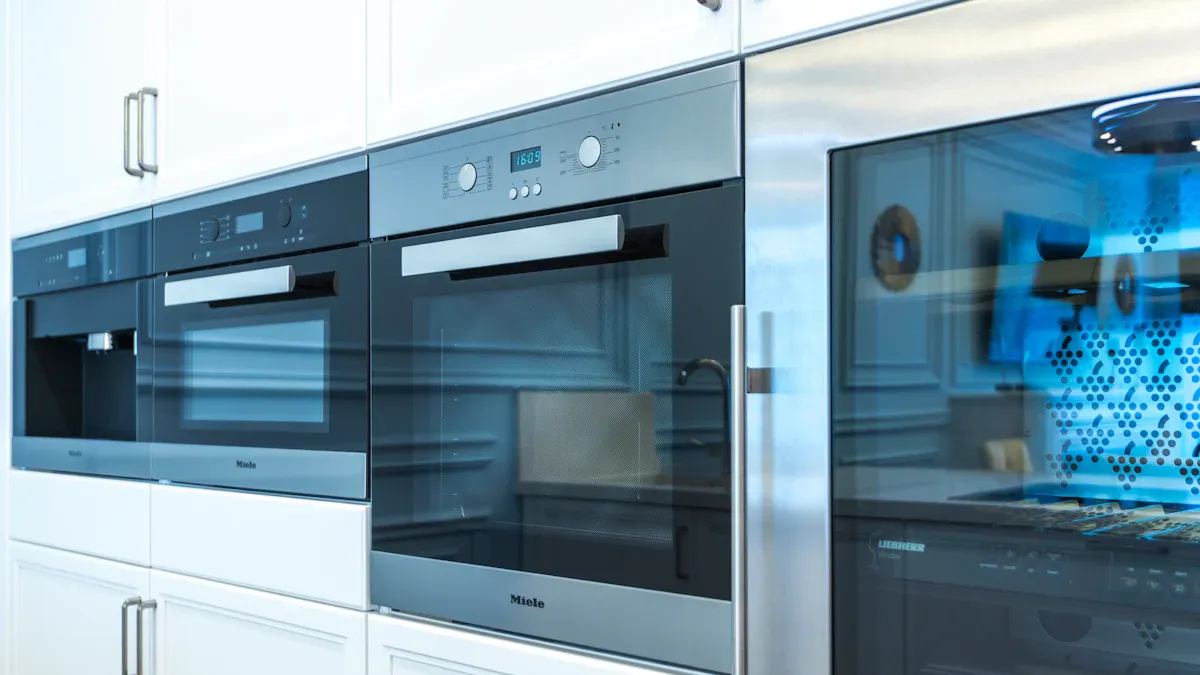
Choosing the right oven can transform your cooking experience. The demand for different oven types has surged in recent years. For instance, convection ovens are becoming increasingly popular, especially in homes. Their efficient cooking methods appeal to many consumers. You may also notice a rise in smart ovens, which offer advanced technology for convenience. As energy efficiency becomes a priority, more people seek the best oven to fit their lifestyle. Understanding your options is essential for making an informed decision.
Key Takeaways
Convection ovens cook food faster and more evenly by using a fan to circulate hot air, reducing cooking times by up to 25%.
Conventional ovens provide a reliable cooking experience, ideal for baking delicate items like cream puffs without blowing them off the pan.
Smart ovens offer advanced features like remote control and guided recipes, enhancing convenience and efficiency in your cooking process.
Consider your cooking style and kitchen space when choosing an oven type to ensure it meets your needs and fits your layout.
Proper measurements are crucial when selecting an oven to avoid sizing issues and ensure a perfect fit in your kitchen.
Oven Types

Convection Oven
A convection oven uses a fan to circulate hot air throughout the cooking chamber. This process creates a uniform temperature, allowing food to cook evenly. The continuous airflow strips away cooler air surrounding the food, which helps it cook faster. In fact, convection ovens can reduce cooking times by up to 25%.
Here are some defining features of convection ovens:
Component | Function |
|---|---|
Thermal Elements | Generate necessary cooking temperatures. |
Airflow Mechanism | Circulates heated air throughout the oven, ensuring even cooking and eliminating temperature variations. |
Ventilation System | Manages humidity levels by expelling excess moisture, promoting browning and crispness. |
You can enjoy several advantages with a convection oven. For instance, they allow you to roast meats for a crispy exterior while keeping the insides juicy. You can also roast vegetables and fruits, enhancing their caramelization for better flavor. Additionally, convection ovens are great for baking light and flaky goods like pies and pastries, ensuring optimal rise.
Conventional Oven
A conventional oven operates using static radiant heat. Heating elements radiate heat into the oven cavity, creating a still thermal environment. This method differs from convection ovens, which utilize a fan for forced hot air circulation. While conventional ovens are reliable for many cooking tasks, they may require longer cooking times and can lead to uneven results.
Here are some characteristics of conventional ovens:
Component | Description |
|---|---|
Heating Element | Generates heat similar to a convection oven. |
Fan | Not present; relies on still air for cooking. |
Baffle | Not applicable; heat distribution is less efficient. |
Conventional ovens are often preferred for baking bread and casseroles. They provide a traditional cooking experience and are widely available in homes. However, they may not be as energy-efficient as convection ovens, which can save you time and energy.
Smart Ovens
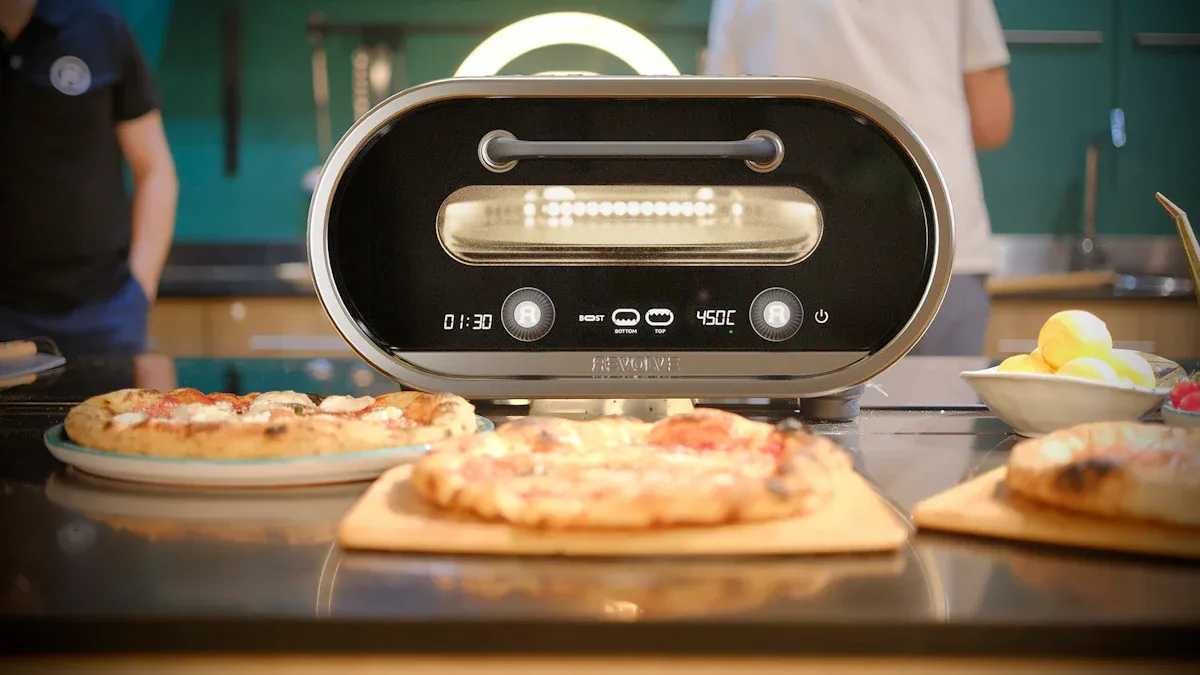
Smart ovens are becoming increasingly relevant in modern kitchens. They integrate advanced technology, allowing you to control cooking settings remotely via smartphone or voice assistants. Features like Wi-Fi connectivity, recipe integration, and precision temperature control enhance convenience and efficiency in your cooking process.
Benefits of Each Oven
Advantages of Convection Ovens
Convection ovens offer several benefits that can enhance your cooking experience. Here are some key advantages:
Time Efficiency: Convection ovens cook food faster than conventional ovens. The fan circulates hot air, reducing cooking times by up to 25%. This means you can enjoy your meals sooner.
Even Cooking: A study published in a scientific journal shows that convection ovens provide a more even temperature distribution. This allows for multi-layer cooking, which is essential for achieving uniform results. For example, when baking peanut butter cookies on multiple racks, they look identical, indicating even baking.
Test Description | Result | Takeaway |
|---|---|---|
Baked peanut butter cookies on multiple racks | Cookies looked identical, indicating even baking | Cooking in convection mode allows food on multiple racks to cook evenly |
Cooked beef roasts, whole chickens, and pork tenderloins | All meat browned more deeply and evenly | Convection mode produces deeper and more even browning on food, beneficial for roasting meats |
Energy Efficiency: Convection ovens are more energy-efficient than conventional ovens. They require less energy for preheating and cook food faster, which saves you money on your energy bills.
Advantages of Conventional Ovens
Conventional ovens also have their own set of advantages that make them a popular choice among many cooks. Here are some benefits:
Familiarity and Consistency: Many chefs prefer conventional ovens for their reliability. They utilize a single heat method, either radiant or convection heat, which provides consistent results.
Ideal for Certain Recipes: Conventional ovens excel in cooking light and airy foods, such as cream puffs. The absence of a fan prevents delicate items from blowing off the pan, ensuring they maintain their shape.
Simplicity: Conventional ovens are straightforward to use. You set the temperature and wait for the food to cook. This simplicity appeals to many home cooks who appreciate a traditional cooking experience.
Versatility: While they may require longer cooking times, conventional ovens are versatile. They can handle a variety of dishes, from casseroles to baked goods, making them a staple in many kitchens.
Choosing the Best Oven
Cooking Needs
When selecting the best oven, consider your cooking style and household needs. Different ovens cater to various cooking methods. For example, if you enjoy baking, a convection oven may be ideal. It uses a fan to circulate hot air, which cooks food faster and more evenly. If you often roast meats or bake casseroles, a conventional oven might suit you better.
Here are some features to consider based on your cooking needs:
Feature | Description |
|---|---|
Convection Cooking | Uses a fan to circulate hot air for faster and more even cooking, saving time and energy. |
Dual Ovens | Two ovens with separate temperature controls for efficient meal prep, accommodating different dishes. |
Sabbath Mode | Holds food warm for extended periods, preventing drying out when dinner is delayed. |
Glass Doors | Allows visibility of food without opening the door, saving energy and preventing heat loss. |
Timer and Delayed Start | Automatically shuts off after cooking time and allows for delayed start, enhancing convenience. |
Installation Considerations
Before purchasing an oven, evaluate your kitchen space and installation requirements. The size and type of oven you choose should fit your kitchen layout. Here are some points to keep in mind:
A range is recommended for small kitchens due to its space efficiency, fitting into standard cabinet openings.
Wall ovens provide flexibility in placement, but double wall ovens can take up significant countertop space.
If you have limited counter space, consider a built-in oven that maximizes your kitchen’s functionality.
Remember, proper measurements are crucial. Many consumers face sizing issues, leading to returns. Ensure you measure your space accurately to avoid these common mistakes.
By considering your cooking needs and installation requirements, you can confidently choose the best oven for your home.
Smart Ovens Overview
Features of Smart Ovens
Smart ovens come packed with advanced features that enhance your cooking experience. Here are some key features you can expect:
Feature | Description |
|---|---|
Wi-Fi Connectivity | Control and monitor your oven from anywhere via smartphone or smart device. |
Voice Control | Hands-free operation with smart assistants like Alexa or Google Assistant. |
Precision Cooking | Sensor technology ensures even and consistent results for all dishes. |
Guided Recipes | Built-in cooking programs simplify meal preparation. |
Smart Alerts | Notifications for preheating, cooking completion, or maintenance reminders. |
These features make cooking multiple dishes easier and more efficient. For instance, the precision cooking feature uses sensors to adjust cooking times and temperatures automatically. This means you can roast meats or bake desserts without worrying about overcooking.
Safety and Convenience
Safety is a top priority with smart ovens. They often include several safety features to prevent accidents. Here are some common safety features:
Certified designs to minimize risks in the kitchen.
Internal cameras to monitor cooking processes.
Programmable settings that require careful design to prevent misuse.
Smart ovens also enhance convenience in your kitchen. You can program cooking cycles to eliminate guesswork. This ensures consistent results for various recipes. Additionally, IoT integration allows you to monitor and control your oven remotely. This flexibility saves time and energy, making your cooking experience more enjoyable.
As you consider upgrading to a smart oven, remember that these appliances not only offer advanced cooking capabilities but also prioritize safety and user convenience. With features like true convection, you can achieve perfectly roasted dishes every time.
Choosing the right oven can significantly impact your cooking experience. Consider your cooking needs and kitchen space when deciding between convection, conventional, and smart ovens.
Feature | Convection Ovens | Conventional Ovens | Smart Ovens |
|---|---|---|---|
Cooking Efficiency | Cooks faster, up to 25% less time | Standard cooking times | Varies, often includes smart features for efficiency |
Each oven type offers unique benefits. Convection ovens provide even cooking, while conventional ovens are reliable for traditional recipes. Smart ovens enhance convenience with advanced technology. Evaluate your options carefully to find the best fit for your culinary adventures! 🍽️
FAQ
What is the main difference between convection and conventional ovens?
Convection ovens use a fan to circulate hot air, cooking food evenly and quickly. Conventional ovens rely on radiant heat, which can lead to uneven cooking and longer cooking times.
Are smart ovens worth the investment?
Smart ovens offer convenience and advanced features like remote control and guided recipes. If you value technology and efficiency in cooking, they can be a worthwhile investment.
Can I bake bread in a convection oven?
Yes, you can bake bread in a convection oven. The even heat distribution helps achieve a nice crust and consistent texture. Just remember to adjust the temperature and cooking time.
How do I clean my oven effectively?
For effective cleaning, use a mixture of baking soda and water to create a paste. Apply it to the interior, let it sit, then wipe it clean with a damp cloth. Avoid harsh chemicals.
What size oven should I choose for my kitchen?
Choose an oven size based on your kitchen space and cooking needs. Standard ovens fit most kitchens, while wall ovens save space. Measure your area to ensure a proper fit.