

Induction cooking can be fast and precise, but a wok needs the right base, shape, and material to keep that speed useful. You want a pan that sits flat, heats evenly, and still gives you enough room to toss vegetables, noodles, or rice without making a mess. The eight picks below cover carbon steel, stainless steel, lid-equipped options, and a dedicated electric model for people who cook in real kitchens, not in a showroom.
Some of these lean classic and light, others feel more substantial and controlled. That spread matters, because the best fit depends on whether you cook weeknight stir-fry, deeper braises, or larger family portions.
Quick Look At The Shortlist
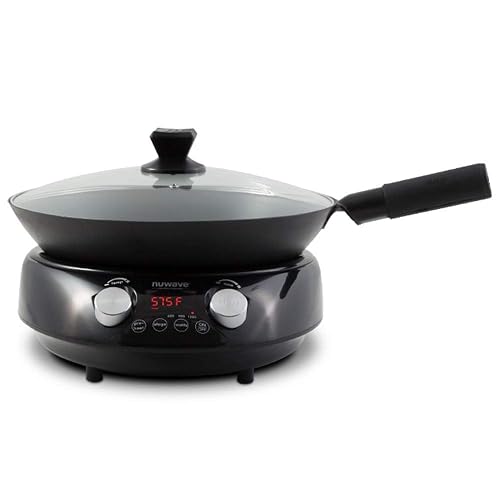
Nuwave Mosaic Induction Wok, 14-inch Carbon Steel Wok

FGJ Wok, 13-Inch Carbon Steel Wok with Lid
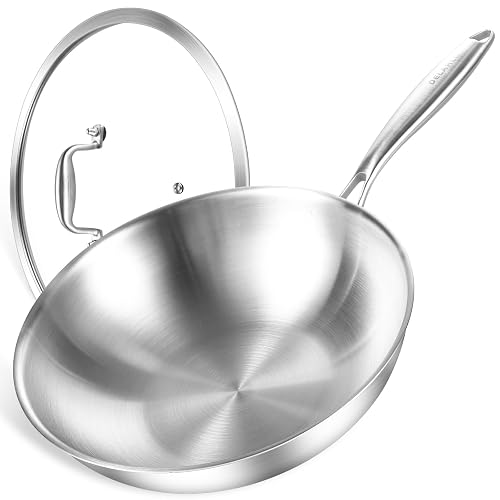
DELARLO 13-Inch Stainless Steel Wok Pan with Lid

Made In Cookware 13-Inch Seasoned Carbon Steel Wok
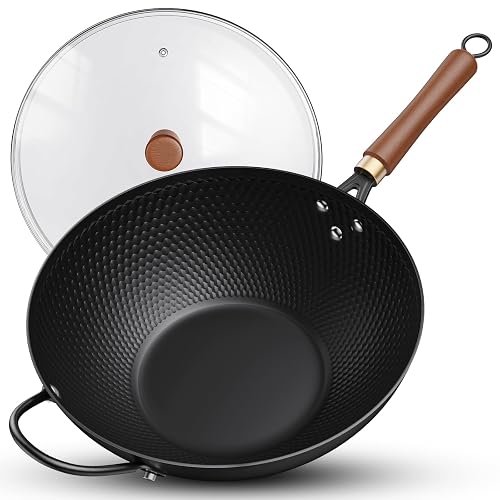
Todlabe Wok with Lid, 13-Inch Carbon Steel Wok
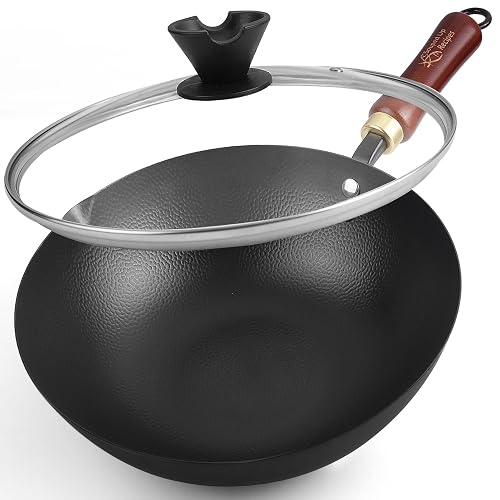
Souped Up Recipes 10-Inch Carbon Steel Wok
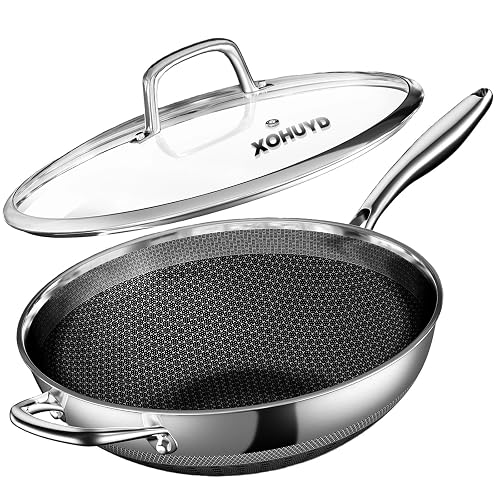
XOHUYD 13-Inch Stainless Steel Wok Pan with Lid
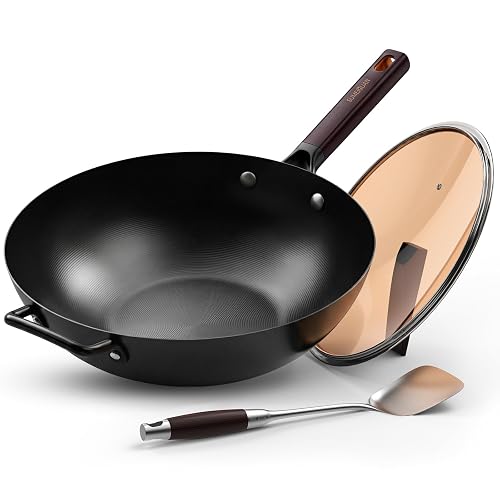
SUMEIGUAN 13.5-Inch Carbon Steel Wok Pan
More Details On Our Top Picks
The Nuwave Mosaic leans into control, not guesswork. Its 5-degree temperature steps from 100°F to 575°F matter for anyone who wants gentler simmering as much as high-heat searing, and the included 14-inch carbon steel wok gives you a proper cooking vessel from the start.
That extra precision makes it feel different from the stove-top pans in this roundup, especially the simpler carbon steel options from FGJ and Todlabe. You may appreciate it most in a busy kitchen where repeatable heat matters more than a purely traditional wok setup.
Strong Points
- 5-degree adjustments give you tighter heat control than a basic fixed-output setup.
- The 14-inch carbon steel wok provides room for tossing ingredients without constant overflow worries.
- Three power settings make the cooktop easier to match to different dishes.
- Carbon steel is a familiar wok material that responds quickly to heat changes.
Things To Consider
- The dedicated electric format suits countertop cooking better than a universal stove-side pan.
- Carbon steel still needs normal seasoning care and drying after washing.
- The larger footprint can feel heavy on a small prep counter.
Feature Snapshot
Who It Suits Best
Home cooks who want a dedicated induction wok with precise heat control will get the most from this one.
Where A Sibling Pick Shines
Souped Up Recipes 10-Inch Carbon Steel Wok suits smaller kitchens and cooks who want a lighter, simpler pan instead of a dedicated electric unit.
This FGJ pan is built for the home cook who wants one wok that can cover more than stir-fry. The flat-bottom format helps it sit on induction cooktops, and the included glass lid gives you a clearer view of food while it braises or steams.
Compared with the Nuwave, this one feels more like a general-purpose stovetop pan than a dedicated heat-control system. The honest read is that it suits weeknight cooking very well, though the carbon steel body still asks for normal care after washing.
What We Like
- The 13-inch size works well for everyday portions without dominating the burner.
- The glass lid lets you keep an eye on food without lifting steam away.
- Pre-seasoned carbon steel cuts down the early setup work.
- The flat base supports induction use and other cooktop styles.
Small Caveats
- The lid adds convenience, but it also adds another piece to store.
- Carbon steel maintenance still matters, especially after acidic sauces.
- It feels more practical than specialized, so heavy wok-hei purists may want more heat power.
Core Details
Made For
Weeknight cooks who want a covered wok that can move between stir-fry, steaming, and covered simmering will like this shape and size.
A Better Fit Elsewhere
Made In Cookware 13-Inch Seasoned Carbon Steel Wok suits you better when you want a more premium-feeling pan with a pared-back, no-lid style.
DELARLO takes a more polished route with tri-ply stainless steel, which means three bonded layers designed to spread heat more evenly than a single-sheet pan. That matters on induction, where hot spots can show up fast in a hurry.
The wider cooking surface also gives you breathing room for vegetables, sauces, and proteins in one pan. Compared with the carbon steel picks above, this one asks less about seasoning and more about careful preheating and sensible cleanup.
Upsides
- Tri-ply construction supports more even heat spread across the base and sides.
- The large surface area helps with batch cooking and food tossing.
- The lid gives you more range for covered finishes and moisture control.
- Stainless steel is easier to live with than seasoned carbon steel for many kitchens.
Areas To Watch
- Stainless steel usually rewards preheating discipline, especially for delicate foods.
- The tall profile may take a little more cabinet room than a shallow skillet.
- It gives up some of the classic carbon steel character that wok fans enjoy.
Details At A Glance
Best Suited To
Home cooks who want stainless steel ease with a wok shape will appreciate this pan most.
Skip It When
Todlabe Wok with Lid suits you better when a seasoned carbon steel surface and a simpler price-to-feature balance matter more.
Made In keeps this one focused on a seasoned carbon steel build, which suits people who like a traditional wok feel without extra attachments. The smaller 5.5-inch cooking surface gives a clear signal: this pan is more about concentrated heat and control than sprawling capacity.
Compared with the DELARLO, this one feels less like a general stew-and-simmer vessel and more like a dedicated stir-fry tool. That lean profile can be ideal for serious home cooks, though the narrow cooking zone may feel compact in larger batch sessions.
Positives
- Seasoned carbon steel gives you a familiar wok response from the start.
- The induction-ready base keeps it relevant for modern cooktops.
- Swedish crafting may appeal to cooks who value fit and finish.
- The shape feels focused for high-heat tossing and fast stir-fry work.
Points To Note
- The 5.5-inch cooking surface is more concentrated than the 13-inch rim suggests.
- Seasoned carbon steel still needs drying and light upkeep after washing.
- It lacks the lid and extras that some shoppers will want for covered cooking.
Technical Sheet
Whose Shelf It Belongs On
Experienced home cooks who want a focused, seasoned wok for induction cooktops will feel at home with this design.
Another Choice May Suit
FGJ Wok, 13-Inch Carbon Steel Wok with Lid is the easier fit for cooks who want a more covered, all-purpose setup.
Todlabe sticks to the familiar carbon steel formula, and that works well for cooks who want a wok that settles into regular use without much fuss. Its pre-seasoned surface is meant to build a natural oil patina over time, which is just a practical way of saying the pan can become easier to cook with as you keep using it.
That puts it in a middle ground between the more specialized Nuwave and the more polished stainless-steel DELARLO. You may find it most useful for rice, eggs, noodles, and vegetables when you want one pan that stays close to classic wok behavior.
Bright Spots
- Pre-seasoning gives you a head start on the usual carbon steel routine.
- The flat bottom works well on induction and other common stove types.
- Its 5.6-quart capacity gives you enough room for mixed meals and sauces.
- The lid adds flexibility for covered finishing and gentle steaming.
Room For Improvement
- Carbon steel still needs normal drying and light oil care after washing.
- The nonstick-style behavior depends on seasoning and everyday handling.
- It does not aim for the precision controls you get with the Nuwave option.
Feature Rundown
The Right Fit
Everyday cooks who want a familiar carbon steel wok with a lid and a manageable footprint should feel comfortable here.
Look Elsewhere When
Made In Cookware 13-Inch Seasoned Carbon Steel Wok is the better match for you if a more stripped-back, premium-leaning pan matters more than a lid.
The Souped Up Recipes wok is the small-space answer in this list. At 10 inches, it makes more sense for solo meals, quick side dishes, and kitchens where a larger wok would feel crowded on the burner.
Its broad stove compatibility also helps, especially for homes that still move between electric, induction, and gas. That flexibility is a nice counterpoint to the more specialized Nuwave, though the smaller size naturally limits batch volume.
Best Bits
- The 10-inch size suits smaller burners and tighter storage spaces.
- Pre-seasoning makes it easier to start cooking right away.
- The included lid expands what you can cook beyond fast stir-fry.
- Compatibility across electric, induction, and gas adds useful flexibility.
Minor Gripes
- The smaller diameter limits how much food you can cook at once.
- Carbon steel still needs the usual drying and seasoning care.
- The lighter size may feel less substantial for large family meals.
Quick Facts
Built With In Mind
Apartment cooks, first-time wok shoppers, and anyone with a smaller stovetop will get the most from this size.
Swap It Out When
FGJ Wok, 13-Inch Carbon Steel Wok with Lid suits you better for larger family portions and a roomier cooking surface.
XOHUYD leans into broad compatibility, which helps in kitchens where the cooktop may change from one burner style to another. Stainless steel construction keeps the maintenance side straightforward, and the lid gives you more control over moisture and covered cooking.
Compared with the carbon steel picks above, this one feels like a practical bridge between induction convenience and everyday stovetop use. You may prefer it if you want one pan to move across different heat sources without building a carbon steel seasoning routine.
Highlights
- Compatibility across induction, electric, gas, and halogen widens where you can use it.
- The 13-inch size works for everyday stir-fry and mixed dishes.
- Stainless steel usually makes cleanup feel less fussy than seasoned cookware.
- The lid helps with simmering, steaming, and holding moisture.
Softer Spots
- Stainless steel can ask for more preheating discipline than carbon steel.
- The hybrid construction may suit versatility more than classic wok purists.
- It lacks the tighter heat control you get from the Nuwave electric option.
Feature Card
Perfect Match For
Multi-cooktop homes and cooks who value easy transitions between burners will like this stainless steel wok pan.
Reach For A Different Pick When
DELARLO 13-Inch Stainless Steel Wok Pan with Lid is the stronger fit for you if tri-ply construction and a broader cooking surface matter more.
SUMEIGUAN gives you a larger 13.5-inch carbon steel pan with a flat bottom, lid, and spatula, which makes the package feel ready for a lot of home cooking jobs. That extra diameter matters most when you want room for steaming, pan-frying, or a slightly more ambitious stir-fry.
Compared with the Souped Up Recipes 10-inch option, this one clearly suits bigger portions and broader use. The trade-off is simple, it claims more stove and storage space, so it fits best in kitchens that can spare the room.
Positives
- The 13.5-inch size gives you extra cooking room for family meals.
- The flat bottom helps it settle on induction and gas surfaces.
- The included lid and spatula make the bundle feel more complete.
- Carbon steel keeps the pan responsive for fast weeknight cooking.
Worth Noting
- The larger footprint can be awkward in a narrow cabinet or small sink.
- Carbon steel still needs the usual care after washing and drying.
- The bundle extras are useful, though not every cook will need them every day.
Core Details
Who Should Grab It
Families, batch cooks, and home cooks who like a little extra room will get the most from this larger wok pan.
Where Shoppers Go Wrong
Souped Up Recipes 10-Inch Carbon Steel Wok fits better for compact kitchens and lighter solo cooking.
How To Choose The Right woks for induction cooktops
Start With The Base And Heat Contact
Induction cooktops work through magnetic energy, so the wok needs a base that sits flat and makes solid contact. A flat-bottom carbon steel or stainless steel pan usually behaves more predictably than a rounded traditional wok on a home induction ring.
That detail matters because a wobbling pan wastes heat and makes tossing awkward. For everyday cooking, a stable base is usually the difference between a smooth stir-fry and a frustrating one.
Match Material To Your Cooking Style
Carbon steel warms quickly and gives you the classic wok feel, which suits fast stir-fry, fried rice, and noodle dishes. Stainless steel asks for a little more preheating discipline, but it tends to be easier to live with for cooks who want less seasoning upkeep.
The trade-off is familiar: carbon steel rewards regular use and light care, while stainless steel leans toward convenience. Choose the one that fits the way you actually cook on weeknights, not the one that sounds most exciting on paper.
Think About Size, Lid Use, And Storage
A 10-inch wok fits small kitchens and solo meals, while a 13- to 13.5-inch pan gives you room for family portions and better tossing. Larger pans also demand more cabinet space, especially once a lid enters the picture.
That extra room can be worth it for vegetables, noodles, and proteins that need space to move. Still, a compact pan often gets used more often because it feels easier to lift, rinse, and put away.
Choose Extras That Fit Your Routine
A glass lid helps with steaming and covered simmering, and it can turn a wok into a more flexible daily pan. Dedicated electric models make sense for cooks who want tighter temperature control, while stove-top pans work better for people who move between burners or cooking spaces.
Think in terms of your real kitchen habits. A feature only matters when it solves a problem you actually have, not a problem you might never meet.
What To Weigh Before You Choose
Common Shopping Slip Ups
Many people focus on diameter alone and miss the cooking surface, which is the part that really decides how much food gets heat at once. A large rim can still hide a small center, as the Made In option shows.
Another common miss is ignoring upkeep. Carbon steel needs drying and light seasoning care, so stainless steel may fit better for cooks who want a simpler cleanup routine.
Where The Extra Money Goes
Higher-tier wok pans usually spend more on material quality, construction, and fit. Tri-ply stainless steel, tighter machining, and dedicated heat controls can all push the price up.
That upgrade makes sense for frequent home cooks who want steadier heating or a more refined feel in hand. For lighter use, a simpler carbon steel pan often covers the same dinner job with less fuss.
Frequently Asked Questions
Do induction cooktops need a special wok?
You need a wok with a base that works on induction and sits flat enough to make good contact. Flat-bottom designs are usually the safest place to start.
Is carbon steel better than stainless steel for wok cooking?
Carbon steel usually feels more traditional and responsive, especially for fast stir-fry. Stainless steel can be easier to manage day to day if you want less seasoning care.
What size wok works best for a small kitchen?
A 10-inch wok is easier to store and handle in tight spaces. It also suits solo meals and smaller burners better than a larger pan.
Do lids matter on a wok?
A lid expands the wok’s usefulness for steaming, simmering, and covered finishing. It does add another part to clean and store, though.
Should you choose a dedicated electric wok or a stove-top wok?
A dedicated electric wok makes sense for precise heat control and countertop cooking. A stove-top wok is the more flexible choice for people who already have a reliable induction range.
Final Thoughts
The best wok for your induction cooktop depends on how you cook, not just how much heat the label promises. Precision-focused cooks may lean toward the Nuwave Mosaic, while everyday home kitchens often get more mileage from the FGJ or Todlabe carbon steel pans. Stainless steel choices like DELARLO and XOHUYD make sense when you want easier upkeep, and the smaller Souped Up Recipes model fits tight spaces well. Pick the pan that matches your portions, storage, and cleanup habits, and you’ll end up with a tool that feels useful instead of fussy.