

Cabinet refreshes can feel bigger than they are, especially when you want a cleaner kitchen without replacing the whole setup. These eight picks focus on peel-and-stick wraps, edge banding, and trim tape that can tidy up worn doors, shelves, counters, and panel edges with less mess than a full remodel.
You’ll see shorter rolls for small fixes and longer widths for fuller cabinet runs. That mix matters, because the right match depends on whether you’re covering a drawer front, smoothing a chipped edge, or giving a dated laminate finish a more unified look.
Quick Look At The Shortlist

Livelynine Black Wood Contact Paper 15.8" x 78.8"

FunStick Brown Walnut Wood Contact Paper 15.8" x 78.8"
Boobest Gray Brown Wood Grain Contact Paper 15.74" x 196"

FAKILO Melamine Edge Banding White 5/8 inch x 10 ft

Jeweluck Light Wood Contact Paper 17.7" x 118.1"

HOLOMEY Walnut Wood Grain Contact Paper 16 x 78 inch

UNMAR Birch 3/4 inch x 25 feet Edge Banding
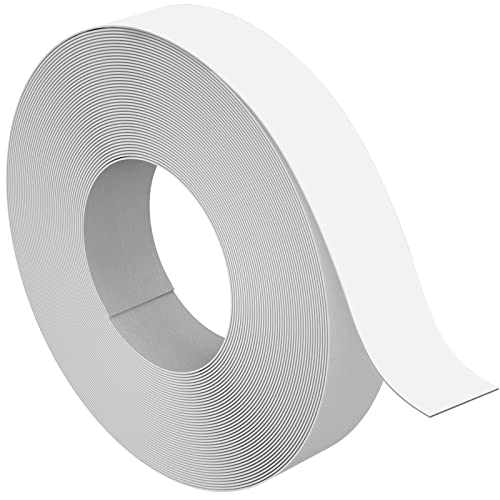
ZYJT Melamine Edge Banding 3/4 inch x 50 ft
More Details On Our Top Picks
Dark wood styling gives this roll a sharper, more modern feel than the walnut looks below it. The 15.8-inch by 78.8-inch size suits a drawer face, a narrow cabinet door, or a small backsplash accent without much waste.
In a busy kitchen, that smaller footprint can make a short update feel manageable instead of messy. The trade-off is simple, though, you’ll want to plan your cuts carefully because a compact roll leaves less room for mistakes.
What We Like
- The black wood look works well for a cleaner, more dramatic cabinet refresh.
- The roll size fits smaller jobs, so you can handle a few doors or panels without overbuying material.
- Peel-and-stick installation keeps the process approachable for quick cosmetic updates.
- It can help disguise tired laminate or uneven color on older cabinet surfaces.
Things To Consider
- The shorter roll is less forgiving on larger cabinet runs.
- Careful alignment matters, since dark finishes tend to show seams more clearly.
- Edge trimming takes patience, especially around handles and corners.
Feature Snapshot
Who It Suits Best
Kitchen DIYers updating one or two cabinet fronts tend to get the most value here.
A Better Fit Elsewhere
Boobest Gray Brown Wood Grain Contact Paper works better for longer cabinet runs and larger coverage needs.
This walnut tone sits closer to the familiar cabinet look most kitchens already lean toward, so it feels easier to blend in than the black finish from Livelynine. The 15.8-inch width keeps it handy for doors, shelf liners, and short counter sections where a tidy grain pattern matters more than a dramatic change.
You may find the lighter rustic character easier to live with in rental kitchens or homes that already use warm wood tones. The honest read is that it still asks for careful cutting, especially around corners and hardware, because peel-and-stick vinyl rewards patience more than speed.
Highlights
- The walnut finish looks natural enough for everyday cabinet refreshes.
- The size works well for modest projects and small repair sections.
- Its peel-and-stick format suits quick updates in rentals and starter homes.
- The rustic grain can soften older laminate without a full replacement job.
Room For Improvement
- The shorter roll can run out quickly on larger kitchens.
- Pattern alignment needs attention so seams stay visually consistent.
- Like most vinyl wraps, it benefits from a clean, dry surface before application.
Details At A Glance
Right Fit For
You’ll like this most for modest kitchen updates where a warm walnut look feels more natural than a darker statement finish.
Swap It Out When
Jeweluck Light Wood Contact Paper suits brighter kitchens and longer panels a little better.
The long 196-inch roll changes the math for larger cabinet jobs, because you can cover more surface before you have to stop and restock. Compared with the shorter rolls from Livelynine and FunStick, this one makes more sense for full cabinet runs, pantry panels, or a longer stretch of shelving.
The gray-brown tone leans neutral, which helps it sit comfortably in kitchens that mix painted doors, laminate counters, and wood accents. One thing worth considering is that longer material is only useful when your measuring stays tidy, since a roll this size can feel wasteful if your project is tiny.
Bright Spots
- The extra length supports bigger cabinet and shelf projects.
- The gray-brown color blends into mixed-material kitchens without shouting for attention.
- The light oak style works for homeowners who want a softer wood appearance.
- The peel-and-stick format still keeps the job straightforward.
Softer Spots
- The longer roll can be more than you need for a small repair.
- Cutting and lining up long strips takes more planning.
- Any dust or grease on the cabinet surface can make adhesion less reliable.
Technical Sheet
Best Suited To
DIYers covering several cabinet doors or a longer kitchen run will get the most from the extended length.
Look Elsewhere When
FAKILO Melamine Edge Banding White is the cleaner answer for tiny edge repairs and narrow trim work.
Some cabinet jobs don’t need a full wrap, they need a neat edge, and that’s where this 5/8-inch tape earns its spot. Compared with the full-surface vinyl picks above, it’s aimed at exposed plywood, chipped trim, and cabinet borders that need a cleaner line rather than a new finish.
The white color makes sense in kitchens with light cabinetry or painted shelving, though it can stand out on darker wood. For most home repairs, the main trade-off is patience with placement, since narrow edge banding tends to look best once it’s pressed down straight the first time.
Reasons To Buy
- The narrow width suits cabinet edges and slim repair strips.
- The white tone works well for pale cabinets and shelving.
- Iron-on style application gives you a more traditional edging approach.
- It helps tidy exposed board edges without replacing the whole panel.
Points To Note
- The slim format is not meant for large surface coverage.
- Alignment matters, especially on visible cabinet fronts.
- Edge banding can take extra care around corners and cut ends.
Core Details
Whose Shelf It Belongs On
This suits practical home improvers who need to cover cabinet edges rather than disguise an entire door.
Where A Sibling Pick Shines
ZYJT Melamine Edge Banding 3/4 inch x 50 ft is better for bigger repair batches and longer restoration runs.
This light wood look changes the mood of a kitchen in a softer way than the walnut and black picks above. The 17.7-inch by 118.1-inch sheet gives you more coverage than the compact rolls, so it suits longer cabinet faces or broader doors that need fewer seams.
In a bright kitchen, the paler grain can help cabinets feel less heavy, especially beside white walls or light counters. The flip side is that pale finishes tend to show surface prep mistakes more clearly, so a clean, smooth base matters here.
Standout Traits
- The lighter wood tone keeps cabinets looking airy.
- The longer sheet helps reduce visible joins on bigger surfaces.
- The width suits fuller cabinet fronts and longer pull-out panels.
- It works well for kitchens that already lean toward soft neutrals.
Minor Gripes
- Light finishes can make dust and uneven prep easier to spot.
- The longer sheet asks for careful measuring before you start cutting.
- Corner work may take extra attention on taller cabinet doors.
At A Glance
Who Should Grab It
You’ll get the best fit from this one if you want a lighter cabinet finish that feels open rather than dark.
Another Choice May Suit
FunStick Brown Walnut Wood Contact Paper is the calmer match for smaller updates with a warmer tone.
The thicker vinyl build gives this pick a more substantial feel than the lighter contact papers in this list, which matters on cabinets and counters that get touched a lot. The 16-inch by 78-inch roll is compact enough for focused work, yet still useful for drawer fronts, shelving, and smaller counter sections.
Compared with Jeweluck’s broader sheet, this one leans more toward practical, repeatable touch-ups than long uninterrupted coverage. You may prefer it in a kitchen that sees daily use, because a thicker wrap tends to feel less delicate during cleaning and repositioning.
Positives
- The thicker build gives a sturdier feel on cabinet surfaces.
- The walnut pattern keeps the look familiar and easy to blend in.
- The roll size works well for smaller kitchen projects and repairs.
- It can serve well on both cabinets and countertop touch-ups.
Areas To Watch
- The shorter roll is less suitable for large cabinet spans.
- Heavier-looking grain may feel too dark in very small kitchens.
- Like most wrap materials, it still depends on smooth prep and careful trimming.
Feature Card
The Right Fit
This suits practical kitchen refreshes where you want a walnut look with a slightly heavier feel.
Where Another Pick Suits Better
Boobest Gray Brown Wood Grain Contact Paper is the better call for long runs and larger coverage goals.
This birch tape is built for the narrow jobs that make cabinets look finished, not for full-face wrapping. Compared with the broader contact papers above, it handles laminate edges, shelf lips, and furniture trim where a flexible strip matters more than a decorative pattern.
The 25-foot length gives you room to cover multiple repairs, which is handy in a workshop or on a kitchen restoration day. One caveat is that narrow trim can be fussy to align, so steady pressure and careful measuring matter more than speed.
Best Bits
- The birch look suits light cabinet edging and shelf trim.
- The 25-foot roll supports repeated repairs across several surfaces.
- The flexible strip format works well around straight edges and shallow curves.
- It makes sense for furniture touch-ups as well as kitchen cabinet work.
Small Caveats
- The narrow width is meant for edging, not full panel coverage.
- Precision matters, since small misalignment shows up quickly.
- Cutting and pressing the strip can take time on detailed corners.
Feature Rundown
Built With In Mind
This is a sensible choice for DIY trim work around cabinets, laminate, and shelves.
Reach For A Different Pick When
FAKILO Melamine Edge Banding White makes more sense for shorter, simpler edge fixes in light interiors.
Longer edge banding like this earns its place in cabinet repair kits because it covers a lot of trim without constant reordering. Compared with the 10-foot FAKILO tape, the 50-foot roll is the one to keep around for repeated fixes, furniture restoration, or several cabinet runs in the same project.
The white melamine finish suits light cabinetry and utility shelves, though it won’t disappear on dark wood. The trade-off is mostly about commitment, since a longer roll makes the most sense when you already know you have plenty of edges to finish.
Upsides
- The 50-foot length supports larger repair plans and repeat use.
- The 3/4-inch width suits many standard cabinet edges.
- The pre-glued format keeps the process straightforward for trim work.
- The white finish fits well in light kitchens and utility spaces.
Worth Noting
- The long roll is more than you need for one tiny fix.
- White edging stands out on darker cabinet surfaces.
- As with most edge tape, careful heat and pressure placement matters.
Core Details
Made For
Home renovators who expect to handle several cabinet edge repairs will get the most from the longer roll.
Another Choice May Suit
UNMAR Birch 3/4 inch x 25 feet Edge Banding is better for smaller trim projects that do not need as much material.
How To Choose The Right veneers for kitchen cabinets
Match The Material To The Job
Full-surface contact paper works best for cabinet doors, drawer fronts, and panels that need a visual reset. Edge banding fits exposed plywood, chipped borders, and shelf lips where you only need to finish a thin line.
That difference matters more than color alone. A broad vinyl roll can hide a dated finish, while trim tape gives you a cleaner edge without covering the whole face.
Measure Coverage Before You Commit
Roll length and width control how far a project goes before you need more material. Short rolls are fine for a few cabinet fronts, but longer runs become easier with broader sheets or extended tape lengths.
Think in terms of actual surfaces, not just product size. A small kitchen nook may only need a compact roll, while a pantry wall or a full run of uppers asks for more margin.
Pay Attention To Finish And Tone
Dark wood styles add contrast and hide some everyday marks better than pale finishes. Light wood tones open up a room visually, yet they often show prep flaws sooner, so smooth cleaning and careful placement matter.
White edge banding suits painted cabinets and light shelving, but it can look sharp against darker wood. Pick the tone that already sits closest to your kitchen’s existing materials, and the result usually feels more natural.
Think About Installation And Wear
Peel-and-stick wraps are easier for quick updates, while iron-on or pre-glued edging asks for a steadier hand. In a kitchen that gets frequent wiping, thicker vinyl or firm edge tape tends to feel less delicate than thin decorative film.
Surface prep still does the heavy lifting. Dust, grease, and rough edges make any veneer-style finish harder to live with, so a clean base is part of the purchase, not an afterthought.
What To Weigh Before You Buy
Hidden Buying Traps
Many small cabinet projects go wrong because the material size looks convenient on paper but runs short halfway through a job. Another common miss is choosing a finish that clashes with the cabinet base, which makes seams and repairs stand out more than the old surface ever did.
Edge tape can also disappoint when the edge prep is rushed. A neat strip on a dusty or uneven lip rarely looks as tidy as the listing photo suggests.
The Upgrade Payoff
Higher-tier options usually cost more because they give you more length, a thicker feel, or a more specialized cut for larger repair work. That extra material can save time on bigger kitchens, especially when you want fewer joins or fewer separate rolls.
Paying up makes sense when you’re covering several doors, restoring a rental unit, or finishing furniture and cabinetry in one stretch. For a single drawer or a short edge fix, a simpler roll often makes more sense.
Frequently Asked Questions
Can you use contact paper on old cabinet surfaces?
Yes, as long as the surface is clean, dry, and smooth enough for the adhesive to grip. Rough damage and grease can make the finish harder to keep neat.
Is edge banding better than contact paper for cabinets?
Edge banding is the better match for exposed sides, trim, and thin borders. Contact paper works better when you want to cover a whole door or panel.
Do lighter wood finishes work in small kitchens?
They can, especially when you want the room to feel open and bright. You’ll notice prep flaws more easily, so careful surface cleaning matters.
How much material do you need for a cabinet project?
That depends on how many faces, edges, and shelves you plan to cover. Longer cabinet runs and bigger doors call for longer rolls or broader sheets.
What makes one trim tape better for repairs than another?
Length is the main factor, because repeated repairs burn through short rolls quickly. Width and finish also matter, since they need to match the existing cabinet edge.
Final Thoughts
The right veneer-style update depends less on style alone and more on the kind of cabinet work in front of you. Short contact-paper rolls suit quick visual refreshes, long sheets help with bigger surfaces, and edge banding handles the finishing work that makes cabinets look cared for. Pick the shape that matches your project first, then the tone that fits your kitchen second. That order usually saves the most frustration.