

Toe kicks do more than finish a cabinet run. They can make a trash drawer easier to open, protect a door edge from scuffs, or cover the lower gap beneath cabinets and islands in a way that looks intentional. You get the cleanest result when the size, finish, and mounting method match the space you actually have. That matters most in busy kitchens, rental updates, and any room where the lower edge takes daily abuse.
Quick Look at the Shortlist
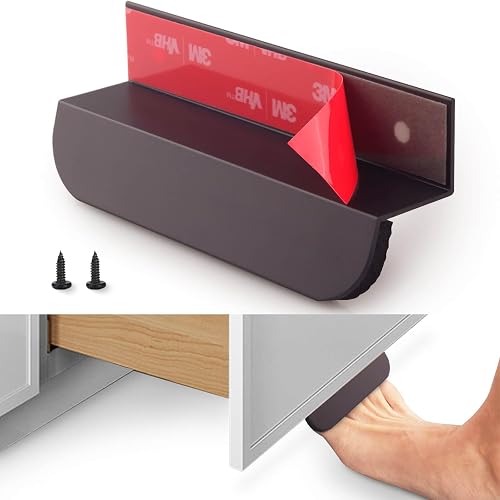
RVPEKUPE Under Cabinet Foot Pull 4″ Matte Black

Prime-Line J 4620 10 x 34 In. Aluminum Door Kick

Handua Toe Kick Vent Cover for 2×10 Opening
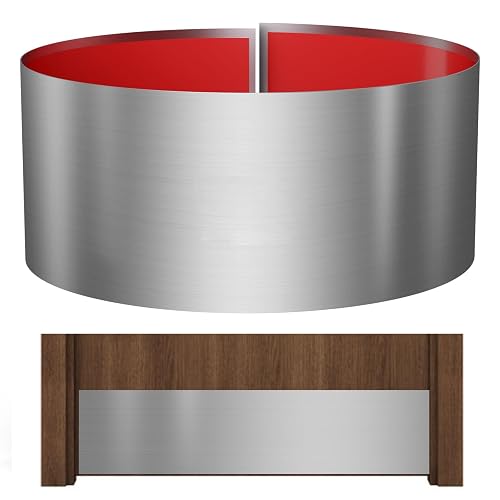
Sanbege Stainless Steel Door Kick Plate 8″ x 34″
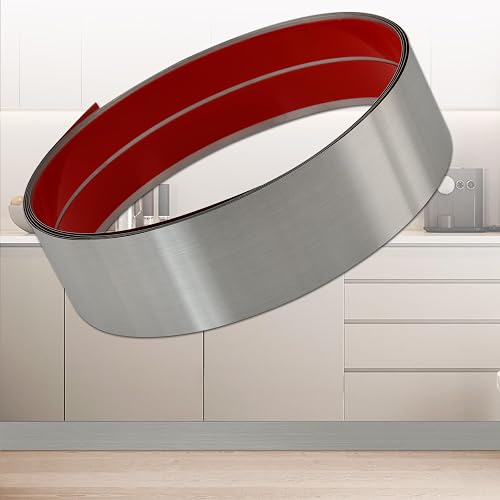
Coengwui Stainless Steel Kick Plate 9.8ft x 3.9in

Sanbege Toe Kick Cover 4″ x 102″ Brushed Black
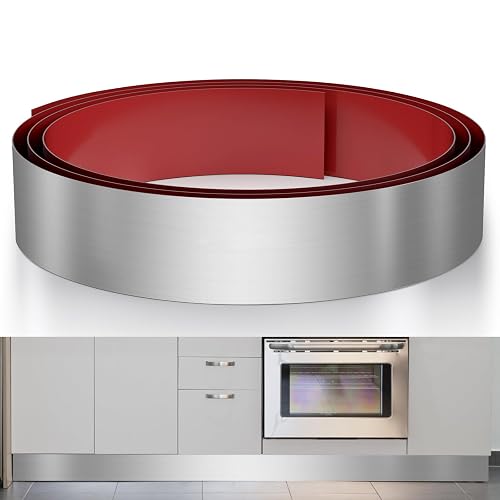
Sanbege Toe Kick Cover 4″ x 102″ Brushed Nickel
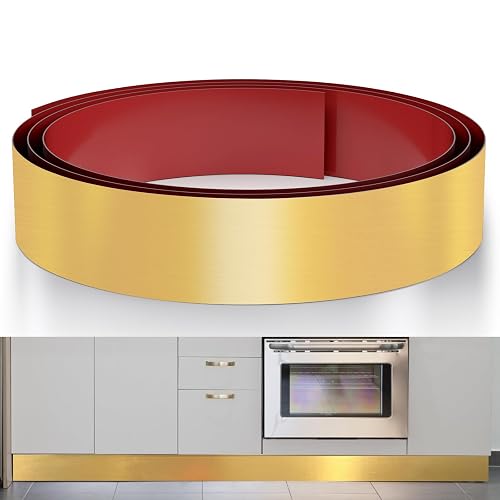
Sanbege Toe Kick Cover 4″ x 102″ Brushed Gold
More Details On Our Top Picks
RVPEKUPE leans into function rather than decoration, which makes sense for a trash drawer or lower cabinet that gets opened with your foot. The aluminum body and soft EVA pads point to a quieter, more forgiving touch than a bare metal strip, and the choice between adhesive or screw mounting gives you room to match the cabinet surface. In a busy kitchen, that flexibility matters more than flashy styling.
The 4-inch profile keeps the look compact, so it suits tight cabinet runs where a larger plate would feel bulky. The honest trade-off is that a foot pull like this depends on solid placement, so careful alignment matters during install. For households that want hands-free access at the toe line, this one fits the job well.
What We Like
- Hands-free opening keeps fingertips off a trash front.
- Aluminum construction should hold up better than plastic-only pieces in daily use.
- Soft pads help the contact point feel less abrupt.
- Adhesive or screw mounting gives you two install paths.
Things To Consider
- Foot pulls work best with careful placement and a stable cabinet face.
- The compact 4-inch size suits some setups better than others.
- Adhesive installs usually reward clean, dry surfaces and patient alignment.
Feature Snapshot
Who It Suits Best
You get the most value from this pick in a kitchen where trash access needs to be quick and hands-free without adding visual clutter.
Where A Sibling Pick Shines
Prime-Line J 4620 makes more sense for you if your goal is protecting a door face rather than adding a foot-operated cabinet opener.
This Prime-Line piece is more about shielding a door than dressing up a cabinet base, and that distinction matters. The aluminum build and satin finish suit interior doors that take a lot of shoe contact in entryways, hall transitions, or a kitchen door that gets bumped often. Compared with the RVPEKUPE pull, this one stays visual and protective rather than hands-free.
The 10 by 34 inch size gives you broad coverage on a standard door face, which is handy in homes where scuffs show up fast. The trade-off is simple, it’s a single-pack part with a purpose-built shape, so you’ll want to confirm your door size before ordering. For straightforward protection, it keeps the decision easy.
Reasons To Buy
- Wide 10 by 34 inch format covers a generous section of the lower door.
- Aluminum keeps the profile light for a metal plate.
- Satin finish blends smoothly with many common interior styles.
Softer Spots
- It serves a door-protection role, not a cabinet toe-kick trim role.
- You’ll want to match the size to the door before installing.
- A single pack suits one project, not a whole multi-door update.
Core Details
Who Will Love This
You’re the best match for this one if your priority is protecting a door surface in a home that sees a lot of daily traffic.
Another Choice May Suit
Sanbege Stainless Steel Door Kick Plate 8″ x 34″ is the better fit for you if you want a broader door plate with a self-adhesive setup.
Handua is the practical answer for a cabinet run that sits over ductwork, and that’s a very different job from the first two picks. The outer size is 3 3/8 by 11 3/8 inches, while the listed fit is a 2 by 10 duct opening, so you’re looking at a vent cover rather than a decorative plate. In a kitchen where airflow matters under the cabinets, that sizing detail is the whole story.
The brown finish keeps it low-key, which helps in spaces where you don’t want the toe area drawing attention. The catch is that vent covers only shine when the opening measurements are right, so careful matching is part of the process. For a cabinet toe space that needs air movement, this pick is very specific in a good way.
Highlights
- Built for toe-kick duct openings, not just surface covering.
- Compact outer dimensions help it sit neatly in the cabinet base.
- Brown color keeps the register from looking overly bright.
- Useful in kitchens where HVAC access matters beneath the cabinets.
Points To Note
- You need a true 2 by 10 duct opening for the fit to make sense.
- This is a vent cover, so it serves a different purpose than a kick plate.
- Airflow installations usually reward careful measurement before mounting.
Technical Sheet
Built With In Mind
You’ll appreciate this most in a kitchen where the toe-kick space doubles as part of the HVAC path.
Look Elsewhere When
RVPEKUPE Under Cabinet Foot Pull 4″ Matte Black is the better choice for you if you want a hands-free trash-drawer opener instead of a vent cover.
Sanbege takes the kick-plate route with a brushed nickel finish and an 8 by 34 inch face, so it reads like protection first and trim second. The self-adhesive backing makes the install simpler than a fully hardware-based setup, which is handy for interior or exterior doors that get routine contact. Compared with Prime-Line’s aluminum plate, this one feels a little more visual and a little more modern.
The 36-inch door mention gives you a helpful sizing cue, although careful measuring still matters because door clearances vary. The trade-off with peel-and-stick plates is that surface prep matters a lot, and that’s especially true in humid kitchens or high-touch entry doors. For a clean, understated shield, it lands in a sensible middle ground.
Upsides
- Wide 8 by 34 inch format protects a large lower-door area.
- Self-adhesive backing simplifies setup for many common doors.
- Brushed nickel finish pairs well with mixed metal hardware.
- Interior or exterior use broadens where it can fit.
Room For Improvement
- Adhesive installs depend on a clean, flat surface.
- You’ll want to confirm the 36-inch-door fit against your actual opening.
- Shiny metal finishes can show smudges more readily than darker ones.
At A Glance
The Right Fit
You suit this pick well if your door needs a broader, cleaner-looking shield and you’d rather keep installation straightforward.
Swap It Out When
Prime-Line J 4620 10 x 34 In. Aluminum Door Kick is the better fit if you prefer a simpler aluminum plate over a brushed nickel finish.
Coengwui sits in the trim-style end of this category, and that makes it useful for more than a single cabinet front. The 9.8-foot length and 3.9-inch width give you enough material for a longer run along a wall, cupboard, dishwasher toe, or similar lower edge. Compared with the shorter door plates above, this one is aimed at coverage across a stretch rather than one isolated face.
The 0.4 mm thickness is slim enough to trim with scissors or snips, which helps when your dimensions are a little uneven. That same thin profile is also the trade-off, since it’s more about surface covering than heavy-duty impact defense. For updates that need a neat line and flexible sizing, it’s a smart pick.
Best Bits
- Long length works well for extended toe-kick or baseboard runs.
- Thin profile is easier to trim for custom fits.
- Adhesive backing removes the need for extra glue.
- Useful on walls, doors, cupboards, and dishwasher fronts.
Small Caveats
- The slim construction leans toward covering, not heavy shielding.
- Careful cutting matters for a clean finish at corners and ends.
- Long peel-and-stick pieces usually reward patient surface prep.
Quick Facts
Perfect Match For
You’ll get the best use from this if you’re covering a long, low edge and want the flexibility to trim the material to fit.
Reach For A Different Pick When
Sanbege Toe Kick Cover 4″ x 102″ Brushed Black is the stronger fit if you want a stainless-steel run with a darker, more finished look.
This brushed black Sanbege strip is built for a long, continuous toe-kick run, and that gives it a cleaner visual line than smaller patch-style pieces. The 4-inch by 102-inch format suits kitchen islands, cabinets, and cupboard bases where you want one uninterrupted piece instead of several short sections. Compared with Coengwui’s thinner trim roll, this one feels more purpose-built for the lower cabinet band.
Self-adhesive installation keeps the process straightforward, though a long piece still calls for careful alignment from the start. The brushed black finish works best in darker kitchens or spaces with black hardware, and that finish choice does most of the style work here. For a long run that needs to look tidy without drawing too much attention, it’s a strong option.
Bright Spots
- Long 102-inch length suits extended cabinet lines and island bases.
- 4-inch width matches a classic toe-kick band.
- Brushed black finish pairs well with darker kitchens.
- Self-adhesive backing simplifies the install path.
Areas To Watch
- Long adhesive pieces need careful starting alignment.
- The dark finish may look more deliberate than neutral hardware styles.
- Cleaning a long strip takes a little more wipe-down time than a small plate.
Feature Rundown
Whose Shelf It Belongs On
You’re in the right place for this pick if your kitchen needs a long, continuous lower trim line with a darker finish.
A Better Fit Elsewhere
Sanbege Toe Kick Cover 4″ x 102″ Brushed Nickel is the better match for you if you want the same long format in a lighter metal tone.
Brushed nickel is the middle-of-the-road finish many kitchens can wear without feeling too bright or too dark, and that’s the charm here. The 4 by 102 inch format matches the brushed black version, so the main difference is visual tone rather than coverage. In a kitchen with stainless appliances or mixed metal pulls, this one tends to blend in gracefully.
That visual flexibility makes it easier to pair with existing hardware, especially in homes where the cabinets, faucet, and appliance trim don’t all match perfectly. The trade-off is that brushed nickel can still pick up fingerprints and routine smudges, so occasional wiping helps it stay tidy. For most remodels, this is the easygoing choice.
Positives
- Neutral brushed nickel tone works in many kitchens.
- Long 102-inch length covers extended lower cabinet runs.
- 4-inch width keeps the toe-kick profile familiar.
- Pairs well with stainless and mixed-metal hardware.
Honest Caveats
- Smudges can show, so light cleaning is part of ownership.
- Long adhesive runs still need careful alignment.
- The finish choice matters more here than any shape difference from the black version.
Feature Card
Made For
You suit this pick well if you want a long toe-kick cover that plays nicely with common kitchen finishes.
Where Shoppers Go Wrong
Sanbege Toe Kick Cover 4″ x 102″ Brushed Black is the better call if your kitchen already leans toward dark hardware and stronger contrast.
The brushed gold finish gives this Sanbege strip a more decorative voice than the black or nickel versions, so it suits kitchens that already lean warm or custom. The 4 by 102 inch format keeps the coverage practical, but the color is the part that changes the feel of the room most. Compared with the other two long Sanbege covers, this is the one that adds the most personality.
That style edge can be a plus in a kitchen with brass pulls, warm lighting, or a richer cabinet tone, though it won’t suit every setup. The trade-off is simple, a strong finish choice needs a little more attention to matching the rest of the space. For a cabinet base that needs both coverage and character, it has a clear place.
Plus Points
- Brushed gold brings a warmer, more decorative look.
- Long 102-inch length suits broad cabinet bases.
- 4-inch width keeps it aligned with standard toe-kick sizing.
- Self-adhesive backing keeps installation straightforward.
Minor Gripes
- The gold tone needs better style matching than neutral finishes.
- Long adhesive strips still reward patience during placement.
- More decorative hardware often shows the rest of the room more clearly, for better or worse.
Details At A Glance
Right Fit For
You’ll like this most in a kitchen where the toe-kick line is meant to read as part of the design, not just hidden structure.
Where Another Pick Suits Better
Sanbege Toe Kick Cover 4″ x 102″ Brushed Nickel is the easier match if you want a more neutral finish that blends with everyday hardware.
How To Choose The Right Toe Kicks for Kitchen Cabinets
Match The Job Before The Finish
Start with purpose, because “toe kick” can mean a few very different things here. Some pieces are cabinet openers for trash drawers, some are vent covers for duct openings, and others are protective plates or trim strips for the lower edge of a door or cabinet run.
That difference changes everything else. A vent cover needs an actual duct size match, while a kick plate needs enough face coverage to stop scuffs, and a foot pull needs a stable mounting surface where your toe can catch cleanly.
Measure The Space Like A Fitter Would
Width, height, and run length matter more than a glossy finish. A 4-inch toe-kick strip suits many cabinet bases, but a door plate or vent cover needs its own exact footprint, and the wrong shape can look awkward even before installation starts.
Take a close look at where the piece will sit in relation to flooring, appliance fronts, drawer pulls, and base trim. Small differences in clearance often decide whether the finished result feels seamless or slightly off.
Choose Mounting Based On The Surface
Self-adhesive backing is appealing for quick projects, yet it depends on a clean, flat, well-prepped surface. Screw mounting or a mixed mounting option can make more sense on surfaces that see heavier contact or on cabinet fronts where you want a firmer hold.
That’s where material matters too. Aluminum feels light and straightforward, stainless steel brings a harder-wearing look, and a thinner trim strip cuts more easily but usually offers less impact resistance than a thicker plate.
Think About Daily Cleaning And Wear
Lower cabinet parts collect fingerprints, splashes, shoe marks, and dust fast. Dark finishes hide some of that better, while brushed nickel and gold finishes usually ask for a little more wiping to keep their look clean.
For a busy kitchen, easy cleaning can be the deciding factor. A simple surface with a straight profile is easier to maintain than a detailed edge, especially around dishwashers, islands, and trash pullouts.
A Quick Reality Check
Mistakes Worth Dodging
Many people start with the finish and forget the use case. That’s the fastest way to end up with a trim piece where you needed a vent cover, or a door plate where you really wanted hands-free access at cabinet level.
Another common miss is sizing by eye. Exact dimensions matter with toe-kick pieces because even a small mismatch can leave gaps, crowd a door swing, or make the lower run look patched together.
What The Higher Tier Buys
More expensive pieces usually pay for thicker metal, longer runs, cleaner edge finishing, or a more refined surface appearance. Long stainless steel strips also cost more because they cover more area and need a finish that stays visually consistent across that length.
The upgrade pays off in kitchens that see steady traffic, especially around islands, trash drawers, and lower cabinet banks. You notice it most where a thin or short piece would show wear too quickly or look out of scale.
Frequently Asked Questions
What does toe kick mean on kitchen cabinets?
It’s the recessed lower area where your feet can sit closer to the cabinet base. In this roundup, it also includes products that cover, protect, or ventilate that lower zone.
Do you need adhesive or screws for a toe-kick cover?
Adhesive works well on smooth, clean surfaces and keeps the install simple. Screws make more sense when you want a more fixed attachment or when the surface isn’t ideal for stick-on backing.
How do you match the size correctly?
Measure the exact opening or face you want to cover, then compare it against the listed width, height, or run length. Vent covers and door plates are especially unforgiving about size.
Can toe-kick products work outside cabinets?
Some can, especially door kick plates and long trim strips designed for lower edges. A cabinet-specific vent cover or foot pull serves a more limited purpose.
Which finish is easiest to blend in?
Brushed nickel and matte black usually feel the most versatile in mixed kitchens. Brushed gold stands out more and works best where the rest of the room already supports that warmer look.
Closing Thoughts
The right toe kicks for kitchen cabinets depend on the job you need them to do, not just the finish you like at first glance. A foot pull helps with trash drawers, a vent cover keeps airflow in play, and a long stainless strip cleans up a cabinet run with less fuss. Once you match the format to the space, the rest gets much easier. Pick the one that fits your cabinet line, and the room starts to feel more finished.