

Terracotta pots bring steady heat and a more forgiving cooking pace to soups, roasts, grains, and baked dishes. The category ranges from compact earthen hot pots to larger clay roasters, so size, glazing, lid fit, and stove or oven compatibility matter more than glossy marketing language. This roundup focuses on six distinct shapes and capacities that suit weeknight meals, batch cooking, and traditional recipes in ordinary home kitchens.
The Shortlist At A Glance
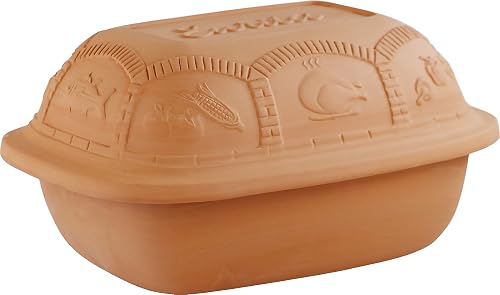
Eurita Clay Roaster 4 Quart 3.78 Litres

Swadeshi Blessings HandMade Unglazed Clay Pot 2.8L Red

Swadeshi Blessings HandMade Unglazed Clay Cooking Pot 2.8L Black

Korean Earthenware Clay Hot Pot 1400ml

Hakan Efes Terracotta Cooking Pot LARGE 4.4 Quarts
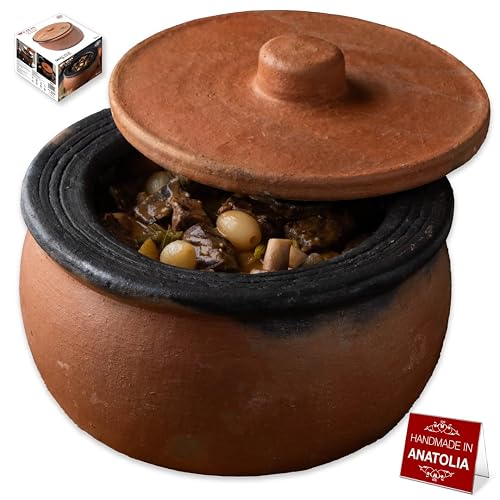
Hakan Efes Clay Cooking Pot MIDI 2.9 Quarts
More Details On Our Top Picks
The Eurita format leans practical first: a 4-quart clay body, a glazed lower section for easier cleanup, and an unglazed lid that’s meant to be soaked before cooking. That lid design matters in a busy kitchen, because it helps hold moisture while still venting excess steam, so braises and roasts stay controlled rather than soggy. The honest trade-off is a little more prep than a metal pot, but the shape suits family meals and mixed use from fish to bread.
Compared with the smaller Swadeshi Blessings pots, this one gives more room for a roast chicken, a pot of soup, or a larger vegetable bake. It also stands apart from the Hakan pieces by pairing a glazed base with clay-lid moisture management, which should appeal to cooks who want easier cleanup without giving up the old-world feel.
Strong Points
- 4-quart capacity suits fuller meals and batch cooking.
- Glazed base helps with cleanup after saucy dishes.
- Unglazed lid supports a humid cooking chamber.
- Microwave and oven compatibility adds flexible use.
- Works across meats, vegetables, soups, and bread.
Points To Note
- The lid needs soaking before use, so prep takes planning.
- The lid is intentionally not tight, which changes how some recipes behave.
- Clay cookware asks for careful handling in storage and washing.
Feature Snapshot
Who It Suits Best
Home cooks who want a larger clay roaster for stews, roasted meat, and baked dishes will get the most from this shape and capacity.
A Better Fit Elsewhere
Hakan Efes Clay Cooking Pot MIDI 2.9 Quarts suits smaller kitchens better, especially for cooks who want a simpler mid-size vessel for everyday stove-top meals.
This red 2.8L clay pot sits in the sweet spot for smaller households, side dishes, or a single curry that still deserves proper presentation. The unglazed body is the point here, since porous clay tends to favor slow, gentle cooking and a more traditional feel at the table. The trade-off is the usual clay-care routine, so it suits cooks who are comfortable with a more hands-on pot.
Relative to the Eurita roaster, this one gives up capacity and the convenience of a glazed lower section. In exchange, it feels more compact and table-friendly, which helps in apartments, smaller stovetops, or anyone who wants a serving vessel that doesn’t dominate the counter.
What We Like
- 2.8L size fits modest portions cleanly.
- Unglazed clay suits slow, traditional cooking styles.
- Red finish gives the pot a warm table presence.
- Can move from cooking to serving with little fuss.
Small Caveats
- Smaller capacity limits larger roasts and big batch cooking.
- Unglazed clay usually asks for careful washing and drying.
- The traditional build is less forgiving than coated cookware.
Core Details
Who Should Grab It
Small households, traditional cooks, and serving-focused kitchens will appreciate the compact size and classic clay feel.
Where A Sibling Pick Shines
Reston Lloyd Eurita Clay Roaster 4 Quart 3.78 Litres suits families better, especially for cooks who need more room and an easier-cleaning base.
The black finish gives this 2.8L Swadeshi Blessings pot a darker, more subdued table presence than the red version. That makes it a neat fit for serving at the table without calling attention to itself, especially in kitchens that lean toward simpler dishware. One thing worth considering is that the cookware story stays the same, so the appeal comes from presentation rather than a different cooking profile.
It mirrors the red model in size and clay construction, but the visual tone changes the feel entirely. Compared with the Hakan MIDI pot, this one is more about serving style than stove-top scale, so it works well for cooks who want a compact vessel with a cleaner, quieter look.
Upsides
- Dark finish creates a restrained, polished look.
- 2.8L capacity handles modest meals and sides.
- Unglazed clay keeps the traditional character intact.
- Works well as a serving vessel after cooking.
Softer Spots
- Size is still compact, so larger dishes need another pot.
- Unglazed construction calls for gentle care.
- Color choice changes appearance more than function.
Details At A Glance
Whose Shelf It Belongs On
Minimalist kitchens and serving-minded cooks will get the most from the darker finish and compact shape.
Swap It Out When
Swadeshi Blessings HandMade Unglazed Clay Pot for Cooking with Lid 2.8L Red is the better match for anyone who prefers a warmer color and the same compact size.
The 1400ml Korean earthenware format is the smallest and most focused shape in this group. That works neatly for single servings, side dishes, or a modest one-pot meal in a tight kitchen, where a large clay roaster would just be in the way. The trade-off is obvious, though, because the compact size is built for portion control more than volume.
Compared with the Swadeshi Blessings 2.8L pots, this one is noticeably smaller and more restrained. It also differs from the Hakan line by leaning toward a hot-pot profile rather than a broad roaster shape, so it suits cooks who value a smaller footprint over batch capacity.
Bright Spots
- 1400ml size suits single servings and small portions.
- Compact form takes little room on the counter.
- Good fit for side dishes and focused cooking.
Areas To Watch
- Limited volume is not meant for larger family meals.
- The smaller shape may feel restrictive for batch cooking.
Quick Facts
Built With In Mind
Apartment kitchens, side-dish prep, and single-person meals fit this small earthenware shape well.
Another Choice May Suit
Hakan Efes Clay Cooking Pot MIDI 2.9 Quarts fits cooks who want more volume while staying in a relatively compact clay format.
The large Hakan Efes pot is the capacity play in this roundup, with 4.4 quarts that suit bigger braises, rice dishes, and substantial stovetop casseroles. Twice-baked construction usually points to extra firing and a denser finished body, which is why this style often appeals to cooks who want a more substantial clay vessel. The trade-off is weight and bulk, so it makes more sense for larger kitchens than for cramped cupboards.
Compared with the Eurita roaster, this one leans more traditional and less convenience-focused, since no glazed base is listed. Versus the smaller Hakan MIDI pot, it offers more room for family meals, which makes it the stronger fit for cooks who routinely make enough to feed several people.
Best Bits
- 4.4-quart size handles larger batches well.
- Terracotta body suits slow, steady cooking.
- Works for rice, casseroles, and roasts.
- Twice-baked construction suggests a more substantial feel.
Minor Gripes
- Large size takes more storage space.
- Heavier clay cookware can be awkward to move.
- Traditional build usually asks for careful cleaning habits.
At A Glance
Right Fit For
Households that cook in larger portions and want a traditional terracotta vessel for stove-top dishes will get the most from this one.
Look Elsewhere When
Hakan Efes Clay Cooking Pot MIDI 2.9 Quarts makes more sense for smaller kitchens that still want the same brand style in a lighter format.
The MIDI Hakan Efes pot sits between the compact Korean hot pot and the larger 4.4-quart Hakan roaster, which makes it easy to place in a real kitchen without overcommitting space. At 2.9 quarts, it has enough room for rice, stews, and modest casseroles while staying manageable on the stovetop. The honest read is that this middle size often feels the least fussy in day-to-day use.
It is the cleanest compromise in the lineup, especially compared with the larger Hakan model that asks for more storage and lifting room. For cooks who want a terracotta vessel that feels substantial without becoming cumbersome, this is the most even-handed choice here.
Reasons To Buy
- 2.9-quart size gives useful middle-ground capacity.
- Stove-top design fits routine simmering and braising.
- Smaller than the large Hakan, yet still practical.
- Works well for everyday clay-cook routines.
Room For Improvement
- Middle size can feel modest for bigger households.
- Traditional clay care still applies after cooking.
- No extra convenience features are listed here.
Spec Overview
The Right Fit
Home cooks who want a medium clay pot for steady weeknight meals and occasional braises will find this size the easiest to live with.
Not Your Match When
Hakan Efes Terracotta Cooking Pot LARGE 4.4 Quarts suits families better, especially where bigger portions matter more than easy storage.
How To Choose The Right terracotta pots for cooking
Capacity And Portion Match
Capacity drives almost everything in this category. A 2.8L or 1400ml vessel suits side dishes, rice, and smaller households, while a 4-quart or 4.4-quart shape handles roasts, casseroles, and family meals with less crowding in the pot.
That matters because terracotta works best when heat and moisture have room to move evenly. Oversizing a clay pot for two portions can waste space and energy, while undersizing one can crowd ingredients and muddy texture.
Lid Style, Glazing, And Cleanup
Lid fit changes the whole cooking rhythm. An unglazed lid that gets soaked before use, like the Eurita style, helps create steam, while a glazed base tends to clean more easily after saucy dishes.
Unglazed bodies carry more of the traditional clay character, but they usually ask for a gentler washing routine and more storage care. Shoppers who cook often in busy kitchens tend to appreciate any glazed surface that reduces scrubbing after dinner.
Stovetop, Oven, Or Table Use
Some clay pots are clearly built for the oven and table, while others are better matched to stove-top simmering. The Hakan line speaks more directly to stove-top casseroles, while the Korean hot pot format makes more sense for smaller, focused meals.
The right choice depends on how the pot will live in the kitchen. A larger roaster suits Sunday cooking, but a compact earthenware pot can be easier for quick weeknight use and serving without extra dishes.
Material Feel And Durability Expectations
Clay cookware varies from glazed, easier-cleaning builds to fully unglazed pieces with a more traditional finish. Dense, twice-baked construction usually feels more substantial, though it can also mean more weight and less casual handling.
That trade-off is normal in this category. Cooks who want a pot that behaves a little like a slow, steady thermal mass often gravitate toward clay, while anyone who wants zero fuss generally does better with lighter cookware.
What To Weigh Before You Click
Wrong Turns To Avoid
One common mistake is buying by appearance alone. A black or red finish changes presentation, but it does not automatically change capacity, lid behavior, or cleanup demands.
Another trap is treating all clay cookware as interchangeable. A glazed base, a fully unglazed body, and a stove-top casserole each suit different routines, so the shape has to match the meal pattern.
Where The Extra Money Goes
Higher-tier clay pots often cost more because of firing, finishing, and the details around fit and construction. A glazed lower section, a denser twice-baked body, or a more refined lid setup usually adds cost before the pot ever reaches a kitchen shelf.
That upgrade can be worth it for cooks who use clay cookware often, especially where cleanup, heat retention, and a more substantial build matter. For occasional use, a simpler pot can be the more sensible path.
Final Thoughts
The right terracotta pot depends on how much food usually goes into the pot and how much effort feels reasonable after the meal. The Eurita suits cooks who want a larger, easier-cleaning roaster, while the Swadeshi Blessings and Korean options fit smaller, more traditional routines. For stove-top cooking, the two Hakan shapes create a clear split between family-size capacity and a more manageable middle ground. A careful match here pays off in daily use, not just on the shelf.



