

Kitchen spaces need detectors that react quickly without turning every pan sear into an alarm event. The right choice depends on wiring, backup power, and how much cooking happens near the ceiling. Combination units, compact battery models, and interconnected hardwired alarms each solve a different problem. The lineup below sorts those trade-offs into clear use cases.
Quick Look At Our Top Picks

First Alert SMCO100 Battery Combination Smoke & Carbon Monoxide Alarm

Kidde Compact Smoke Detector 10SDR, AA Battery-Powered
SITERWELL Smoke Detector GS562A, Hardwired Interconnected

Kidde Smoke Detector 20SDR, AA Battery-Powered

Kidde Carbon Monoxide and Gas Alarm, Plug-in with 9V Backup
Kidde Smoke Detector 20SAR, Hardwired with AA Backup
More Details On Our Top Picks
Combination detection makes sense in kitchens that sit close to living areas, because one compact unit covers smoke and carbon monoxide without asking for two separate devices. Battery power keeps installation simple, though the trade-off is periodic battery care instead of hardwired continuity.
In a townhouse, apartment, or older home with limited wiring access, that simplicity matters. It also suits anyone who wants a cleaner ceiling layout than a paired detector setup, while accepting that a battery model needs more routine attention than a wired one.
What We Like
- Two hazard types in one housing, which reduces ceiling clutter.
- Battery operation supports quick placement without electrical work.
- Useful for homes where kitchen space opens into shared rooms.
- Single-device maintenance is easier than juggling separate alarms.
Things To Consider
- Battery upkeep becomes part of ownership, so routine checks matter.
- Battery models depend on user attention during long stretches of use.
- It does not offer the interconnected response of the wired options below.
Feature Snapshot
Who It Suits Best
Apartment dwellers, remodel projects, and kitchens that need a straightforward battery setup benefit most here.
A Better Fit Elsewhere
Kidde Smoke Detector 20SAR suits households that already have 120V wiring and want backup batteries with wired interconnect capability.
A 4-inch body gives this Kidde model a small footprint, which helps in narrow kitchen ceilings and tight wall zones where larger housings can look bulky. The 85 dB alarm and red LED status light add both audible and visual alerting, a sensible pairing for busy spaces where appliances already add background noise.
The fast-detection claim points to quicker response than standard units, though that kind of sensitivity still needs sensible placement away from routine cooking steam. For smaller homes and compact kitchen layouts, the form factor is the main advantage, especially compared with the broader combination coverage of the First Alert unit.
Reasons To Buy
- Compact body fits neatly where larger alarms would crowd the ceiling.
- AA battery power keeps installation simple and flexible.
- LED status lights help with quick visual checks.
- Loud alarm output suits kitchens that sit near living areas.
Room For Improvement
- Battery replacement becomes part of routine upkeep.
- Compact size helps placement, but it still needs a sensible location near cooking zones.
- It covers smoke only, so it does not address carbon monoxide.
Core Details
Who Should Grab It
Small-home owners, studio apartments, and kitchen corners with limited mounting space benefit most from this compact format.
Where A Sibling Pick Shines
First Alert SMCO100 fits better for homes that want smoke coverage plus carbon monoxide detection in one battery-powered unit.
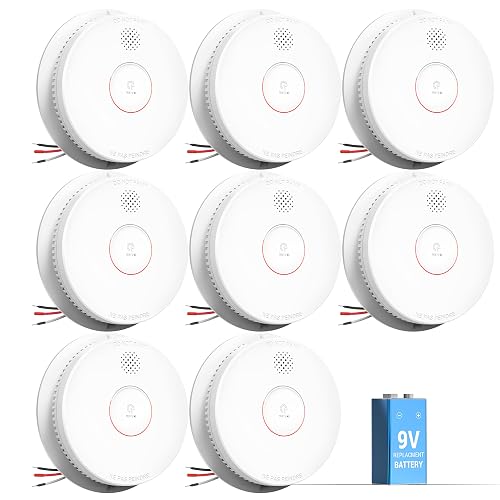
Hardwired interconnect capability changes the whole setup, because one alarm sounding can trigger the rest across a connected network of up to 12 units. In a larger home with a kitchen at one end and bedrooms at the other, that shared response carries real practical value.
The photoelectric sensing method is tuned for smoldering smoke, which usually matters in kitchens more than a blaringly sensitive unit that cries over every pan. The trade-off is installation effort, plus the hardwired format makes more sense in permanent setups than in quick retrofit projects.
Best Bits
- Interconnected design spreads the alarm through multiple rooms.
- Photoelectric sensing helps with smoldering smoke situations.
- 9V backup battery keeps detection available during outages.
- Test and silence control adds practical day-to-day convenience.
- Ten-year product life reduces replacement frequency.
Small Caveats
- Hardwired installation suits planned upgrades more than quick swaps.
- Connected alarms need coordination during setup.
- False-alarm reduction is helpful, though cooking-heavy kitchens still need sensible placement.
Details At A Glance
Made For
Owners of larger homes, multi-level layouts, and renovation projects with existing wiring will get the most from this networked setup.
Swap It Out When
Kidde 20SDR makes more sense for a small apartment kitchen where battery power and simpler installation matter more than interconnect coverage.
This Kidde unit keeps the formula simple: AA battery power, 85 dB output, and a red LED status light for at-a-glance confirmation. In most kitchens, that mix works well for a straightforward replacement or a second alarm in a home that does not need wired integration.
Compared with the smaller 10SDR above, the 20SDR sits in the same battery-powered lane but targets homes and apartments a bit more directly. The honest read is that it looks built for plain utility, not feature chasing, and that restraint suits plenty of kitchens.
Highlights
- Battery operation simplifies replacement and placement.
- Loud alarm output fits busy household noise levels.
- LED indicator supports quick status checks.
- Straightforward design keeps maintenance simple.
Points To Note
- Smoke-only coverage leaves out carbon monoxide detection.
- Battery care remains part of routine ownership.
- It lacks the linked-alarm structure of the wired SITERWELL option.
Quick Facts
Whose Shelf It Belongs On
Homeowners, apartment residents, and anyone replacing a basic battery alarm will find the 20SDR easy to slot into an existing setup.
Another Choice May Suit
First Alert SMCO100 suits kitchens that need smoke and carbon monoxide coverage from a single battery-powered unit.
This one shifts away from smoke detection and focuses on carbon monoxide plus explosive gas, natural gas, and propane monitoring. For kitchens near gas appliances, that broader gas coverage can make more sense than a smoke-only alarm, especially in homes with a plug-in outlet already in place.
The digital display and status lights add useful visibility, while the 9V backup keeps the unit from going dark during an outage. The trade-off is obvious, though, because this is a gas-focused device rather than a general smoke alarm.
Strong Points
- Multi-gas coverage suits kitchens near fuel-burning appliances.
- Plug-in design keeps setup direct.
- Digital display offers clearer status visibility.
- 9V backup supports continuity during power loss.
Areas To Watch
- It does not replace a dedicated smoke detector.
- Plug-in placement depends on outlet location.
- Gas monitoring is specialized, so it works best as part of a broader alarm plan.
Feature Card
Built With In Mind
Homes with gas ranges, attached garages, or utility-adjacent kitchens will benefit most from this broader gas-monitoring profile.
Look Elsewhere When
First Alert SMCO100 fits better for kitchens that need smoke plus carbon monoxide coverage in a battery-powered alarm.
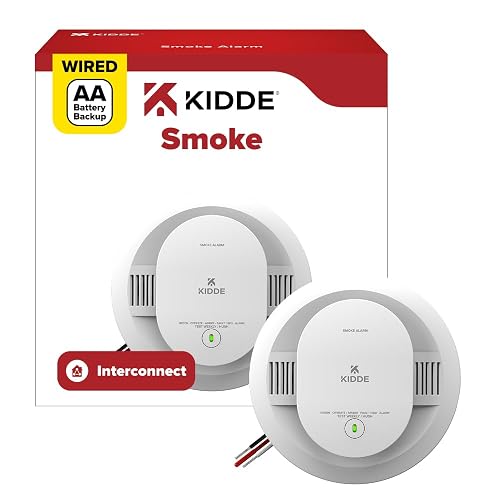
Hardwired power with AA backup makes this Kidde model feel suited to permanent installations, especially in homes where existing electrical runs already support alarm placement. The wired interconnect capability is the standout, because it lets multiple alarms respond together rather than staying isolated.
Its smoke sensing is aimed at quicker response, and the cooking-aware filtering is especially relevant in kitchen-heavy homes where steam and food prep are part of daily life. Compared with the SITERWELL unit, this one leans more toward a straightforward wired setup with backup batteries than a photoelectric-linked network approach.
Plus Points
- Hardwired power reduces dependence on routine battery-only operation.
- AA backup keeps the unit active during outages.
- Wired interconnect support helps spread alerts through the home.
- Cooking-aware sensing suits busy kitchen routines.
- LED status lights make quick checks easier.
Minor Gripes
- Installation fits existing wiring better than quick standalone swaps.
- Hardwired systems need a bit more planning during replacement.
- Smoke-only coverage leaves gas monitoring to a separate device like the Kidde plug-in alarm above.
Core Details
Who Will Love This
Owners of wired homes, renovation projects, and larger layouts with a central kitchen benefit most from the connected design.
Reach For A Different Pick When
Kidde 20SDR suits simpler apartment setups better, since it skips the wiring requirement and keeps the setup more direct.
How To Choose The Right smoke detectors for kitchen
Power And Placement Matter First
Kitchen alarms work best when power matches the home’s wiring plan. Battery units suit quick installs, rental spaces, and ceilings without existing electrical boxes, while hardwired models fit remodels and longer-term setups. Placement matters just as much, because a detector too close to steam, grease, or constant frying can become a nuisance.
Match The Sensing Style To Daily Cooking
Photoelectric sensing is built to respond well to smoldering smoke, which makes sense in kitchens where burnt food and slow-heat events are more common than sudden flare-ups. Traditional smoke alarms still have a place, though the right fit depends on how often the stove runs and how close the detector sits to the cooking zone. For busy households, a unit with cooking-aware behavior tends to be easier to live with.
Think Beyond The Alarm Sound
An 85 dB alarm gets attention, but status lights, test buttons, silence controls, and backup batteries shape everyday usefulness. A visible LED helps with quick checks during morning routines, and backup power matters during outages or circuit trips. That mix often matters more than a single loud spec.
Choose Coverage For The Whole Home Plan
Combination units suit homes that want smoke plus carbon monoxide in one device, while gas-specific alarms are better near fuel appliances. Hardwired interconnect support becomes valuable in larger houses, because one trigger can alert multiple rooms at once. In compact kitchens, a simpler battery alarm can be the cleaner fit.
A Quick Reality Check
Common Shopping Slip Ups
A common mistake is placing the same alarm type everywhere without thinking about the room next to it. Smoke-only units work for many kitchens, but gas or carbon monoxide coverage belongs in homes with specific fuel risks. Another misstep is ignoring power type, then ending up with a detector that does not match the wiring already in place.
Where The Extra Money Goes
Higher-tier models usually cost more because they add hardwired interconnect support, backup power, better status indicators, or broader gas coverage. Those extras matter most in larger homes, older houses with mixed wiring, or kitchens near fuel-burning appliances. For a small apartment, the extra layers can be unnecessary, but in a full house they often earn their keep.
Closing Thoughts
Kitchens need detectors that fit the space, not just the spec sheet. Battery models keep setup simple, compact units save wall and ceiling space, and hardwired alarms suit more permanent home layouts. The best match comes from wiring, cooking habits, and how much coverage the rest of the house already has. A thoughtful setup tends to feel quiet in daily life and clear when it needs to speak up.



