

Kitchen knives only feel reliable when the edge keeps up with your cooking. The right stone helps you restore a dull blade, refine a working edge, and keep control without turning prep into a chore.
This roundup focuses on sharpening stones for kitchen knives that suit very different routines, from casual home cooks to people who sharpen often and want more speed. You’ll also see a few hybrid and electric options, because the right match depends on how much time, space, and skill you want to bring to the task.
Quick Shortlist For Faster Knife Care

Norton Knife Sharpener Combination Grit Oil Stone

KEENBEST 1000/6000 Grit Whetstone Kitchen Knife Sharpening Stones Kit

Homly Professional Electric Knife Sharpeners for Kitchen Knives

KING Whetstone Starter Set 1000/6000 Grit
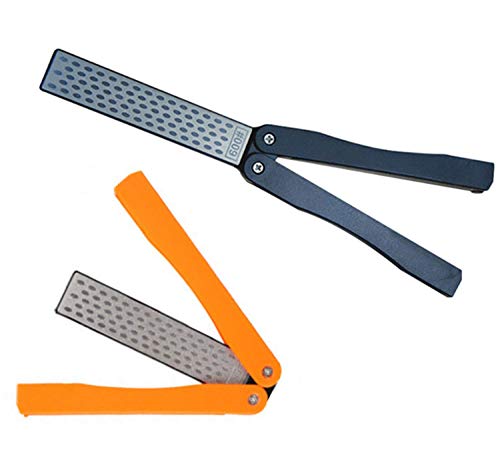
2 Pcs 400/600 Grit Portable Handheld Double Sided Sharpener Pocket Diamond Knife Sharpening Stone

Premium Knife Sharpening Stone Whetstone 1000/6000 with 2 Non-Slip Rubber Bases

SHARPAL 168H 8 x 3 Dual-Grit Diamond Sharpening Stone

Whetstone Knife Sharpening Stone Kit 1000/6000 Grit
More Details On Our Top Picks
That dual-grit layout makes this Norton stone feel straightforward rather than fussy. The 100-grit side handles rough edge repair, while the 280-grit side keeps working blades in shape for kitchen use, hunting gear, and general tools.
Oil stones suit you best when you want a slower, more traditional sharpening feel, and that also means a bit more cleanup after use. In a home garage or a kitchen drawer dedicated to tool care, the trade-off is worth it for people who value a durable, no-frills stone over a compact gadget.
Strong Points
- Dual sides handle both repair and routine edge maintenance.
- Works across kitchen knives and other hand tools, so one stone can cover more jobs.
- The oil-stone format tends to feel steady and controlled for deliberate sharpening sessions.
- Useful for people who prefer a hands-on sharpening method instead of a powered unit.
Things To Consider
- Oil stones usually ask for more cleanup than water stones.
- The learning curve can feel slower for a first-time sharpener.
- It suits a bench setup better than a grab-and-go drawer slot.
Feature Snapshot
Who It Suits Best
Home cooks or hobbyists who also sharpen utility blades will get the most from this straightforward stone.
A Better Fit Elsewhere
KEENBEST 1000 6000 Grit Whetstone Kitchen Knife Sharpening Stones Kit fits you better if you want a water stone with a gentler finishing side and more beginner-friendly kitchen use.
This KEENBEST kit leans into the classic water-stone setup, and that usually feels friendlier than oil for kitchen work. The 1000 grit side is the shaping stage, meaning it handles ordinary dullness, while the 6000 grit side is the polish stage for a finer edge finish.
With the anti-slip base, angle guide, and user booklet, it speaks to people who want a little help staying steady on the bench. You may find it less convenient than an electric sharpener for quick touch-ups, but the manual process gives you more control over how much metal comes off the blade.
What We Like
- Two water-stone grits cover both sharpening and finishing in one kit.
- The anti-slip base helps the stone stay planted during a session.
- An angle guide is useful for keeping the blade more consistent across passes.
- The included booklet gives first-timers a clearer starting point.
- Better suited to kitchen knives than a rougher utility-only stone.
Worth Noting
- Water stones need soaking or wet use, so prep time is part of the routine.
- The surface will wear over time, which is normal for this stone style.
- It rewards patience more than speed.
Core Details
Made For
Home cooks and careful beginners who want a manual stone with a gentle finishing stage will feel at home here.
Where A Sibling Pick Shines
SHARPAL 168H Large 8 x 3 Dual-Grit Diamond Sharpening Stone suits you better if you want a larger surface and a faster-feeling diamond abrasive.
Compared with the manual stones above, this Homly sharpener cuts the effort way down. The 3-stage slot design, diamond abrasives, and precision angle guides make it a strong fit for kitchens where speed and consistency matter more than the ritual of hand sharpening.
It also covers straight knives and ceramic knives, which is a useful range for mixed cutlery drawers. The honest trade-off is that powered sharpening gives you less tactile control, so it fits people who prefer convenience over the slower feel of a whetstone.
Highlights
- Electric operation reduces the amount of manual work needed.
- Three stages help move from shaping to finishing in a guided path.
- Diamond abrasives are a practical match for frequent edge upkeep.
- Precision angle guides help keep the knife path more consistent.
- Useful for kitchens with both straight and ceramic blades.
Points To Note
- Powered sharpeners take up more counter or storage space than a stone.
- Less hands-on control may not suit people who like a very custom edge.
- It needs a power source, so it is less flexible than a portable stone.
Feature Card
Built With In Mind
Busy cooks and households with several blade types will appreciate the speed and guided setup.
Look Elsewhere When
KEENBEST 1000 6000 Grit Whetstone Kitchen Knife Sharpening Stones Kit fits you better if you want a quieter, fully manual process with more bench-level control.
The KING set feels thoughtfully put together for people who want a more guided stone experience. Its 1000 grit side handles the main sharpening work, while the 6000 grit side is for finish polishing, and the included angle holder helps take some guesswork out of the process.
The stable plastic base and wiping cloth make the kit easier to live with on a regular countertop. Compared with the Norton oil stone, this one leans more toward careful kitchen sharpening and less toward general workshop use, which makes the focus feel tighter.
Best Bits
- Two-sided grit range covers shaping and finishing in a familiar progression.
- The angle holder is helpful for keeping your blade position steady.
- The stable base supports a calmer sharpening session on a kitchen counter.
- The included cloth adds a small but useful cleanup touch.
- Made in Japan, which will matter to shoppers who care about origin and stone tradition.
Small Caveats
- The accessory set adds value, but it also means more pieces to store.
- Manual sharpening still asks for patience and a bit of practice.
- The focus is kitchen-knife friendly, so it is less broad than some multi-tool options.
Quick Facts
Whose Shelf It Belongs On
Careful home sharpeners who want a guided whetstone kit will appreciate this set most.
Skip It When
Homly Professional Electric Knife Sharpeners for Kitchen Knives fits you better if you want faster edge work without learning stone control.
This two-piece handheld set is aimed at quick, portable sharpening rather than countertop refinement. The 400 and 600 grit faces are coarse enough for outdoor tools and rougher edge work, and the ABS handle should feel more comfortable than a bare metal grip during a longer session.
The honeycomb surface is the standout detail here, because it is meant to move material faster than a conventional flat stone. That speed is useful in a garden shed, camping kit, or tool bag, though it also means this is not the softest choice for fine kitchen finishing.
Upsides
- Portable size works well in travel or tool-bag storage.
- Two pieces give you redundancy for different tasks or locations.
- Coarser grits suit edge repair and outdoor tools.
- The ABS handle improves grip comfort during handheld use.
- Honeycomb texture is designed to speed up sharpening on tougher edges.
Areas To Watch
- Coarser grit means less finesse for final kitchen edge polishing.
- Handheld use can feel less stable than a base-mounted stone.
- Diamond surfaces are practical, but they are not the most traditional feel.
Details At A Glance
The Right Fit
Gardeners, campers, and anyone carrying tools between places will get the most value from this portable set.
Another Choice May Suit
Whetstone Knife Sharpening Stone Kit 1000/6000 Grit fits you better if your focus stays on kitchen knives and you want a finer finishing path.
With two non-slip rubber bases, this ryerum stone is built around a steadier bench session. The 1000 grit side brings dull kitchen blades back into shape, and the 6000 grit side handles the finer polish that makes slicing feel smoother.
That balance is what gives it a broad appeal. It sits between a simple starter stone like the KEENBEST and a more specialized option like the SHARPAL diamond plate, so you get a familiar two-step path without a lot of extra clutter.
Positives
- Dual grits cover both repair and finishing work.
- Two rubber bases help the stone stay planted during use.
- The setup fits everyday kitchen sharpening without feeling overcomplicated.
- Good for home cooks who want a stable, repeatable routine.
- The 1000/6000 pairing is easy to understand and use.
Softer Spots
- Like most water stones, it asks for routine cleaning and drying.
- It still depends on your hand angle, so practice matters.
- Anyone wanting ultra-fast material removal may prefer a diamond plate.
Core Details
Who Should Grab It
Home cooks who want a steady, everyday whetstone without a lot of extra learning curve should feel comfortable here.
Reach For A Different Pick When
SHARPAL 168H Large 8 x 3 Dual-Grit Diamond Sharpening Stone suits you better if you want a larger surface and a harder-working diamond face.
The 8 by 3 inch surface gives this SHARPAL plate real working room, which matters more than people expect once you start moving longer chef knives across it. A monocrystalline diamond surface is simply a diamond abrasive made from a more uniform crystal structure, and that usually means a harder-wearing sharpening face for frequent use.
The 325 grit side handles aggressive edge work, while the 1000 grit side is there for a cleaner finish. Compared with the smaller handheld XILEWHZF set, this one feels much more suited to a countertop routine and to knives that get sharpened often.
Bright Spots
- Large 8 x 3 inch face gives you more room for long strokes.
- Two diamond grits cover both repair and refinement.
- Angle guide helps you keep the blade path steadier.
- Anti-slip pad supports a calmer sharpening setup on the bench.
- Diamond construction is well suited to frequent touch-ups and harder steel edges.
Minor Gripes
- The aggressive 325 grit side can remove material quickly, so a light hand helps.
- It feels more specialized than a simple entry-level whetstone.
- Diamond plates usually give a different tactile feel than water stones.
Technical Sheet
Best Suited To
Frequent sharpeners with a mix of kitchen knives and utility blades will get the most from this larger diamond plate.
Swap It Out When
KING Whetstone Starter Set 1000/6000 Grit fits you better if you want a softer learning curve and a more traditional water-stone feel.
This ZGQOOFA kit keeps the setup simple, which is part of its appeal. The 1000 and 6000 grit pairing mirrors the familiar sharpening-to-polishing routine, and the bamboo base gives the stone a steadier home on the counter.
The angle guide is useful for anyone still learning how to keep a blade aligned, and the slip-resistant base helps the whole setup feel less fussy. Compared with the sharper-focused SHARPAL plate, this one leans more toward a calmer home routine than frequent heavy edge repair.
Reasons To Buy
- Two grit levels cover the basic kitchen knife workflow.
- Bamboo base adds a neat, stable bench presence.
- Angle guide supports steadier sharpening for new users.
- Slip-resistant footing helps reduce movement during use.
- The kit layout feels straightforward for everyday upkeep.
Room For Improvement
- Like other whetstones, it still asks for water and cleanup afterward.
- It is more about routine sharpening than heavy damage repair.
- The bamboo base is practical, but it does add another piece to store.
Feature Rundown
Perfect Match For
Kitchen owners who want a calm, beginner-friendly whetstone kit will appreciate this setup.
Not Your Match When
Homly Professional Electric Knife Sharpeners for Kitchen Knives fits you better if speed matters more than manual control.
How To Choose The Right sharpening stones for kitchen knives
Match The Stone To Your Blade Condition
Coarse grits, such as the 325 and 400 range, remove more metal and help rescue a very dull edge. Finer grits, such as 6000, are for polishing after the blade already cuts again. In a busy kitchen, the common mistake is jumping straight to a fine stone and wondering why the knife still feels tired.
Think in stages, not in one magical pass. A two-sided whetstone like the KEENBEST, KING, or ryerum gives you a simple repair-and-finish path without needing a separate setup.
Pick The Sharpening Style You Will Actually Use
Water stones feel familiar to many home cooks because they suit a patient, bench-top rhythm. Oil stones, like the Norton, lean more traditional and usually ask for a different workflow and cleanup. Electric sharpeners, like the Homly, trade some control for speed, which can make sense in kitchens that want quick upkeep more often than detailed edge tuning.
Choose the style that fits your routine, not the one that sounds clever on paper. A stone that stays in the drawer because the setup feels annoying does you no good.
Stability And Surface Size Matter More Than You Think
A non-slip base, angle guide, or larger working face can make sharpening less fussy. The SHARPAL 168H shows how a bigger 8 by 3 inch surface helps longer chef knives move comfortably, while smaller handheld options make more sense for travel or outdoor tools.
Stable gear also helps when your counter is crowded or your hands are still learning the angle. That’s a quiet advantage, but it changes the whole feel of the task.
Set Your Expectation Around Maintenance
Whetstones need water, drying, and occasional flattening care over time. Diamond plates usually ask less from you in day-to-day cleanup, though they feel different under the blade and can be more aggressive on the edge.
For most home kitchens, a stone that is easy to store and simple to reset will get used more often than a fancy one that needs a long prep ritual. That tends to matter more than a flashy feature list.
Things Worth Knowing First
Mistakes Worth Dodging
Many shoppers focus on grit numbers alone and ignore stability, which is how sharpening turns slippery. A stone with a base or pad often feels easier to control than a bare block on a slick counter.
Another common miss is buying a very coarse tool for kitchen knives and expecting a polished edge right away. Coarse stones fix problems, but they are not the finish line.
The Upgrade Payoff
Higher-tier stones usually cost more because the abrasive surface, size, included guides, and base materials are doing extra work. The SHARPAL and KING kits show that difference clearly, since you are paying for more surface area or more support pieces, not just grit numbers.
The upgrade is worth it when you sharpen often, own longer chef knives, or want a steadier setup that feels less fiddly. For occasional touch-ups, a simpler whetstone usually makes more sense.
Frequently Asked Questions
What grit works best for kitchen knives?
Most kitchen knives do well with a two-step setup that includes a medium grit and a finer finishing grit. A coarse side helps rescue a dull edge, while a finer side smooths it for cleaner slicing.
Are water stones harder to use than diamond stones?
Water stones usually ask for more patience and a bit of setup, but many home cooks like the control they give. Diamond stones feel faster and often need less routine prep.
Do you need an angle guide?
An angle guide helps beginners keep the bevel more consistent. Skilled sharpeners may not need one, but many people still like the extra steadiness.
Is an electric sharpener better than a whetstone?
An electric sharpener is faster and easier for routine upkeep. A whetstone gives you more control and a quieter, more hands-on process.
How often should kitchen knives be sharpened?
That depends on how often you cook and what you cut. A home kitchen with regular use usually benefits from touch-ups before the blade feels badly dull.
Closing Thoughts
The best sharpening stones for kitchen knives are the ones you will actually keep using. A simple two-sided whetstone suits many home cooks, while a larger diamond plate or electric sharpener makes more sense for heavier use or less patience. Your best match comes down to blade type, storage space, and how hands-on you want the process to feel. Choose the setup that fits your kitchen rhythm, and the edge care routine gets a lot easier.