

Sanitizing tablets for dishes split into two very different jobs here, so your match depends on where they’ll live and how they’ll be used. Some items are dishwasher cleaners that target odor, mineral buildup, and residue inside the machine, while others are quaternary sanitizer tablets for food-contact surfaces in kitchens and food-service settings. That distinction matters in a real home or commercial kitchen, because the right tablet saves time, reduces maintenance friction, and keeps your routine consistent. The shortlist below separates those use cases cleanly, so you can narrow in fast.
The Shortlist At A Glance

MIGHTY CLEAN Dishwasher Cleaner And Deodorizer 24 Pack

USKICH 200 Count Dishwasher Pods

Y-Kelin Dishwasher Cleaner and Deodorizer Tablets 24 Pack

THE FRYOILSAVER COMPANY Steramine Quaternary Sanitizing Tablets 450 Count

Clear Lake Enterprises Steramine Quaternary Sanitizing Tablets Blue
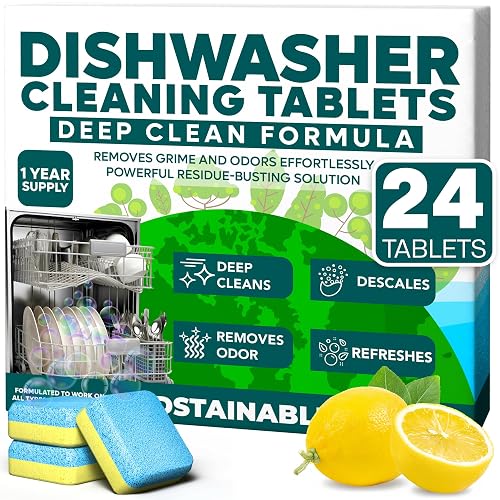
Sudstainables Dishwasher Cleaner Tablets 24 Count

Branch Basics Dishwasher Tablets 60 Ct
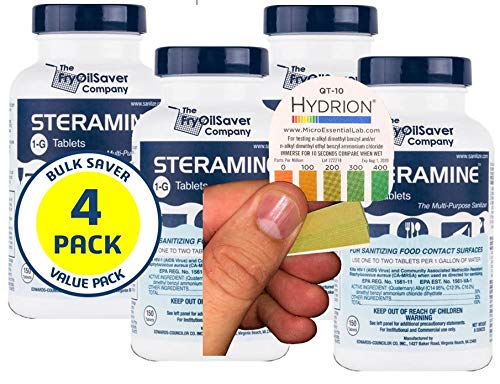
THE FRYOILSAVER COMPANY Steramine Sanitizing Tablets 600 Tab with QT-10 Test Strips
More Details On Our Top Picks
This tablet pack is aimed squarely at dishwasher upkeep, not wash cycles. The appeal is simple, a 24-tablet supply that fits regular cleaning routines without constant reordering, and that’s useful in a kitchen that runs daily loads. Septic-safe positioning also matters for homes with system-sensitive plumbing.
The trade-off is straightforward: this is for machine care, so it does not replace detergent pods for the dishes themselves. Compared with Branch Basics and USKICH, it serves a different job, and it’s the more sensible pick for lingering odors, limescale, and internal buildup.
Strong Points
- 24-count supply stretches across routine maintenance.
- Targets odor, mineral scale, and residue inside the machine.
- Septic-safe positioning suits many homes with older plumbing.
- Fits a set-and-repeat cleaning rhythm without much fuss.
Points To Note
- It works on the dishwasher, not on plates and glasses directly.
- Users still need a separate detergent for normal dishwashing.
Feature Snapshot
Who It Belongs On
Routine kitchen upkeepers and septic households get the most from this one, especially where dishwasher odor shows up between deep cleans.
Where A Sibling Pick Shines
Sudstainables Dishwasher Cleaner Tablets 24 Count suits someone who wants a similar maintenance tablet with a more brand-neutral, descaling-first angle.
USKICH lands in the actual dish-cleaning lane, so it makes sense for households that want one pod format for ordinary loading and grease removal. The 200-count supply gives you a long runway in a busy kitchen, and that kind of volume matters more than fancy packaging once the sink fills up. The no-pre-rinse positioning also fits fast weeknight cleanup.
Compared with the cleaner tablets in Item 1 and Item 3, this is about the wash itself, not machine maintenance. The honest read is that bulk counts help a lot here, but you still need to check whether your dishwasher handles pod-style detergents cleanly in your water conditions.
Highlights
- Large 200-count supply suits heavy weekly use.
- No-pre-rinse format trims a step from cleanup.
- Built for stain and grease removal on dishes.
- Fits households that prefer a simple pod routine.
Worth Noting
- It’s detergent, not a dishwasher sanitizer or cleaner tablet.
- Bulk pods take up more cabinet space.
- Performance can still depend on water hardness and machine setup.
Technical Sheet
Who Should Grab It
Large households and anyone running the dishwasher most days of the week are the best match for this pod count.
A Better Fit Elsewhere
MIGHTY CLEAN Dishwasher Cleaner And Deodorizer 24 Pack suits you better when the real problem is internal buildup instead of wash-day detergent.
Y-Kelin takes the same dishwasher-care lane as MIGHTY CLEAN, but it leans harder into a lemon-scent finish and limescale control. That matters in kitchens where a stale smell shows up after storage, or where hard water leaves a chalky film around the machine. The 24-count supply also lines up neatly with monthly upkeep.
The trade-off is that scent is a preference, not a universal win, so fragrance-sensitive homes may look elsewhere. Still, for a standard family dishwasher that needs cleanup support and odor management, this is a tidy, sensible fit.
What We Like
- 24 tablets support a full year of periodic care.
- Lemon scent adds a fresher after-cleaning impression.
- Built to tackle limescale and odor together.
- Works as a routine maintenance product in most kitchens.
- Septic-safe placement broadens household fit.
Small Caveats
- Scented cleaning products are not for every home.
- It addresses the machine, not the dishes themselves.
- Results depend on how much buildup has already formed.
Core Details
Built With In Mind
Households that want a scented dishwasher-care tablet with a straightforward 24-count rhythm are the clearest fit.
Another Choice May Suit
Sudstainables Dishwasher Cleaner Tablets 24 Count is the cleaner path for someone who wants the same category with a more neutral scent profile.
This is the commercial end of the list, and it shows in the 450-count format. Food-contact surfaces are the main story here, so restaurant prep stations, shared kitchens, and service counters are the natural use cases. Compared with the dishwasher-only tablets above, this one is built for a sanitation workflow rather than machine maintenance.
The upside is obvious in a high-turnover setting, because you get a large supply that can support repeated use across the day. The catch is that this is overbuilt for casual home dishwashing, so most kitchens won’t need anything this large or this specialized.
Reasons To Buy
- Large 450-count supply suits high-volume environments.
- Designed for food-contact surfaces, not only dishwashers.
- Fits restaurants, cafés, and shared prep spaces.
- Reduces replacement frequency in busy operations.
Areas To Watch
- Too specialized for most home dishwasher routines.
- Storage footprint is larger than smaller packs.
- Use case differs from ordinary dish detergent tablets.
At A Glance
The Right Fit
Food-service teams and shared-kitchen managers are the strongest match for this tablet pack.
Swap It Out When
Branch Basics Dishwasher Tablets 60 Ct is the better route for home dishwashing where plastic-free detergent matters more than commercial sanitation volume.
The six-bottle layout gives this Steramine option a different rhythm from the single large pack above. That setup can help in spaces where storage gets split across stations, or where you want smaller containers instead of one heavier supply. It’s still a commercial sanitation product, so the best fit stays close to food service.
Compared with Item 4, the advantage is portability across multiple work zones, not a bigger single stash. The honest read is that the blue packaging and bottle split are practical details, but they do not make it more suitable for normal dishwasher detergent duties.
Upsides
- Six separate bottles support distributed storage.
- 150-tablet bottles are easier to manage than one oversized container.
- Useful for stations that refill at different times.
- Fits commercial sanitation routines cleanly.
Minor Gripes
- Still aimed at sanitation, not dishwasher cleaning cycles.
- More bottles mean more shelf organization.
Quick Facts
Whose Shelf It Belongs On
Shift-based kitchens and operations with separate storage points are the clearest match for this pack format.
Look Elsewhere When
USKICH 200 Count Dishwasher Pods is the better fit for a home kitchen that needs ordinary wash-day detergent instead of commercial sanitizing tablets.
Sudstainables is another dishwasher-care tablet, but the wording makes its descaling angle more obvious. Descaling means reducing mineral deposits, and that matters for homes with hard water or machines that start leaving a chalky film behind. The 24-count pack keeps the cadence simple, which is useful in a normal home that just wants dependable upkeep.
Compared with MIGHTY CLEAN, this one reads a touch more brand-agnostic and a little less problem-specific in its marketing tone. That said, the feature set points to the same basic use: remove buildup, cut odor, and keep the machine from feeling neglected.
Best Bits
- 24-count supply fits periodic maintenance schedules.
- Descaler positioning helps in hard-water homes.
- Targets odor and buildup at the machine level.
- Brand-neutral fit works across many dishwasher types.
Room For Improvement
- Does not replace detergent for dishwashing.
- Heavy buildup may need more than one cycle of care.
Details At A Glance
Made For
Home kitchens that want a straightforward cleaner for buildup and odor are the natural match here.
A Better Fit Elsewhere
Y-Kelin Dishwasher Cleaner and Deodorizer Tablets 24 Pack is the easier choice for someone who prefers a lemon-scented version of the same machine-care job.
Branch Basics stands out because the tablet format is plastic-free, which will matter to anyone trying to trim packaging clutter in the wash area. Fragrance-free detergent also keeps the profile neutral, and that’s a real plus in kitchens where scent tends to linger on cups and storage containers. Compared with USKICH, this leans more toward material and formulation preferences than raw bulk count.
The trade-off is obvious enough: the 60-count supply is smaller than some of the volume-focused options here. Still, for a compact household or a fragrance-sensitive setup, the cleaner format and simpler ingredient story make it an easy candidate.
Positives
- Plastic-free tablet format reduces plastic packaging use.
- Fragrance-free profile suits neutral kitchen routines.
- Tablet shape is simple to store and portion.
- Works well for homes that want a cleaner-label detergent style.
Trade Offs
- 60-count pack is smaller than several alternatives.
- It focuses on dishwashing, not machine cleaning.
- Households that want scent will need a different option.
Feature Rundown
Who Will Love This
Minimalist kitchens and fragrance-sensitive households are the best fit for this detergent tablet.
Where Shoppers Go Wrong
THE FRYOILSAVER COMPANY Steramine Quaternary Sanitizing Tablets 450 Count is the better match when the task is commercial sanitation rather than everyday dishwashing.
This package is built for people who use sanitizing tablets in a structured routine and want verification tools in the same box. The included QT-10 test strips matter because they support concentration checks, which is useful in food-service environments where consistency matters more than guesswork. Compared with Item 4, you get a different balance of quantity and support gear rather than just one big tub.
The trade-off is storage and complexity, since 600 tablets plus test strips make this more operational than casual. For gyms, restaurants, hotels, and bar service areas, though, that extra structure is the point.
Best Bits
- 600-tablet total covers long use cycles.
- QT-10 test strips add a checking tool.
- Useful for teams that track sanitation routines.
- Multi-purpose positioning suits several service settings.
Small Caveats
- More complex than a simple home-kitchen tablet pack.
- Storage and tracking take a little more attention.
Core Details
Built With In Mind
High-use commercial spaces and managers who want test strips in the package are the clearest match here.
Reach For A Different Pick When
Branch Basics Dishwasher Tablets 60 Ct is the simpler home-facing choice for anyone who does not need commercial sanitation tooling.
How To Choose The Right sanitizing tablets for dishes
Match The Tablet To The Job
The first decision is whether you need dishwasher cleaner tablets, detergent pods, or commercial sanitizing tablets. Cleaner tablets belong inside the machine and focus on odor, limescale, and residue, while detergent pods wash the dishes themselves, and Steramine-style tablets suit food-contact surfaces in service settings.
That split matters because using the wrong type usually leads to disappointment rather than better cleaning. A household with a lingering dishwasher smell needs a different tablet than a café wiping prep counters.
Count, Storage, And Routine
Pack size changes ownership more than most product pages admit. A 24-count cleaner works well for monthly upkeep, while 200-count detergent pods or 600-count sanitation packs make sense for heavier use and larger storage space.
Smaller packs are easier to stash under a sink. Larger packs reduce how often you restock, but they ask for a dedicated shelf and a routine you’ll actually keep.
Look Closely At Fragrance And Formulation Style
Fragrance-free detergent suits kitchens where scent clings to glassware, and lemon-scent cleaner tablets suit homes that want a fresher machine after care cycles. Plastic-free tablets matter too, especially for shoppers trying to keep packaging simple around the sink.
The trade-off is personal fit. Scent, packaging, and tablet format can all be welcome or distracting, depending on how your kitchen runs.
Think About Water, Build-Up, And Use Frequency
Hard water, mineral film, and recurring odor are all signs that a dishwasher-care tablet has real value. Descaler language points to minerals, so homes with chalky residue usually benefit more from cleaner tablets than from ordinary detergent alone.
Commercial settings need more volume and more control, which is why test strips and multi-bottle formats matter there. In a regular home, that same complexity is usually unnecessary.
What To Weigh Before You Commit
Common Shopping Slip Ups
Many shoppers mix up detergent pods and dishwasher cleaner tablets, then wonder why the results miss the mark. Another common error is buying a commercial sanitizing pack for a home dishwasher, which adds complexity without solving the actual problem.
Read the use case first, then the count, then the scent or storage details. That order keeps the decision grounded.
When Paying More Pays Off
Higher-tier options usually cost more because they bring larger counts, specialized sanitation formulas, or extra tools like test strips. Packaging also matters, since split bottles, plastic-free formats, and commercial-grade supply chains add practical overhead.
The upgrade makes sense when you run the dishwasher often, manage a food-service space, or need proof-like workflow support. For casual home use, the extra spend often buys more capacity than you’ll actually use.
Frequently Asked Questions
Are dishwasher cleaner tablets the same thing as detergent pods?
No, they serve different jobs. Cleaner tablets focus on the machine, while detergent pods clean the dishes.
Do sanitizing tablets for dishes work in home kitchens?
Yes, but only the right type for the job. Dishwasher cleaners fit home machine maintenance, while Steramine-style tablets suit food-contact sanitation in more structured settings.
How often do dishwasher cleaner tablets usually get used?
Many households treat them as a monthly maintenance step. The exact rhythm depends on odor, buildup, and water quality.
What does descaler mean on a tablet label?
Descaler means the product is aimed at mineral deposits from hard water. That matters when your dishwasher leaves cloudy film or chalky residue.
Why would a pack include test strips?
Test strips help check solution strength during sanitation routines. They matter most in commercial or high-use settings where consistency is part of the workflow.
Final Thoughts
Your best match depends on the job in front of you, and that’s the key point here. Dishwasher cleaner tablets keep the machine fresh, detergent pods handle wash-day mess, and Steramine packs belong in sanitation-heavy environments. Once you separate those roles, the shortlist gets much easier to sort. Pick the format that fits your kitchen routine, and the rest starts to line up naturally.



