

Pizza pans look simple until you need one that heats evenly, cleans up fast, and fits the way you actually cook. The right shape and material matter whether you’re making a weeknight pie, a personal-size deep dish, or a batch for a crowded family table. This roundup keeps the focus on practical oven use, not flashy extras.
You’ll see steel, carbon steel, stainless steel, perforated bottoms, and different diameters, each with a different trade-off. That makes it easier to match a pan to your oven space, crust style, and cleanup tolerance. Some picks are better for crisp edges, others for easy maintenance or smaller portions.
Quick Look At The Shortlist

DecorRack 13 Inch Alloy Steel Pizza Pan 2 Pack

AWTBDP 13½ Inch Pizza Pan for Oven 2PCS Round Stainless Steel
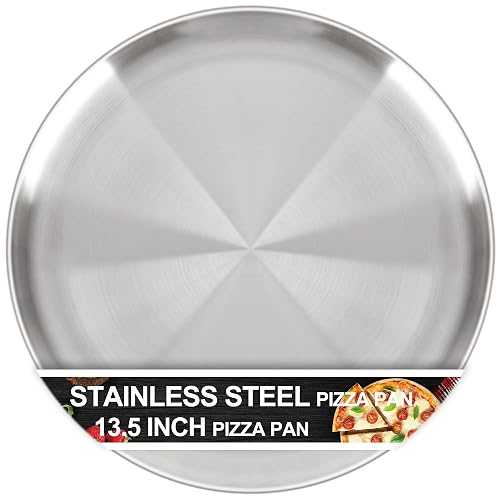
AWTBDP 13½ Inch Pizza Pan for Oven Nonstick Large Round Stainless Steel
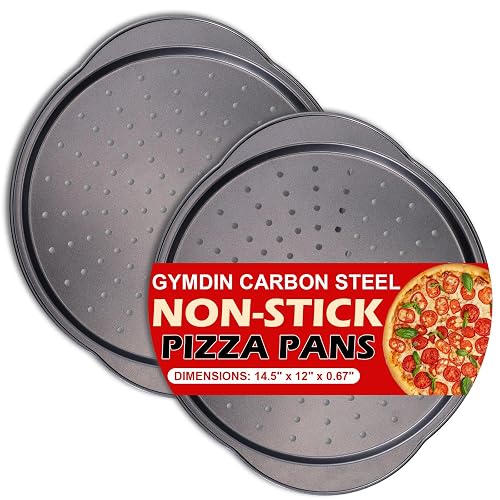
Gymdin 13 Round Pizza Pan for Oven 2 Pack

Chicago Metallic Deep Dish Pizza Pan Set of 4 7 Inch

ZOEHROWS 13 Inch Pizza Pan for Oven 2 Pack

TeamFar Pizza Pan 13.4 inch Stainless Steel Large Pizza Pan Tray

Yuiicaov Stainless Steel Pizza Pan 12 inch
More Details On Our Top Picks
DecorRack keeps things straightforward with a 13-inch round form and a two-pan set, so you can rotate pies or keep one as a serving tray. The alloy steel build gives it a more structured feel than thinner disposable-style pans, and the nonstick coating should make release and cleanup easier in a busy kitchen.
The trade-off is that nonstick surfaces ask for gentler utensils and storage care, especially around stacked cookware. For weekday pizzas, reheated slices, or a tray that can do double duty, this is a practical fit without much fuss.
Strong Points
- Two-pan set helps with back-to-back baking.
- 13-inch size suits common home oven pies.
- Nonstick finish reduces scraping after cheese and sauce.
- Alloy steel usually feels steadier than thin aluminum pans.
Points To Note
- Coated surfaces usually need softer tools to stay tidy.
- Round pans leave less room than sheet-style bakeware for side dishes.
Feature Snapshot
Who It Suits Best
Home cooks who want a simple, sturdy pan for regular pizza nights will get the most from this set.
A Better Fit Elsewhere
Gymdin 13 Round Pizza Pan for Oven 2 Pack suits you better when perforations matter more than a coated surface, especially for crisp-focused baking.
This AWTBDP set moves a little larger at 13.5 inches, so you get a bit more rim room for dough spread and toppings. Stainless steel usually appeals to cooks who want a plain, low-maintenance surface rather than a coated finish, and the two-pan pack helps with repeated baking.
In a family kitchen, that extra half inch can feel useful for slightly fuller pies or other round bakes. The honest read is that stainless steel does not promise the slickest release of the bunch, so lining habits and cleanup routine matter more here than they do on the nonstick DecorRack pan.
What We Like
- 13.5-inch diameter gives a touch more baking room.
- Two-piece pack suits repeat use without waiting.
- Stainless steel brings a clean, simple look.
- Useful for pizza, pies, and similar round bakes.
Worth Noting
- Uncoated steel usually asks for a little more cleanup attention.
- Large round pans can crowd small ovens.
- Surface release may depend more on your oiling habits.
Core Details
Who Will Love This
You’ll appreciate this set most in a home kitchen where a larger round pan and a simple steel surface both matter.
Another Choice May Suit
DecorRack 13 Inch Alloy Steel Pizza Pan 2 Pack is the easier fit for cooks who want a nonstick surface and don’t need the extra half inch.
Compared with the plain stainless AWTBDP pan above, this version adds a nonstick surface while keeping the same 13.5-inch footprint. That makes it a sensible middle ground for cooks who want easier release without moving away from a round steel tray.
The listing also points to a three-size set, which matters for homes that bake more than one portion style, from small cakes to pizza pies. You may find the broader set more useful than the single-task options, though storage space becomes part of the equation.
Highlights
- Nonstick finish lowers the hassle after baking.
- Large round format handles pizza and pie jobs.
- Three-size set supports more than one portion size.
- Useful for kitchens that want one family of pans.
Areas To Watch
- Multiple pieces take more cabinet room.
- Coated surfaces usually reward gentle utensils and cleaning.
- The broader set may be more than you need for simple weekly pizza nights.
Details At A Glance
The Right Fit
This suits you best if you want one pan family for pizza, cake, and pie work in a small home kitchen.
Where A Sibling Pick Shines
TeamFar Pizza Pan 13.4 inch Stainless Steel Large Pizza Pan Tray fits better for cooks who prefer a simpler single-pan setup with no coating to manage.
Gymdin goes in a different direction from the coated steel pans above, using carbon steel with holes in the surface. Those perforations let heat reach the base more directly, which usually matters to anyone chasing a drier, crisper bottom on a homemade pizza.
The built-in handle is the quiet convenience here, especially in a hot oven where a bare rim can feel awkward to grip. The catch is that perforated pans are more specialized, so they suit crust-focused cooking better than saucy casseroles or broad serving jobs.
Reasons To Buy
- Perforations support more direct heat flow to the crust.
- Handle improves grip during loading and removal.
- Two-pan pack helps with repeat bakes.
- Carbon steel usually feels sturdy in daily kitchen use.
Minor Gripes
- Holes make it less versatile for liquid-heavy dishes.
- Handle design may need a little extra cabinet space.
- Carbon steel often rewards careful drying after washing.
Feature Card
Best Suited To
You’re in the right lane with this set when crisp crust matters more than all-purpose flexibility.
Skip It When
DecorRack 13 Inch Alloy Steel Pizza Pan 2 Pack suits you better for serving, general baking, and a coated surface that’s less niche.
This Chicago Metallic set is built for smaller portions, and that changes the whole experience. Four 7-inch pans let you handle personal pizzas or a family night where everyone wants their own crust style, which is handy in a busy kitchen that doesn’t want one large pie to anchor dinner.
Perforated bottoms aim at better browning underneath, and heavy-duty carbon steel usually gives the pans a more serious feel than lightweight trays. The trade-off is obvious, though, because the 7-inch size is about portion control and variety, not one oversized round pie.
Positives
- Four-pan set suits individual servings.
- 7-inch format works well for personal pies.
- Perforated base helps bottom heat reach the crust.
- Carbon steel tends to feel sturdy over time.
- Handy for family pizza nights with different topping preferences.
Softer Spots
- Small size is not meant for large pizza night spreads.
- Perforated bottoms fit pizza work better than saucy baking.
- Multiple pans need more storage room than a single tray.
Core Details
Whose Shelf It Belongs On
This belongs in kitchens that make personal pizzas often and want every person to have a separate pan.
Look Elsewhere When
AWTBDP 13½ Inch Pizza Pan for Oven 2PCS Round Stainless Steel suits you better for larger shared pies and fewer individual portions.
ZOEHROWS blends two useful ideas in one tray, holes for more direct oven heat and silicone handles for easier handling. That combination makes sense for home cooks who want crispier results without giving up a little comfort when moving the pan.
The 14.8 by 13 by 1 inch listed size gives you a clearer sense of footprint than diameter alone, and that helps in tighter ovens. Compared with Gymdin, this pick leans harder into grip comfort, though the perforated style still points you toward pizza-first use.
Bright Spots
- Silicone handles make hot transfers easier to manage.
- Holes support a drier pizza base.
- Two-pan pack helps with repeat baking.
- Listed footprint is helpful for oven fit planning.
Things To Consider
- Perforated pans are less flexible for messy batters or sauces.
- Silicone parts can add bulk in storage.
- The shape is best suited to pizza and similar round bakes.
Quick Facts
Built With In Mind
You’ll get the most from this set in a home kitchen that wants grip comfort and crisp-crust support together.
Swap It Out When
TeamFar Pizza Pan 13.4 inch Stainless Steel Large Pizza Pan Tray makes more sense for a plain stainless tray without perforations or added handle bulk.
TeamFar keeps the formula simple: a 13.4-inch stainless steel tray with no coating language or specialty hardware to think about. That simplicity is useful for cooks who want a no-drama pan for pizza, reheating, or basic oven baking.
Compared with the perforated picks, this one is less specialized and easier to picture in a mixed-use kitchen. The honest read is that stainless steel often asks more from your technique than a nonstick coating, so a light oiling habit can matter.
Positives
- Simple tray shape works across several oven tasks.
- 13.4-inch size lands near common pizza territory.
- Stainless steel gives a clean, understated look.
- Good fit for kitchens that prefer basic cookware.
Small Caveats
- No specialty grip or perforation features for crust tuning.
- Stainless steel can ask for a little more release care.
- Round tray space is less flexible than a sheet pan.
Feature Rundown
Best Bits
This suits you best when you want a simple stainless tray for regular oven use and little extra hardware.
Reach For A Different Pick When
Gymdin 13 Round Pizza Pan for Oven 2 Pack is the stronger fit for crisp-minded pizza nights because its perforated surface changes how heat reaches the crust.
Yuiicaov is the smallest pan in this list at 12 inches, and that size can be a real advantage in compact ovens or for smaller portions. Stainless steel keeps the design plain, which suits kitchens that want one tidy tray instead of a heavy set of extras.
The listing notes a two-pack, so you get a bit more flexibility than the single-pan format suggests at first glance. Against the larger 13.5-inch and 13.4-inch picks, this one gives up some surface area, but it gains easier fit and simpler storage.
Positives
- 12-inch size works well in tighter ovens.
- Round steel shape stays simple and practical.
- Two-pan format adds flexibility for repeat cooking.
- Good choice for smaller pizzas or personal portions.
Honest Caveats
- Smaller surface area limits larger pizza builds.
- Stainless steel generally needs a little more care at release and cleanup.
- Less room for extra toppings than the larger pans here.
Feature Card
Who Should Grab It
You’re the best match for this set if your oven is small or your pizza nights lean toward personal-size portions.
Consider Something Else When
AWTBDP 13½ Inch Pizza Pan for Oven 2PCS Round Stainless Steel suits you better once you want more surface area for larger pies.
How To Choose The Right pizza dishes for oven
Material Changes The Pizza
Steel and carbon steel tend to feel firmer, which helps when you slide dough in and out of a hot oven. Stainless steel is simpler to maintain, but it usually asks for more oiling or lining discipline than a coated pan.
Perforated surfaces matter for crust-focused pizza because the holes let hot air reach the base more directly. That can help with browning, though it narrows the pan’s usefulness for pies, reheats, or messier batters.
Size Should Match Your Oven, Not Your Wish List
A 13-inch pan is the common middle ground, while 13.5-inch and 13.4-inch models give a bit more room for dough spread. A 12-inch pan fits tighter ovens better, and 7-inch personal pans serve a very different purpose.
Measure the oven cavity and think about storage too. A larger round pan may suit family pizza night, but a smaller tray can feel easier to handle in apartments, RV kitchens, or older ovens with less clearance.
Coating, Holes, And Handles Change Daily Use
Nonstick coatings help with release and cleanup, especially in busy kitchens where dinner needs to move fast. The trade-off is gentler care, since metal tools and rough stacking can shorten the neat look over time.
Handles and grip details matter more than they sound. They make hot transfers easier, though they also add bulk in a cabinet, and that’s worth considering before you settle on a pan with extra hardware.
Think In Use Cases, Not Just In Shape
Family cooks usually do best with a pair of 13-inch or 13.5-inch pans, because rotation and repeat baking become simpler. Personal-pizza households get more value from the Chicago Metallic 7-inch set.
For crisp crusts, Gymdin and ZOEHROWS make stronger sense than plain steel trays. For plain, everyday oven work, TeamFar and Yuiicaov are easier to live with.
What To Weigh Before You Click Through
Common Shopping Slip Ups
Many people focus on diameter alone and forget about oven clearance. A pan that sounds right on paper can feel awkward once you factor in oven racks, handles, or side clearance.
Another common miss is choosing a specialty pan for everyday cooking. Perforated bottoms are useful for pizza texture, but they are less versatile than a plain round tray for mixed oven jobs.
What The Higher Tier Buys
Higher-priced pans usually earn their keep through material thickness, extra pieces, handle design, or more exact surface treatment. Those details matter in a kitchen that sees pizza night every week, because they can make loading, cleaning, and repeat use feel less fussy.
The upgrade makes the most sense when you value a specific feature, not just a polished look. A perforated carbon-steel pan or a multi-size set can be worth it for focused use, while a simple stainless tray often covers basic needs well enough.
Frequently Asked Questions
Which material works best for pizza in the oven?
Carbon steel and alloy steel usually make the strongest case for sturdier handling and better heat response. Stainless steel remains a sensible choice when you want a simpler surface and easier day-to-day care.
Do perforated pans really matter?
They matter most for a drier crust and more direct bottom heat. They matter less for saucy dishes or anything that needs a flat, sealed base.
What size suits a standard home oven?
13-inch and 13.5-inch pans are the easiest middle ground for many kitchens. A 12-inch pan fits tighter ovens more comfortably, and 7-inch pans are better for personal portions.
Is nonstick worth it on pizza pans?
It helps when you want easier release and less cleanup after melted cheese or oily dough. The trade-off is a little more care during washing, stacking, and utensil use.
Should you choose a set or a single pan?
A set helps when you cook often, rotate multiple pies, or want backups on hand. A single pan makes more sense for occasional use and tighter storage space.
Final Thoughts
Your best pizza pan depends less on the label and more on how you cook at home. A coated steel pan makes weeknight cleanup easier, perforated carbon steel pushes toward crisp crusts, and stainless steel keeps things simple. Smaller pans suit compact ovens and personal portions, while 13-inch and 13.5-inch trays stay closer to family-pizza territory. Match the pan to your routine, and the whole process feels smoother.



