

Fresh pasta behaves better when it has room to breathe, and the right rack keeps strands separated without turning your counter into a tangle. You need different things depending on whether you make small weekend batches, shape long spaghetti, or want a rack that folds away fast in a crowded kitchen. The seven picks below cover bamboo, beechwood, plastic, and attachment-style designs, so you can match the tool to your routine instead of forcing your routine around the tool.
The Shortlist At A Glance

8SOM Bamboo Pasta Drying Rack 12 Bars
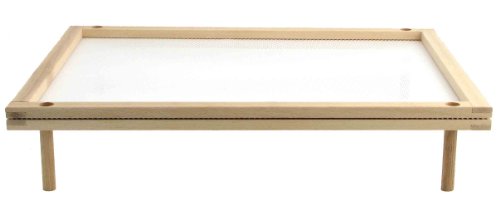
Eppicotispai Beechwood Stackable Food Dryer

KITCHENDAO Collapsible Pasta Drying Rack

KITCHENDAO Collapsible Pasta Drying Rack

Tinada Large Wood Pasta Drying Rack

KitchenAid KPDR Pasta Drying Rack Attachment

Eppicotispai Set of 2 Stackable Food Dryers
More Details On Our Top Picks
The bamboo frame gives this pick a warmer, more traditional feel than the plastic models below, and the 12-bar layout gives you room to spread strands out without crowding. The transfer wand matters more than it sounds, because moving delicate noodles by hand is where a lot of mess starts.
For home cooks who make fresh pasta often, the special rod angles help keep strands seated while they dry, which is a useful detail in a busy kitchen. The trade-off is storage, since a fixed upright rack asks for more cabinet or counter space than a collapsible design.
What We Like
- 12 bars give you plenty of hanging points for moderate batches.
- The transfer wand helps move pasta with less handling.
- Bamboo construction brings a solid, natural look to the counter.
- The angled rod layout helps pasta stay put during drying.
- Works well for cooks who want a dedicated drying station.
Points To Note
- Its upright shape takes more storage room than fold-flat models.
- Wood finish usually asks for gentler cleaning than plastic parts.
- The larger footprint can feel bulky in narrow prep areas.
Technical Sheet
Who It Suits Best
Home pasta makers who want a dedicated wooden drying station with a little more handling control will get the most from it.
Where A Sibling Pick Shines
KITCHENDAO Collapsible Pasta Drying Rack suits you better in a tight kitchen where storage space matters more than a fixed frame.
This beechwood rack leans into a simple, airy layout, and that matters when you want pasta or other kitchen items to dry without stacking them in a shallow tray. The net and open structure help air move around the food, which is the whole point of a drying frame.
Compared with the 8SOM bamboo pick, this one feels more like a multi-use food dryer than a pasta-only stand. Hand-wash care is the realistic trade-off, so it suits kitchen setups where a little extra maintenance is acceptable.
Highlights
- Beechwood frame gives it a classic, kitchen-friendly look.
- Open holes support airflow above and below the food.
- The net broadens use beyond pasta in everyday cooking.
- Good fit for people who dry ravioli, herbs, or produce.
Small Caveats
- Wood care is gentler than with fully plastic options.
- The stackable format adds pieces to store and keep track of.
- It asks for a little more setup awareness than a fixed stand.
Feature Snapshot
Who Will Love This
You get the most from it when you want a wood-and-net dryer for pasta plus other drying jobs around the kitchen.
Another Choice May Suit
Eppicotispai Set of 2 Stackable Food Dryers fits you better when you want a taller two-tier setup for larger drying sessions.
Space-saving design is the main draw here, and for a smaller kitchen that usually matters more than a decorative frame. The collapsible body and rotatable arms make it easier to set up, dry, and put away without leaving a permanent footprint on the counter.
Compared with the wooden racks in positions 1 and 2, this one is more about convenience than tradition. The detachable build also suits cleanup routines that favor quick rinsing or dishwasher use, although moving parts can feel less substantial than fixed wood.
Reasons To Buy
- Collapsible design is useful in tight storage spaces.
- Rotating arms make noodle placement less awkward.
- Eight rods give you a practical drying surface for home batches.
- Detachable parts make cleanup simpler after pasta night.
Areas To Watch
- Plastic construction may not feel as substantial as wood.
- Movable parts can add a little extra handling during setup.
- The compact form is less suited to very large batches.
Core Details
Built With In Mind
This fits cooks in smaller kitchens who want a drying rack that disappears after use.
Swap It Out When
KitchenAid KPDR Pasta Drying Rack Attachment suits you better if your mixer setup already anchors most of your pasta workflow.
This version of KITCHENDAO’s foldable rack focuses on quick setup and storage-first convenience, so it suits kitchens that get cleared off between tasks. Rotating arms help the strands separate cleanly, which is handy when you make pasta on a weeknight and don’t want extra fuss.
Compared with the other KITCHENDAO model above, the shared appeal is still compact storage, but the wording here points more clearly toward fast assembly and easy breakdown. The honest read is that you’re paying for convenience more than ornament, and that’s a fair trade in a busy home.
Bright Spots
- Quick setup suits cooks who want less prep around the rack.
- Rotary arms support easier spacing of long noodles.
- Foldable body makes the rack easy to park in storage.
- Detachable design helps with cleanup after repeated use.
Worth Noting
- Plastic construction keeps the feel practical rather than premium.
- The compact build is better for standard home batches.
- Moving parts may need a little care during assembly.
Details At A Glance
Right Fit For
You’ll like this most if you make pasta often enough to value speed, but not so often that you need a heavy-duty station.
Look Elsewhere When
Tinada Large Wood Pasta Drying Rack suits you better if you want a larger wooden frame with a more substantial presence.
This Tinada rack reads like the batch-friendly option in the group, with 9 long arms and a wooden frame that feels better suited to fuller pasta sessions. The longer arm length matters for strands that need more hanging room, especially in homes where fresh spaghetti shows up in larger amounts.
Compared with the KITCHENDAO foldables, this one gives you a more traditional wooden setup and less folding convenience. You may find the fixed style more reassuring once it’s on the counter, though it does ask for a bit more storage space than a collapsible plastic rack.
Best Bits
- Long arms help separate strands more comfortably.
- Wood construction gives it a sturdy, familiar kitchen feel.
- Good fit for larger homemade pasta batches.
- The upright format supports an organized drying workflow.
Room For Improvement
- It needs more storage room than fold-flat designs.
- Wood care is a little less casual than plastic cleanup.
- The larger frame may feel oversized in compact kitchens.
Feature Rundown
Whose Shelf It Belongs On
This belongs with home cooks who make larger pasta batches and want a wood rack with room to spare.
Reach For A Different Pick When
Eppicotispai Beechwood Stackable Food Dryer suits you better if you want a wood drying setup that can handle more than pasta.
This one only makes sense for a KitchenAid household, and that narrow fit is exactly why it earns a spot. The attachment format keeps the drying step close to the mixer workflow, so you’re not moving fresh pasta from one station to another any more than necessary.
It folds flat for storage and needs assembly without tools, which keeps the ownership side straightforward. The honest trade-off is that it’s far less versatile than the freestanding racks above, so it suits a very specific setup rather than a general kitchen.
Strong Points
- Designed for a mixer-centered pasta workflow.
- Flat-fold storage helps keep cabinets organized.
- Tool-free assembly keeps setup simple.
- Up to 4 lbs gives it useful capacity for home batches.
Minor Gripes
- It only fits the right KitchenAid setup.
- The attachment format is less flexible than standalone racks.
- Best suited to homes that already own the mixer system.
Core Details
Best Suited To
You’ll get the most out of this attachment if your pasta routine already runs through a KitchenAid mixer.
Skip It When
KITCHENDAO Collapsible Pasta Drying Rack works better if you want a standalone rack that moves between kitchens or storage spots more easily.
Two separate dryers that become one two-tier rack give this Eppicotispai set a lot of flexibility for the space it asks for. The beechwood frame and food-contact net work together to support airflow, which is useful when your drying needs go beyond a single batch of pasta.
Compared with the single-tier Eppicotispai model, this one is the better fit for cooks who want more vertical capacity without switching to a bulky stand. Assembly is part of the picture, so it suits kitchens where a little setup time is a fair exchange for extra drying room.
Upsides
- Two-tier setup gives you more drying space in one footprint.
- Beechwood frame feels solid and familiar on the counter.
- Food-contact net supports pasta and other kitchen items.
- Square mesh structure helps air move through the layers.
Softer Spots
- Assembly is part of the ownership experience.
- The net-and-post format adds pieces to manage.
- Stacked height may feel much larger than a single tray.
Feature Card
The Right Fit
This suits you best when you dry more than pasta and want a stacked setup that handles multiple layers.
Where A Sibling Pick Shines
Eppicotispai Beechwood Stackable Food Dryer suits you better if you want a simpler single-tier setup with less assembly.
How To Choose The Right pasta drying racks
Start With Batch Size And Pasta Shape
The first question is how much pasta you usually make in one session. Long spaghetti and fettuccine need more hanging length and spacing than short shapes, so a rack with longer arms or more bars makes daily use easier.
Smaller batches work fine on compact foldable racks, especially in apartments or kitchens where every inch matters. Bigger weekend sessions benefit from wider frames or tiered designs, because crowding strands together slows the whole process.
Match The Material To Your Routine
Bamboo and beechwood bring a traditional look and a firmer feel on the counter. They suit cooks who want a more permanent kitchen tool and don’t mind gentler cleaning and a little more care.
Plastic models usually win on convenience, especially for storage and cleanup. The trade-off is that they feel less substantial, so they’re better for practical home use than for anyone chasing a decorative centerpiece.
Think About Storage And Setup Time
Fold-flat racks matter more than they sound, particularly in small kitchens that need the counter cleared fast. Collapsible arms and detachable parts shorten the cleanup path too, which helps when pasta night ends in a hurry.
Fixed racks and attachments make sense when they stay near the same prep station. They ask for more space, but they also tend to feel steadier once set up.
Choose Capacity With Real Use In Mind
Capacity numbers only help when they match your actual cooking habits. A 4 lb or 5 lb limit is useful for home batches, while a wider multi-tier setup makes more sense for cooks who often dry pasta and other foods at the same time.
That’s the real split in this category, convenience versus scale. The best match is the rack that fits your counter, your storage, and the amount of pasta you actually make.
What To Weigh Before You Click
Wrong Turns To Avoid
One common mistake is choosing a rack for looks alone. A wooden frame can be attractive, but it still needs enough bars, arm length, and clearance for the noodles you make most often.
Another misstep is ignoring cleanup and storage. A drying rack that folds flat or detaches cleanly can save space and frustration later, especially in a kitchen that does double duty.
What The Upgrade Pays For
Higher-tier racks usually cost more because they bring better materials, more structure, or more versatile layouts. Beechwood, transfer tools, stackable frames, and mixer-specific attachments all add engineering or convenience that simpler racks don’t provide.
That upgrade makes sense when you dry pasta often, cook in larger batches, or want one tool to handle more than a single task. For occasional use, a simpler collapsible model is usually enough.
Closing Thoughts
The best pasta drying racks are the ones that fit your kitchen space and your cooking rhythm, not just the ones with the most bars or the longest product names. If you want a traditional station, the wooden picks stand out, while the collapsible KITCHENDAO models make more sense for tighter storage. For KitchenAid homes, the attachment is the most specific match of the group. Choose the shape that fits how you actually make pasta, and the rest gets easier.
