

For parties that run from casual snacks to a full grazing spread, the right tray keeps serving neat and the table easy to read. You need shapes that separate olives from dips, lids that help with transport, and materials that suit either a polished dinner setup or a laid-back buffet. The eight picks below cover porcelain, plastic, and acacia wood, so you can match the tray to the way you actually host.
Quick Look At The Shortlist

Sweese Porcelain Divided Serving Dishes
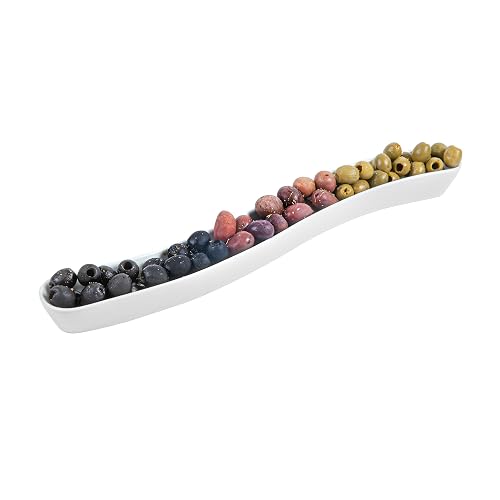
Restaurantware Swerve 14 Ounce Olive Plate
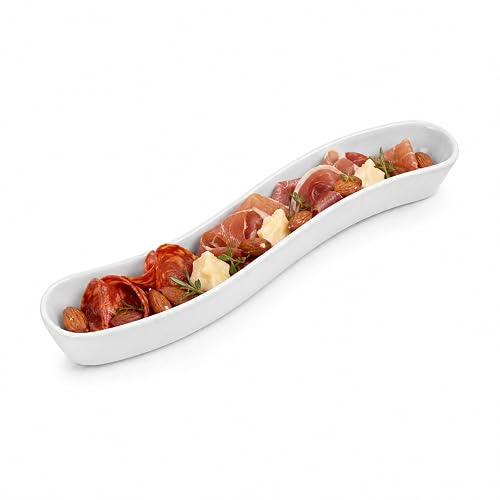
Restaurantware Swerve 10 Ounce Olive Plate

mwellewm 10 Pcs Round Plastic Appetizer Tray with Lid
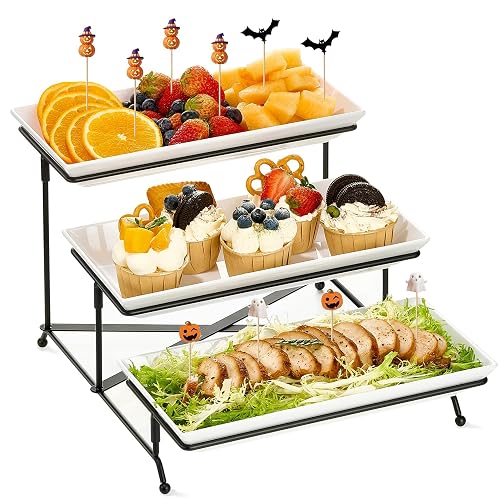
Mfacoy 3 Tier Serving Tray Set 12 Inch
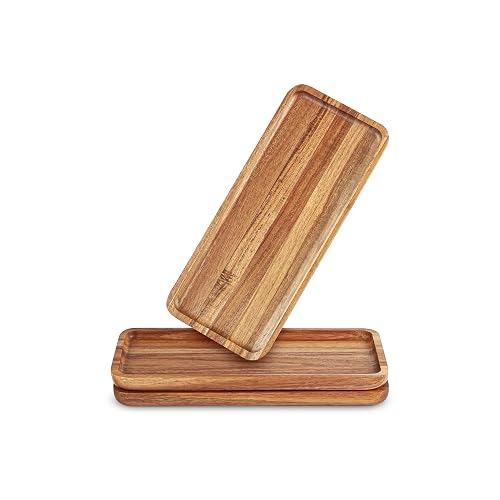
Anyvape 3 Pack Acacia Wood Charcuterie Cheese Trays 11.8×5.1in
Anyvape 3 Pack Acacia Wood Charcuterie Cheese Trays 14×5.5in

Anyvape Resin Inlay Acacia Charcuterie Cheese Trays 3 Pack 14×5.5 in
More Details On Our Top Picks
Divided porcelain earns its keep at a crowded snack table, because separate wells keep olives, dips, and crunchy sides from running together. Compared with the curved Restaurantware pieces later in this list, the Sweese layout feels more like a small organizer than a single-serving plate, which helps in family-style service.
White porcelain also fits formal settings without looking precious, and it usually wipes clean quickly after a long evening of grazing. The trade-off is simple: porcelain wants a bit more care than plastic, so it suits hosts who value presentation and don’t mind a breakable piece on the table.
What We Like
- Divided wells help keep salty and creamy foods apart.
- Porcelain gives your spread a cleaner, more polished look.
- Works for olives, dips, vegetables, candy, and small snacks.
- Useful for serving several guests without mixing flavors.
Things To Consider
- Porcelain needs more careful handling than plastic in a busy room.
- Its shape favors serving, not packed storage.
Feature Snapshot
Who It Suits Best
Hosts who want a tidy porcelain serving piece for mixed snacks and a cleaner table presentation will get the most from this one.
Where A Sibling Pick Shines
mwellewm 10 Pcs Round Plastic Appetizer Tray with Lid suits buffet setups or travel-heavy hosting better, especially when covered transport matters more than porcelain presentation.
This curved porcelain tray is the smallest-footprint choice in the group, and that matters on a packed buffet or a narrow sideboard. The 14-ounce capacity is better suited to modest olive portions or a few condiments, so it feels more focused than the Sweese divided dish.
Dishwasher-safe porcelain brings a practical edge for repeated party use, though the narrow canoe shape asks for a steadier hand while loading and carrying. For small gatherings, the honest read is that it delivers tidy serving without occupying much table space.
Positives
- Curved shape keeps the serving area compact.
- Small size works well for olives and condiments.
- Porcelain suits a clean, plain table setup.
- Dishwasher-safe construction helps after hosting.
Worth Noting
- The size feels limited for larger snack spreads.
- Narrow styling leaves less room for loose garnishes.
- Porcelain still calls for careful handling during cleanup.
Technical Sheet
Built With In Mind
You benefit most from this tray when you serve small olive portions, condiments, or a few appetizers on a tight surface.
Another Choice May Suit
Sweese Porcelain Divided Serving Dishes fits better for hosts who want separated compartments and a more flexible layout for mixed snacks.
Compared with the 14-ounce Restaurantware tray, this 10-ounce version leans even smaller and feels better for restrained servings. That tighter capacity makes sense for an intimate dinner, a cocktail tray, or one garnish-heavy appetizer where you want the plate to stay visually clean.
Its porcelain build keeps the look consistent with the rest of the Swerve line, which helps if you like matching serveware. The trade-off is predictably less room, so it suits careful portioning more than a wide assortment of nibbles.
Highlights
- Very compact footprint for small tables.
- Works well for olives, condiments, and light bites.
- Porcelain gives the tray a polished, neutral look.
- Useful when you want a simple single-serve presentation.
Areas To Watch
- Less capacity than the 14-ounce Swerve tray.
- Not the right fit for larger appetizer assortments.
- The slim shape leaves little extra landing space.
Core Details
Right Fit For
Minimal setups, smaller households, and hosts who like a clean single-serving tray will get the most out of this one.
Swap It Out When
Restaurantware Swerve 14 Ounce Olive Plate suits you better when you want a little more serving room without leaving the same porcelain family.
This is the party-friendly outlier in the set, because the lid changes how you use it. Instead of sitting only on the serving table like the porcelain trays, these round plastic containers make sense for prep, transport, and stackable storage before guests arrive.
The black finish and divided layout give it a practical, no-fuss look, and the 13.7 by 13.7 by 2 inch size leaves enough room for snacks or produce without feeling oversized. The trade-off is clear, though, since disposable-style plastic rarely carries the same table presence as porcelain or wood.
Best Bits
- Lid helps with carryout and storage.
- Divided layout supports mixed snack assortments.
- Ten-piece count suits larger party prep.
- Black color keeps the look tidy and simple.
Small Caveats
- Plastic presentation feels less formal than porcelain or acacia.
- Disposable-style use may not suit every host.
- The shape focuses on utility more than display.
Feature Rundown
Whose Shelf It Belongs On
Busy hosts who prep ahead, transport food, or want covered snack trays for casual gatherings will find this set especially practical.
Look Elsewhere When
Sweese Porcelain Divided Serving Dishes is a better match for a table-first presentation where material finish matters more than lids.
Once your spread needs height, the Mfacoy set changes the whole table profile. The tiered layout works well for veggie sticks, fruit, or dessert bites, and the collapsible stand with cross bars gives it a more deliberate serving stance than the flat trays earlier in the list.
You may find it especially useful for buffet tables where surface space is tight but presentation still matters. The trade-off is assembly and storage, since tiered pieces ask for more setup than a single porcelain dish, but that also gives you a more organized vertical display.
Reasons To Buy
- Three-tier format helps you serve upward instead of outward.
- Cross bars add a steadier feel for buffet use.
- Reusable construction suits repeated party setups.
- Collapsible stand makes storage more manageable.
Room For Improvement
- Setup takes longer than a flat tray.
- Tiered styling suits display better than quick solo snacks.
- More parts mean more storage planning.
Details At A Glance
The Right Fit
You suit this tray set best when you want a layered buffet display for varied party foods and you’re fine with a bit of setup.
A Better Fit Elsewhere
Restaurantware Swerve 14 Ounce Olive Plate suits simpler olive service better if your table needs a compact single-piece tray rather than a tiered centerpiece.
Acacia wood changes the mood fast, because the grain adds warmth that porcelain can’t mimic. This 3-pack is the smaller wood option here, so it suits intimate cheese boards, olive pairings, or individual snack plates without taking over the table.
At 11.8 by 5.1 inches, each tray stays easy to place on a coffee table or sideboard, and the solid wood construction gives it a more substantial feel than disposable plastic. The honest read is that wood looks more inviting, but it also asks for a bit more care than smooth ceramic surfaces.
Upsides
- Natural acacia finish gives the spread a warmer look.
- Three trays help separate serving moments.
- Slender size works well in smaller hosting spaces.
- Simple shape adapts to cheese, olives, and snack assortments.
Softer Spots
- Wood needs more mindful cleaning than porcelain.
- Shorter format gives you less serving length than the 14-inch version.
- Decorative look may feel too relaxed for formal setups.
Key Specs
Who Should Grab It
You benefit most from this set when you like smaller wood boards for olives, cheese, and relaxed party service.
Reach For A Different Pick When
Anyvape 3 Pack Acacia Wood Charcuterie Cheese Trays 14×5.5in fits better for longer spreads that need more surface length per tray.
This version keeps the same acacia character as the smaller set, but the longer 14 by 5.5 inch format changes how you plate food. That extra length is useful for longer rows of olives, sliced cheeses, or a more deliberate charcuterie layout on a party table.
Compared with the 11.8-inch Anyvape set, this one gives you more horizontal room without losing the natural wood look. You may find it the better option for larger gatherings, though the bigger footprint also asks for more storage space.
Bright Spots
- Longer board shape suits wider spreads.
- Acacia wood keeps the presentation warm and natural.
- Three-pack setup helps with multi-zone serving.
- Useful for cheese, olives, fruit, and crackers.
Points To Note
- Longer trays need more cabinet or shelf room.
- Wood surfaces call for more careful cleaning.
- Better for display than fast grab-and-go serving.
Core Details
Made For
You suit this tray set best when your party spread needs more length and you like the look of wood on the table.
Consider Something Else When
Restaurantware Swerve 10 Ounce Olive Plate fits better for very small olive servings where a compact porcelain tray makes more sense.
The resin inlay detail is the visual hook here, and it gives the acacia trays a more decorative edge than the plain wood version above. For a party table that needs a little more style, that extra detail can matter as much as the tray shape itself.
Because the board still uses solid acacia wood, you get the same natural-serving feel with a more finished appearance. The trade-off is that the decorative look will suit some rooms better than others, so this one makes the most sense when your setup leans toward presentation.
Standout Traits
- Resin inlay adds a more distinctive table look.
- Three-tray pack lets you spread items across the room.
- Acacia base keeps the boards grounded and natural.
- Works for cheese, olives, and small grazing boards.
Minor Gripes
- Decorative styling may feel too specific for plain setups.
- Wood and resin both benefit from careful cleaning.
- The 14-inch length needs a reasonable amount of storage room.
Feature Card
Whose Shelf It Belongs On
You fit this pick best when presentation matters and you want your olive or cheese trays to feel decorative without losing the warmth of wood.
Skip It When
Anyvape 3 Pack Acacia Wood Charcuterie Cheese Trays 14×5.5in is the simpler match for hosts who prefer plain wood and less visual detail.
How To Choose The Right olive trays for party
Material Sets The Tone
Porcelain suits tables that need a clean, formal look, and it usually pairs well with olives, dips, and small composed bites. Wood brings warmth and a more relaxed feel, which helps at grazing tables or kitchen counters, while plastic focuses on transport and convenience instead of display.
That difference matters because the material changes both the mood and the upkeep. Porcelain is easiest to serve from, wood feels more handcrafted, and plastic is the practical answer for prep-heavy hosts.
Size Should Match The Spread
Small curved plates work for restrained olive servings or condiments, while divided dishes handle multiple snack types without mixing flavors. Longer wood boards give you room for neat rows of cheese, crackers, or olives, and tiered trays are better when table space runs out.
A tray that is too small creates clutter, while one that is too large can overpower a modest setup. Match the footprint to the number of guests and the amount of food you actually put out.
Portability And Cleanup Change The Experience
Lids, stackable shapes, and lighter materials help when food moves from kitchen to patio or car. That is where the mwellewm plastic set makes sense, while porcelain and wood stay better for the final serving table.
Cleanup matters just as much as presentation, especially after a long evening. Smooth porcelain tends to wipe down with less fuss, while wood asks for gentler handling and more thoughtful storage.
What To Weigh Before You Choose
Common Shopping Slip Ups
One common miss is choosing a tray for looks without checking how much food it can actually hold. Another is forgetting the service style, since a flat porcelain dish and a covered plastic tray do very different jobs.
Storage matters too. A tiered stand or long wood board can be awkward in a small cabinet, so measure the shelf before you settle on a shape.
The Upgrade Payoff
Higher-tier trays usually cost more because the materials, finish, and presentation work harder for you. Acacia wood, resin inlay detail, and sturdier tiered frames each add refinement or structure that plain plastic cannot match.
That extra spending makes sense for frequent hosting, dinner parties, or any table where presentation carries weight. Casual snack duty does not always need that upgrade, which is why the simpler porcelain and plastic picks stay useful.
Frequently Asked Questions
What makes a tray better for olives than a normal plate?
Divided sections or a curved shape help keep olives from sliding around or mixing with other foods. That also makes serving look tidier on a crowded table.
Is porcelain a good choice for party use?
Yes, porcelain suits party tables well because it looks clean and handles repeated serving with ease. The trade-off is that it needs more careful handling than plastic.
Are wood trays hard to maintain?
Wood trays are not difficult, but they do need gentler cleaning than smooth ceramic. You also need a little more storage care to keep the surface looking good.
Do lids matter for serving trays?
Lids help when food needs to move before guests arrive or when you want to stack prepared trays in the fridge. They matter less for a formal table display.
What size works best for a small gathering?
A compact porcelain plate or a shorter wood board usually feels right for a small group. Larger tiered trays can overwhelm the table unless you have several different foods to serve.
Closing Thoughts
The best olive trays for party use depend on how you host, not just how the tray looks in a photo. Porcelain suits neat table service, plastic helps with transport and prep, and acacia wood brings a warmer, more decorative feel. Smaller trays work well for olives and condiments, while tiered or longer boards earn their place when the spread grows. Choose the shape that fits your table, your cleanup routine, and the way you actually serve.



