

You want a cutting board that fits the way you prep, carve, and serve, not just a slab that looks good on a product page. This roundup focuses on maple wood for cutting board use, plus a few closely related wood options where size, grain, and build make a real difference in daily kitchen work.
The mix below spans single boards, reversible designs, butcher-block style pieces, and unfinished board stock for custom projects. That gives you a clear path whether you cook every day, host often, or build boards for your own shop.
Quick Look At The Shortlist
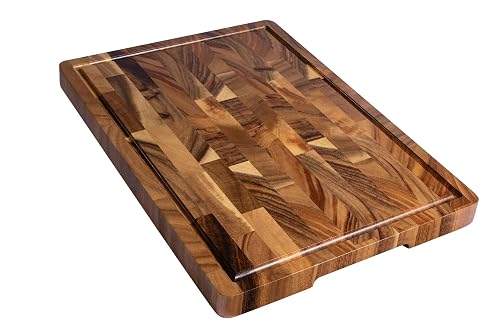
thetchry Walnut End Grain Cutting Board
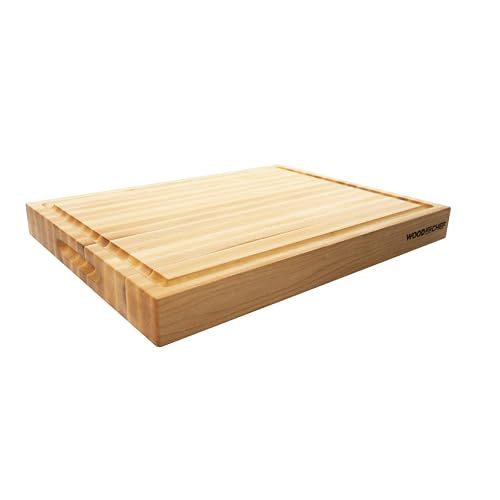
WoodForChef 16-Inch Classic Maple Reversible Cutting Board
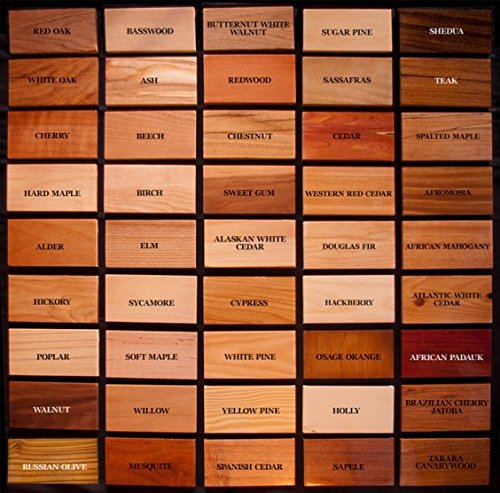
Woodchucks Wood Maple, Walnut, Cherry Board Pack of 18

Barrington Hardwoods Domestic Variety Pack 15Pcs
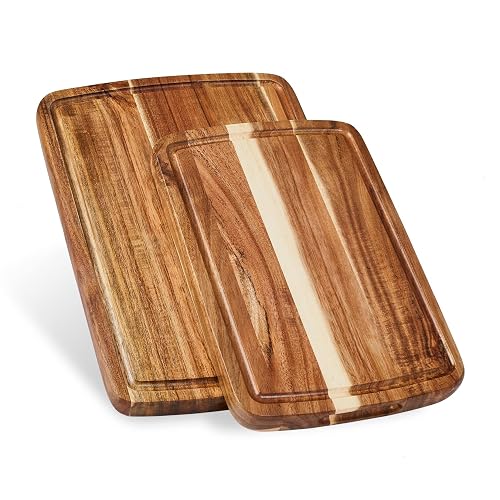
Sonder LA Doheny Duo Acacia Board Set
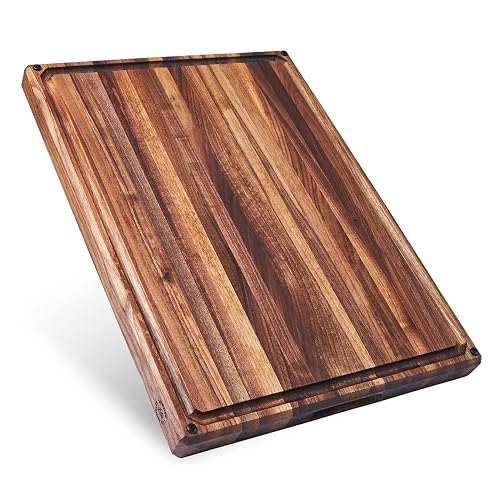
Sonder Los Angeles Franklin Walnut Cutting Board
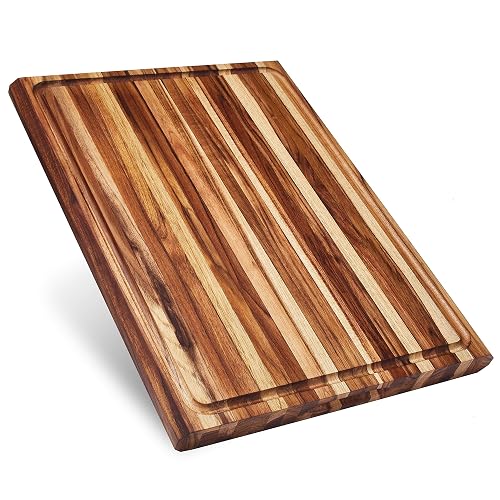
Sonder Los Angeles Highland Teak Extra Large Cutting Board
More Details On Our Top Picks
This walnut board leans toward presentation as much as prep, thanks to the end-grain build, juice groove, and handle cutout. For a busy kitchen that also hosts, that mix makes sense, since the same surface can move from chopping station to serving board without feeling out of place.
The 16.5 by 11.6 by 0.8-inch size gives you a work area that fits on most counters without swallowing them, though it’s not the board you’d choose for huge roasts. The gift box adds a tidy touch for gifting, and the butcher-block style profile suits home cooks who want a sturdier look than a thin plastic board.
Strong Points
- End-grain construction is a solid match for knife-friendly prep.
- Juice groove helps keep carving liquids off the counter.
- Handle makes it easier to carry to the table.
- Walnut brings a darker, more formal serving look.
Things To Consider
- Smaller than the oversized boards later in the list.
- The serving style leaves less room for very large prep jobs.
- Wood care matters, so regular drying and oiling habits help maintain the finish.
Feature Snapshot
Who Will Love This
Home cooks who want a serving-ready board with a polished look get the most from it.
Where A Sibling Pick Shines
WoodForChef 16-Inch Classic Maple Reversible Cutting Board suits you better when maple is the priority and a reversible layout matters more than presentation.
This maple board is the cleanest fit in the lineup for plain daily prep, especially if you want one board that can chop on both sides. The deep juice groove adds practical spill control, and the side handles make it easier to move from counter to sink or table.
Compared with the walnut board above, this one is more straightforward and less about serving drama. That makes it useful in a home kitchen where function comes first, and the reversible layout gives you a little more flexibility during a busy dinner routine.
What We Like
- Maple is a familiar, dependable choice for routine prep.
- Reversible design gives you two usable sides.
- Deep groove helps catch liquid from carving and fruit work.
- Side handles make it simpler to lift and reposition.
Worth Noting
- It is less showy than the walnut and teak boards later on.
- Reversible boards still need regular drying on both faces.
- Large roasts may suit a bigger board better.
Core Details
The Right Fit
Home cooks who prep meat, fruit, and vegetables every week will appreciate the practical layout.
Another Choice May Suit
Sonder Los Angeles Franklin Cutting Board fits you better when you want a thicker, heavier walnut board with more countertop presence.
This is the craft-supply entry in the group, not a finished board. The pack of 18 in maple, walnut, and cherry gives you material for custom cutting boards, small woodworking projects, or practice pieces for glue-ups and layout work.
That mix is useful for makers who want to match tones or build contrast into a finished board. It’s a different lane from the ready-to-use picks above, and the trade-off is obvious: you get project stock, not an instant kitchen solution.
Highlights
- Three wood species give you more design flexibility.
- Pack format works well for multiple small projects.
- Useful for makers who want matched or contrasting grain.
- Good starting point for custom cutting board work.
Small Caveats
- You still need tools, glue, and finishing steps.
- It does not serve the home cook who wants a ready board.
- Project stock takes more planning than a finished slab.
Details At A Glance
Built With In Mind
Woodworkers, craft hobbyists, and shop-based board makers get the clearest benefit here.
A Better Fit Elsewhere
WoodForChef 16-Inch Classic Maple Reversible Cutting Board suits kitchen use better when you want a finished board instead of material stock.
Think of this one as compact stock for small builds, not a full-size kitchen board. The 5 maple, 5 walnut, and 5 cherry pieces give you a neat mix for shop projects, especially where consistent dimensions matter more than huge slab width.
Compared with the Woodchucks Wood pack, this set is narrower and easier to picture in a repeat-build workflow. Makers who build smaller boards, inserts, or accent strips may find the 12-inch length more convenient than a larger assortment.
Upsides
- Three domestic species simplify mixed-wood design work.
- Uniform sizing helps with repeat cuts and planning.
- Shorter length can suit compact shop setups.
- Works well for accents, inlays, and smaller board builds.
Areas To Watch
- The 2-inch width is narrow for larger board layouts.
- Like other stock packs, it asks for extra workshop time.
- It is more useful to makers than to kitchen-only shoppers.
Technical Sheet
Whose Shelf It Belongs On
Your shop shelf, especially if you make small boards or decorative kitchen pieces.
Look Elsewhere When
Sonder LA Doheny Duo Small Acacia Wood Cutting Board Set suits you better for a ready-to-use kitchen pair.
This two-board set makes sense in a kitchen where counter space is tight but you still want a wood surface with some presence. The 14 by 10 by 1-inch and 12 by 8 by 1-inch boards give you a practical split between everyday chopping and smaller tasks like fruit, herbs, or sandwich prep.
Acacia has a different visual character from maple, and the built-in handles plus juice groove make the pair easier to move and use. You may find the smaller board gets the most action on weeknights, while the larger one earns its keep on meal-prep days.
Bright Spots
- Two sizes cover both quick jobs and fuller prep sessions.
- Thicker build helps the boards feel more substantial.
- Built-in handles improve lift and carry control.
- Gift box presentation suits housewarming use.
- Compact footprint works well in tighter kitchens.
Room For Improvement
- Acacia looks distinct from maple, so the tone is less uniform.
- Two separate boards mean more cabinet space than one single slab.
- Wood care still matters for long-term finish upkeep.
Spec Overview
Best Suited To
Apartment kitchens, compact countertops, and homes that want a matched board pair.
Swap It Out When
WoodForChef 16-Inch Classic Maple Reversible Cutting Board works better when you want a single maple board with a reversible layout.
This is the board you notice before you even start chopping, mostly because the 20 by 15 by 1.5-inch size brings real counter presence. The non-slip feet matter in a normal home kitchen, since a heavier board that stays put feels calmer during slicing, carving, and transfer work.
Unlike the smaller picks, this one gives you room to stage ingredients without crowding the edge. The reversible layout, juice groove, and built-in handles make it a strong fit for cooks who prepare larger meals and want one board that can handle a full session.
Best Bits
- Large surface gives you space for bigger prep sequences.
- Non-slip feet help the board stay planted.
- Reversible use adds useful flexibility.
- Walnut finish brings a refined, dark appearance.
- Built-in handles help with movement despite the size.
Softer Spots
- Its size and 10.3-pound build need more storage room.
- The footprint can feel oversized on small counters.
- Heavier boards are less convenient for frequent lifting.
Feature Rundown
Who Should Grab It
Home cooks who prep large meals, carve often, or want a heavy walnut board with real counter stability.
Where Shoppers Go Wrong
Sonder LA Doheny Duo Small Acacia Wood Cutting Board Set suits you better when counter space is tight and a lighter two-board setup works better.
The teak board goes straight into oversized territory, with a 23 by 17 by 1.5-inch surface that suits big prep days and grill-side work. For backyard cooks or anyone doing bulk chopping, that extra width feels useful rather than decorative.
Compared with the Franklin walnut board, this one stretches farther across the counter and gives you more room around the knife. The juice groove and built-in handles stay practical, while the gift box and heavy-duty BBQ framing make sense for serious kitchen use with a little visual polish.
Reasons To Buy
- Extra-large surface is useful for batch prep and carving.
- Teak adds a warm, familiar hardwood look.
- Built-in handles help with a board of this scale.
- Juice groove supports messy cuts and resting meat.
- Works well for grill stations and outdoor serving setups.
Honest Caveats
- The large footprint needs generous counter or storage space.
- At 13 pounds, it is not a board you move casually.
- Oversized boards are less convenient for quick weekday prep.
Quick Facts
Whose Shelf It Belongs On
Your shelf, especially you cook for a crowd, grill often, or want a large board for serving and carving.
Reach For A Different Pick When
Sonder Los Angeles Franklin Cutting Board suits you better when you want a large walnut board that feels a bit easier to manage indoors.
What To Weigh Before You Choose
Mistakes Worth Dodging
Board size comes first, because a compact maple board can feel tidy in a small galley kitchen while a 23-inch slab quickly dominates the counter. Grain style matters too, since end-grain boards, like the thetchry walnut pick, suit a more premium feel, while edge-grain boards keep the profile simpler and often easier to live with.
Pay attention to juice grooves, handles, and reversible layouts. Those details sound minor until you’re carving roast chicken or moving a wet board to the sink.
The Upgrade Payoff
Higher-tier boards usually spend more on thickness, weight, and finishing work. That shows up in stability, a fuller cutting surface, and a board that stays planted during longer prep sessions.
You also pay for design extras such as non-slip feet, deep grooves, and better carrying cuts. For frequent home cooking, that extra material often makes daily use feel steadier and less fussy.
Frequently Asked Questions
Is maple a good wood for a cutting board?
Maple is a classic cutting-board wood because it offers a familiar, kitchen-friendly feel. It fits everyday prep without looking overly rustic or overly polished.
Do thicker boards make a real difference?
Thicker boards usually feel more stable and substantial on the counter. They also tend to suit serious prep sessions better than thin, lightweight boards.
What does end grain mean?
End grain means the knife meets the wood fibers at the ends rather than across the face. That construction is often chosen for a more premium feel and a softer cutting surface.
Why choose a reversible board?
A reversible board gives you two usable faces, which helps with task separation. It also stretches the value of a single board when you prep often.
What size works best for a home kitchen?
Most home kitchens do well with a mid-sized board around the 16-inch class. Larger boards suit heavy meal prep, while smaller sets work better in tight spaces.
Closing Thoughts
Maple wood for cutting board use makes the most sense when you want a balanced, familiar work surface that handles daily prep without overcomplicating the kitchen. For a simple all-rounder, the WoodForChef board is the clearest fit, while the Sonder boards step up in size, weight, and presence as your cooking gets more serious. Makers and shop users can take the stock packs instead, which changes the job from meal prep to custom build work. Choose the board that matches your counter space first, then let the rest follow.