

Japanese knives reward a steady hand and the right abrasive, so the wrong sharpener can do more harm than help. You need a match for blade angle, edge style, and how much control you want over each pass. This roundup focuses on sharpeners that fit real kitchen routines, from quick touch-ups before dinner to slower stone work on a weekend.
You’ll see guided systems, manual pull-through tools, rod-style sharpeners, and a whetstone pair. The right choice depends on how often you sharpen, how much space you keep by the sink, and whether you want speed or more control. A careful match here saves time later, and it also helps you keep thinner blades performing the way they should.
Quick Shortlist For Careful Edge Work

Cangshan 1026108 3-Stage Adjustable Knife + Scissor Sharpener

Bogoni Rolling Knife Sharpener, Diamond & Ceramic Disc
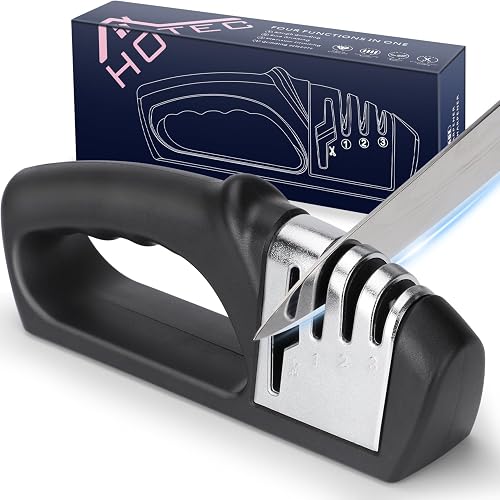
HOTEC 4in1 Knife Sharpener

MITSUMOTO SAKARI 10-Inch Flat Diamond Knife Sharpening Rod

Minosharp 3 Sharpener Black/Red
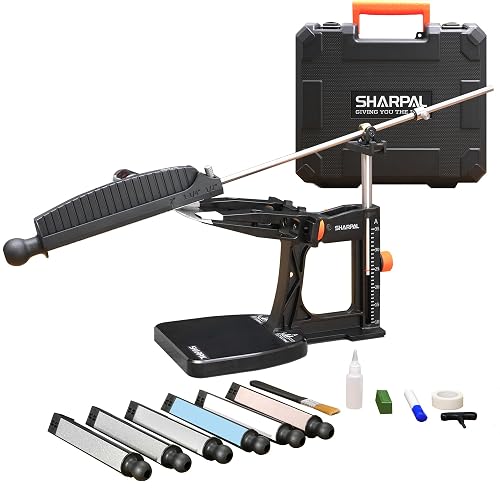
SHARPAL 202H Precision Knife Sharpening System
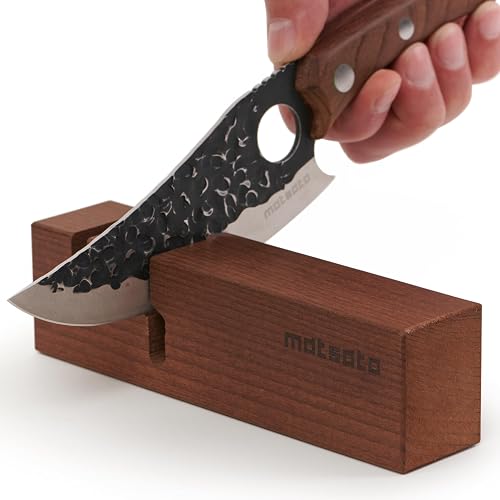
Matsato Knife Sharpener, Chef & Pocket Knife Sharpener

MITSUMOTO SAKARI Professional Japanese 1000/3000 Grit Sharpening Stone
More Details On Our Top Picks
The adjustable 14 to 24 degree setup gives this Cangshan a wider fit range than a fixed-angle sharpener, which matters for mixed knife blocks. For Japanese-style blades, the lower end is the part you pay attention to, since angle control is the whole game here.
The three-stage layout also gives you a more deliberate path than a single-slot pull-through design. In a busy kitchen, that extra structure can feel helpful, though the trade-off is that it asks for a little more care and a steadier hand than simpler tools.
Strong Points
- Adjustable angle range supports more than one blade style.
- Three-stage layout helps separate repair, refinement, and finishing.
- Handheld format fits easily on a counter or in a drawer.
- It also handles scissors, which adds practical value in small kitchens.
Things To Consider
- The three-step process takes longer than a basic pull-through tool.
- Angle choice matters more here, so rushed use can work against you.
- Stored dust and residue should be wiped out regularly to keep the slots tidy.
Feature Snapshot
Who It Suits Best
Home cooks who want one tool for several knives, including Japanese-style blades, get the most from this setup.
Where Another Pick Suits Better
MITSUMOTO SAKARI Professional Japanese 1000/3000 Grit Sharpening Stone suits you better for slower, more hands-on edge work.
The rolling format gives you a very different feel from the Cangshan, because the edge meets a disc rather than a fixed slot. That can be easier to control for careful hand sharpening, especially at 15 or 20 degrees, which are the key angles listed for this kit.
Diamond and ceramic discs split the work between shaping and finishing, while the leather strop helps refine the edge after sharpening. The honest read is that this style rewards calm, repeatable strokes, so it fits you best when you want control more than speed.
Highlights
- Rolling motion gives a guided but hands-on feel.
- 15 and 20 degree angle options support common kitchen edges.
- Diamond and ceramic discs cover different stages of edge work.
- Leather strop adds a final refinement step.
- Works as a compact kit for kitchen and pocket knives.
Worth Noting
- The learning curve is a little higher than with simple pull-through sharpeners.
- Careful setup matters, especially on thinner Japanese blades.
- Moving parts and discs should be kept clean after use.
Core Details
Made For
Careful home users who want a more guided feel than a whetstone will get the most from this pick.
Another Choice May Suit
Cangshan 1026108 3-Stage Adjustable Knife + Scissor Sharpener fits you better for quicker, less hands-on kitchen maintenance.
HOTEC keeps the format straightforward, which is useful in kitchens where you want quick upkeep without setting up a full stone routine. The three-stage knife path plus a separate scissors stage makes it a sensible all-around tool for everyday drawers.
Compared with the more specialized Bogoni rolling design, this one leans toward speed and familiar handling. The trade-off is less finesse, so it suits blunt-to-serviceable maintenance better than careful edge tuning on expensive Japanese blades.
What We Like
- Four-in-one layout covers knives and scissors.
- Three sharpening stages make the process easy to follow.
- Manual design keeps storage simple.
- Good fit for fast kitchen touch-ups between bigger sharpenings.
Areas To Watch
- Less precise than a guided angle system or whetstone.
- Frequent use on thin Japanese blades calls for a lighter touch.
- Slots can collect residue, so occasional cleaning is part of ownership.
Feature Rundown
Right Fit For
Households that want one compact sharpener for mixed kitchen tasks will appreciate this setup.
Look Elsewhere When
SHARPAL 202H Precision Knife Sharpening System suits you better for more angle control and a wider abrasive lineup.
This rod is built for maintenance, not heavy reshaping, and that distinction matters for Japanese knives. The flat diamond surface gives more blade contact than a round rod, so edge touch-ups feel more even and a bit less fussy in daily use.
The high-carbon steel body and ABS handle keep the design practical, while the built-in magnet helps with convenience during handling or storage. In a kitchen that sees repeated prep work, this kind of tool can sit beside the board like a dependable pencil rather than a full workshop.
Bright Spots
- Flat diamond face gives broader contact across the edge.
- Rod format is quick to grab for routine upkeep.
- Built-in magnet adds a helpful storage touch.
- Handle shape should feel familiar in everyday kitchen use.
Softer Spots
- It is better for touch-ups than for rebuilding a very dull edge.
- Rod-style tools ask for good angle discipline on thin blades.
- Diamond surfaces benefit from simple wipe-down cleaning after use.
Details At A Glance
Whose Shelf It Belongs On
Home cooks who keep up with edges regularly and want a fast maintenance tool will get the most value here.
Swap It Out When
MITSUMOTO SAKARI Professional Japanese 1000/3000 Grit Sharpening Stone fits you better for full sharpening sessions and more deliberate edge refinement.
Minosharp takes a simple, compact route, which suits counters that already feel crowded. The black and red body keeps the look straightforward, and that matters more than styling when you want a tool that stays out of the way.
Compared with the larger Cangshan and the more involved SHARPAL system, this one reads as a lighter, faster kitchen habit. The catch is that you give up flexibility and deep control, so it makes more sense for easy upkeep than for serious angle tuning on premium Japanese steel.
Upsides
- Small footprint fits tight prep spaces well.
- Simple format lowers the setup burden.
- Good match for routine kitchen maintenance.
Small Caveats
- Limited detail in the source makes feature depth hard to judge.
- Less adaptable than the adjustable angle models in this list.
- Compact gear still needs regular cleanup around the sharpening area.
Quick Facts
Best Suited To
Kitchen users with little counter room and a preference for simple gear will feel at home with this one.
A Better Fit Elsewhere
Cangshan 1026108 3-Stage Adjustable Knife + Scissor Sharpener is the smarter move for you if angle flexibility matters more than compact size.
SHARPAL is the most control-heavy option in this roundup, and that shows up right away in the 10 to 35 degree adjustment window. For Japanese knives, that breadth is useful because you can work with a narrower edge or step outward for other kitchen blades without switching tools.
The real appeal sits in the abrasive stack: diamond plates from coarse to fine, two whetstones, and a leather strop. It feels like a small sharpening bench, so it suits someone who wants to learn the process and keep each stage separate rather than rushing through it.
Reasons To Buy
- Wide angle adjustment helps with different blade geometries.
- Seven abrasive pieces give you a full progression.
- Leather strop adds a finishing step after sharpening.
- Carry case makes storage and transport simpler.
- Strong fit for people who like manual control.
Honest Caveats
- More parts mean more setup and more cleaning afterward.
- The system asks for patience, especially on first use.
- That extra flexibility can feel excessive for very casual upkeep.
Technical Sheet
Built With In Mind
Experienced home sharpeners and detail-focused cooks will get the most out of this system.
Where A Sibling Pick Shines
Bogoni Rolling Knife Sharpener, Diamond & Ceramic Disc suits you better for a more guided feel with less kit management.
Matsato is the smallest-feeling name in the group, and the listed 7.09 by 1.97 inch size backs that up. That compact shape makes sense for a secondary kitchen tool, or for someone who wants a sharpener that doesn’t take over a drawer.
Because the source stays light on technical detail, the best read here is simple utility rather than deep specialization. It feels like the kind of tool that gets used often for modest upkeep, while the heavier-duty sharpening work goes to a more controlled system such as SHARPAL or the MITSUMOTO stone.
Best Bits
- Small size is easy to store.
- Broad knife use makes it more flexible than pocket-only gear.
- Works as a simple kitchen-gift style pick.
Points To Note
- Limited source detail means fewer verified specifics to compare.
- Compact tools are usually best for routine upkeep, not major edge repair.
- Small housings still need basic cleaning after use.
Feature Card
Who Will Love This
Compact-kitchen households and casual users who want a basic, space-saving sharpener will appreciate it most.
Reach For A Different Pick When
MITSUMOTO SAKARI 10-Inch Flat Diamond Knife Sharpening Rod works better if you want faster edge touch-ups on a regular basis.
This whetstone is the most traditional tool in the lineup, and that usually appeals to you when control matters more than speed. The 1000 grit side handles edge work, while the 3000 grit side focuses on honing, which is the lighter finishing stage that smooths the edge after sharpening.
White corundum, a tough abrasive mineral, gives the stone its working surface, and the bamboo base adds stability during use. Controlled water absorption is part of the appeal too, because it helps the stone behave in a more predictable way once you’ve soaked and set it up.
Positives
- Two grit sides cover shaping and refinement in one stone.
- Best fit here for Japanese knives that reward careful angle control.
- Bamboo base helps keep the setup anchored.
- Kraft box is useful for tidy storage.
- Stone sharpening gives you the most direct feedback at the edge.
Areas To Watch
- Whetstones ask for more technique than guided sharpeners.
- Water setup and drying add a little routine overhead.
- Stone care matters, especially for storage and surface cleanliness.
Core Details
The Right Fit
Home cooks and knife owners who want deliberate sharpening, especially for Japanese steel, will get the most from this stone.
Skip It When
SHARPAL 202H Precision Knife Sharpening System is the easier fit for you if you want more mechanical guidance and less hands-on technique.
How To Choose The Right knife sharpeners for japanese knives
Angle Control Comes First
Japanese knives usually favor narrower edge angles than many Western kitchen knives, so angle control is the first thing to check. Adjustable systems like Cangshan and SHARPAL help here, while the MITSUMOTO whetstone gives you the most manual control.
That matters because a blunt angle mismatch can waste time and steel. For thin, hard blades, a precise setting often does more for edge quality than a flashy list of extras.
Match The Sharpener To Your Routine
Busy kitchens usually benefit from compact, guided tools such as HOTEC or Minosharp. Those are easier to keep nearby, and they suit quick maintenance before prep starts.
Stone users and detail-oriented cooks usually prefer slower, more hands-on choices like the SHARPAL system or the MITSUMOTO whetstone. The trade-off is time, but you gain more control over edge shape and finish.
Think About Steel, Not Just Brand
Harder Japanese steels often reward finer finishing stages, such as ceramic, finer whetstones, or a leather strop. Rolling and rod-style tools can work well for upkeep, but they are less suited to major edge repair.
That split is worth remembering because a sharpener can be convenient and still be the wrong fit for your blades. A tool that respects the steel usually lasts longer in your routine, even if it asks for a little more care.
Space, Skill, And Cleanup Matter Too
Small kitchens usually favor compact body styles, while wider systems work better on a dedicated prep surface. Storage also matters, since stones and multi-piece kits need more organization than a single-slot sharpener.
Skill level shapes the choice just as much. A guided tool keeps the learning curve gentler, while a whetstone rewards patience and a steadier hand.
What To Weigh Before You Click On A Sharpener
Hidden Buying Traps
A common mistake is choosing speed over angle fit. That shortcut can leave you with a tool that sharpens fast but does not suit the edge geometry of Japanese knives.
Another slip-up is ignoring cleanup and storage. Diamond surfaces, slots, and stones all need a little aftercare, and the easiest setup in daily life is usually the one that stays tidy.
The Upgrade Payoff
Higher-tier systems usually cost more because they add finer angle control, more abrasive stages, and better support for edge finishing. That extra range is useful when you sharpen often or keep several blade types in rotation.
For casual upkeep, a simpler tool can be enough. For serious knife care, the step up often buys you more consistency, less guesswork, and a better match for thin Japanese edges.
Frequently Asked Questions
Can a pull-through sharpener work for Japanese knives?
Yes, but angle fit matters more than speed. A guided model with a lower angle range is usually the safer match than a generic slot sharpener.
Is a whetstone hard to use?
It takes more patience than a mechanical sharpener. Once the setup becomes familiar, you get very direct control over the edge.
Do diamond sharpeners suit harder steel?
They can, especially for maintenance and initial shaping. Fine finishing still helps, which is why a strop or finer grit often matters.
What grit range makes sense for home use?
A mid-grit sharpening side plus a finer finishing side covers most kitchen needs well. The MITSUMOTO 1000/3000 setup shows that balance clearly.
How often should you sharpen a kitchen knife?
That depends on use, edge care, and cutting surface. Frequent light touch-ups usually work better than waiting until the blade feels very dull.
Closing Thoughts
Your best match depends on how hands-on you want to be. Cangshan and SHARPAL suit careful home sharpening, while the Bogoni rolling kit and MITSUMOTO stone serve people who want more control over the finish. HOTEC, Minosharp, and Matsato keep things compact and simple for regular upkeep. For Japanese knives, the smartest choice is the one that respects the edge and fits your real kitchen routine.



