

You want a hot plate that matches the job, not just the label. Some of these picks are built for stirring and heating in a lab bench setup, while others make more sense for a dorm room, office, or compact kitchen.
That split matters fast. A magnetic stirrer hot plate behaves very differently from a countertop burner, so the right choice depends on vessel size, temperature control, stability, and how much cleanup you want after a busy day.
Quick Shortlist For Lab And Home Use

HYCC Magnetic Stirrer Hot Plate 2000mL

Slendor Magnetic Stirrer Hot Plate 79-1

Soiiw 850W Soldering Hot Plate 200x200mm

FOUR E’S SCIENTIFIC Magnetic Stirrer Hot Plate 5 Inch

Slendor Magnetic Stirrer SH-2 Hot Plate

IMUSA Double Electric Hot Plate Black

IMUSA Single Electric Hot Plate Black
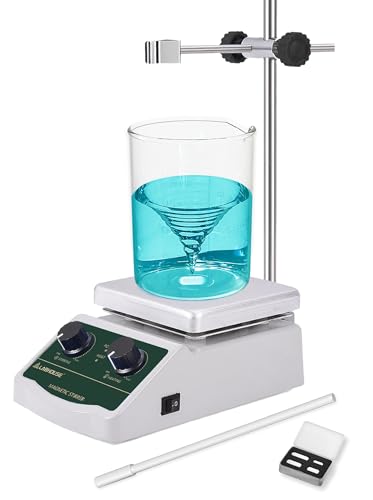
LABHOUSE LHS-2 Magnetic Stirrer Hot Plate 2L
More Details On Our Top Picks
HYCC gives you the widest temperature headroom in this group, plus a stirring range that suits small flasks and beakers on a busy bench. The 2000mL capacity matters more than it sounds, since it gives you room for moderate batch sizes without moving up to a larger platform.
For routine mixing work, that balance feels practical rather than flashy. The trade-off is simple, it sits in the more specialized lab lane, so it makes less sense for anyone who just wants a plain burner for kitchen use.
Strong Points
- High temperature ceiling gives you room for demanding heating tasks.
- 100 to 2000 RPM stirring range fits a wide spread of liquids.
- 2000mL capacity helps with medium batches on a standard bench.
- The combined heat and stir setup cuts down on extra gear.
Worth Noting
- The feature set is more specialized than a simple countertop burner.
- Cleaning around a stir plate usually takes a little more care than a flat heater.
- Bulkier vessels can crowd the workspace faster than they would on a larger lab unit.
Core Details
Who It Suits Best
You benefit most from this pick if you want a lab-oriented stirrer hot plate for class demos, bench prep, or regular mixing work with a moderate vessel size.
A Better Fit Elsewhere
Four E’S SCIENTIFIC Magnetic Stirrer Hot Plate suits you better if you want a 5-inch plate, a temp probe sensor, and a 5L capacity for larger batches.
This Slendor model leans into speed, with a max 2400 RPM rating that helps keep lighter liquids moving without fuss. The included support stand is useful in teaching labs or shared spaces, since it gives the setup a little more structure than a bare stirrer plate.
Compared with the HYCC unit, this one looks more focused on straightforward bench stirring than broader heat bragging rights. That makes it a sensible fit for classrooms and routine chemistry prep, though the more compact setup can feel plain beside larger-capacity choices.
What We Like
- 2400 RPM maximum speed supports brisk mixing.
- The included stand adds convenience for a lab bench setup.
- Simple layout keeps day-to-day use easy to sort out.
- Works well for light, repeated stirring tasks in shared spaces.
Points To Note
- The design feels more utilitarian than polished.
- Fast stirring can be more than you need for delicate samples.
- Support hardware adds a little more to store and keep track of.
Feature Card
Who Will Love This
You should look here for teaching labs, routine prep work, and bench setups that benefit from speed more than extra controls.
Another Choice May Suit
LABHOUSE LHS-2 Magnetic Stirrer Hot Plate suits you better if you want PTFE stir bars, a recycler, and a higher-temperature plate surface for more controlled lab work.
Soiiw shifts the whole discussion away from stirring and into rework, which is why the 200x200mm surface matters so much. That larger plate gives you room for PCB preheating and screen repair tasks that feel cramped on smaller lab stirrer tops.
The LED display and microcomputer control point toward careful temperature management, which is handy in electronics work where consistency matters. The trade-off is that it’s a specialized station, so it makes sense for repair benches far more than for general classroom mixing.
Bright Spots
- Large 200x200mm plate gives you useful working space.
- 850W output suits preheat and rework tasks that need steady heat.
- LED display makes status easier to track at a glance.
- Fits repair benches where PCB and phone screen jobs come up often.
Small Caveats
- This isn’t the right shape of tool for mixing liquids.
- The larger footprint asks for more bench space.
- Heat-focused gear usually means more attention to surface upkeep after use.
Details At A Glance
Built With In Mind
You get the most from this one in an electronics shop, home repair bench, or maker space that handles preheating and rework more than liquid mixing.
Where A Sibling Pick Shines
HYCC Magnetic Stirrer Hot Plate 2000mL is the stronger fit for lab mixing, since it combines heat and stirring in a way Soiiw does not.
FOUR E’S SCIENTIFIC leans larger than the first two stirrer choices, and the 5L rating tells you this one is built with bigger volumes in mind. A 5-inch plate also helps keep larger containers more stable, which matters in a crowded lab bench.
The included temperature probe sensor is the detail that changes the feel of use, because it gives you a more measured setup than a plain heat-only plate. The catch is that it does not include a stand, so you may need to plan your workspace a little more carefully than you would with the Slendor model that arrives with one.
Upsides
- 5L capacity supports larger liquid volumes than compact stirrer plates.
- Temperature probe sensor adds a more controlled workflow.
- 100 to 1500 RPM range works for slower, steadier mixing.
- 5-inch plate gives wider support for bigger vessels.
Areas To Watch
- No stand is included, so setup planning matters.
- The lower top speed suits control more than aggressive mixing.
- Bigger lab hardware usually asks for more bench room and storage space.
Technical Sheet
Right Fit For
You fit this model best if you want a more serious lab stirrer hot plate for medium to larger batches and appreciate a temperature probe in the setup.
Look Elsewhere When
Slendor Magnetic Stirrer Hot Plate 79-1 makes more sense if you want a stand included and a faster top stirring speed for simpler bench routines.
Slendor’s SH-2 sits in the middle of the pack in a useful way, with a thermometer and support stand that make daily bench work feel more manageable. The 2000 RPM top speed gives you enough range for common mixing tasks without moving into the more specialized setup of the FOUR E’S unit.
For a teaching bench or hobby lab, that mix of visible temperature monitoring and included hardware is easy to appreciate. The honest read is that it feels more practical than fancy, which is often exactly what you want for repeat use.
Reasons To Buy
- Thermometer helps you keep an eye on temperature during routine tasks.
- 2000 RPM maximum speed gives you useful mixing range.
- Support stand adds convenience in shared or crowded work areas.
- Fits everyday lab use without a complicated learning curve.
Room For Improvement
- The design is straightforward rather than refined.
- The thermometer helps, though it still asks you to stay attentive during use.
- Stand and accessories add a little more to clean and store.
Quick Facts
Whose Shelf It Belongs On
You should reach for this model if you want a routine-use lab stirrer hot plate with monitoring gear already in the box.
Swap It Out When
HYCC Magnetic Stirrer Hot Plate 2000mL is the better fit for you if a wider temperature ceiling matters more than the thermometer and stand bundle.
IMUSA’s double burner format makes a lot of sense in a small apartment or backup cooking setup, since you get two hot zones in one black matte body. Adjustable temperature controls are the practical detail here, because they let you work a little more carefully than with a basic fixed-output plate.
Compared with the lab-first choices above, this one belongs in the home lane and does not pretend otherwise. For someone who cooks in a tight kitchen or needs a secondary burner for travel, that honesty is part of the appeal.
What We Like
- Two burners give you more cooking flexibility in a compact footprint.
- Adjustable temperature controls help you handle different pans and tasks.
- Matte black finish keeps the look simple and easy to place.
- Works well in small kitchens where counter space is tight.
Softer Spots
- This is a kitchen tool, not a lab stirrer hot plate.
- Double-burner layouts usually need a bit more counter depth.
- Surface cleanup matters after spills, especially in shared spaces.
Core Details
The Right Fit
You suit this model best if you need a small-kitchen burner setup, a travel-friendly backup, or a simple apartment cooking solution.
A Better Fit Elsewhere
IMUSA Single Electric Hot Plate Black is the easier choice if you want a lighter, more compact setup for one pan at a time.
This IMUSA single burner keeps things plain, which is exactly why it works for travel bags, office break rooms, or a tiny apartment shelf. One burner means less fuss, less surface area, and less setup time before you heat a pan.
It does not try to compete with the double-burner version on flexibility, and that’s fine. For solo cooking or a spare heat source, the smaller footprint makes more sense than chasing extra capacity you probably won’t use.
Highlights
- Single-burner format keeps the unit compact.
- Easy to place in offices, dorm-style spaces, or travel kits.
- Simple design helps keep day-to-day use straightforward.
Honest Caveats
- One burner limits you to one pan at a time.
- The lean design means less flexibility than the double version.
- Small appliances still need careful cord and surface management in tight spaces.
Feature Rundown
Made For
You fit this pick best if you need a compact burner for office lunches, dorm-style rooms, or travel use.
Another Choice May Suit
IMUSA Double Electric Hot Plate Black is the smarter option for you if two burners matter more than saving space.
LABHOUSE gives you a more polished lab feel than the Slendor SH-2, with a 300°C plate surface and a 2L working size that keeps it practical for routine mixing. The PTFE stir bars and recycler are useful extras, because they make the package feel better thought out for regular bench use.
The variable speed control and included stand round out the setup nicely. That said, it still belongs to the lab side of the category, so you’ll want it for controlled heating and stirring rather than kitchen work or repair benches.
Best Bits
- 300°C plate surface supports controlled lab heating.
- 2000 RPM speed range fits common stirring tasks.
- PTFE stir bars and recycler add useful bench accessories.
- Included stand helps complete the setup.
Minor Gripes
- Two-liter capacity is useful, though not huge.
- The accessory-heavy setup takes a little more room to store.
- Lab gear like this usually asks for careful cleanup after chemical work.
Spec Overview
Best Suited To
You fit this one best if you want a thoughtful lab stirrer hot plate for repeated mixing, heating, and standard bench routines.
Reach For A Different Pick When
FOUR E’S SCIENTIFIC Magnetic Stirrer Hot Plate is the better match if a 5L capacity and probe sensor matter more than the smaller 2L format.
How To Choose The Right hot plates for science
Start With The Job, Not The Label
The first split is simple: stirring hot plates and plain countertop burners solve different problems. A lab stirrer gives you controlled motion for liquids, while a home burner handles pans, kettles, and simple cooking tasks.
Container size matters next. A 2L or 2000mL setup suits many bench tasks, while a 5L platform gives you more breathing room for larger vessels and shared work.
Match Control To The Work You Do
Speed range tells you how gently or aggressively the liquid can move, and that matters in real use. A 100 to 1500 RPM unit feels calmer for steadier work, while 2000 RPM or higher gives you more flexibility for brisk mixing.
Temperature also changes the fit. A probe sensor, thermometer, or microcomputer display helps you keep a closer eye on heat, which is useful for repeat bench tasks or delicate repair work.
Space, Setup, And Cleanliness
Bench space disappears faster than most people expect. A model with a stand, larger plate, or two burners can make a cluttered table feel tighter, so you want to measure your surface before you commit.
Cleanup is worth thinking about too. Smooth kitchen burners wipe down easily, while stir plates, probes, and accessory sets usually ask for a little more care after use.
What To Weigh Before You Choose
Wrong Turns To Avoid
One common slip is picking a lab stirrer for kitchen duty, or a kitchen burner for bench work. The shape may look similar in a thumbnail, but the job they handle is completely different.
Another easy miss is ignoring capacity and footprint. A compact unit can feel great on paper, then crowd your workspace once the vessel, cord, and stand are all in place.
The Upgrade Payoff
Higher-tier models usually cost more because they add control, capacity, and accessories. A temperature probe, support stand, PTFE stir bars, or a larger plate changes how comfortably you work across repeated sessions.
That extra spend makes sense for shared benches, repair stations, and labs that need consistency. For occasional use, a simpler burner or stirrer often gives you enough function without the heavier setup.
Frequently Asked Questions
What makes a hot plate good for science work?
You want stable heat, reliable speed control, and a platform that matches your container size. For lab use, a stirrer hot plate usually matters more than a plain cooking burner.
Do you need a magnetic stirrer for every lab task?
No, plenty of bench jobs only need heat. A stirrer matters most when the liquid should keep moving while it warms.
What size plate works for most small labs?
A 2L to 2000mL setup works for many routine tasks. Larger batches usually feel better on a 5L platform.
Is a temperature probe worth it?
It helps when you want a closer eye on the heating process. That extra control is useful for repeated bench work and careful mixing.
Can you use a science hot plate in a kitchen?
The lab-style units are built for heating and stirring, not cooking. A countertop burner is the more sensible kitchen choice.
Final Thoughts
The right pick depends on the job in front of you, and that’s the honest way to shop this category. For lab mixing, HYCC, FOUR E’S SCIENTIFIC, and LABHOUSE give you the most relevant features, while IMUSA makes far more sense for compact cooking or travel setups. Once you match the plate size, control style, and workspace to your routine, the shortlist gets much easier to sort. Choose the one that fits your day-to-day, not the one with the longest title.