

Stove ventilation gets attention fast in a kitchen that sees real cooking, from searing and stir-frying to long simmer sessions. The right hood vent helps clear steam, grease-laden air, and lingering odors without taking over the room. Size, venting style, filter type, and control layout all shape how livable the setup feels day to day.
This roundup keeps the focus on fit, not flash. Compact under-cabinet models suit tighter layouts, while wider inserts and wall-mount designs make more sense above larger ranges or more active cooking zones.
Quick Shortlist For Real Kitchens

COMFEE’ 30 Inch Under Cabinet Range Hood

Range Hood Insert 42 inch 900 CFM, Stainless Steel Vent Hood
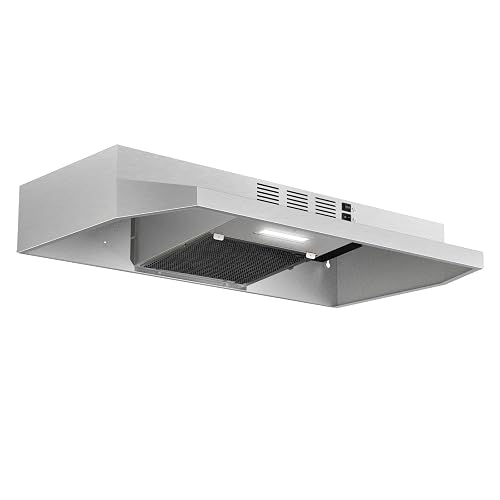
Range Hood 30 inch Under Cabinet, Stainless Steel Kitchen Vent Hood

Range Hood 36 inch Under Cabinet, Ducted/Ductless Kitchen Hood
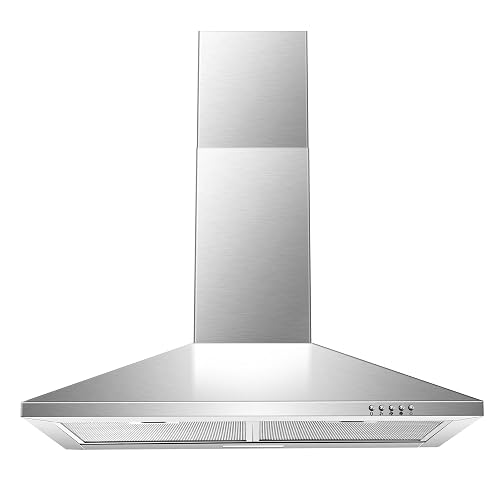
SNDOAS Range Hood 30 inch, Wall Mount Range Hood
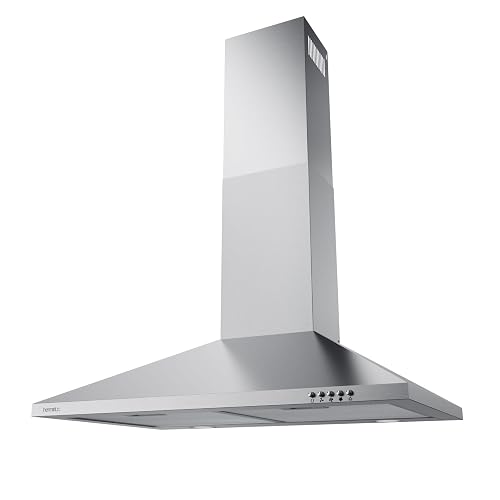
Hermitlux 30 Inch Wall Mount Range Hood
More Details On Our Top Picks
Compact under-cabinet ventilation like this tends to suit kitchens where cabinet space is tight but cooking still gets regular use. The ducted or ductless setup gives flexibility for apartments, remodels, or homes where exterior venting is awkward.
The trade-off is straightforward: a 30-inch footprint fits many standard ranges, but it will not stretch the way a broader insert does. For a small galley kitchen or a modest cooktop, that restraint is part of the appeal.
Strong Points
- Ducted and ductless operation supports more installation layouts.
- The 30-inch format matches many common range widths.
- Under-cabinet mounting helps preserve wall space above the cooktop.
- Good fit for apartments, starter homes, and compact remodels.
Things To Consider
- A smaller body naturally leaves less room for larger cooking surfaces.
- Under-cabinet placement can feel visually busy in very open kitchens.
Feature Snapshot
Who It Suits Best
Space-conscious cooks and apartment kitchens are the cleanest fit for this profile, especially where a straightforward under-cabinet setup makes more sense than a showpiece hood.
Where A Sibling Pick Shines
Hermitlux 30 Inch Wall Mount Range Hood suits kitchens that want a more visible wall-mount presence and a charcoal filter setup.
A 42-inch insert like this belongs in a larger cooking setup, where the hood disappears into custom cabinetry and the wider span can better match oversized ranges. The 900 CFM rating means cubic feet per minute, a measure of airflow, and that level usually points to serious ventilation needs rather than casual weeknight cooking.
The stainless steel body and baffle filters give it a more built-in, kitchen-planner feel than the smaller under-cabinet models above. For homeowners planning a renovation around a wider range, the fit makes sense, though the installation and cabinet work are naturally more involved.
Highlights
- 900 CFM suits higher-output cooking zones.
- 42-inch width lines up with larger ranges.
- Baffle filters are built for grease-heavy cooking sessions.
- Adjustable lights help place illumination where the cooktop needs it.
- Handlebar styling adds a practical touch for built-in installations.
Room For Improvement
- The larger insert format asks for more planning during installation.
- Cabinet and cutout compatibility matter more here than with simpler under-cabinet units.
- The scale is less forgiving in small kitchens.
Core Details
Built With In Mind
Renovation projects with a wide range or custom cabinet run suit this insert best, especially for cooks who want ventilation that feels integrated rather than added on.
Another Choice May Suit
Zomagas Range Hood 36 inch Under Cabinet, Ducted/Ductless Kitchen Hood fits a simpler installation path for households that want easier under-cabinet mounting.
Simple controls matter in a busy kitchen, and this 30-inch hood leans into that idea with rocker-button operation and a two-speed fan. The 280 CFM airflow is a moderate rating, so it makes more sense for everyday cooking than for a very aggressive searing setup.
Compared with the COMFEE’ model, this one gives a similar under-cabinet footprint but adds a more direct control scheme. That can be a nice fit for cooks who want fewer bells and whistles and prefer something easy to read at a glance.
Upsides
- Rocker-button controls keep operation straightforward.
- Two fan speeds allow a basic step-up from low to higher airflow.
- Bright LED lighting helps keep the cooking area visible.
- Ducted or ductless conversion broadens installation options.
Points To Note
- 280 CFM is modest beside larger-performance models in this list.
- Two fan settings feel simple, but they leave less fine-tuning than multi-speed designs.
- Stainless steel still needs routine wiping to stay clean-looking in a greasy zone.
Details At A Glance
Who Should Grab It
Small and mid-sized kitchens that value plain controls over a feature-heavy interface are the cleanest fit here.
Swap It Out When
COMFEE’ 30 Inch Under Cabinet Range Hood makes more sense for a home that wants the same general footprint with a convertible venting layout.
A 36-inch hood often lands in the sweet spot for wider common cooktops, and this one keeps the same 280 CFM class as the 30-inch Zomagas model while stretching the coverage. That wider body can feel more proportionate above larger under-cabinet layouts, especially in a kitchen where the range looks undersized under a narrow hood.
The rocker-button controls and bright LED light keep the setup familiar rather than fussy. For households that want a wider face without stepping into a full insert project, the format is appealing, though the airflow remains moderate rather than aggressive.
Bright Spots
- 36-inch width suits larger standard cooktops.
- Ducted or ductless conversion keeps installation flexible.
- Rocker-button controls are easy to learn quickly.
- LED lighting adds useful visibility over the stove.
Softer Spots
- Airflow stays in the moderate range rather than the high-capacity class.
- The larger body asks for enough cabinet span to look balanced.
- Button-style controls are functional, though not especially refined.
Quick Facts
The Right Fit
Homes with a 36-inch range and a straightforward under-cabinet plan are the strongest match for this model.
Consider Something Else When
Range Hood Insert 42 inch 900 CFM, Stainless Steel Vent Hood suits cooks who want much higher airflow and a built-in cabinet look.
Wall-mount hoods change the feel of a kitchen fast, and this SNDOAS model is built for that more visible install style. Stainless steel keeps the look clean and practical, while the ducted or ductless convertible design gives room for different ventilation paths.
Aluminum filters and a three-speed exhaust fan give it a more layered control set than the plain two-speed units in this roundup. That makes it a sensible choice for a cooking space where appearance matters but everyday odor control still needs to hold its own.
Reasons To Buy
- Wall-mount design brings a more open visual profile.
- Convertible venting helps across different home layouts.
- Three fan speeds allow finer airflow adjustment.
- Aluminum filters are practical for routine kitchen upkeep.
- LED lighting supports visibility over the cooktop.
Areas To Watch
- Wall-mount installation usually asks for more planning than a basic under-cabinet hood.
- The visual style may not suit every traditional kitchen.
- Button controls are straightforward, but they stay fairly basic.
Spec Overview
Made For
Renovated kitchens and visible wall-mounted layouts suit this model especially well, particularly where the hood becomes part of the room’s design language.
Look Elsewhere When
Hermitlux 30 Inch Wall Mount Range Hood fits a more filter-forward setup for households that want a charcoal-filter path in a similar wall-mount shape.
Wall-mount styling with a charcoal filter included makes this Hermitlux model easy to place in kitchens where ducting is not the only path forward. The stainless steel finish keeps it aligned with the rest of the roundup, but the included filter gives it a practical edge for recirculating setups.
Compared with the SNDOAS wall-mount hood, this one leans more toward simple, dependable ownership than toward a more control-heavy spec sheet. That works well in condos, rentals, and remodels where a clean look and manageable upkeep matter more than chasing every extra setting.
Positives
- Charcoal filter inclusion supports ductless installation plans.
- Wall-mount design suits visible kitchen layouts.
- Stainless steel brings a clean, familiar finish.
- Convertible venting keeps the setup flexible.
Minor Gripes
- Wall-mount installation usually needs more planning than under-cabinet mounting.
- Filter upkeep becomes part of regular kitchen maintenance.
- The more minimal spec sheet leaves less emphasis on extra controls.
At A Glance
Whose Shelf It Belongs On
Condo kitchens, rental units, and smaller remodels are the clearest fit, especially where a ductless path with a tidy wall-mount look solves the layout puzzle.
Reach For A Different Pick When
SNDOAS Range Hood 30 inch, Wall Mount Range Hood makes more sense for cooks who want three fan speeds and a more control-rich wall-mount design.
How To Choose The Right hood vents for stoves
Size And Mounting Style Come First
Width should match the range, or at least stay close enough that the hood does not look undersized. A 30-inch model suits many standard cooktops, while 36-inch and 42-inch options start making more sense above wider spans or more active cooking stations.
Mounting style changes the whole install story. Under-cabinet designs keep the profile compact, wall-mount hoods create a stronger visual presence, and inserts disappear into cabinetry for a built-in result.
Airflow And Filter Type Shape Daily Use
Airflow, often listed in CFM, tells part of the ventilation story, but it does not stand alone. Lower ratings suit light daily cooking, while higher-capacity picks make more sense for searing, frying, or a home that regularly fills the kitchen with steam.
Filter type matters just as much. Baffle filters suit grease-heavy cooking and are common in more substantial units, while aluminum and charcoal filters point toward easier recirculating setups or lower-fuss wall-mount layouts.
Controls And Lighting Affect Convenience
Button, rocker, and multi-speed controls change how quickly a hood feels natural in use. Simpler layouts help in rentals and family kitchens, while extra speed settings give more room to tune noise and airflow around the meal being cooked.
Lighting deserves attention too, especially in kitchens with weak overhead fixtures. LED lighting keeps the cooktop easier to see, which matters during evening cooking, multitasking, or pan work that needs careful attention.
Plan For Installation And Maintenance
Ducted setups move air outside and usually ask for a clearer path through the wall or cabinet. Ductless options recirculate through filters, which can simplify installation in apartments or remodels where outside venting is not practical.
Maintenance is part of ownership, not an afterthought. Smooth stainless steel finishes wipe down easily, while filters need routine cleaning or replacement depending on the design, so a simple-looking hood can still ask for steady upkeep.
Things Worth Knowing First
Common Shopping Slip Ups
A common miss is sizing the hood by appearance instead of the cooktop it covers. A narrow hood above a wider range can look out of balance and leave less useful capture area.
Another mistake is overlooking whether the kitchen can support ducting. Some layouts practically demand ductless conversion, and that choice is easier to live with when it is planned from the start.
Where The Extra Money Goes
Higher-tier hood vents usually cost more because of width, stronger airflow, better filter assemblies, and more involved installation formats. Inserts and larger wall-mount units often ask for cabinetry, trim work, or a more finished setup, which adds to the overall project feel.
That extra spend makes sense for frequent cooks, wide ranges, or kitchens where ventilation is part of the room’s design. For lighter cooking in a compact space, a simpler under-cabinet model can be the saner move.
Closing Thoughts
The right hood vent for a stove is the one that matches the range, the room, and the way meals actually get cooked. COMFEE’ and the two Zomagas models keep things straightforward for standard kitchens, while the 42-inch insert and the wall-mount picks make more sense where scale or style matters more. Hermitlux lands in a practical middle ground for ductless-minded spaces. The best choice is the one that fits the layout cleanly and keeps daily cooking from feeling cramped.



