

Foam containers for food still make sense for delis, food trucks, cafeterias, and meal prep routines that need dependable closure and simple stacking. The right pick depends on portion style, compartment layout, and whether you want insulated foam or a bagasse option with a different feel in hand. This roundup keeps the focus on real use, so you can match the container to your kitchen flow instead of guessing from a long spec sheet.
Quick Look At The Shortlist
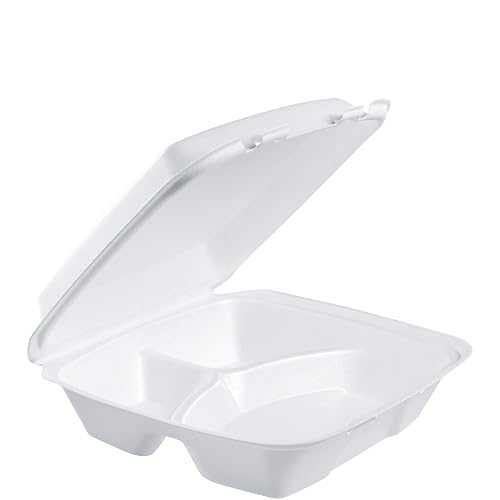
Dart 90HT3R 3 Comp Foam Hinged Container

Stock Your Home 6×6 Clamshell Take Out Boxes (50 Pack)
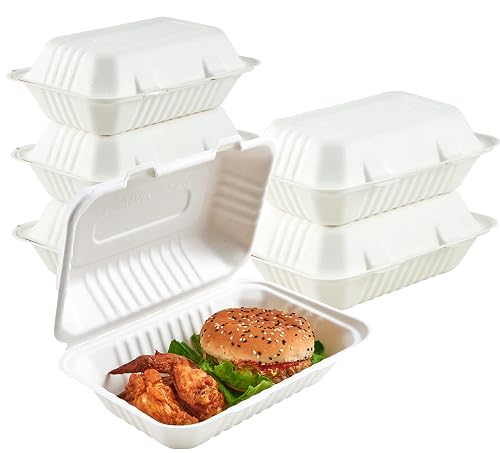
75 Pack Compostable Clamshell Take Out Food Containers 9×6 inch
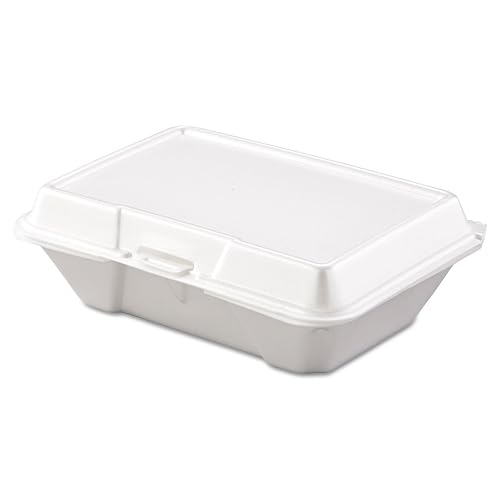
Dart 205HT1 Carryout Food Container Foam 1-Comp
DART 90HT3R 3 Comp Foam Hinged Container White
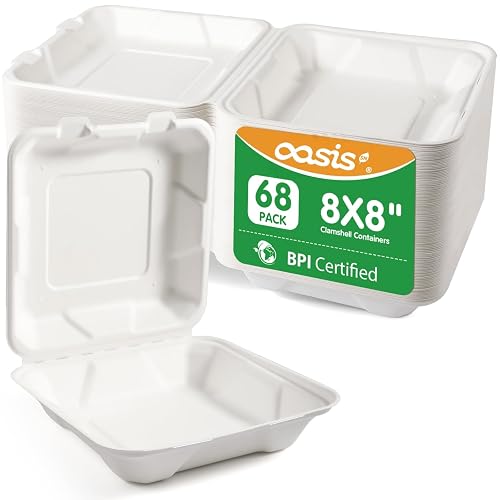
8×8 Inch 68 Pack Compostable Clamshell Take Out Food Containers

Lucklot 100 Pack 8×9 Inch 3-Compartment Compostable Bagasse Food Containers

Lucklot 50 Pack 8×9 Inch 3-Compartment Compostable Bagasse Food Containers
More Details On Our Top Picks
That recessed lid matters more than it sounds, because stacked containers stay steadier in a prep line or delivery tote. The three-compartment layout suits mains that need separation, like a protein, a starch, and a side, and the insulated foam body fits warmer carryout better than a thin disposable tray.
The trade-off is simple, this style is built for function first, not a polished table-side presentation. In a busy kitchen, that usually feels like the right compromise, especially for takeout counters that value quick closure and consistent handling.
Strong Points
- Three sections keep mixed meals from blending together.
- Recessed lid design helps stacked boxes sit more steadily.
- Foam construction gives a familiar insulated feel for takeout service.
- Hinged format keeps packing fast during rush periods.
Small Caveats
- Foam construction is more utilitarian than presentation-focused.
- Three compartments can feel restrictive for saucy entrées.
- Bulk case packaging suits storage space better than tight cabinets.
Feature Snapshot
Who It Suits Best
Food trucks, cafeterias, and lunch spots that serve composed meals will get the most from this shape.
Another Choice May Suit
DART 205HT1 Carryout Food Container Foam 1-Comp fits better for single-entrée servings that need a deeper cavity and a firmer latch feel.
A 6 x 6 clamshell is the kind of size that works well for lunch counters, bakery sides, or a single sandwich with a modest garnish. Compared with the larger Dart containers, this one keeps portions tighter and storage easier, which is handy in small kitchens with limited shelf space.
You may find the single compartment more flexible than a divided tray when the meal already has its own structure, like a burger, wrap, or pastry box. The honest read is that it trades portion separation for a simpler footprint, and that is exactly why some cafes prefer it.
What We Like
- Small footprint suits compact storage areas.
- Single compartment leaves room for flexible portioning.
- Hinged clamshell format keeps packing fast.
- Works well for simple lunch or snack service.
Points To Note
- One compartment does not separate sauces or sides.
- Smaller dimensions may feel tight for fuller meals.
- Bulk pack storage is easier with organized shelving.
At A Glance
Built With In Mind
Cafes, delis, and meal-prep kitchens that serve lighter portions will get the most value here.
Where A Sibling Pick Shines
Dart 90HT3R 3 Comp Foam Hinged Container is the better match for plated meals that need separation across sides and entrées.
This bagasse-style clamshell shifts the category away from foam and into a more rigid plant-fiber feel, which some kitchens prefer for a cleaner presentation. The 9 x 6 shape suits lunch plates, casual catering, and next-day meal prep, and it reads more like a paper-based service item than the insulated Dart picks above.
The trade-off is that it does not bring the cushioned, thermal character of foam, so hot-food holding feels different in the hand. For eco-minded carryout stations, though, that difference is often the point, and it makes the container easier to slot into mixed-service menus.
Upsides
- Compostable bagasse construction changes the presentation feel.
- 9 x 6 size suits standard meal trays.
- Clamshell form keeps service simple for grab-and-go orders.
- Works well for lunch prep and casual catering.
Areas To Watch
- It feels different from insulated foam in hand.
- Plant-fiber material can suit some foods better than others.
- Bulk storage still needs dry, organized shelving.
Core Details
Whose Shelf It Belongs On
Eco-focused cafes, lunch caterers, and prep services that want a plant-fiber look will appreciate this format most.
Look Elsewhere When
Stock Your Home 6×6 Clamshell Take Out Boxes works better for smaller snacks or simple lunches that do not need the larger 9 x 6 footprint.
The deeper single-compartment profile gives this Dart container a more substantial carryout feel than the flatter 6 x 6 option. Dual locking points and the perimeter seal are the meaningful details here, because they support a tighter close for saucy entrées, heavier portions, or delivery runs with more jostling.
In practice, that makes it a strong fit for diners, cafeterias, and takeout counters that send out one main dish per box. It is not the flashiest shape, but the straightforward foam body and locking design solve a real problem: keeping the lid shut until the meal reaches the table.
Highlights
- Dual locks add confidence during carryout.
- Perimeter seal helps the lid meet the base more cleanly.
- Deeper cavity suits fuller main dishes.
- Foam body supports a familiar insulated carryout feel.
Trade Offs
- Single compartment leaves no room for side separation.
- Large case count fits higher-volume storage better.
- Foam format stays more serviceable than decorative.
Details At A Glance
Best Suited To
High-turnover kitchens and delivery-heavy food spots will get the most from the deeper cavity and firmer closure.
Swap It Out When
Lucklot 100 Pack 8×9 Inch 3-Compartment Compostable Bagasse Food Containers fits better for meals that need separate sections and a plant-fiber presentation.
This white version follows the same stable, three-compartment layout as the earlier Dart 90HT3R, so the main question is visual rather than structural. The clean color can suit cafeterias, office catering, and service lines that want a lighter-looking box on the counter, while the recessed lid still helps stacked containers sit more neatly.
Compared with the non-white Dart version, the use case stays almost identical, which is useful for kitchens that care about appearance consistency across menu items. The honest read is that you are mainly choosing finish here, not a new container philosophy, and that can be exactly what a steady operation needs.
Reasons To Buy
- White finish works well in cleaner-looking service setups.
- Three compartments still keep meal parts separated.
- Recessed lid supports more orderly stacking.
- Case format suits regular carryout volume.
Minor Gripes
- It shares the same foam-focused trade-offs as the earlier Dart version.
- White surfaces can show scuffs more readily in rough handling.
- Three compartments still limit plated-meal freedom.
Quick Facts
Who Should Grab It
You get the most from this one in cafeterias, catering lines, and takeout counters where presentation consistency matters.
A Better Fit Elsewhere
Stock Your Home 6×6 Clamshell Take Out Boxes makes more sense for compact lunch portions and lighter storage demands.
The square 8 x 8 shape gives this container a roomy, plate-like footprint that suits lunch plates, pasta bowls, and casual takeout portions. It moves away from foam and toward sugarcane bagasse, which changes the feel from insulated and soft-edged to firmer and more paper-like in service.
That difference matters in a front counter or prep line, where some kitchens want a container that looks more natural beside salads, rice bowls, or warm sides. You may find the surface texture a bit less plush than foam, but the trade-off usually sits well with places aiming for a simpler, earthier presentation.
Best Bits
- Square format gives food more room to spread out.
- Compostable bagasse changes the serving look in a useful way.
- Works well for casual meals and lunch portions.
- Clamshell style keeps packing straightforward.
Worth Noting
- It does not share the insulated feel of foam containers.
- Larger square boxes take more shelf space.
- Paper-fiber style may suit some dishes better than others.
Feature Rundown
Perfect Match For
Cafes, casual caterers, and prep kitchens serving broad, composed meals will use this shape well.
Not Your Match When
Dart 90HT3R 3 Comp Foam Hinged Container fits better for meals that need divided sections and a more insulated carryout feel.
This Lucklot pack brings a three-section layout in a broader 8 x 9 format, which gives you more room than the smaller clamshell shapes above. For meal prep lines, family-style portioning, or takeout that needs a main plus two sides, the compartment setup can save a lot of fiddling at the packing station.
Compared with the Dart foam options, the bagasse body leans into a drier, more natural presentation and skips the insulated foam feel. One thing worth considering, though, is that the larger compartmented layout will ask for more storage discipline, especially in kitchens that already run tight on shelf space.
Positives
- Three compartments help organize full meals cleanly.
- 8 x 9 footprint gives more plating room.
- Bagasse construction fits plant-fiber presentation goals.
- Pack count suits active meal-prep or service lines.
- Useful for lunches, takeaway, and casual events.
Areas To Watch
- It takes more storage space than compact clamshells.
- Presentation style differs from insulated foam containers.
- Three sections may not suit saucy dishes.
Technical Sheet
The Right Fit
Meal-prep kitchens, lunch caterers, and event setups with organized portioning needs will get the most use from this shape.
Reach For A Different Pick When
Dart 205HT1 Carryout Food Container Foam 1-Comp suits single large entrées better when you do not need side separation.
This smaller Lucklot pack keeps the same 8 x 9, three-compartment layout as the larger version, but it makes more sense for lower-volume kitchens or occasional catering use. The shape still handles a main plus sides cleanly, and the bagasse body gives you the same firmer, more natural serving feel.
Compared with the 100-pack sibling, this one asks for less storage and suits operations that do not need a deep reserve on hand. That makes it easier to slot into home meal prep, weekend events, or a café that wants a trial run before committing to a bigger carton.
Best Bits
- Three-compartment layout keeps meals organized.
- 8 x 9 footprint still leaves generous room.
- Smaller pack size suits lighter demand.
- Bagasse material gives a straightforward service look.
Honest Caveats
- Lower pack count means more frequent restocking.
- It still takes more shelf space than compact foam clamshells.
- Not as insulated as foam carryout containers.
Feature Card
Whose Shelf It Belongs On
Home cooks, small cafés, and low-volume caterers who want sectioned containers without a large carton can use this well.
Where Shoppers Go Wrong
Stock Your Home 6×6 Clamshell Take Out Boxes is the better answer for very small lunches and tighter storage limits.
How To Choose The Right foam containers for food
Start With Portion Shape, Not Just Size
The first decision is compartment layout. A one-compartment clamshell works for burgers, sandwiches, and plated entrées, while a two- or three-section container suits meals with sides that need to stay separate.
In a lunch line, that choice changes packing speed as much as it changes presentation. A divided tray reduces mess for rice, vegetables, and protein, but a single cavity gives you more freedom with larger or saucier dishes.
Match The Material To The Meal And Setting
Foam offers the familiar insulated feel many takeout counters still rely on, especially for hot meals headed out quickly. Bagasse, which is molded sugarcane fiber, gives a firmer plant-fiber look and feels more natural at the counter.
The trade-off sits in the hand and on the shelf. Foam tends to suit classic hot carryout, while bagasse usually fits cafes, lunch prep, and catering where presentation matters just as much as function.
Think About Closure, Stacking, And Storage
Hinged lids, recessed lids, and locking points matter because they affect how calmly the box moves from prep station to bag. A secure close matters most for delivery routes, stacked pickup orders, and kitchens that pack in batches.
Storage matters too. Bulk cases can save time, but they need dry shelving and enough room to keep cartons organized without crushing the top layers.
Choose The Count That Fits Your Workflow
Smaller packs suit home meal prep, test runs, or low-volume service. Larger case counts make more sense for diners, cafeterias, and regular catering work where the same box leaves the kitchen every day.
The right quantity keeps you from overbuying cabinet space or underbuying and scrambling later. That balance often matters more than tiny differences in shape.
What To Weigh Before You Decide
Where Shoppers Go Wrong
Many people focus on the lid shape and ignore compartment layout, which is usually the part that affects day-to-day use most. Another common miss is buying a pack size that outgrows storage before it ever reaches the prep line.
It also helps to think past a single meal style. A container that works for sandwiches may feel awkward for rice plates, and a divided tray can be annoying for foods that already arrive neatly assembled.
The Upgrade Payoff
Higher-tier options in this category usually cost more because of sturdier locking design, better stacking behavior, or a material that changes the serving experience. The extra spend often goes toward consistency, which matters in busy kitchens that send out the same meal all day.
That upgrade earns its keep when you handle delivery, carryout, or catered lunches in volume. For occasional home use, a simpler container often does the job without adding complexity.
Frequently Asked Questions
What makes foam containers useful for food service?
They give you a familiar insulated feel and a simple hinged format for fast packing. That combination works well for takeout counters, cafeterias, and delivery orders.
Are compostable bagasse containers a good alternative?
They suit kitchens that want a plant-fiber look and a firmer presentation. The feel is different from foam, so the choice depends on how you serve food.
How do you choose between one and three compartments?
One compartment works best for single entrées, sandwiches, and larger plated meals. Three compartments help keep sides and mains apart.
Why does pack count matter so much?
Pack count affects storage, replenishment, and how often you restock. Smaller cartons suit home prep or low-volume use, while larger cases fit busy service lines.
What should you look for in a hinged container lid?
Look for a closure that feels steady and keeps the box aligned during carrying. Recessed lids and locking points also help when containers are stacked before pickup.
Closing Thoughts
The right foam containers for food depend on how you serve, not just what you serve. A compact clamshell fits light lunches, a three-compartment foam box suits busy carryout, and a bagasse tray makes sense when presentation and material feel matter more than insulation. Focus on the meal shape, the closure, and the storage space you actually have. That approach keeps the choice practical, which is exactly what this category rewards.