

Stovetop moka pots still matter because they solve a very specific kitchen problem, strong coffee without a bulky machine. The best fit depends on stove compatibility, body material, cup size, and how much cleanup feels acceptable on a weekday morning. In a small kitchen or a travel setup, the right shape and finish can matter as much as brew volume.
Quick Look At The Shortlist

WALDWERK Stainless Steel Moka Pot 10oz Oak Wood Handle
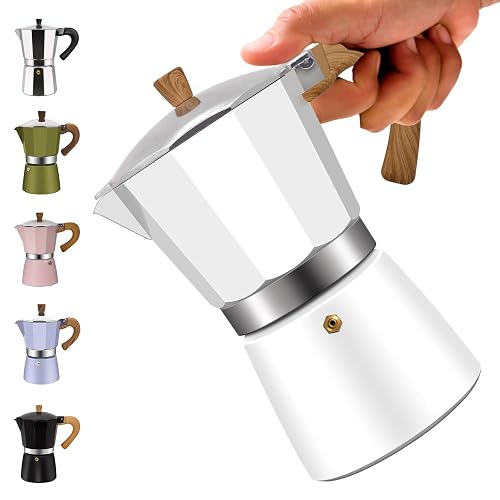
Vaolvpant 3 Cup Aluminum Moka Pot 150ml 5oz

SIXAQUAE Moka Induction Stovetop Espresso Maker 240ml

LAOION Stovetop Espresso Maker 6Cup 240ml

Mongdio Stovetop Espresso Maker 6 Espresso Cups 10 oz

LAOION Stovetop Espresso Maker 6Cup 10 oz Stainless Steel
More Details On Our Top Picks
The stainless-steel body gives this WALDWERK model a more durable feel than the aluminum-heavy shape of the Vaolvpant pot below. The oak wood handle also changes the daily experience, since it adds a warmer grip point and a cleaner visual break beside the metal chamber.
For induction cooktops, that material choice matters just as much as capacity. The 10oz size suits a couple of short cups or a single stronger serving, and the trade-off is a smaller output than the 6-cup models later in the list.
Strong Points
- Stainless-steel build suits modern cooktops and regular kitchen use.
- Oak wood handle adds a steadier, more comfortable touch point.
- 10oz capacity fits compact brewing routines without excess waste.
- The cleaner metal finish is easier to pair with minimalist cookware.
Things To Consider
- The smaller chamber leaves less room for larger household batches.
- Wood handle care usually needs a bit more attention than plain metal.
Feature Snapshot
Whose Shelf It Belongs On
Home cooks using an induction stove and wanting a compact, better-finished moka pot will get the most from this one.
Where A Sibling Pick Shines
LAOION Stovetop Espresso Maker 6Cup 240ml suits households that want a larger serving window and like seeing the brew chamber in use.
This Vaolvpant pot keeps the formula lean, with a 3-cup footprint that suits solo brews or a very small kitchen setup. Compared with WALDWERK’s steel-and-wood feel, it leans more toward simple function than finish.
Aluminum is lighter than stainless steel, so it usually feels easy to handle and store in a crowded cabinet. The trade-off is that the build leans more basic, which is exactly why this one makes sense for minimal routines rather than countertop display.
Upsides
- 3-cup size keeps portions tight and practical for one person.
- Aluminum body helps keep the pot light and easy to move.
- Simple shape fits compact storage and routine weekday use.
- White finish gives the pot a clean, plain look on the stove.
Minor Gripes
- Smaller capacity limits use in shared kitchens.
- Aluminum usually needs gentler cleaning than steel.
- Plain construction offers less visual interest than glass-top models.
Core Details
Built With In Mind
Solo drinkers and dorm-like kitchen setups will appreciate the small footprint and simple handling.
Another Choice May Suit
Mongdio Stovetop Espresso Maker 6 Espresso Cups 10 oz works better for anyone who wants more serving flexibility and a stronger visual presence.
The glass-top section makes this SIXAQUAE model feel more interactive than the fully metal pots earlier in the list. That visible chamber helps in a busy kitchen, where seeing the brew progress can matter more than a polished exterior.
Its 240ml size lands in the practical middle ground, large enough for a few cups but not so large that it takes over storage space. The trade-off is the extra surface complexity, which can mean a little more care during cleaning than a plain steel shell.
Highlights
- Glass-top section adds visibility during brewing.
- Stainless-steel body brings a sturdier overall feel.
- 240ml capacity suits small households or shared servings.
- Induction-friendly setup broadens stove compatibility.
Points To Note
- Glass components usually call for more careful washing and storage.
- Mixed materials can feel less straightforward than a single-metal build.
Quick Facts
Perfect Match For
Home coffee fans who like watching the process and want a mid-size stovetop pot will find this one well aligned.
Look Elsewhere When
Vaolvpant 3 Cup Aluminum Moka Pot fits smaller kitchens and simpler solo routines more cleanly.
LAOION’s 240ml format makes this a straightforward household pick, especially for kitchens that want enough output for more than one cup without going oversized. Compared with the WALDWERK model, it puts less emphasis on premium materials and more on visible brewing and practical capacity.
The glass-top and stainless-steel pairing gives it a distinct look, and that split-material design can be useful for anyone who likes seeing the brew chamber in motion. The honest trade-off is a bit more cleaning attention around the mixed materials, which is normal for this style.
Reasons To Buy
- 240ml size works well for shared morning routines.
- Glass top gives clear visual feedback during brewing.
- Stainless steel body fits regular kitchen use.
- Compact footprint keeps it easy to store.
Softer Spots
- Glass and steel together usually need more attentive cleaning.
- Those wanting a premium wood accent will prefer WALDWERK.
Details At A Glance
Who Should Grab It
Households that want a mid-size moka pot with a visible chamber and a clean steel profile will get the most from this pick.
Skip It When
SIXAQUAE Moka Induction Stovetop Espresso Maker is the better match for shoppers who want similar visibility with the same 240ml class.
The red finish changes the tone immediately, so this Mongdio pot feels more decorative than the plainer aluminum Vaolvpant model. That matters in open kitchens, where stovetop tools sit in view and visual character counts almost as much as brew capacity.
At 10 oz and 6 espresso cups, it lands in the useful middle zone for households that make coffee for more than one person. The trade-off is mostly aesthetic, since the finish brings personality but does not add the metal-based stove flexibility of the stainless picks.
Best Bits
- Red finish adds color without changing the basic format.
- 6-cup size suits modest shared brewing.
- 10 oz capacity keeps daily output practical.
- Simple moka shape stores neatly in standard cabinets.
Areas To Watch
- Aluminum construction usually benefits from gentler cleaning.
- Decorative styling matters less than material choice on some stoves.
- Those wanting induction compatibility should look to steel models.
Spec Overview
The Right Fit
Style-conscious kitchen owners who still want a practical stovetop moka pot will find this one easy to place.
Where Shoppers Go Wrong
LAOION Stovetop Espresso Maker 6Cup 10 oz Stainless Steel is the better choice for induction-focused kitchens and a more neutral finish.
This LAOION stainless-steel version reads as the most portable-minded option in the group, especially next to the more decorative Mongdio red model. The steel body gives it a familiar moka-pot profile that suits home counters, weekend cabins, and travel bags where durability matters more than ornament.
The 6-cup, 10 oz format sits in the same practical band as the others in the list, but the stainless finish usually feels easier to place in mixed kitchen setups. One thing worth considering is that steel can look plain beside the glass-top models, yet that plainness is often exactly why it works so well.
Positives
- Stainless-steel body offers a sturdy, travel-friendly feel.
- 6-cup, 10 oz size suits everyday brewing for one or two people.
- Neutral styling fits a wide range of kitchens.
- Compact moka format stores easily in luggage or cabinets.
Small Caveats
- The plain finish lacks the visual flair of glass-top pots.
- Shoppers wanting a wood handle will need to look elsewhere.
Feature Card
Who Will Love This
Travelers and practical home brewers who want a plain stainless moka pot will find this fit straightforward.
Reach For A Different Pick When
WALDWERK Stainless Steel Moka Pot 10oz Oak Wood Handle suits anyone who wants a warmer grip and a more finished look.
How To Choose The Right espresso makers for stove
Material Sets The Tone
Stainless steel usually makes sense for induction cooktops and for households that want a tougher-feeling body. Aluminum keeps weight down and often feels easier to store, but it tends to suit more basic routines and gentler cleaning. Mixed-material designs, like glass-top models, add visibility and style, yet they also add care requirements.
Capacity Should Match The Morning Routine
Three-cup and 5oz pots fit solo brewing, especially in apartments, dorm-style kitchens, or office setups. Six-cup and 10oz models suit couples or small households that want a bit more output without moving into bulky territory. The practical question is not only how much coffee gets made, but how often the pot will need to be refilled.
Handle Design Affects Daily Comfort
Wood handles bring a warmer touch and can make a metal pot feel more refined in hand. Plain metal handles are easier to wipe down, while glass-top sections help the brew remain visible. The trade-off is straightforward, more comfort and style usually means a little more attention during cleaning or storage.
Match The Pot To The Stove
Induction cooktops need compatible materials, so stainless-steel bodies deserve close attention. Standard gas and electric stoves are less demanding, which opens the door to lighter aluminum designs. For households that rotate between home, cabin, and travel use, a simple steel body often stays the least fussy choice.
A Quick Reality Check
Common Shopping Slip Ups
Capacity gets misread often, especially with moka pots that describe output in cups rather than mugs. A 6-cup pot rarely means six full coffee-shop drinks, so serving expectations need to stay grounded. Material also gets overlooked, and that leads to trouble with induction cooktops or extra care needs during cleaning.
Another mistake is treating style as the main filter. A glass-top pot can look more interesting, but a plain steel model may suit regular use better in a busy kitchen. Size, stove type, and storage space usually decide satisfaction more than finish alone.
What The Higher Tier Buys
Higher-priced moka pots usually spend that extra money on materials, finish quality, and stove flexibility. Stainless steel, wood accents, and mixed-material builds often feel more substantial than bare aluminum, and that matters in a kitchen where the pot stays visible on the counter.
The upgrade makes sense for frequent use, induction cooking, or anyone who prefers a cleaner visual profile. For occasional brewing, a simpler model can be the smarter fit, because there is little benefit in paying for details that will not see daily use.
Final Thoughts
The strongest espresso makers for stove in this group cover different habits rather than chasing the same role. WALDWERK suits induction kitchens that want a more finished look, Vaolvpant keeps things lean for solo brewing, and the two LAOION options offer practical mid-size choices. That leaves SIXAQUAE for cooks who like visible brewing and Mongdio for a more expressive style. The right pot usually comes down to stove compatibility, serving size, and how much visual detail belongs in the kitchen.



