

Japanese knives reward a board that gives a little, stays flat, and fits the way you prep. Hard surfaces chew through fine edges, so your choice matters more than the average kitchen accessory.
This roundup focuses on boards that suit sashimi work, daily chopping, and compact storage. You’ll also see a few combo sets for kitchens that want matching boards and knife storage in the same footprint.
Quick Look At The Shortlist

SHUMARU Mahogany End Grain Cutting Board 17×13×1.6 in

Yoshihiro Hi Soft High Performance Professional Grade Cutting Board (Medium)
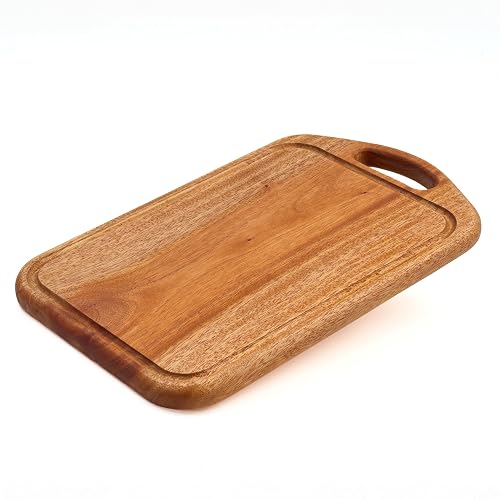
VieWood Khaya Wood Cutting Board

Joseph Joseph Folio Icon 8-Piece Colour coded Cutting Board Set
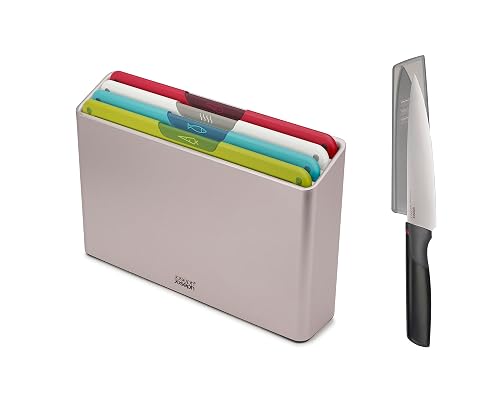
Joseph Joseph Folio Icon 4-Piece Multi Colour coded Cutting Board Set
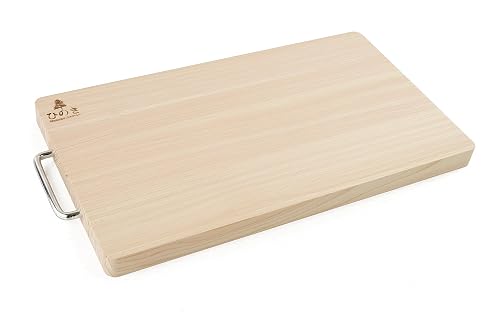
BOUMBI Hinoki Wood Reversible Cutting Board with Metal Handle 17.3×9.8×1.05 RM_Large

BOUMBI Hinoki Wood Reversible Cutting Board 17.3 x 9.8 x 0.55 Inch_Slim Large
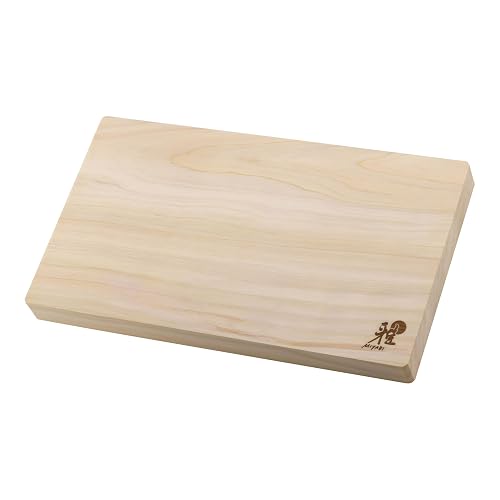
MIYABI Cutting board, Hinoki, Medium
More Details On Our Top Picks
End grain construction puts the wood fibers upright, which matters because Japanese knife edges meet a more forgiving surface than they do on glass or stone. In a busy kitchen, that can make this board feel calmer under quick prep, especially with the juice groove helping catch moisture from produce or carving.
The 17 by 13 inch footprint gives you real working room, and the 1.6 inch thickness adds a planted feel on the counter. The trade-off is weight and storage bulk, so this suits serious home prep better than a tiny galley setup.
Strong Points
- End grain layout is kinder to fine blades than hard synthetic surfaces.
- Juice groove helps keep wet ingredients from running across the counter.
- Non-slip feet add stability during fast chopping.
- Large surface supports carving, sashimi prep, and vegetable work without crowding.
- Thick build gives a substantial feel that suits regular use.
Worth Noting
- The thicker body takes more cabinet space than slimmer boards.
- Wood boards need routine drying and sensible cleaning habits.
- Heft can feel unnecessary for light snack prep.
Feature Snapshot
Who It Suits Best
Home cooks who handle larger prep sessions and want a substantial wooden board for fine blades will get the most from this SHUMARU piece.
A Better Fit Elsewhere
Yoshihiro Hi Soft High Performance Professional Grade Cutting Board (Medium) suits sashimi-focused prep better, since its softer profile is built around delicate knife work rather than heavy carving.
This one is the specialist in the group, and that’s the point. A soft board made for sashimi service gives your knife a smoother landing than the harder wooden options above, so fine slicing feels more controlled in a kitchen that values precision over brute force.
Medium sizing keeps it easier to store than the SHUMARU block, though the trade-off is less room for big prep piles. The honest read is simple, it fits cooks who care more about edge care and clean slicing than about a board doing everything at once.
What We Like
- Soft working surface suits delicate Japanese knife edges.
- Medium format is easier to store and move than bulkier butcher-block styles.
- Made in Japan signals a design aimed at sashimi prep habits.
- Better fit for controlled slicing than general-purpose hard boards.
Points To Note
- Specialized design leaves less room for rough, all-purpose chopping.
- Soft boards can show wear faster than thick hardwood surfaces.
- Most useful in kitchens that already have a separate prep board for heavy tasks.
Details At A Glance
Who Should Grab It
Knife enthusiasts and sashimi-oriented home cooks will appreciate the softer, more specialized feel of this Yoshihiro board.
Skip It When
SHUMARU Mahogany End Grain Cutting Board 17×13×1.6 in is the better call for larger carving jobs and heavier everyday prep.
VieWood takes a more general kitchen route than the Yoshihiro board, but it still has a useful shape for knife work. The juice groove and handle hole matter in daily use, because wet produce and easy lifting are the sort of details that save time in a real kitchen.
Khaya wood gives you a wooden surface with a more casual feel than the thick SHUMARU block, and that can suit cooks who want one board for vegetables, cheese, bread, and charcuterie. One thing worth considering is that the handle hole can make serving and moving easier, yet it also signals a board built for convenience rather than premium heft.
Highlights
- Handle hole makes carrying and serving easier.
- Juice groove helps contain mess from produce and sliced meat.
- Works across vegetables, cheese, bread, and charcuterie.
- Wood surface feels more knife-friendly than glass or stone.
Room For Improvement
- Less specialized than the Yoshihiro board for sashimi work.
- Convenience-focused design may not satisfy shoppers who want a thicker butcher-block feel.
- Wood care still matters for long-term surface quality.
Core Details
Built With In Mind
Home cooks who want one wooden board for mixed prep and occasional serving will find this VieWood shape easy to live with.
A Better Fit Elsewhere
BOUMBI Hinoki Wood Reversible Cutting Board with Metal Handle 17.3×9.8×1.05 RM_Large suits you better when reversible use and a more Japanese-leaning wood choice matter more than a serving-friendly hole.
This set changes the conversation, because it is less about a single board and more about organized prep. Colour coding helps keep tasks separated in a busy kitchen, and the slimline case is the sort of thing that matters when counter space is already crowded.
The included Japanese stainless steel knives give it a broader role than the all-wood picks above, but that also means you’re choosing a storage system, not just a board. For most kitchens, it’s a smart fit when tidiness and task separation matter more than the warm feel of wood.
Reasons To Buy
- Multiple boards support organized ingredient separation.
- Colour coding helps reduce mix-ups during prep.
- Slim case keeps the set together in a neat footprint.
- Included Japanese stainless steel knives add value for a new setup.
Small Caveats
- More storage complexity than a single board.
- Knife included means the set may appeal less to cooks who already own a full knife kit.
- Graphite case styling feels more utility-driven than warm or decorative.
Feature Rundown
Best Suited To
Organized home cooks and family kitchens will get the most from this Joseph Joseph set, especially where separate boards for different tasks help keep prep tidy.
Another Choice May Suit
MIYABI Cutting board, Hinoki, Medium fits better for knife-focused prep when you want a simpler wooden board without the storage-system approach.
This version trims the Folio idea down to a smaller footprint, which helps in apartments or kitchens where every inch matters. The multi-colour coding still gives you clear task separation, so the setup keeps its logic even though the kit is less sprawling than the 8-piece version.
The included Japanese stainless steel knife makes it more of a starter system than a bare board set, and that can be useful for someone setting up a first organized prep station. The trade-off is obvious, you get less volume than the larger Folio Icon set, so bigger households may outgrow it sooner.
Best Bits
- Smaller set takes less storage space than the 8-piece version.
- Colour coding helps keep prep tasks separate.
- Includes a Japanese stainless steel knife for a more complete setup.
- Slim case keeps the pieces together and tidy.
Areas To Watch
- Less board capacity than the larger Folio Icon set.
- Not as flexible for big cooking projects.
- Storage case still needs a dedicated spot.
Quick Facts
Whose Shelf It Belongs On
Small households and compact kitchens will benefit most from this Joseph Joseph set, especially where neat storage matters as much as the boards themselves.
Where A Sibling Pick Shines
Joseph Joseph Folio Icon 8-Piece Colour Coded Cutting Board Set is the stronger call for bigger kitchens that need more board capacity and broader task separation.
Hinoki, a Japanese cypress wood, is known for a lighter, gentler feel than many dense hardwoods, and that suits sharp blades well. This BOUMBI board adds a metal handle and reversible use, so it’s easier to move around and flip depending on the task.
The size is generous without being as imposing as the SHUMARU block, which makes it a strong middle ground for cooks who want a real prep surface but not a heavy butcher-block presence. In practice, that makes it feel like a sensible daily board for kitchens that value wood, simplicity, and a little flexibility.
Upsides
- Hinoki wood is a natural fit for knife-friendly prep.
- Reversible layout gives you two usable sides.
- Metal handle makes carrying and repositioning easier.
- Large enough for everyday slicing without feeling oversized.
Honest Caveats
- Metal handle adds a different feel than fully wood-only boards.
- Reversible design still needs regular cleaning on both sides.
- Less heavy-duty than the thicker SHUMARU board for carving.
Feature Card
The Right Fit
Home cooks who want a hinoki board with easier handling and a practical reversible layout will find this BOUMBI option appealing.
Reach For A Different Pick When
SHUMARU Mahogany End Grain Cutting Board 17×13×1.6 in makes more sense for heavier carving work and a thicker, more grounded build.
This slimmer BOUMBI board keeps the same hinoki and reversible idea, but the thinner profile changes the feel right away. It’s easier to store, easier to lift, and better suited to lighter prep than the thicker RM_Large version, which makes it a practical fit for compact kitchens.
The trade-off is stability and mass, because a slim board never feels as planted as a thicker one. That said, plenty of home cooks want exactly this kind of board for fruit, herbs, and quick knife work, where convenience matters more than a heavy block.
Positives
- Slender profile takes less space in drawers and cabinets.
- Reversible design adds day-to-day flexibility.
- Hinoki wood keeps the material story aligned with knife-friendly prep.
- Easier to move for quick cleanups and serving.
Minor Gripes
- Less planted than the thicker BOUMBI hinoki board.
- Best suited to lighter prep rather than big carving sessions.
- Wood care still matters, especially around moisture and drying.
At A Glance
Who Will Love This
Apartment kitchens and light daily prep stations are the sweet spot for this BOUMBI board, especially where storage space is tight.
Look Elsewhere When
BOUMBI Hinoki Wood Reversible Cutting Board with Metal Handle 17.3×9.8×1.05 RM_Large is the better fit for shoppers who want more thickness and a steadier feel.
This MIYABI board closes the list with a clean, minimal reading of hinoki wood. That simple material choice matters for Japanese knives, because it keeps the board’s job focused on giving the blade a friendlier surface than hard composite or stone-like alternatives.
Medium sizing makes it easier to live with than a large butcher block, and that’s useful in everyday kitchens where the board comes out often. The trade-off is straightforward: you gain elegance and manageability, but you give up the extra mass and spill control of the bigger wooden options.
Plus Points
- Hinoki construction pairs well with fine kitchen blades.
- Medium size fits everyday prep without dominating the counter.
- Simple design is easy to slot into most kitchens.
- Good middle ground between a compact board and a heavy block.
Softer Spots
- No extra features such as a groove or carry handle appear in the provided data.
- Less capacity than larger board formats for long prep sessions.
- Best suited to straightforward slicing rather than messy carving work.
Technical Sheet
Perfect Match For
Home cooks who want a straightforward hinoki board for regular knife work will find this MIYABI option easy to understand and easy to live with.
Skip It When
SHUMARU Mahogany End Grain Cutting Board 17×13×1.6 in makes more sense for larger, messier prep and a heavier counter presence.
How To Choose The Right cutting boards for japanese knives
Material Matters More Than Flash
Japanese knives usually favor softer, more forgiving surfaces, so wood and hinoki-style boards deserve attention before appearance does. Hard glass, stone, or very rigid composites can be rough on a fine edge and make the board feel harsher during slicing.
End grain wood, where the fibers stand upright, gives a different feel from face grain wood, where the surface runs across the board’s face. End grain tends to suit heavier prep, while hinoki and other lighter woods often appeal to cooks who want a gentler landing.
Size, Thickness, And Storage
A larger board helps with long vegetables, fish fillets, and carving, but it also takes more counter and cabinet space. Slim boards are easier to store, though they can feel less planted during fast chopping.
Thickness changes the way the board sits under your knife and how much heft it adds to the counter. For daily prep in smaller kitchens, a medium board often lands in the sweet spot.
Features That Actually Help
Juice grooves matter during meat prep, tomato work, and fruit slicing because they help keep liquids from spreading. Non-slip feet or a more stable base also matter, especially on smooth countertops.
Handle holes, reversible faces, and colour-coded storage all solve different ownership problems. They do not change the cutting feel as much as the material does, but they can make the board easier to live with.
Things Worth Knowing First
Mistakes Worth Dodging
Many shoppers focus on appearance and skip the part that matters most, which is how the board behaves under a sharp blade. A beautiful surface that is too hard or too thin can be awkward very quickly.
Another common mistake is buying oversized wood for a compact kitchen. That looks serious on day one and becomes annoying every time you need to clear the counter.
Where The Extra Money Goes
Higher-tier boards usually cost more because of material quality, finishing, thickness, and more thoughtful construction. End grain builds, hinoki wood, and integrated storage systems all add complexity that shows up in the price structure.
The upgrade makes sense for you when knife care, stability, and daily comfort matter more than basic utility. For lighter prep or occasional use, a simpler board often does enough without extra bulk.
Frequently Asked Questions
What board material suits Japanese knives best?
Wood is the safest general starting point, and hinoki is especially popular for a softer feel. End grain wood also works well because the cutting surface gives a little more under the blade.
Do you need a very thick board?
Not always, but thickness helps with stability and a sturdier feel. A thicker board suits heavy prep, while a slimmer board is easier to store.
Are juice grooves useful for knife work?
Yes, especially for fruit, tomatoes, and carved meat. The groove helps contain liquid so the work area stays more controlled.
Is a reversible board worth it?
It can be, because you gain a second usable side without buying another item. That matters most in busy kitchens where prep moves fast.
What size suits everyday cooking?
Medium boards usually fit most home kitchens well. They give enough room for slicing and chopping without taking over the counter.
Final Thoughts
You get the best result from a cutting board that respects the way Japanese knives cut, not just the way the board looks on a product page. For serious prep, the SHUMARU and Yoshihiro picks lead in different directions, while the BOUMBI and MIYABI options keep things simpler and easier to store. Set your choice around your counter space, your knife habits, and how often you actually cook, and the right board becomes obvious. That’s the quiet advantage here, a better surface changes the whole rhythm of prep without asking for much attention.



