

Butcher block countertops for island setups have a very practical job, they add a durable work surface while tying storage, prep, and seating into one piece. Some options lean toward mobile utility, others favor a heavier countertop feel, and the differences matter in a busy kitchen or a garage-style work area. The six picks below cover rolling carts, solid hardwood slabs, and wide table tops, so the right match depends on space, finish preference, and how much modification fits the plan.
The Shortlist At A Glance
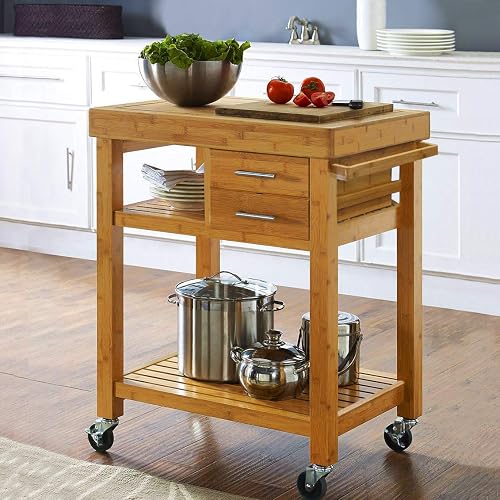
Home Aesthetics Rolling Kitchen Island Cart
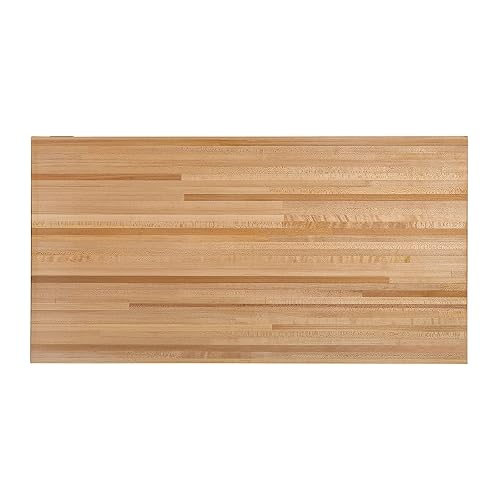
CONSDAN Hard Maple Butcher Block Counter Top 30″ x 25″

ONBRILL 60″ Kitchen Island with Trash Can Storage
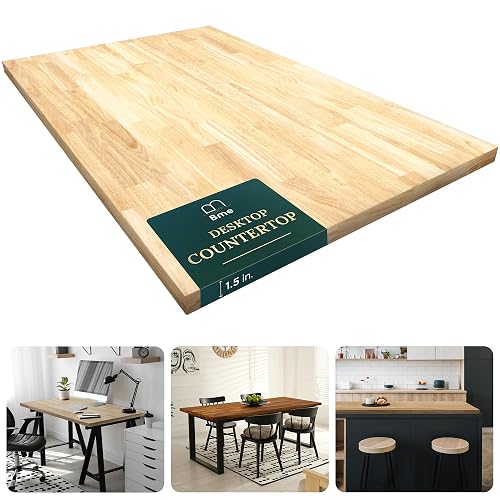
Bme Hevea Solid Wood Butcher Block Countertop 48″ x 30″

Howizz 72×30 in Solid Wood Table Top

CONSDAN Walnut Butcher Block Counter Top 12″ x 25″
More Details On Our Top Picks
Mobile island carts solve a common problem, they add prep space without locking a room into one layout. This Home Aesthetics cart leans practical, with drawers, shelves, a towel rack, and locking casters that help it stay put once positioned. In a compact kitchen, that mix matters more than decorative styling. Bamboo wood also gives it a lighter, cleaner look than the heavier slab options later in this list.
The trade-off is straightforward, a rolling cart rarely feels as permanent as a fixed butcher block top. For busy kitchens or apartments, though, that flexibility is often the point, especially when storage has to do some of the work too. The honest read is that this suits people who want a prep surface that can shift with the day, then park out of the way.
Strong Points
- Drawers and shelves add day-to-day storage.
- Locking casters help keep the cart steady once placed.
- Towel rack keeps prep linens close at hand.
- Bamboo surface brings a lighter visual profile than a thick slab.
Things To Consider
- Rolling construction does not feel as permanent as a built-in island.
- Open use usually calls for regular wiping around moving parts.
- Best fit depends on having enough floor space to maneuver it.
Feature Snapshot
Who Will Love This
Small-kitchen households and apartment cooks need flexible prep space with built-in storage.
Where A Sibling Pick Shines
Bme Hevea Solid Wood Butcher Block Countertop suits renovators who want a fixed, thicker surface for a more permanent island build.
Hard maple brings a denser, more traditional butcher-block feel, and this CONSDAN top is aimed at projects that need a true slab rather than a cart-style base. The 1.5-inch thickness gives it visual weight, while the prefinished, food-safe oil treatment helps shorten the finishing work for a laundry counter, utility top, or compact island surface. For a renovation that needs a clean hardwood line, that combination makes sense. It feels more like a fitted building piece than a casual add-on.
The compromise is size, because 30 by 25 inches fits smaller zones more naturally than a broad island footprint. That makes it a stronger match for laundry rooms, bar zones, or a narrow kitchen extension than a full chef-style island. Still, for someone replacing a tired laminate section, the maple grain and polished face bring a more finished result without extra ornament.
What We Like
- Hard maple construction gives it a dense, classic butcher-block character.
- 1.5-inch thickness adds a substantial look on a compact run.
- Prefinished oil treatment reduces the finishing steps at installation.
- Works for laundry, table, or counter projects beyond the kitchen.
Room For Improvement
- Smaller footprint limits use on larger island builds.
- Hardwood surfaces usually need routine care to keep their finish even.
- Project fit depends on accurate measuring before placement or cutting.
Core Details
Built With In Mind
Compact remodels and utility-room projects benefit most from this smaller hardwood slab.
Look Elsewhere When
ONBRILL 60″ Kitchen Island with Trash Can Storage suits households that need a larger all-in-one island with appliances and storage built around it.
Some island carts stay simple, this ONBRILL model stacks functions with a trash can compartment, power outlet, and drop leaf. The drop leaf is the hinge-style section that folds out to add serving or prep room, so it matters in kitchens where square footage changes quickly. White finish keeps the footprint visually calm, which helps in rooms already busy with cabinets and appliances. For long cooking sessions, that built-in utility can be more useful than plain storage.
The catch is that feature density can also mean more to keep track of. Cords, hinges, and cabinet space all add convenience, but they also make layout decisions more important than they are on a simpler cart like the Home Aesthetics pick. The strongest fit is a household that wants one central station to handle prep, light appliance use, and waste management.
Highlights
- Trash can storage keeps waste tucked out of sight.
- Power outlet supports small appliances near the work zone.
- Drop leaf adds flexible surface area for serving or prep.
- Storage cabinet and adjustable shelf help organize supplies.
- Rolling base keeps the island easier to reposition than a fixed unit.
Points To Note
- More moving parts mean more to consider during setup and daily use.
- Cabinet-style storage usually asks for regular cleaning inside and around the edges.
- White finishes tend to show use patterns sooner than darker surfaces.
Details At A Glance
Right Fit For
Large family kitchens and cooks who want a central utility hub will get the most from this layout.
Skip It When
Bme Hevea Solid Wood Butcher Block Countertop is the cleaner match for a custom island build that calls for a straightforward slab rather than integrated extras.
Large islands need presence, and this Bme Hevea slab brings it with a 48 by 30 inch footprint and 1.5-inch thickness. Because it ships unfinished, it gives a custom-build path that feels closer to raw material than a decorated furniture piece. That matters for renovators who want stain color, edge treatment, or sealing to match the rest of the room. The result should suit a kitchen that needs a serious work surface without losing the warmth of wood grain.
The trade-off shows up in the finish work, since unfinished hardwood asks for more planning than the prefinished CONSDAN tops. For a full island conversion, though, that extra step is often part of the appeal. It gives more control over the final look, and the 48-inch span creates room for prepping, plating, or casual seating on a substantial central run.
Upsides
- Large 48 by 30 inch size suits broader island footprints.
- 1.5-inch thickness gives the slab a substantial profile.
- Unfinished surface allows custom sealing and color matching.
- Solid wood construction offers the feel of a true built-in top.
Softer Spots
- Unfinished wood needs finishing work before regular kitchen use.
- Installation planning matters because the slab is sized for larger layouts.
- Routine wood care helps preserve the surface over time.
Quick Facts
Whose Shelf It Belongs On
Home renovators who want a large, custom-finished island top are the strongest match here.
Another Choice May Suit
CONSDAN Hard Maple Butcher Block Counter Top works better for smaller utility spaces that need a prefinished slab with less setup.
Wide tabletops like this Howizz piece do more than sit on a base, they set the scale of the room. At 72 by 30 inches with a 1-inch thickness, it offers a long surface that can serve as a desk, workbench, or oversized island-style counter. The teak-look chevron pattern adds a stronger decorative note than the plainer hardwood slabs above, which makes it better suited to visible, finished spaces. In a studio kitchen or workshop corner, that longer run can be the difference between cramped and workable.
The trade-off is that a large top needs the right support underneath, so the base matters as much as the slab itself. Because it sits in the industrial table-top category, it is more project-oriented than the Bme or CONSDAN slabs. The honest read is that this belongs with people building a wide surface from scratch, not those looking for a drop-in island add-on.
Best Bits
- 72-inch length gives a generous working span.
- 1-inch thickness keeps the profile substantial without extra bulk.
- Teak-look chevron finish adds a more styled appearance.
- Works well for desks, workbenches, and custom island builds.
Areas To Watch
- Large size requires a base that can support the span properly.
- Project use means installation planning takes more attention.
- Decorative grain pattern may not suit every kitchen style.
Technical Sheet
Best Suited To
DIY installers building a custom desk, workbench, or very wide island surface will get the best fit here.
Reach For A Different Pick When
Home Aesthetics Rolling Kitchen Island Cart suits renters and smaller kitchens that need mobility more than a broad fixed top.
Walnut changes the mood of a space fast, bringing a darker tone than the maple top above and a more compact footprint than the larger slabs in this list. This CONSDAN piece is reversible and polished on both sides, so it suits smaller kitchen zones, tray areas, or a narrow island extension where a finished look matters more than sheer size. The prefinished food-safe oil treatment also cuts down on immediate surface prep. For tight spaces, that can be the most practical part.
The obvious limitation is scale, because 12 by 25 inches fits niche applications rather than a main island run. Still, that smaller size can be a strength in apartments, coffee corners, or utility spaces where a full slab would overwhelm the layout. The finish is cleaner than an unfinished blank, though routine wood care still matters in everyday use.
Reasons To Buy
- Compact size fits tight kitchen or utility zones.
- Walnut tone adds a richer, darker visual note.
- Reversible design gives two usable faces.
- Prefinished oil treatment helps shorten setup work.
Minor Gripes
- Small footprint limits use on a main island surface.
- Smaller slabs can feel more like an accent piece than a full countertop.
- Wood surfaces still need regular maintenance to keep their finish even.
Feature Rundown
Who Should Grab It
Apartment kitchens and small utility spaces are the natural fit for this compact walnut top.
A Better Fit Elsewhere
CONSDAN Hard Maple Butcher Block Counter Top works better for shoppers who need a larger prefinished surface with more countertop reach.
How To Choose The Right butcher block countertops for island
Match Size To The Room, Not The Wish List
Island tops work best when the footprint matches the real floor plan. A 12 by 25 inch slab can fill a narrow nook, but a 60-inch cart or a 72-inch worktop changes how people move around the room. Wider options give elbow room for prep and serving, while compact pieces stay friendly in apartments, laundry rooms, and secondary work areas.
Thickness also changes the feel. A 1.5-inch slab reads as more permanent and substantial, while a 1-inch top often suits project builds that already have a strong base. The right size is not just about coverage, it also affects how easy the island is to place, clean, and live with day to day.
Choose Finish Based On How Much Setup Fits
Prefinished wood is the easier path for most homes because it arrives closer to install-ready. Oil-finished maple or walnut usually asks for less initial work than unfinished hevea, which leaves more control in exchange for more labor. That trade-off matters in real kitchens, where delaying a project for extra finishing steps can become a headache.
Unfinished slabs suit custom builds, stain matching, and remodels with a clear finishing plan. Prefinished pieces help faster turnarounds and simpler ownership, though they can narrow the customization range. A clean, even finish also makes maintenance more predictable, especially in spaces that see cooking, dish staging, and repeated wipe-downs.
Decide Whether Mobility Or Permanence Wins
Rolling island carts solve space problems that fixed slabs cannot. Locking casters, drawers, shelves, and towel racks turn a simple top into a mobile station, which helps in apartments, multipurpose rooms, and kitchens that change layout often. The downside is obvious: carts rarely feel as solid as a built-in island top.
Fixed slabs make more sense for remodels and larger kitchens. They look more intentional on a cabinet base and often suit people who want the island to feel anchored. In contrast, a cart like the Home Aesthetics model is the better answer for households that need the work surface to move, park, and reset throughout the day.
Things Worth Knowing First
Hidden Buying Traps
Many shoppers focus on wood species and forget the base underneath. A 72-inch top needs support that can carry its span, and a cart-style island needs casters that work on the actual floor surface. Measuring cabinet width, clearance, and overhang ahead of time prevents awkward returns and makes the installation go more cleanly.
Finish care is another common miss. Hardwood surfaces look straightforward, yet they still ask for routine wiping and occasional upkeep to keep the surface even. Smaller pieces often serve as accents, not full islands, so the intended use should be clear before sizing up the project.
Where The Extra Money Goes
Higher-tier options usually cost more because of material density, larger size, and better finishing. Hard maple and walnut bring a more traditional feel than lighter utility woods, while thicker slabs and wider lengths add more raw material. Integrated storage, outlets, drop leaves, and reversible surfaces also raise complexity, which tends to show up in the price structure.
The upgrade pays off most in kitchens that are used daily and seen often. A custom-finished slab or a feature-rich island gives the room a more complete look, while a compact utility top makes sense when the job is simpler. Paying more only makes sense when the added surface, hardware, or finish actually solves a layout problem.
Final Thoughts
Butcher block countertops for island projects reward careful matching more than flashy extras. A rolling cart works for flexible kitchens, a heavy unfinished slab fits custom builds, and compact prefinished tops handle smaller zones with less fuss. The right choice comes down to space, finish work, and how permanent the setup should feel. Pick the surface that fits the room, and the rest tends to fall into place.



