

An induction hob is fast and efficient, but it refuses to cooperate with aluminum moka pots, copper saucepans, and most classic stovetop espresso makers. An adapter plate sits between the burner and your pan, bridging that magnetic gap so old favorites still work. This guide walks through five stainless steel diffusers worth a look in 2026, from a compact five-inch disc to an eleven-inch workhorse with a detachable handle.
A Side-By-Side Look
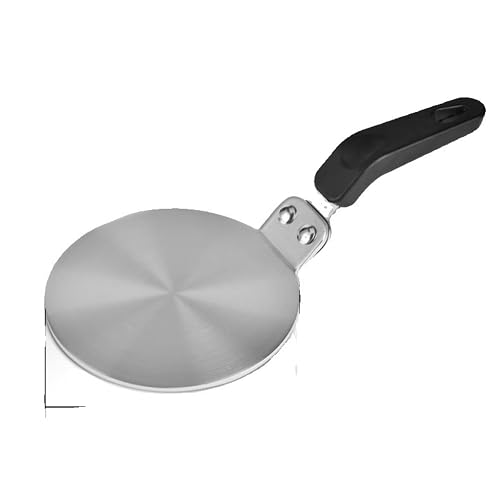
NISPOTDOR Moka Pot Induction Adapter Plate 5inch
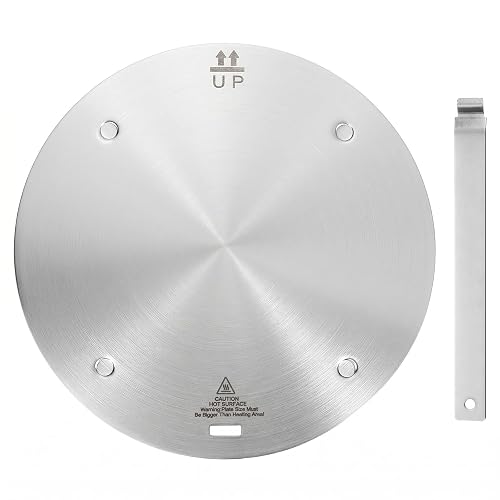
Grourarty Stainless Steel Induction Adapter Plate 11inch
Grouarty Induction Converter Plate With Handle 9.45inch
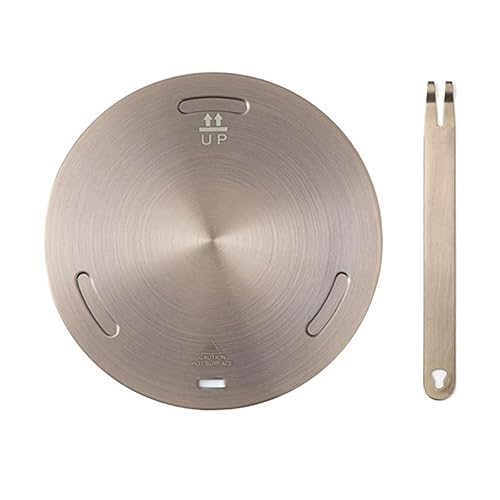
Flygragon Heat Diffuser Plate 11Inch Detachable Handle
Grourarty Heat Diffuser Plate with Handle 6.3Inch
A Breakdown Of The Leading Choices
A small disc like this earns its drawer space by doing one job well. The five-inch footprint matches the base of a typical moka pot, which matters because an oversized plate wastes energy and heats empty metal around the edges.
On a gas burner it also acts as a flame shield, softening direct fire so coffee extracts slower and tastes less scorched. That dual role makes it useful long after you switch cooktops.
Advantages To Know
- Five-inch diameter lines up neatly with standard moka pot bases
- Doubles as a gas-flame guard for gentler, longer brews
- Flat profile stores easily in a crowded utensil drawer
- Stainless construction shrugs off daily stovetop abuse
Things To Consider
- The compact surface limits you to small pots, so larger saucepans overhang the edge
- Wipe it down after each session, since coffee drips bake onto hot steel quickly
At A Glance
Who It Suits Best
Espresso drinkers with a single beloved moka pot who want slow, controlled extraction without replacing their cookware.
Where A Sibling Pick Shines
Cooks juggling bigger pots will get more mileage from the Grourarty Stainless Steel Induction Adapter Plate 11inch, whose wide face covers family-size saucepans.
Where the NISPOTDOR disc serves one pot at a time, this eleven-inch Grourarty plate handles a whole evening of cooking. The broad steel face spreads heat across its entire surface, which is what lets non-magnetic aluminum and copper pans behave on an induction ring in the first place.
The attached handle is the detail that separates it from bare discs. You can reposition a hot plate mid-cook without grabbing a towel, a small thing you’ll appreciate during a simmering stew or when shifting a tea kettle off the heat.
Notable Gains
- Eleven-inch face covers large stockpots and wide skillets evenly
- Built-in handle lets you move the plate while hot
- Even distribution helps prevent scorched sauces and burnt milk
- Serves as a warming plate for keeping finished dishes hot
- Suitable across induction, electric, gas, and glass hobs
Worth Noting
- Large plates take several minutes to heat through before the pan above benefits
- The fixed handle adds bulk to cabinet storage compared with flat discs
Made For
Home cooks converting an entire mixed-material pot collection to an induction range rather than one specialty vessel.
Swap It Out When
Tight burners and small kitchens suit the Grouarty Induction Converter Plate With Handle 9.45inch better, since its slightly smaller face fits compact hobs without overhang.
This is the middle child of the Grourarty lineup, and in many kitchens the nine-and-a-half-inch size is actually the smartest choice. It’s wide enough for medium saucepans and espresso makers alike, yet it doesn’t swallow a standard burner the way the eleven-inch version can.
Same story with handling: the carry handle stays put while the plate works, then lets you lift everything off the hob in one motion. Owners of glass-top ranges commonly report that a handled plate feels noticeably safer than sliding a bare hot disc around with tongs.
A Few Strong Suits
- Mid-size diameter balances coverage against burner efficiency
- Handle supports safe repositioning of hot plates on glass cooktops
- Smooths out hot spots that scorch milk and delicate sauces
- Handles moka pots, kettles, and butter warmers with equal ease
Trade Offs To Consider
- Pans wider than roughly ten inches will overhang the plate’s working surface
- Like all steel diffusers, expect some rainbow discoloration near the center over months of use
Right Fit For
Apartment dwellers and glass-top owners who cook for one or two people and want one plate that covers most daily pots.
Reach For A Different Pick When
Households running big pasta nights or batch cooking should step up to the Flygragon Heat Diffuser Plate 11Inch Detachable Handle, built for heavier, more frequent service.
Grourarty’s handled plates keep their grips permanently attached; Flygragon takes the opposite approach with a detachable handle that pops off once the plate is in position. That means nothing sticks out past the burner edge, and the plate stores completely flat.
The listing positions this plate toward commercial food-service equipment, which hints at a thicker, more demanding build than typical home discs. For anyone simmering stock for hours or running back-to-back batches, that extra heft is where the value lives.
Useful Highlights
- Detachable handle keeps the working surface flush with the burner
- Full-size eleven-inch face suits wide skillets and stockpots
- Commercial-grade positioning suggests durability under frequent use
- Compatible with gas, electric, and glass cooktop surfaces
- Flat storage once the grip comes off
Points To Note
- You’ll need counter space to set the hot handle aside during cooking
- Long preheat times are unavoidable at this diameter, so plan simmer recipes accordingly
- Overkill for someone who only brews espresso on weekends
Quick Facts
Who Will Love This
Frequent entertainers, batch cooks, and small-scale caterers who need a diffuser that survives daily heavy cycles.
Skip It When
Solo espresso brewers will find the six-point-three-inch Grourarty Heat Diffuser Plate with Handle far easier to manage on a small burner.
Not every job needs an eleven-inch slab of steel. This 6.3-inch Grourarty targets the small-vessel crowd: moka pots, butter warmers, single-serve milk pans, and teapots. Its three-layer construction pairs stainless skins with an aluminum core, and that middle layer is what evens out the heat instead of letting the burner ring scorch a circle into your pan.
Cleaning is refreshingly simple too. The smooth steel face goes in the dishwasher or rinses under soapy water once it has fully cooled, which owners say takes longer than expected given how much heat these plates hold.
Real-World Strengths
- Three-layer build with an aluminum center spreads heat evenly and protects flavor
- Compact size heats faster than large plates, saving time on quick tasks
- Dishwasher-safe surface cuts cleanup to almost nothing
- Handle allows safe carrying straight off the hob
- Works across induction, gas, electric, and glass burners
Honest Caveats
- Match the plate to your burner’s heating zone; a mismatched size wastes energy and heats poorly
- Too small for anything beyond two-quart cookware, so check your pot bases first
Feature Snapshot
The Right Fit
Coffee enthusiasts and small-space cooks who mostly heat one or two cups’ worth at a time and want fast, gentle results.
Another Choice May Suit
Larger households doing full-meal cooking belong with the Grourarty Stainless Steel Induction Adapter Plate 11inch, which brings double the coverage.
What Matters Most Before Choosing Induction Adapter Plates
Match Diameter To Your Burner And Pots
An adapter only transfers energy across the area it covers, so a five-inch plate under a ten-inch skillet leaves the outer rim cold. Measure the bases of the pans you actually use most, then pick a plate within about an inch of that width. On induction specifically, the plate must also sit inside the burner’s detection zone or the hob won’t activate at all.
Weight And Layers Shape Performance
Thicker plates hold steadier temperatures but demand patience; a heavy eleven-inch disc may need five minutes of preheating before your pan notices anything. Multi-layer designs, like the stainless-aluminum-stainless stack in the Grourarty 6.3-inch, distribute heat more uniformly than plain steel. Slow-simmer fans gain the most from that extra mass.
Handles Change Daily Handling
A fixed grip offers grab-and-go convenience but eats cabinet space. A detachable handle keeps the burner surface clear, which matters on tight four-burner ranges where a protruding arm collides with neighboring pots. Decide which annoyance you’d rather live with before ordering.
Cleaning Reality Check
Steel diffusers discolor with heat and trap grease around rivets and edges. Smooth-faced, dishwasher-safe models reset in seconds; textured or riveted ones need a scrub. Frequent users should weight this more heavily than they might expect.
Key Considerations Across These Picks
Traps First Timers Fall Into
The most common mistake is buying oversized. Bigger sounds better until you realize a huge plate on a small induction ring barely warms through. The second slip: ignoring pot-base measurements entirely. Thirty seconds with a tape measure prevents most returns in this category.
The Upgrade Payoff
Higher-tier plates cost more for real reasons: thicker steel that resists warping, layered cores for even heating, and thoughtful touches like detachable handles. Casual espresso brewers can skip the premium tier. Anyone cooking daily on converted cookware recovers the difference in consistency alone.
Frequently Asked Questions
Do induction adapter plates work with all cookware?
They work with any flat-bottomed pot, since the plate itself provides the magnetic surface. Warped or rounded bases make poor contact and heat unevenly.
How much slower is cooking through an adapter plate?
Expect noticeably longer preheat times, often several minutes depending on plate thickness. Once hot, steady simmering performs close to normal.
Can I leave the plate on the burner between uses?
It’s better to remove it after cooling so the hob surface stays scratch-free. Residual heat can also mark glass cooktops over time.
Are these plates dishwasher safe?
Several models, including the Grourarty 6.3-inch, are rated for dishwasher cleaning. Always let the plate cool fully first to avoid thermal shock.
What size should I buy for a moka pot?
A five to six-and-a-half inch plate matches nearly all stovetop espresso makers. Anything larger simply wastes energy around the pot’s edges.