

Rolling dough is easier with a surface that stays put, cleans up quickly, and gives enough room for shaping without crowding the counter. The strongest dough mats for rolling in this list cover different habits, from large silicone work surfaces to a traditional cloth setup that suits flour-heavy pastry work. The right choice depends on whether the kitchen leans toward bread, cookies, pizza, or detailed pastry prep.
The Shortlist At A Glance

volikos Silicone Baking Mat 28″ x 20″
volikos Silicone Baking Mat 24″ x 16″
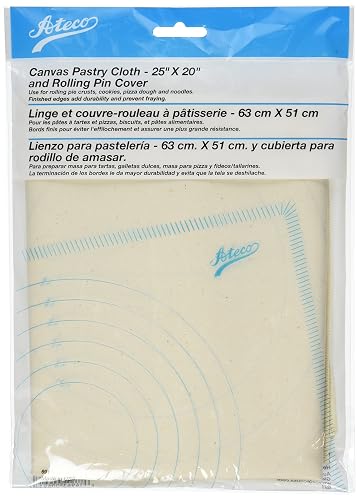
Ateco Canvas Pastry Cloth and Rolling Pin Cover

Mimekitchen Extra Thick Silicone Baking Mat 26×16 inch

Ourokhome Silicone Baking Mat Sheet and Pastry Dough Cutter

Bredominant Silicone Baking Mat with 10 Recipes
More Details On Our Top Picks
The 28 by 20 inch surface gives this volikos mat the kind of working room that matters for pizza rounds, pie crusts, and multi-sheet cookie prep. The measurement markings and raised edge design help keep flour and dough from creeping past the working zone, which suits busy kitchens that do not have much spare counter space.
Compared with the smaller 24 by 16 inch version in this list, this one favors scale over compact storage. The trade-off is simple, more coverage usually means more space to clean and more cabinet room to find.
Strong Points
- Large surface suits bigger dough portions and wider rolling passes.
- Marked layout helps with portioning and spacing.
- Raised border gives the work area a more contained feel.
- Silicone construction tends to wipe down faster than fabric pastry cloths.
- Useful for bread, fondant, pasta, and pie prep in one place.
Points To Note
- The broad footprint can feel oversized on narrow counters.
- Silicone mats can take up drawer space more quickly than cloth alternatives.
- The size is practical, but it asks for a little more cleaning effort after sticky dough.
Feature Snapshot
Built With In Mind
Home bakers who work with larger batches or wide pastry rounds get the most from this mat.
A Better Fit Elsewhere
Ourokhome Silicone Baking Mat Sheet and Pastry Dough Cutter suits smaller kitchens that want a thicker mat with a built-in cutter accessory.
This smaller volikos mat keeps the same measured, silicone-based approach as the larger model, but the 24 by 16 inch footprint fits tighter counters with less fuss. For apartment kitchens, dorm setups, or a shared prep area, that trim sizing can matter more than extra coverage.
The honest read is that it gives up some room for large pizza dough or multiple pastries at once. In exchange, storage is easier and the mat feels less dominant on a modest worktop.
Upsides
- More manageable footprint for compact kitchens.
- Measurement marks help keep rolling work organized.
- Silicone surface is well suited to quick wipe-down cleanup.
- Pairs well with everyday bread, cookie, and pastry prep.
Minor Gripes
- The smaller size can feel tight for bigger dough projects.
- Less surface room means fewer margin-for-error moments during shaping.
- Like most silicone mats, storage works best when laid flat or loosely rolled.
Details At A Glance
Right Fit For
Space-conscious home bakers and occasional pizza makers get the cleanest fit here.
Another Choice May Suit
volikos Silicone Baking Mat 28″ x 20″ is the stronger match for large-batch pastry work and wider rolling space.
This Ateco cloth takes a more traditional route than the silicone mats above, and that difference shows up in how pastry work feels under the rolling pin. Canvas absorbs flour in a way that helps with laminated doughs and delicate pastry handling, which is why seasoned bakers often keep a cloth like this nearby.
The off-white canvas also brings a lighter touch visually, though the real value sits in the surface behavior rather than the color. One thing worth considering is upkeep, because cloth-style pastry tools generally call for more attention to flour dusting and storage than a wipe-clean mat.
What We Like
- Canvas surface suits flour-heavy pastry work.
- Rolling pin cover adds a practical second use.
- Lightweight format stores easily alongside other baking tools.
- Feels familiar for bakers who prefer classic pastry handling.
Room For Improvement
- Canvas needs more upkeep than silicone after messy sessions.
- The cloth format offers less structure than thicker mats.
- Best results usually depend on careful flour management.
Core Details
Whose Shelf It Belongs On
Pastry-focused bakers who prefer a traditional cloth surface will get the most from this option.
Swap It Out When
volikos Silicone Baking Mat 28″ x 20″ is the better fit for anyone who wants a wipe-clean surface with more edge control.
Mimekitchen adds a more guided feel to dough work by pairing measurements with recipe support, so the mat does a little more than serve as a surface. That makes it appealing for bakers who move between sourdough shaping, macarons, and pizza prep without wanting separate notes on the counter.
The 26 by 16 inch size sits between the two volikos mats, which gives it a middle-ground footprint that works in many average kitchens. The trade-off is that added content, like printed guidance, can matter more to newer bakers than to seasoned ones who already know their ratios by heart.
Bright Spots
- Recipe guidance adds value for less routine baking sessions.
- Measurement layout helps with portion control and spacing.
- Heat resistance to 480°F broadens its use in oven-adjacent prep.
- Middle-size footprint suits many standard counters.
- Useful for sourdough, macarons, bread, pizza, and general dough work.
Softer Spots
- The added recipe content may feel redundant for advanced bakers.
- At 26 by 16 inches, it is neither the smallest nor the largest option here.
- Printed extras can wear visually over time with heavy use and frequent cleaning.
Feature Card
The Right Fit
Recipe-driven home bakers and newer sourdough makers will get the most value from this mat.
Look Elsewhere When
volikos Silicone Baking Mat 24″ x 16″ makes more sense for shoppers who want a simpler mat with less visual clutter.
The Ourokhome mat stands out for thickness, and that 0.5 inch figure is a real clue to how substantial it aims to feel on the counter. A thicker mat can stay steadier during kneading and shaping, which matters in kitchens where dough work happens often rather than once in a while.
It also brings a pastry dough cutter into the package, which adds a hands-on utility angle that the plain silicone mats in this roundup do not offer. The beige color keeps the look muted, although the larger thickness can make storage a little less graceful than thinner sheet-style options.
Best Bits
- Thicker build gives the mat a sturdier feel during rolling and kneading.
- Included cutter adds extra utility for pastry prep.
- Anti-slip behavior suits active work on smoother counters.
- Dishwasher-safe care is convenient for regular use.
- BPA-free silicone will matter to material-conscious households.
Areas To Watch
- The thicker build can take up more storage room.
- 0.5 inch construction may feel bulkier than sheet-style mats.
- For very large dough projects, the 20 by 16 inch footprint is modest.
Feature Rundown
Made For
Hands-on bakers who want a thicker, steadier mat with a useful accessory will be most comfortable here.
Reach For A Different Pick When
volikos Silicone Baking Mat 28″ x 20″ is the better match for very large pastry projects and broader work zones.
Bredominant leans into the teaching side of baking with a mat that includes ten recipes, which makes it feel especially approachable for newer cooks. In a home kitchen where bread, pizza, fondant, or macarons all share the same counter, that guidance can make the first few uses feel less abstract.
The oven-safe and dishwasher-safe notes round out the appeal, since cleanup and heat tolerance both matter once dough work gets messy. Compared with the more minimalist volikos mats, this one adds more handholding, which is helpful for beginners but less important for confident pastry regulars.
Positives
- Recipe set adds built-in direction for newer bakers.
- Extra thick silicone should feel steady during rolling.
- Works across bread, pizza, fondant, macarons, and cookie prep.
- Dishwasher-safe care lowers the hassle after sticky jobs.
Trade Offs
- The recipe emphasis may be more than some experienced bakers want.
- Guided surfaces can feel visually busy on a small counter.
- Broad feature sets usually mean a slightly less minimalist look.
Technical Sheet
Perfect Match For
Beginner bakers and gift shoppers looking for a guided dough surface will find the clearest fit here.
Another Choice May Suit
Ateco Canvas Pastry Cloth and Rolling Pin Cover suits bakers who want a traditional cloth surface instead of a recipe-led silicone mat.
How To Choose The Right dough mats for rolling
Surface Size And Counter Fit
Size changes the whole rhythm of dough work. A 28 by 20 inch mat gives enough room for larger pizza rounds, pie crusts, or several shaped pieces at once, while a 20 by 16 inch mat works more comfortably on modest counters. In a small kitchen, a slimmer footprint often matters more than extra coverage.
Measurement marks also matter because they help keep dough centered and portions more consistent. That becomes useful during cookie prep, pastry cutting, or sourdough shaping, where loose eyeballing can waste both time and flour.
Material Matters More Than Hype
Silicone suits bakers who want a surface that wipes down fast and stays steady under a rolling pin. Canvas behaves differently, because it absorbs flour and feels more traditional for pastry work, especially with laminated doughs. The trade-off is maintenance, since cloth needs a little more care and attention after use.
Thickness changes the feel as well. A thicker silicone mat can feel more anchored during kneading, while thinner sheet-style mats usually store more easily and dry off faster after cleanup.
Match The Mat To The Job
Bread and pizza work often reward larger surfaces and clear markings, especially in kitchens that handle mixed dough tasks. Macarons and fondant benefit from a flatter, more controlled area where spacing marks and a stable base support cleaner shaping.
For occasional baking, a compact mat makes sense. For frequent dough work, a larger or thicker option usually earns its place by reducing resets between batches.
A Quick Reality Check
Wrong Turns To Avoid
Shoppers often focus on the surface description and skip the actual footprint. That leads to mats that feel awkward on the counter or awkward in storage, which is not a great trade in a busy kitchen.
Another common miss is ignoring upkeep. Silicone usually simplifies cleanup, while cloth needs more attention after flour-heavy sessions, so the easier-looking option is not always the easier owner experience.
The Case For Spending Up
Higher-tier mats tend to earn their place through more complete feature sets, thicker builds, or larger usable surfaces. Those details matter most for frequent bakers who roll dough often and want fewer compromises in stability, cleanup, or workspace.
The upgrade makes less sense for rare use. For occasional pastry weekends, a simpler mat with the right size can do the job without adding storage clutter or extra complexity.
Final Thoughts
The strongest dough mats for rolling here split into three useful paths: large silicone coverage, compact everyday shapes, and a traditional cloth option for pastry-focused work. The right pick depends on counter space, cleaning tolerance, and how often the mat will stay on duty. Bredominant and Mimekitchen add more guidance, while Ateco keeps things classic. A solid fit here is less about trend and more about the kind of baking that actually happens at home.



