

Restaurant kitchens need fly control that stays out of the way, keeps a low profile, and fits around prep surfaces, storage corners, and service traffic. The six options below cover plug-in traps, wall-mounted light traps, sticky hanging strips, and a high-output bug zapper, so different layouts can match a different level of control.
Each pick is judged by its setup style, footprint, and maintenance burden, not hype. That makes the comparison useful for back-of-house spaces, break rooms, and small dining areas where a loud or awkward unit can become its own problem.
Quick Look At The Shortlist

STEM Insect Trap Indoor Fruit Fly & Gnat Control
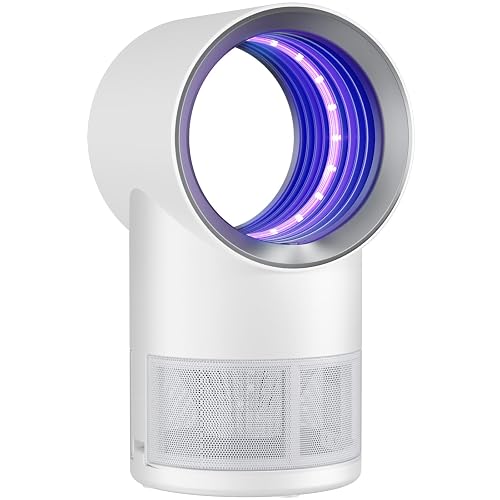
CHEER UPs Fly Trap Indoor White Timed Trap

RESCUE! Fly TrapStik Indoor Hanging Fly Trap 6 Pack

coospider-repta 2 Pack Fly Trap Indoor Wall Sconce UV Light

Gardner WS-85 Wall Sconce Fly Light Trap White

BAIMNOCM 20W Electric Indoor Bug Zapper UV Light
More Details On Our Top Picks
Soft blue light and a plug-in format make the STEM trap easy to place near prep counters, trash stations, or a break room sink. The three included cartridges give it a practical head start, which matters in a kitchen that sees steady fruit fly pressure instead of occasional nuisance insects.
The trade-off is the same one found in most plug-in units: placement matters, and the best results depend on keeping competing food sources and standing moisture under control. For smaller restaurant spaces, the low-profile design is a sensible fit; larger rooms may need a wider setup, similar to the wall-mounted units later in this list.
Strong Points
- Soft lighting keeps the unit visually quiet in customer-facing back areas.
- Plug-in setup suits counters, storage nooks, and sink-adjacent spots.
- Three cartridges extend early use without an immediate refill purchase.
- Compact form stays out of the way during prep and cleaning.
Points To Note
- The coverage style suits tighter zones more naturally than open dining rooms.
- Cartridges will need replacement, so ongoing upkeep is part of ownership.
Feature Snapshot
Who It Suits Best
Small restaurant kitchens and prep zones with recurring fruit fly issues suit this compact plug-in format best.
Where A Sibling Pick Shines
Gardner WS-85 Wall Sconce Fly Light Trap White fits better for dining-facing spaces that call for a more discreet wall-mounted profile.
Timed operation gives this CHEER UPs trap a more managed feel than a simple always-on plug-in, which suits a kitchen that closes on a schedule. The 10 refills also matter, because consumables are often where a restaurant-style setup starts to feel less convenient over time.
The low-noise design and kid-and-pet-friendly positioning make it an easier fit for mixed-use spaces, although the result still depends on smart placement. In a busy service area, that timer can be the difference between controlled overnight use and a unit that stays active longer than necessary.
What We Like
- Six- and 12-hour timing adds control for closing routines.
- Low-noise operation suits front-of-house adjacent spaces.
- Ten refills reduce the need for frequent restocking.
- White housing blends into lighter kitchen and utility walls.
- Timed use can limit unnecessary runtime in off-hours.
Minor Gripes
- The timer feature adds another setting to manage during setup.
- Refills are part of routine upkeep, so storage planning helps.
- White finish can show grime faster in greasy work zones.
At A Glance
Who Will Love This
Closing crews and managers who want scheduled indoor control in a compact unit will find this especially practical.
Another Choice May Suit
RESCUE! Fly TrapStik Indoor Hanging Fly Trap 6 Pack suits spaces that favor passive hanging control over a timed device.
Hanging sticky control keeps the RESCUE! TrapStik simple, and that simplicity is the point. VisiLure technology is the brand’s patterned color approach for drawing flies toward the sticky surface, so the unit works without a motor, bulb, or timer.
In most kitchens, that makes it useful for spots where electrical clutter is a problem or where a discreet hanging strip is easier to place than a plug-in device. The downside is plain enough, since sticky capture means visible buildup over time and a more frequent replacement rhythm than a light-based trap.
Highlights
- No electrical setup keeps installation straightforward.
- Six-pack format supports multiple placement points at once.
- Hanging design fits narrow service corridors and storage edges.
- Patterned lure surface is built for passive capture.
Softer Spots
- Sticky buildup becomes visible as the trap does its work.
- Replacement cadence can feel quicker than on electric units.
- Indoor use only, so it stays out of outdoor service zones.
Core Details
Right Fit For
Restaurants needing a low-fuss hanging option for narrow interior zones will get the most from this six-pack.
Swap It Out When
BAIMNOCM 20W Electric Indoor Bug Zapper UV Light makes more sense for larger rooms that need a powered, high-output unit.
Wall-sconce placement gives this coospider-repta two-pack a cleaner footprint than the hanging RESCUE! option, especially in routes where wall space is available. The included sticky boards mean the unit is ready for immediate setup, and the 2-pack format fits multi-zone coverage better than a single device.
That said, the appeal is less about theatrics and more about coverage planning. In a restaurant, the dual-device layout can help split attention between a prep area and a storage corridor, though the exposed boards will still need regular replacement and wiping around them.
Upsides
- Wall-sconce form keeps counters and shelves clear.
- Two-device package supports coverage in separate rooms.
- Sticky boards are included for immediate use.
- Works across kitchens, garages, and warehouse-style spaces.
Areas To Watch
- Wall mounting needs a proper spot and basic planning.
- Visible sticky boards mean upkeep stays part of ownership.
- Fit is strongest where wall clearance is available.
Details At A Glance
The Right Fit
Mixed-use restaurants that want wall-mounted coverage across more than one area will find this package especially useful.
Look Elsewhere When
Gardner WS-85 Wall Sconce Fly Light Trap White suits shops that want a more established wall light trap with a quieter visual profile.
The Gardner WS-85 leans into discretion, hiding collected insects behind a wall-sconce profile instead of leaving the capture area exposed. That matters in restaurants where the control device sits in view of staff or guests, and the shatterproof UV lamp adds a durability note that feels well suited to a working wall fixture.
Compared with the coospider-repta two-pack, this one reads as the more polished single-unit option for front-of-house edges and kitchen-adjacent walls. The catch is that a single fixture will not cover as much ground as a dual package, so larger or broken-up spaces may still need more than one point of placement.
Bright Spots
- Wall-sconce design hides collected insects more neatly.
- Quiet operation avoids the harsh feel of a zapper.
- Shatterproof UV lamp supports a durable fixture profile.
- Works well in kitchens, restaurants, and work spaces.
- White finish fits clean, light interior schemes.
Small Caveats
- Single-unit coverage is more limited than a two-pack.
- Wall installation needs a suitable placement point.
- Glueboard upkeep remains part of regular maintenance.
Spec Overview
Built With In Mind
Restaurants that want a discreet wall fixture for visible interior spaces will find this a strong match.
Reach For A Different Pick When
coospider-repta 2 Pack Fly Trap Indoor Wall Sconce UV Light suits broader coverage needs, especially where two mounting points are useful.
A 20W electric zapper brings more force than the sticky and light-trap options above, so it fits larger indoor spaces where fly pressure is more persistent. The UV-light approach also makes it a straightforward choice for restaurant back rooms, offices, or service corridors that can handle a more active unit.
The trade-off is straightforward as well, since higher output usually brings a bigger presence and a less subtle profile. For smaller kitchens, the Gardner or STEM picks feel easier to live with, but in a broad room that needs more reach, this BAIMNOCM unit is the most direct tool in the group.
Reasons To Buy
- 20W output gives it a more forceful profile.
- UV light setup suits larger indoor areas.
- Works in home, office, and restaurant spaces.
- Best fit for broader rooms that need active control.
Where To Be Careful
- The stronger format usually comes with more visual presence.
- May be more than a small prep area needs.
- Electric units still need sensible placement and upkeep.
Key Specs
Whose Shelf It Belongs On
Large indoor service areas that need a stronger powered trap are the clearest match for this model.
Where A Sibling Pick Shines
STEM Insect Trap Indoor Fruit Fly & Gnat Control suits smaller kitchens where a softer plug-in profile is easier to place.
How To Choose The Right fly traps for restaurant
Match the trap to the room
Compact plug-ins work best near prep sinks, dish areas, and back counters where fruit flies tend to gather in tight pockets. Wall sconces and hanging strips fit better when floor space is precious or when equipment has to stay clear of service traffic.
Larger dining-support spaces often need a broader footprint, which is where a dual wall unit or a higher-output zapper makes more sense. A trap that looks small on paper can still be enough in a narrow kitchen, while an oversized unit can feel clumsy in a modest room.
Think about upkeep, not just setup
Sticky boards, cartridges, and refills all create a maintenance rhythm that matters in food-service work. A simple device is easier to live with, but only as long as the replacement parts are easy to store and swap out on schedule.
That’s where the practical difference between the RESCUE!, Gardner, and CHEER UPs picks becomes clear. Some units hide the mess better, while others ask for more visible replacement work, so the cleaner-looking option is not always the lower-effort one.
Pay attention to visibility and noise
Front-facing rooms usually benefit from quieter traps with a restrained look, especially near customer traffic or open pass-throughs. Soft-light plug-ins and wall sconces keep the atmosphere calmer than a loud zapper style.
Noise and appearance rarely matter in the same way in a stock room, which is why the BAIMNOCM model sits at the stronger end of the group. The right choice depends on whether the main goal is discretion or broader indoor reach.
Plan around power and placement
Plug-in units need an outlet in a sensible spot, and wall-mounted models need a surface that can support the layout without getting in the way of cleaning. Hanging strips avoid that setup burden, though they trade convenience for a more visible capture surface.
In most restaurant settings, the smartest pick is the one that can stay in place without constant adjustment. Stable placement usually does more for results than chasing the most aggressive-looking unit.
A Quick Reality Check
Traps First Timers Fall Into
One common mistake is choosing a unit for the label rather than the room. A device meant for a broad indoor area can feel oversized in a small prep zone, while a tiny plug-in can be underpowered in a long corridor.
Another misstep is ignoring replacement parts. Sticky boards, cartridges, and refills are part of the ownership picture, and a tidy-looking trap still needs a plan for upkeep.
When Paying More Pays Off
Higher-tier models usually cost more because they add timing controls, extra units, stronger output, or a more finished wall-mount design. Those extras matter in busy kitchens where a trap has to work around schedules, not just sit in the corner.
The upgrade is easiest to justify in spaces with repeated insect pressure, multiple zones, or front-facing visibility. For smaller back-of-house areas, a simpler unit often keeps the job straightforward without overcomplicating routine cleaning.
Final Thoughts
Restaurant fly control works best when the trap matches the layout instead of fighting it. Soft-light plug-ins suit compact back areas, wall sconces handle visible spaces with a tidier profile, and the larger zapper fills the gap when the room is broad and the insect load is heavier. The right choice here is the one that fits the room, the cleaning routine, and the amount of attention the space can spare.



